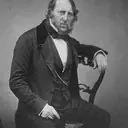
Artist
William Heath

British, 1794–1840
William Heath was a British Romanticism artist. 10 works are cataloged here, principally at Victoria and Albert Museum.
William Heath was an American farmer, soldier, and political leader from Massachusetts who served as a major general in the Continental Army during the American Revolutionary War.
Overview
William Heath (1795 – 7 April 1840) was an English artist who once described himself as a "portrait & military painter." He was best known for his published engravings which included caricatures, political cartoons, and commentary on contemporary life.
Biography
Heath was born in Northumberland, England. His early works often dealt with military scenes, including colour plates for The Martial Achievements, The Wars of Wellington, etc., but from about 1820 on he focused on satire.
Between 1827 and 1829, many of his works were published under the pseudonym "Paul Pry" (the name of an overly inquisitive stage character in a popular 1825 stage comedy by John Poole); also used the pseudonym Argus. He was described by Dr John Brown, biographer of John Leech as "poor Heath, the ex-Captain of Dragoons, facile and profuse, unscrupulous and clever". Heath helped found an early caricature magazine, The Glasgow Looking Glass (renamed to The Northern Looking Glass after five issues). Heath created a numbered series of political caricatures between 1830 and 1834 for McLean's Monthly.
Death and legacy
He died in Hampstead and was buried on the western side of Highgate Cemetery. His grave (no.124) no longer has a headstone or any identifying marker. The British Museum catalogue has over 160 works by Heath.
Works
Historical Military and Naval Anecdotes (1815) The Martial Achievements of Great Britain and her Allies (1815) The Wars of Wellington (1819) (Illustrations) Real Life in Ireland (1821) (Illustrations) Real Life in London (1822) (Illustrations) The Life of a Soldier (1823) Studies from the Stage (1823) Rustic Sketches (1824) Illustrations of Heraldry (1828) Parish Characters (1829) Sayings of the Ancients (1831) Fashion and Folly (1832) Minor Morals for Young People. Illustrated in tales and travels (1834–39).
Collections represented

Museum
Artists in a similar vein
Artist
Artist