Artwork
Skovlandskab med græssende kvæg
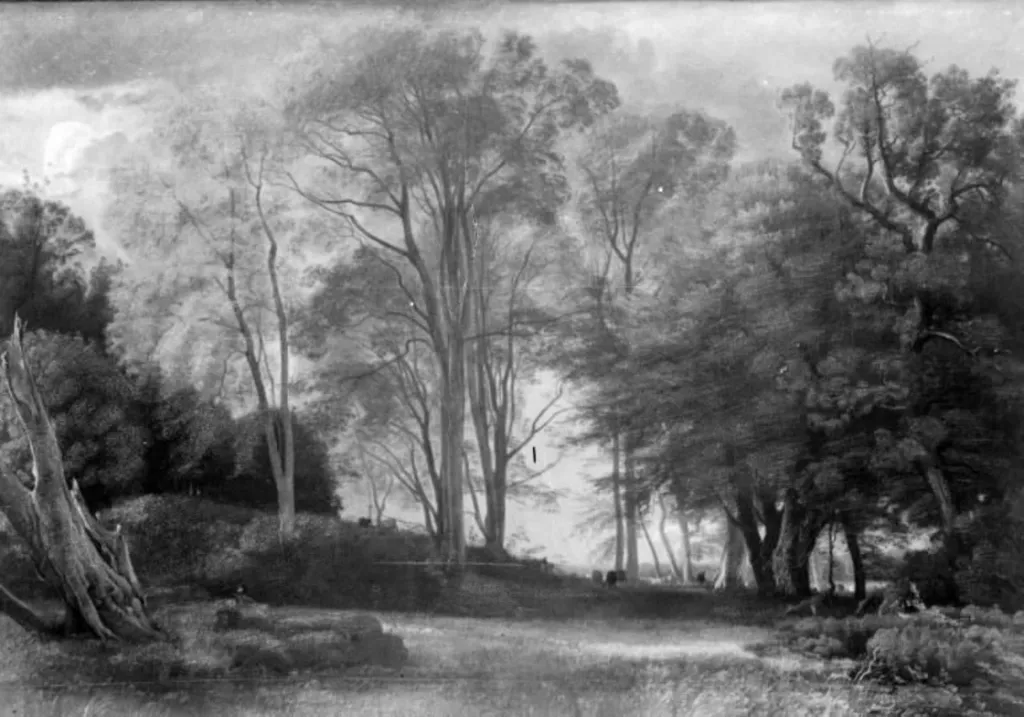
Skovlandskab med græssende kvæg is a photography by Unknown. It dates from 1853 and is held in the collection of the Statens Museum for Kunst. This black-and-white photograph, dated around 1853, depicts a quiet woodland path in a rural setting.
About this work
Overview
The image is held in the collection of the Museum of Ethnography, where it functions as a documentary record of landscape rather than a staged composition.
This black-and-white photograph, dated around 1853, depicts a quiet woodland path in a rural setting. Tall, slender trees frame the scene, their branches sparse and casting elongated shadows across a mixed terrain of earth and grass. No human figures or structures appear, emphasizing solitude and natural order. The image is held in the collection of the Museum of Ethnography, where it functions as a documentary record of landscape rather than a staged composition.
Subject & Meaning
The scene presents an unpopulated forest path, suggesting themes of stillness and detachment from human activity. The absence of figures or dwellings invites contemplation of nature’s quiet persistence. The bare or lightly leafed trees imply a transitional season, perhaps early spring or late autumn, reinforcing a sense of temporal pause. The composition avoids narrative, focusing instead on atmosphere and spatial harmony.
Technique & Style
The photograph employs chiaroscuro to model depth through contrast between light and shadow. Sunlight filters through the canopy, illuminating patches of ground while leaving surrounding areas in soft obscurity. The tonal range is restrained, relying on subtle gradations rather than stark extremes. The sharp definition of tree trunks against the muted background enhances spatial recession, characteristic of early photographic attempts to emulate painterly effects.
History & Provenance
Created circa 1853, the photograph entered the Museum of Ethnography’s collection as part of a broader effort to document rural environments during the mid-19th century. Its origin as a photographic record—rather than a painted landscape—aligns with the period’s growing interest in empirical observation. The image’s preservation suggests it was valued for its documentary clarity rather than artistic ambition at the time of acquisition.
Context
In the 1850s, photography was emerging as a tool for both scientific documentation and aesthetic exploration. This image reflects a trend among early photographers to capture untouched natural settings, often in response to industrialization’s encroachment. The absence of human intervention aligns with Romantic-era ideals of nature as a refuge, though here rendered without sentimentality, through the medium’s inherent objectivity.
Legacy
The photograph remains a quiet example of early photographic landscape recording, valued for its restraint and technical precision. It contributes to the historical record of how nature was visually understood before widespread environmental awareness. Its presence in an ethnographic museum underscores its role as cultural evidence—capturing a moment in the rural landscape that would soon change with modernization.
Artist & collection

 Domestic Scene
 Giacomo and Cardinal Marco, investing Andrea, Abbot of San Zeno, with his Benefice
 The Nymph of Fontainebleau
 Portrait of a Woman
 Madonna and Child with Saints in the Enclosed Garden
 Venus and Minerva
 Family Group of Four on Sofa
 Wall painting from Room H of the Villa of P. Fannius Synistor at Boscoreale
 Beeches in Delhoved Forest
 Woodland Scene from Southern Sweden
 Woodland Scene from Southern Sweden
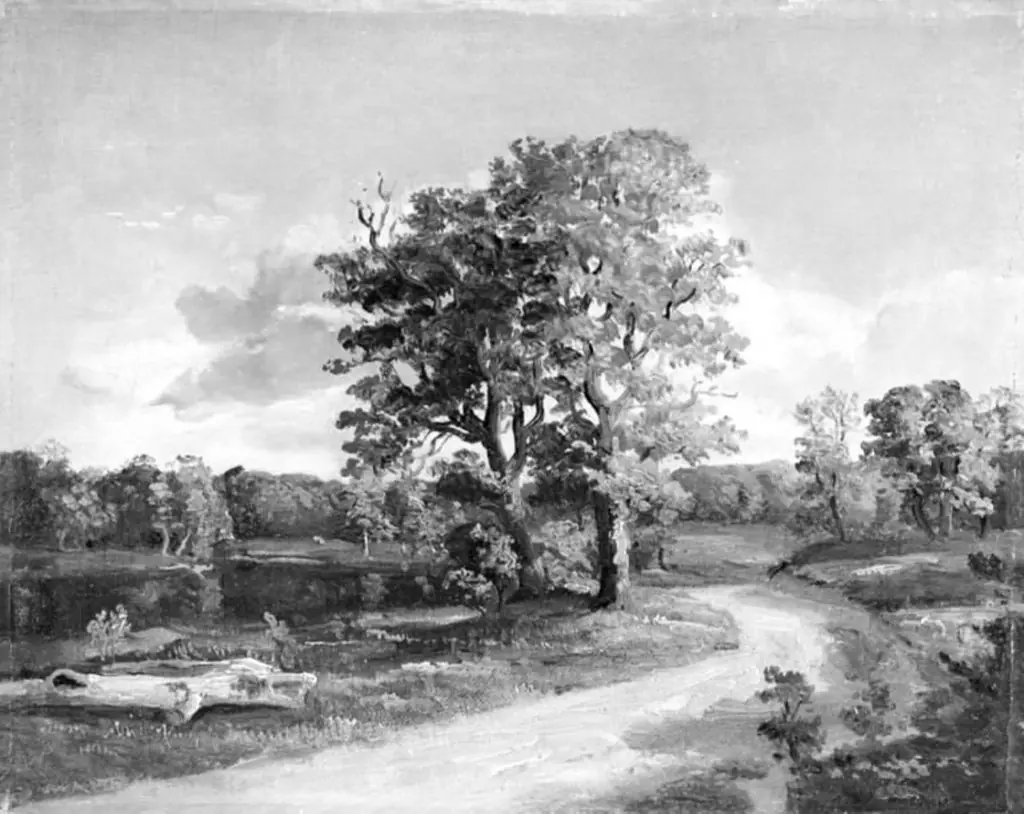 Landscape near Hammermøllen. Study
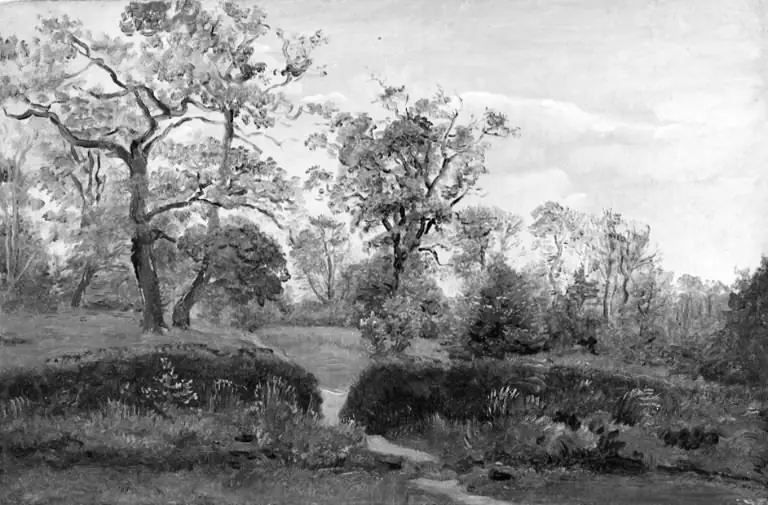 The Fringe of a Wood
 Landscape near Hammermøllen. Study
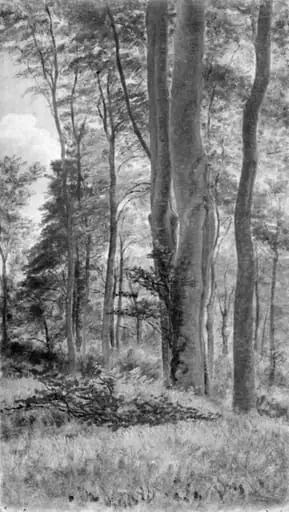 Beeches in Delhoved Forest
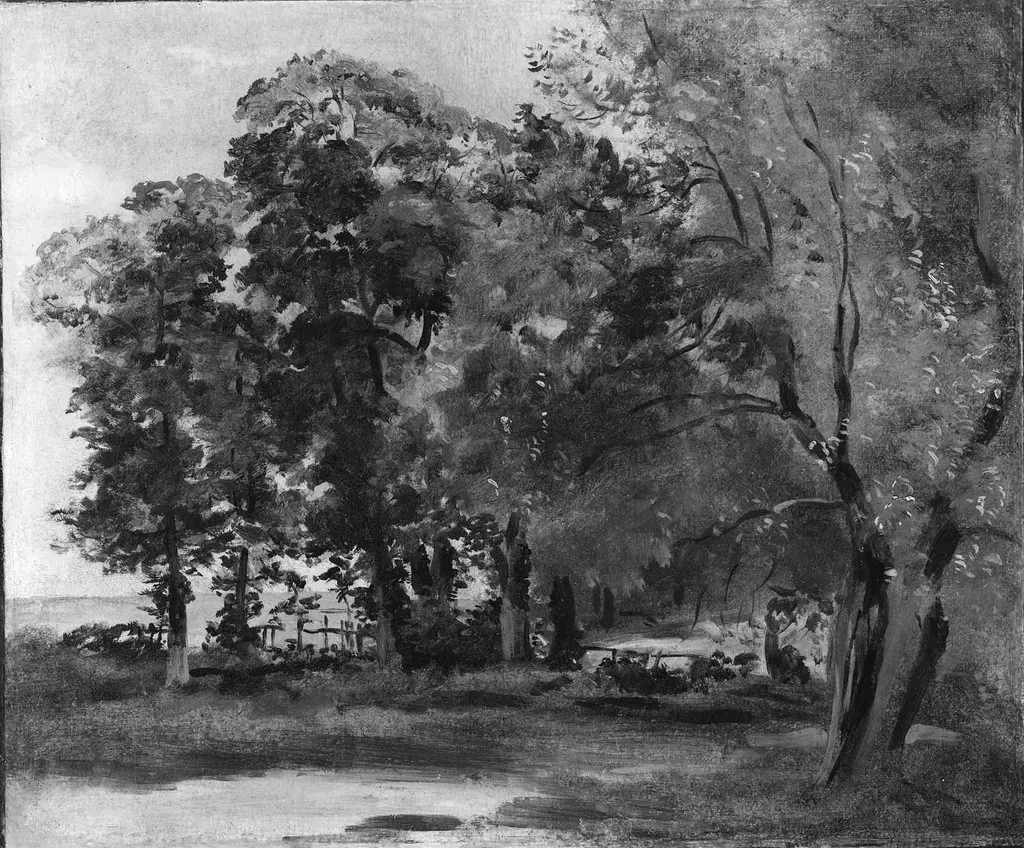 A Glade
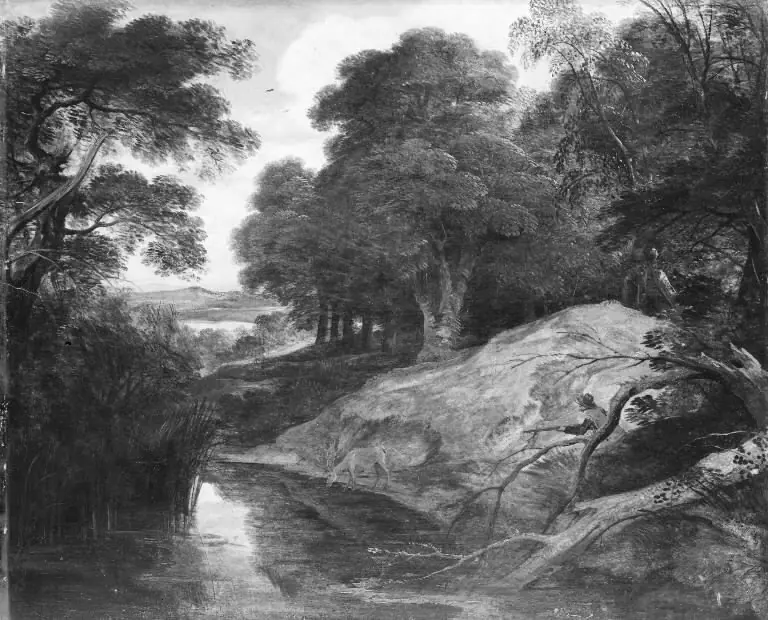 Landscape with Huntsman and Stags
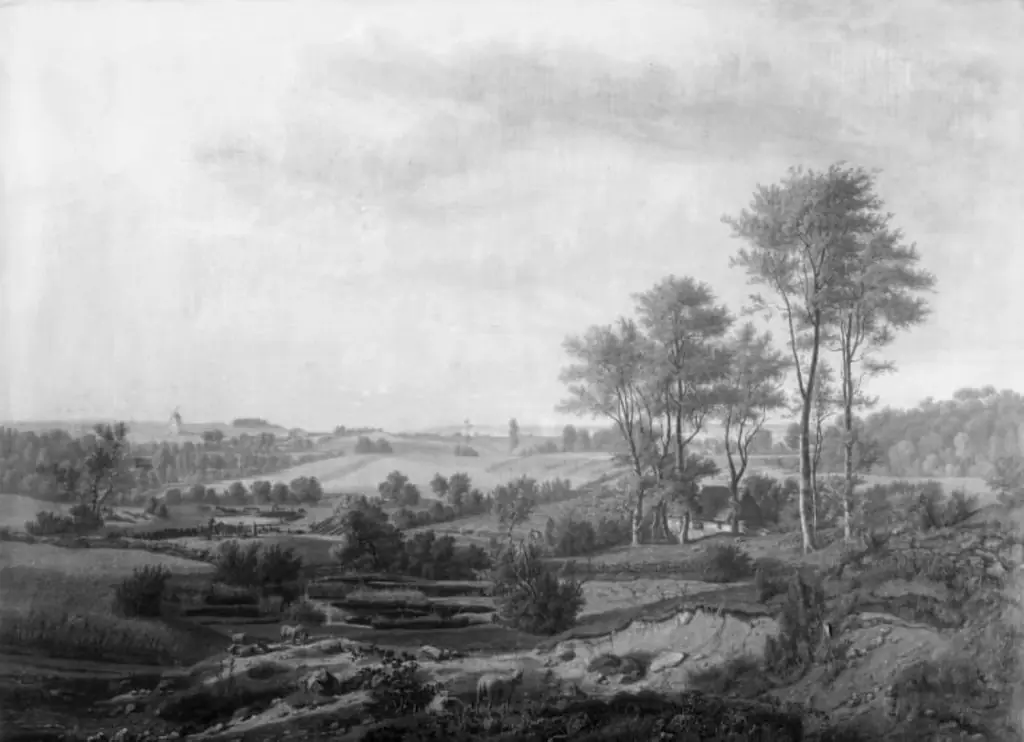 Nordsjællandsk landskab. I baggrunden den svenske kyst