Artwork
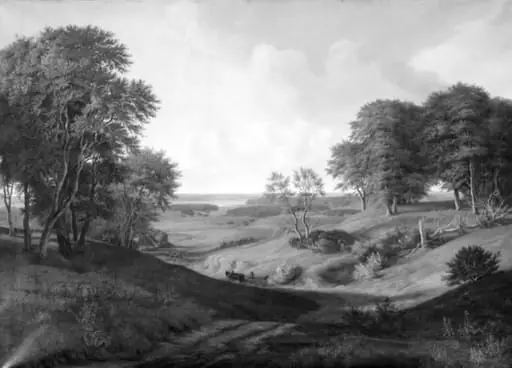
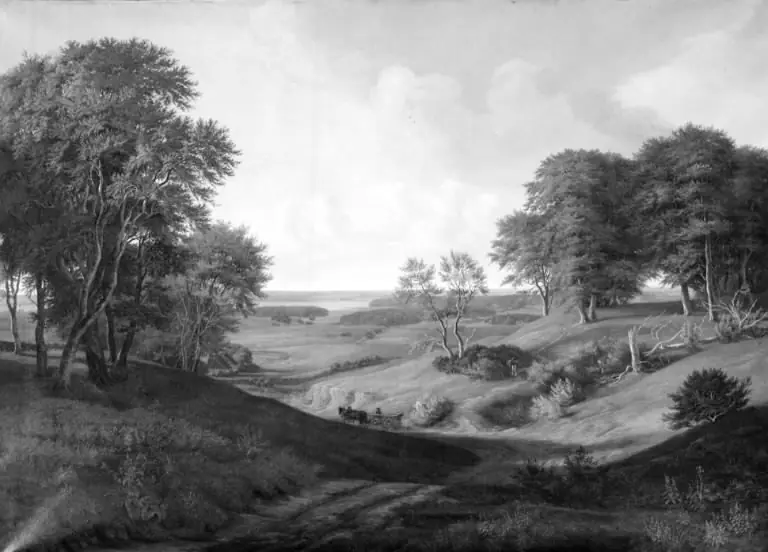
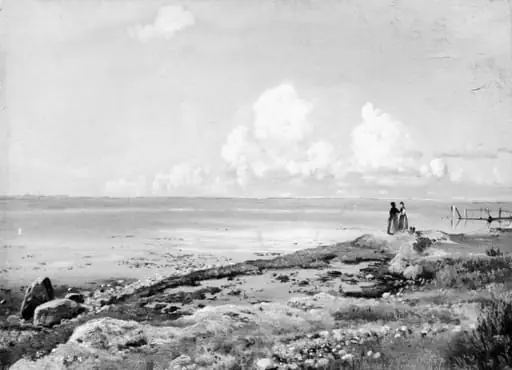
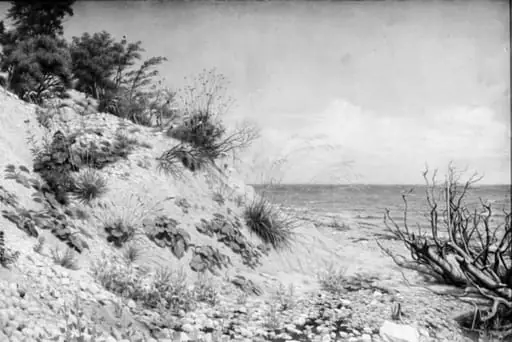
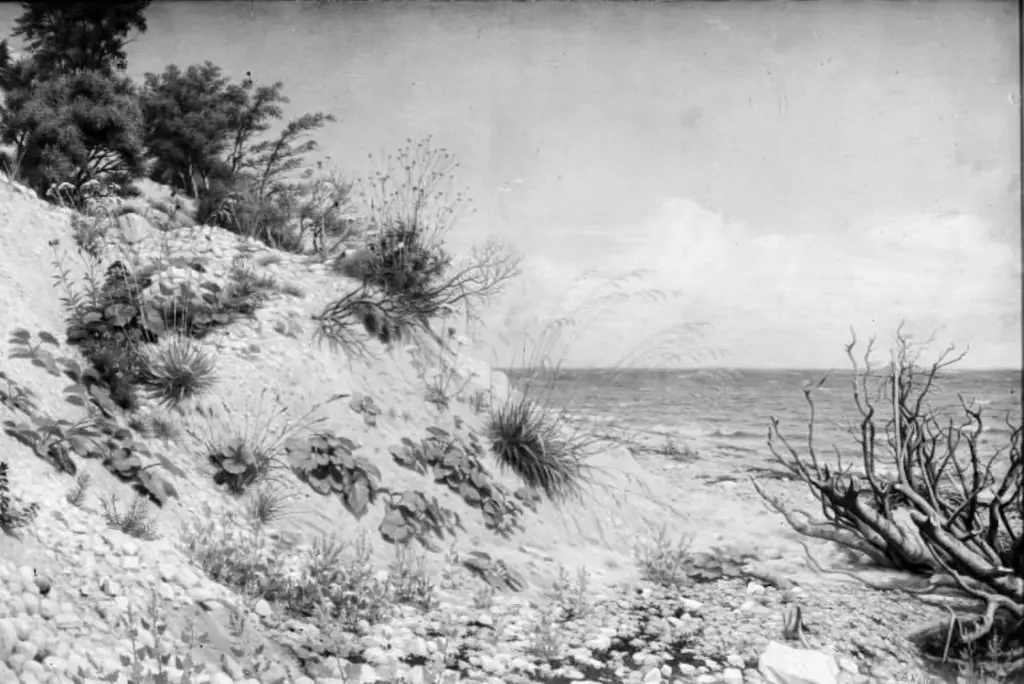
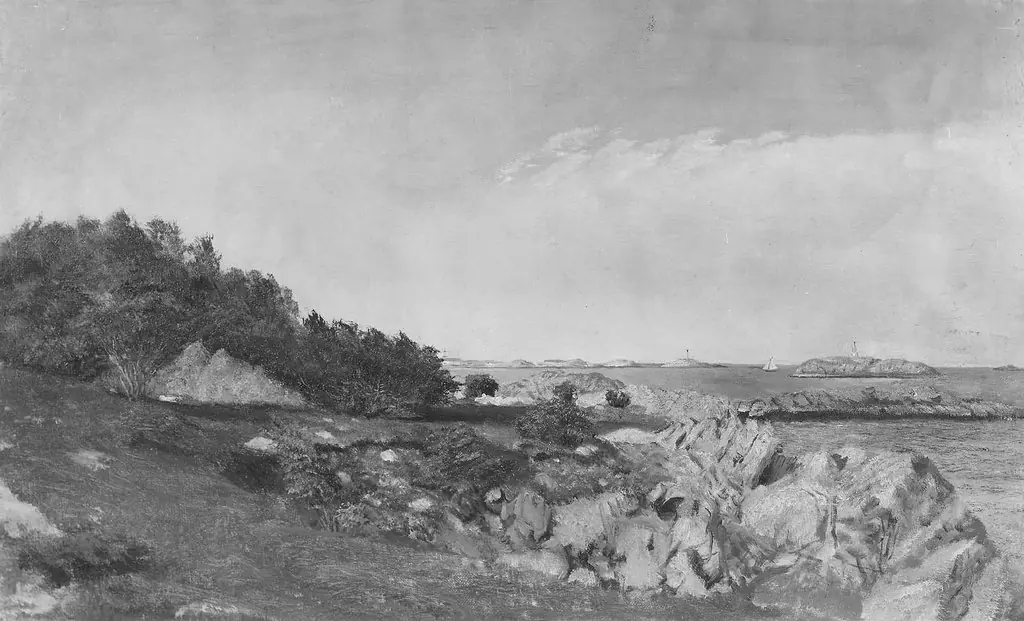
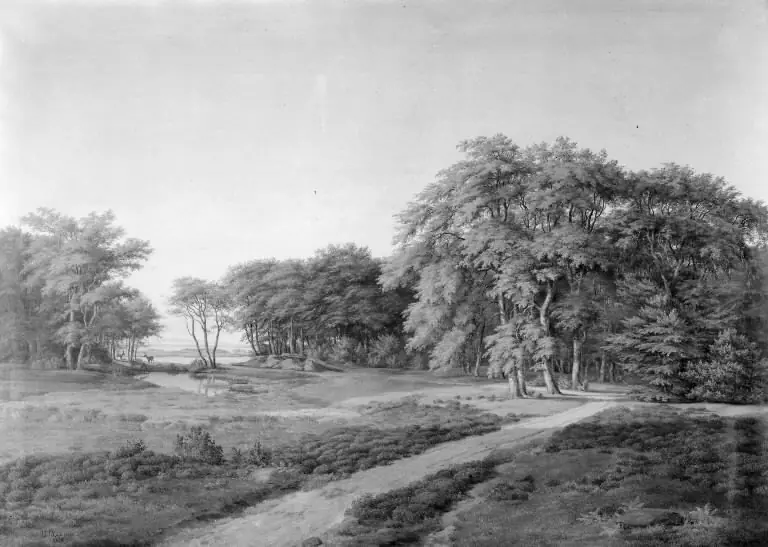
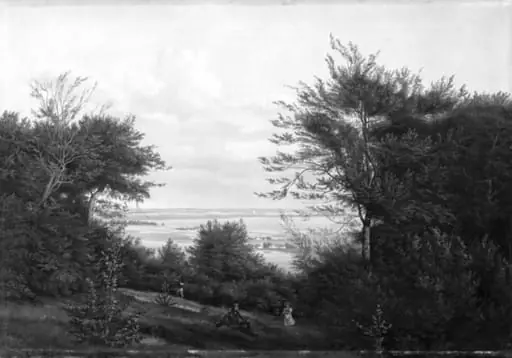
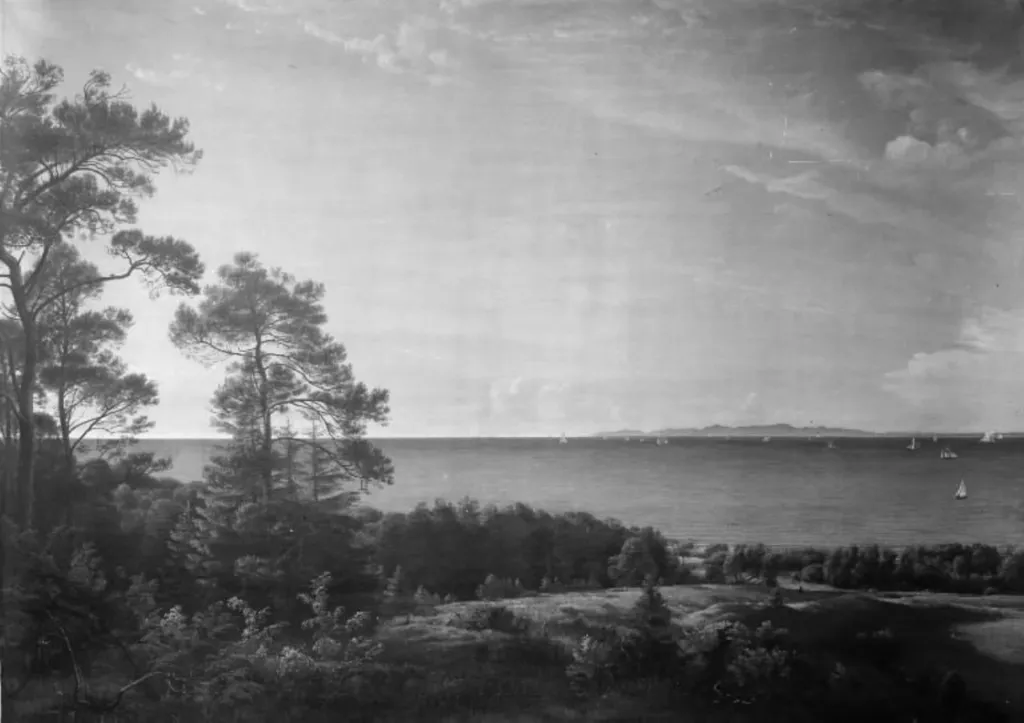
View from the North Coast of Sealand towards Kullen in Sweden. Summer Evening
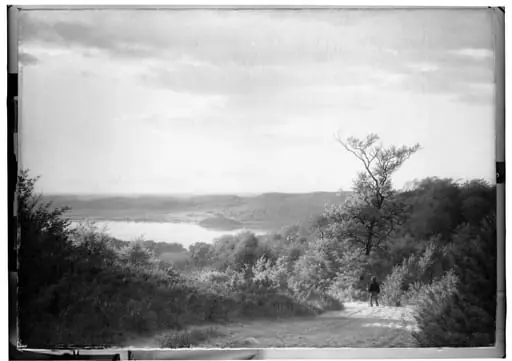
View from the North Coast of Sealand towards Kullen in Sweden. Summer Evening is a photography by the Impressionist artist Unknown. It dates from 1860 and is held in the collection of the Statens Museum for Kunst.
About this work
Overview
Painted in 1860, this landscape depicts the northern shore of Sealand, Denmark, looking toward the Kullen peninsula in Sweden during summer twilight.
Painted in 1860, this landscape depicts the northern shore of Sealand, Denmark, looking toward the Kullen peninsula in Sweden during summer twilight. The work captures a quiet, unembellished moment of natural transition—day yielding to night. It is held in the collection of the Museum of Ethnography, where it stands as an early example of Danish landscape painting focused on atmospheric conditions rather than idealized scenery.
Subject & Meaning
The scene presents a serene coastal vista at dusk, with pine trees silhouetted against a softening sky and distant boats barely visible on the water. The composition emphasizes stillness and the subtle shift of light, suggesting a contemplative pause in nature’s rhythm. There is no human activity beyond the boats, reinforcing a sense of solitude and the quiet passage of time in the natural world.
Technique & Style
The artist employed loose, observational brushwork to render the fading light and hazy atmosphere. Colors are muted, with cool grays and greens dominating, and forms are softened by diffused illumination. The focus on transient effects of twilight reflects a shift away from theatrical lighting toward direct observation, aligning with emerging Realist principles in Scandinavian art of the period.
History & Provenance
Created in 1860, the work entered the Museum of Ethnography’s collection shortly after its completion. Its presence there, rather than in a fine arts institution, suggests early interest in its documentary value as a record of regional landscape and light. The painting has remained in the museum’s holdings without significant public exhibition until recent decades, when interest in 19th-century Nordic realism revived its visibility.
Context
In the mid-19th century, Scandinavian artists began turning from romanticized historical or mythological subjects to everyday natural environments. This painting reflects that trend, influenced by French Realism and the Barbizon School’s emphasis on plein air observation. It contributes to a broader movement in Denmark and Sweden to depict local terrain with honesty and sensitivity to atmospheric change.
Legacy
The work is recognized as an early example of Danish landscape painting that prioritized transient light over narrative or grandeur. It helped pave the way for later generations of Nordic painters who pursued similar themes of quiet, unadorned nature. While not widely known outside regional art circles, it remains a quiet touchstone in the development of Scandinavian Realism.
Artist & collection

 Domestic Scene
 Giacomo and Cardinal Marco, investing Andrea, Abbot of San Zeno, with his Benefice
 The Nymph of Fontainebleau
 Portrait of a Woman
 Madonna and Child with Saints in the Enclosed Garden
 Venus and Minerva
 Family Group of Four on Sofa
 Wall painting from Room H of the Villa of P. Fannius Synistor at Boscoreale