Artwork
The Poor: The Waiting Room of Death
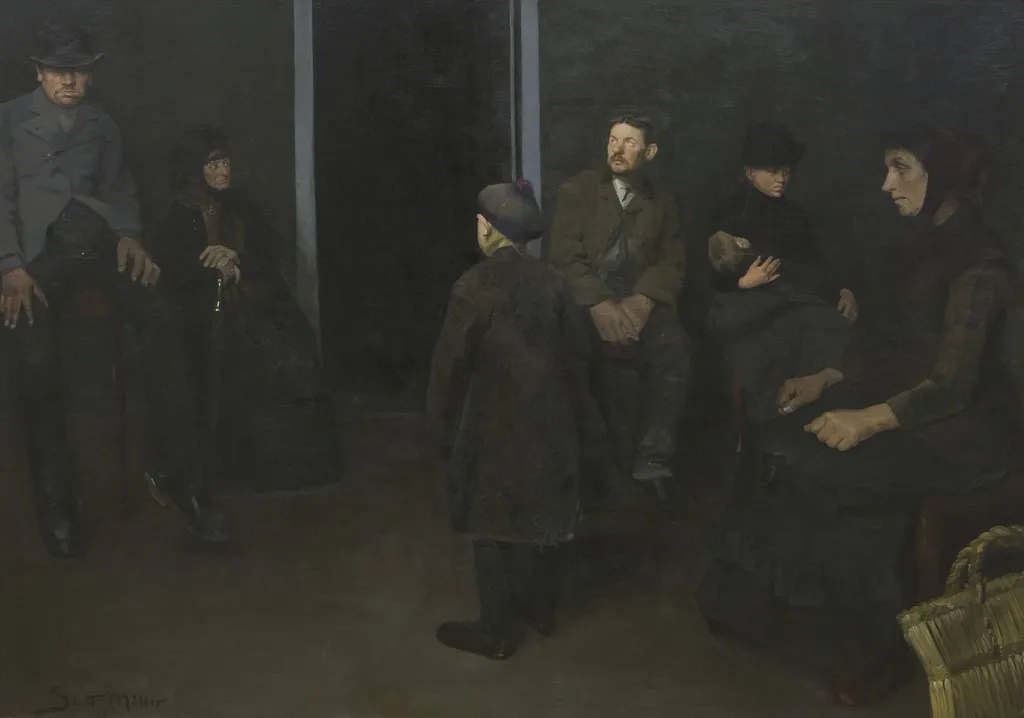
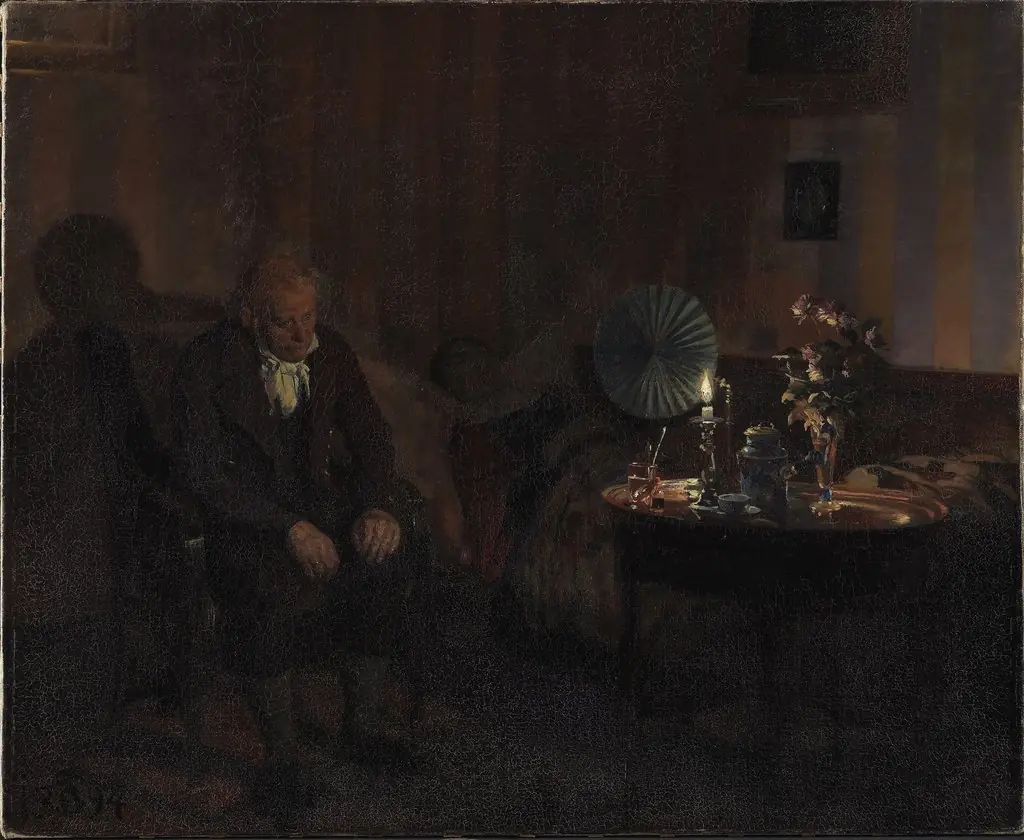
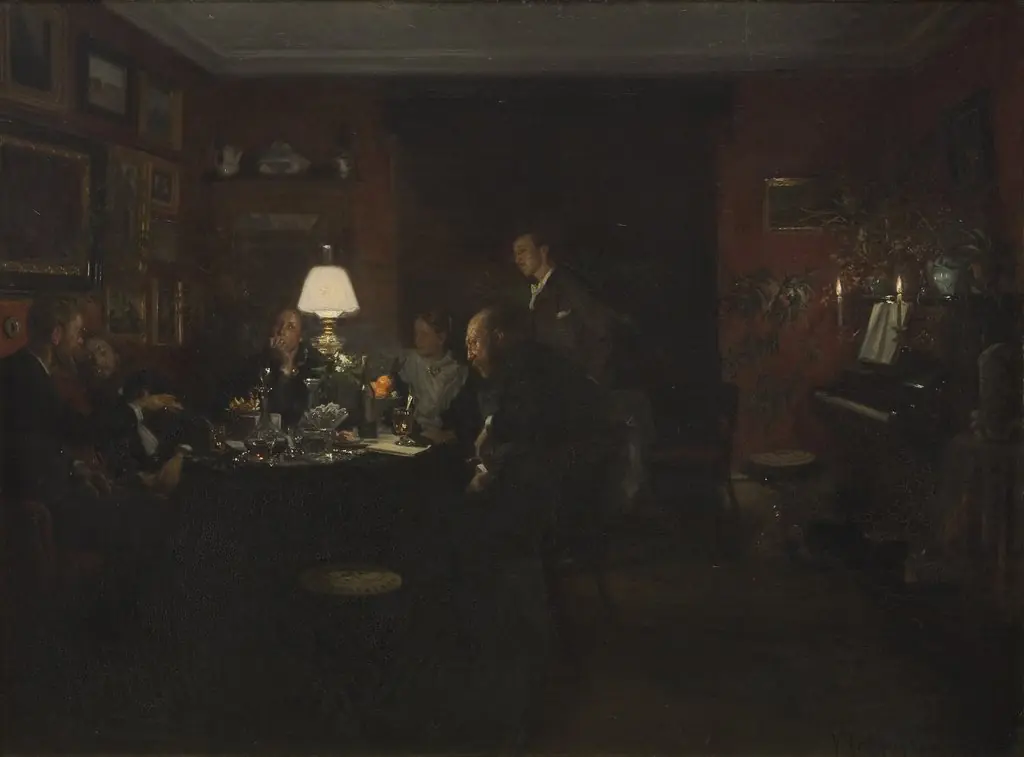
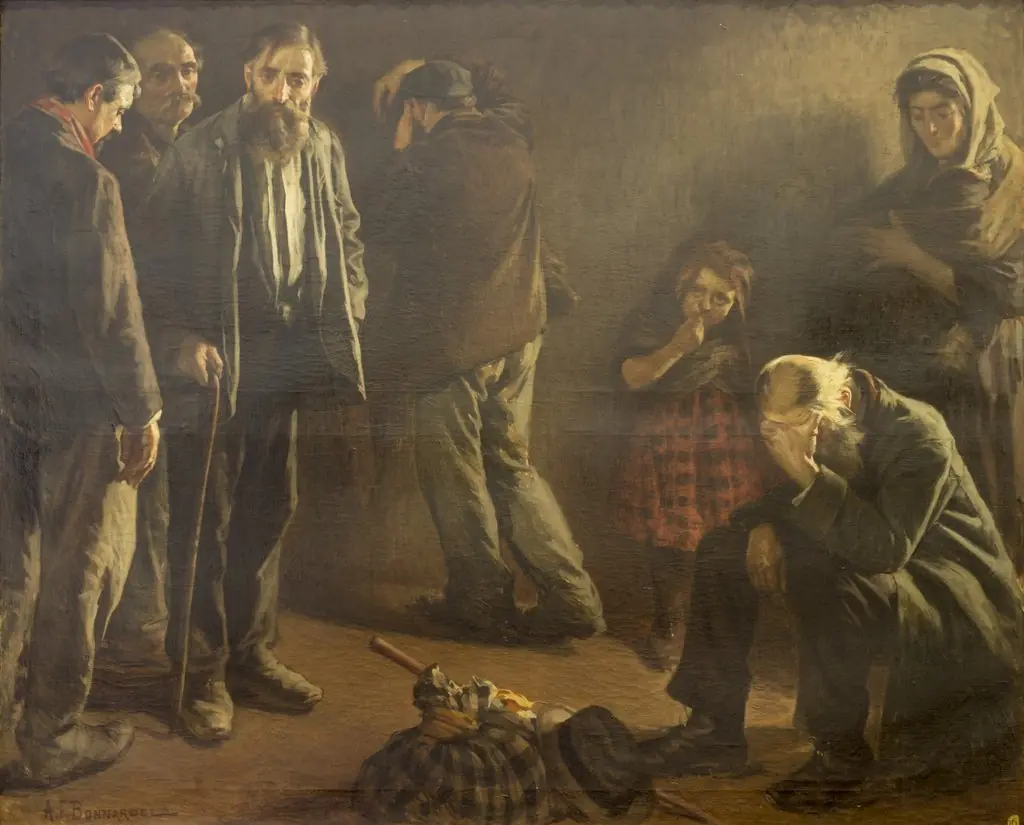
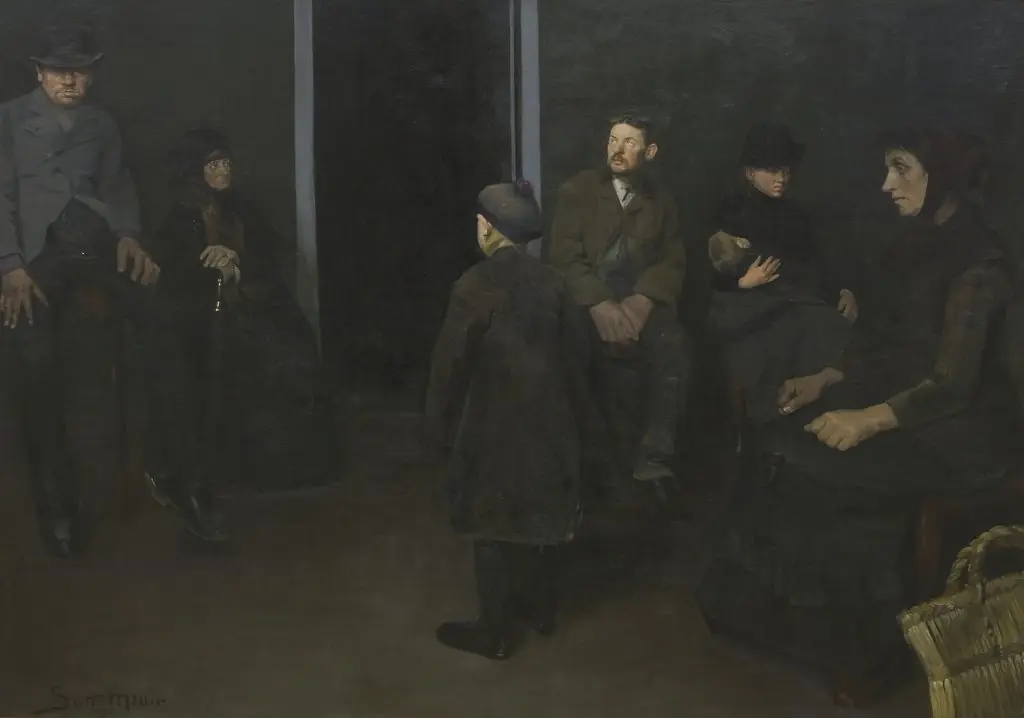
The Poor: The Waiting Room of Death is a photography by the Impressionist artist Unknown. It dates from 1888 and is held in the collection of the Statens Museum for Kunst. Created in 1888 by 1009_person, this image depicts a dimly lit interior crowded with individuals awaiting assistance.
About this work
Overview
Created in 1888 by 1009_person, this image depicts a dimly lit interior crowded with individuals awaiting assistance. It is part of a series addressing social hardship and is held in the collection of the Museum of Ethnography. The composition conveys a sense of stillness and endurance, capturing a moment of suspended anxiety rather than action.
Subject & Meaning
The figures—men in worn coats, a woman with a basket, an elderly man leaning on a cane—suggest people living in economic precarity. Their postures and expressions convey fatigue and resignation. The title, 'The Waiting Room of Death,' implies a grim inevitability, framing the space not merely as a place of waiting but as a threshold between survival and oblivion.
Technique & Style
The artist employs chiaroscuro to heighten emotional tension, using deep shadows and stark light to isolate figures against the gloom. Facial features emerge faintly from darkness, emphasizing individual suffering without melodrama. The lack of clear background details focuses attention on the bodies and their silent collective presence.
History & Provenance
The work was produced during a period of heightened public awareness of urban poverty in Europe. It entered the Museum of Ethnography’s collection shortly after its creation, likely as part of a documentary effort to record social conditions. Its preservation reflects an early institutional interest in visual anthropology.
Context
Made during the late 19th century, the image responds to industrialization’s human costs, when urban centers saw growing numbers of destitute seeking aid. Similar imagery appeared in reformist publications, but this piece avoids overt political messaging, instead offering a quiet, observational record of daily survival.
Legacy
Though not widely exhibited outside specialized collections, the image remains a quiet reference in studies of documentary photography and social realism. Its restrained tone and formal discipline influenced later artists seeking to depict marginalization without sensationalism.
Artist & collection

 Domestic Scene
 Giacomo and Cardinal Marco, investing Andrea, Abbot of San Zeno, with his Benefice
 The Nymph of Fontainebleau
 Portrait of a Woman
 Madonna and Child with Saints in the Enclosed Garden
 Venus and Minerva
 Family Group of Four on Sofa
 Wall painting from Room H of the Villa of P. Fannius Synistor at Boscoreale