Artwork
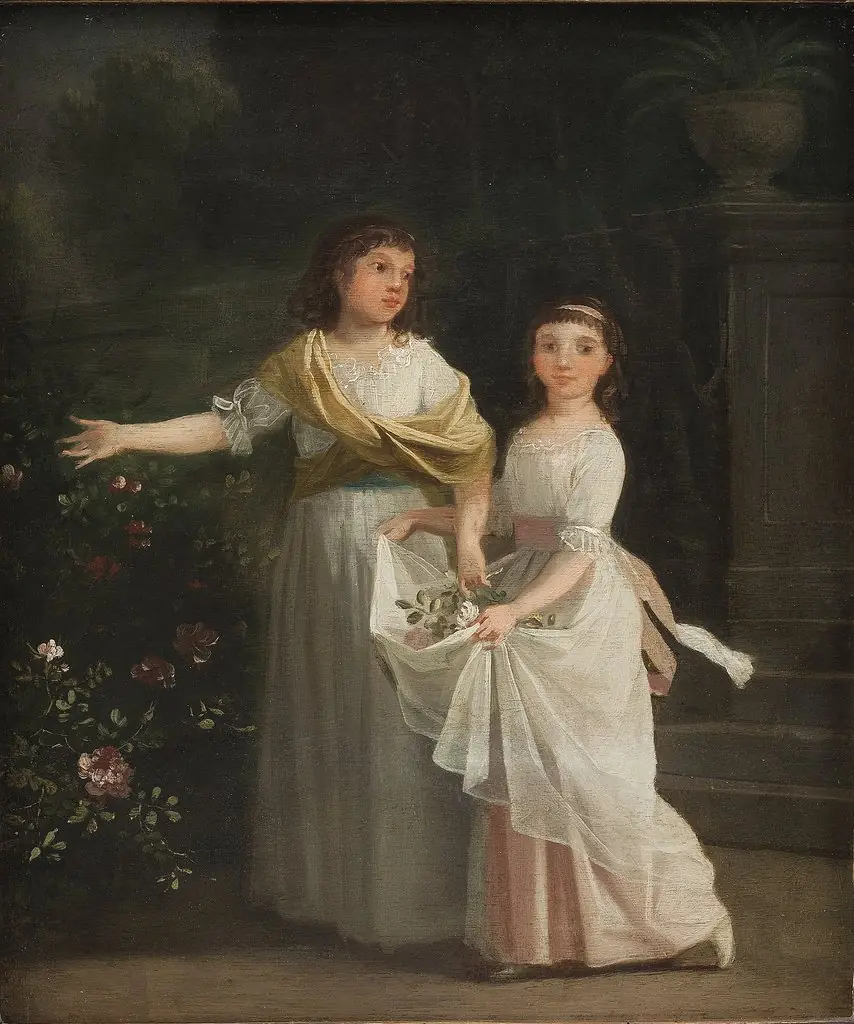
Generalkonsul Johan Christian Pingels døtre i en have
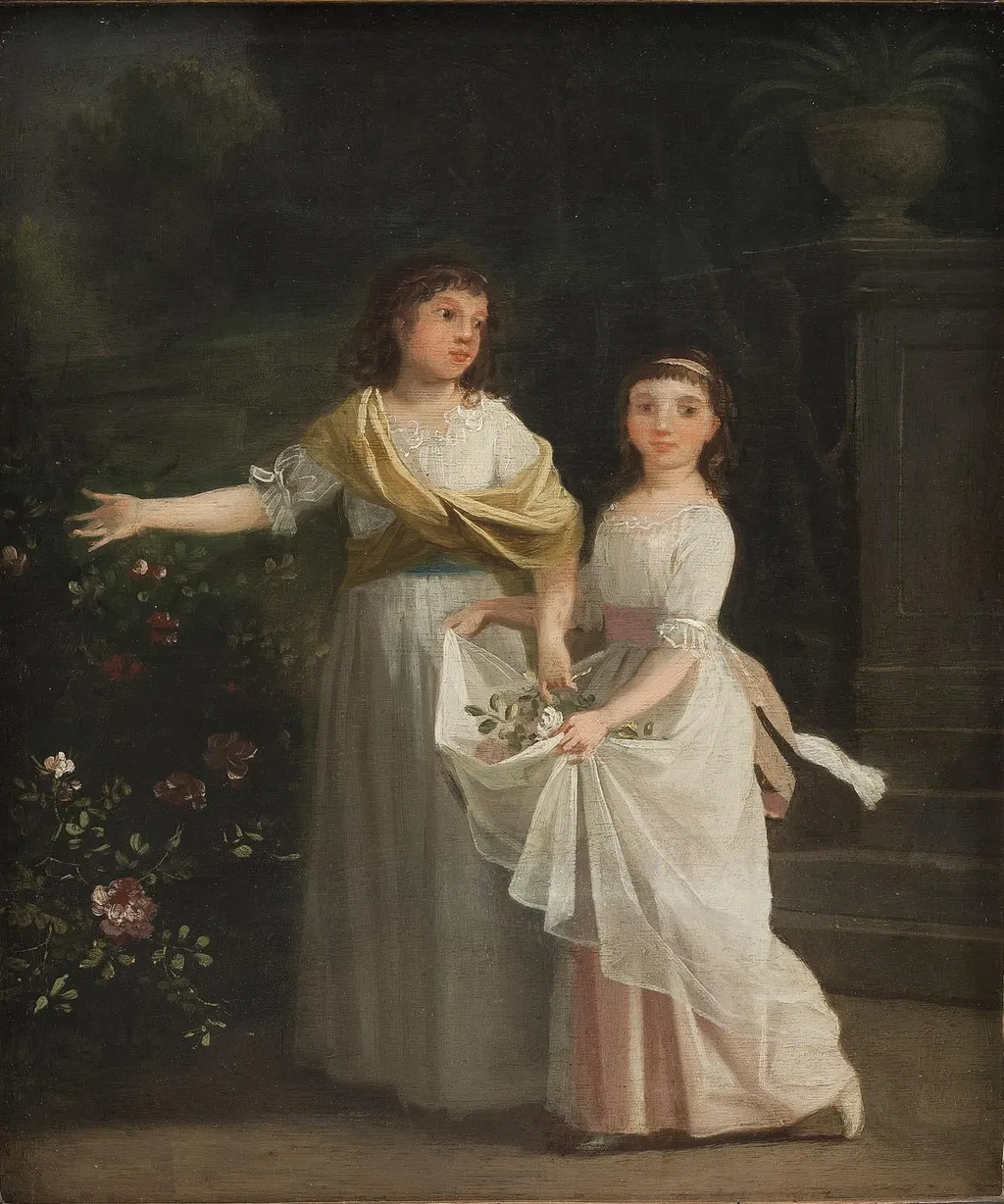
Generalkonsul Johan Christian Pingels døtre i en have is a photography by Unknown. It dates from 1750 and is held in the collection of the Statens Museum for Kunst. Painted around 1750, this portrait depicts the two daughters of General Consul Johan Christian Pingel in a garden setting.
About this work
Overview
The work is attributed to an artist associated with the Danish court circle, though the painter’s identity remains unconfirmed.
Painted around 1750, this portrait depicts the two daughters of General Consul Johan Christian Pingel in a garden setting. The work is attributed to an artist associated with the Danish court circle, though the painter’s identity remains unconfirmed. It is currently held in the collection of the Museum of Ethnography, where it serves as an example of 18th-century Danish portraiture focused on domestic intimacy rather than formal grandeur.
Subject & Meaning
The two women, likely sisters, are portrayed in a moment of quiet companionship. Their proximity and gestures suggest familiarity, while the bouquet held by the younger figure may symbolize youth or domestic virtue. The garden setting, though stylized, evokes a private, cultivated space associated with refinement and moral purity in Enlightenment-era ideals of feminine life.
Technique & Style
The painting employs soft, diffused lighting to model the figures’ forms and textures, enhancing the delicacy of their fabrics and skin tones. Subtle contrasts between light and shadow, reminiscent of chiaroscuro, lend depth without dramatic intensity. The brushwork is precise in rendering details like floral arrangements and lace trim, reflecting a preference for controlled elegance over expressive brushwork.
History & Provenance
The painting remained within the Pingel family until its acquisition by the Museum of Ethnography. Its journey into institutional care suggests a shift in cultural value—from private family relic to public historical document. No records indicate public exhibition prior to the 20th century, and its attribution has been revised over time as scholarly focus on Danish minor nobility expanded.
Context
Created during a period when Danish elites increasingly embraced domestic themes in portraiture, the work reflects broader European trends favoring naturalism and emotional restraint. Unlike grand royal portraits, this image emphasizes private life, aligning with rising bourgeois values. The garden backdrop, though artificial in composition, mirrors the popularity of landscaped estates among Copenhagen’s merchant class.
Legacy
The painting contributes to the understanding of gendered representation in 18th-century Denmark, illustrating how women of the merchant class were depicted not as political figures but as embodiments of cultivated domesticity. Its preservation in an ethnographic museum underscores its role as a cultural artifact rather than a purely aesthetic object, offering insight into social norms of the time.
Artist & collection

 Domestic Scene
 Giacomo and Cardinal Marco, investing Andrea, Abbot of San Zeno, with his Benefice
 The Nymph of Fontainebleau
 Portrait of a Woman
 Madonna and Child with Saints in the Enclosed Garden
 Venus and Minerva
 Family Group of Four on Sofa
 Wall painting from Room H of the Villa of P. Fannius Synistor at Boscoreale
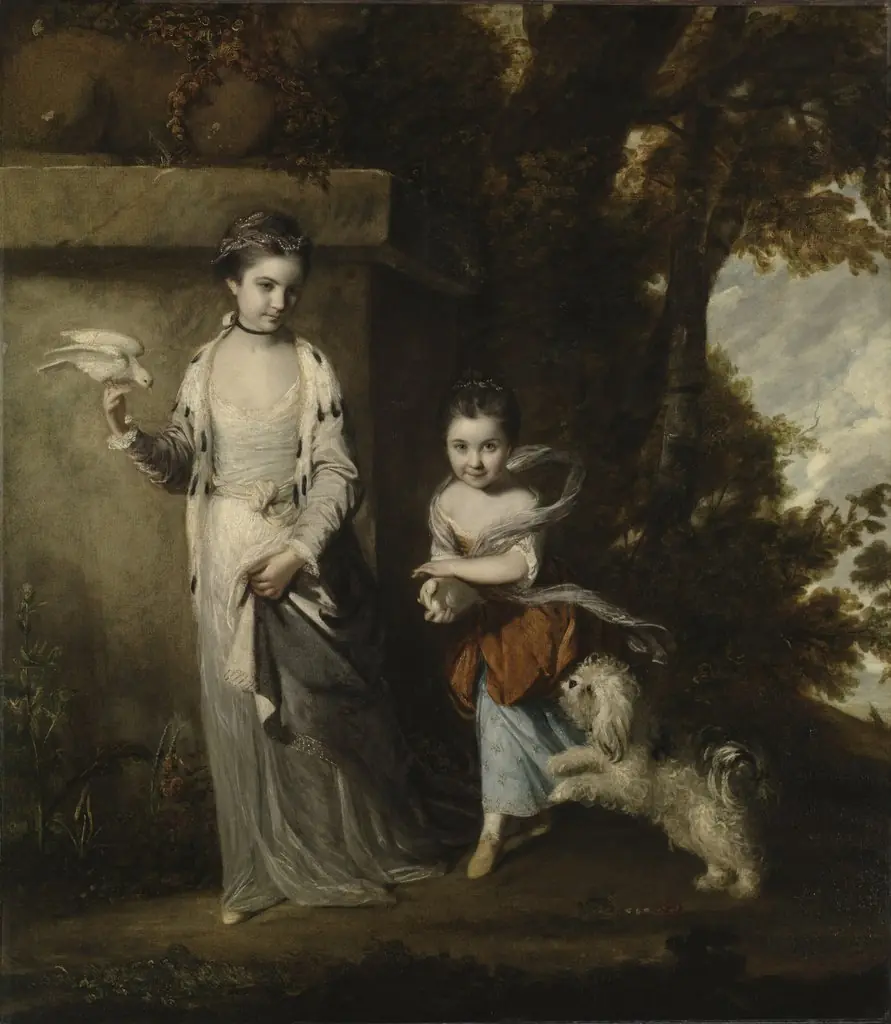 Portrait of the Ladies Amabel and Mary Jemima Yorke
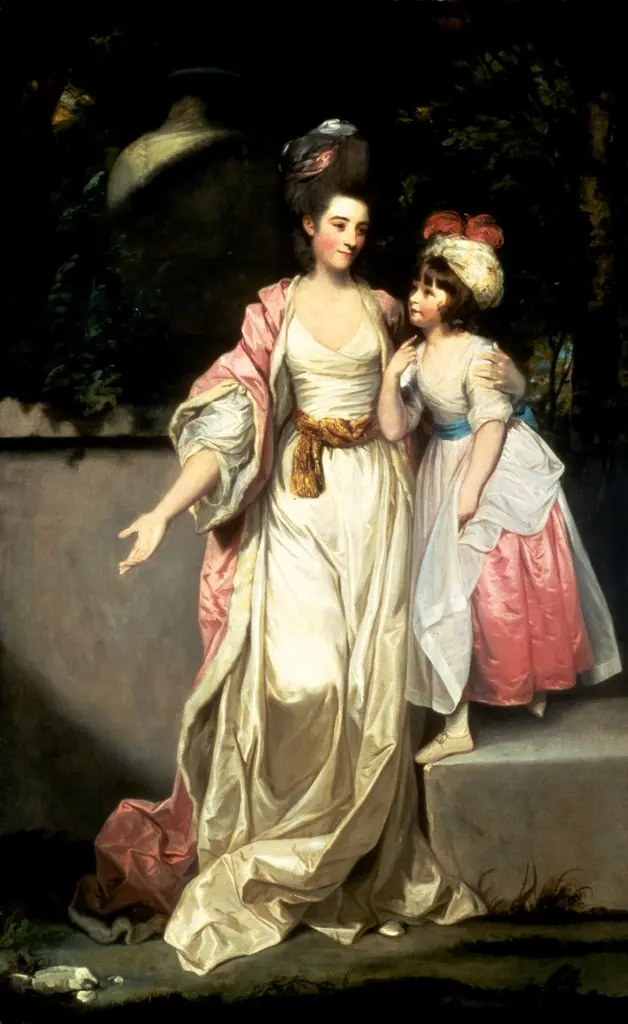 Portrait of Mrs. Jelf Powis and her Daughter
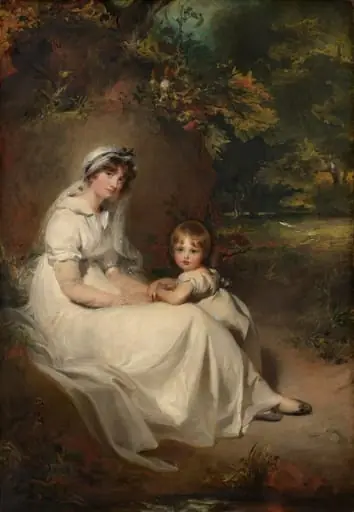 Lady Mary Templetown and Her Eldest Son
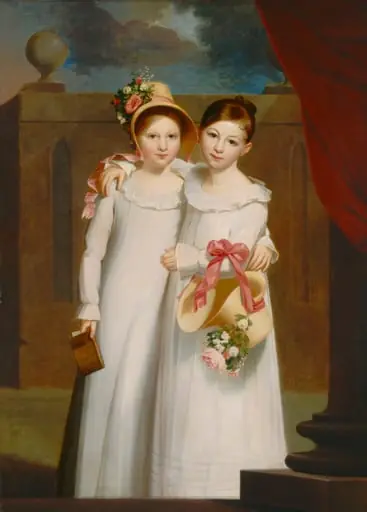 The Ragan Sisters
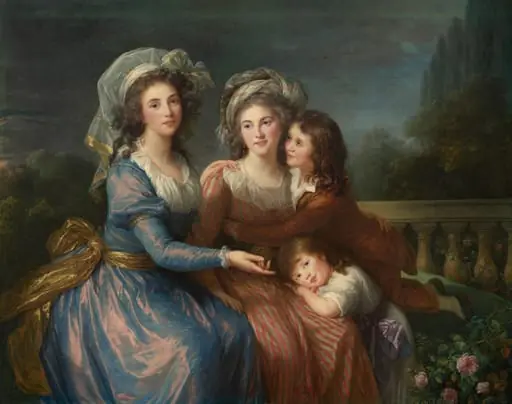 The Marquise de Pezay, and the Marquise de Rougé with Her Sons Alexis and Adrien
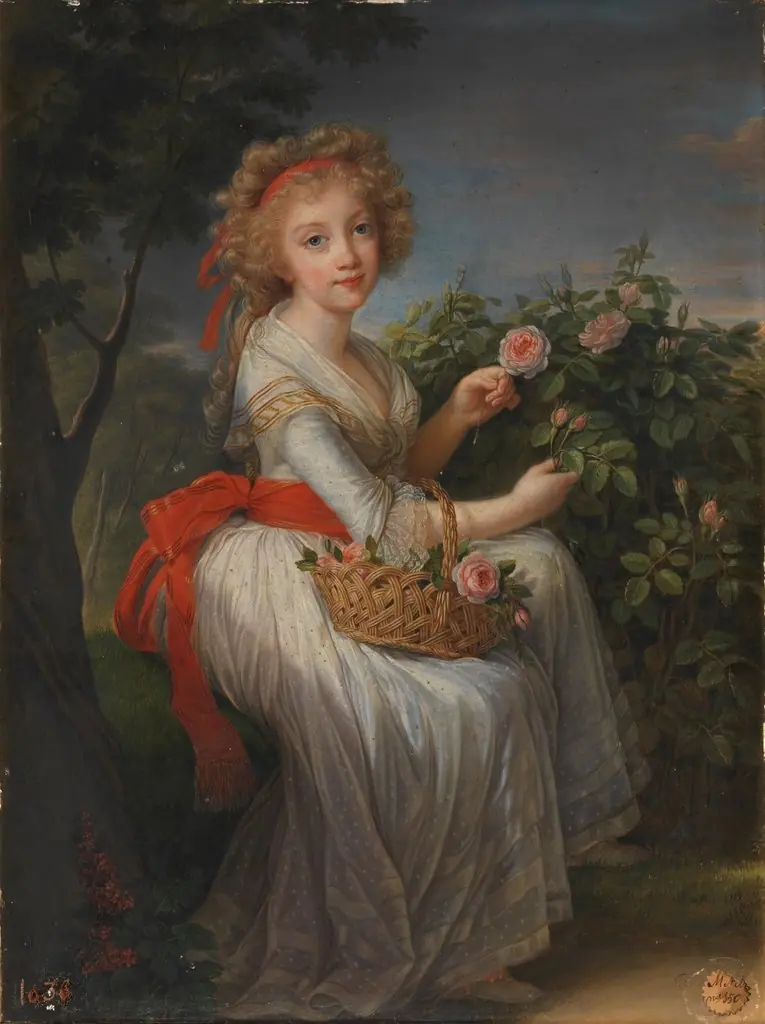 Maria Christina of Naples and Sicily
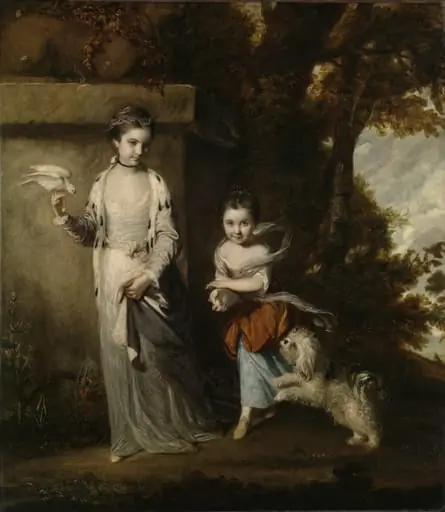 Portrait of the Ladies Amabel and Mary Jemima Yorke
 Mrs. Hugh Morgan and Her Daughter
 Mrs. Hugh Morgan and Her Daughter
 Cropley Ashley-Cooper (Later 6th Earl of Shaftesbury) with His Sister Mary Anne Ashley-Cooper, Later Lady Sturt of Crichel
 Portrait of Manuela Téllez-Girón
 Generalkonsul Johan Christian Pingels døtre i en have