Artwork
Portrait of Colonel Jean-Jacques Gautier and His Wife
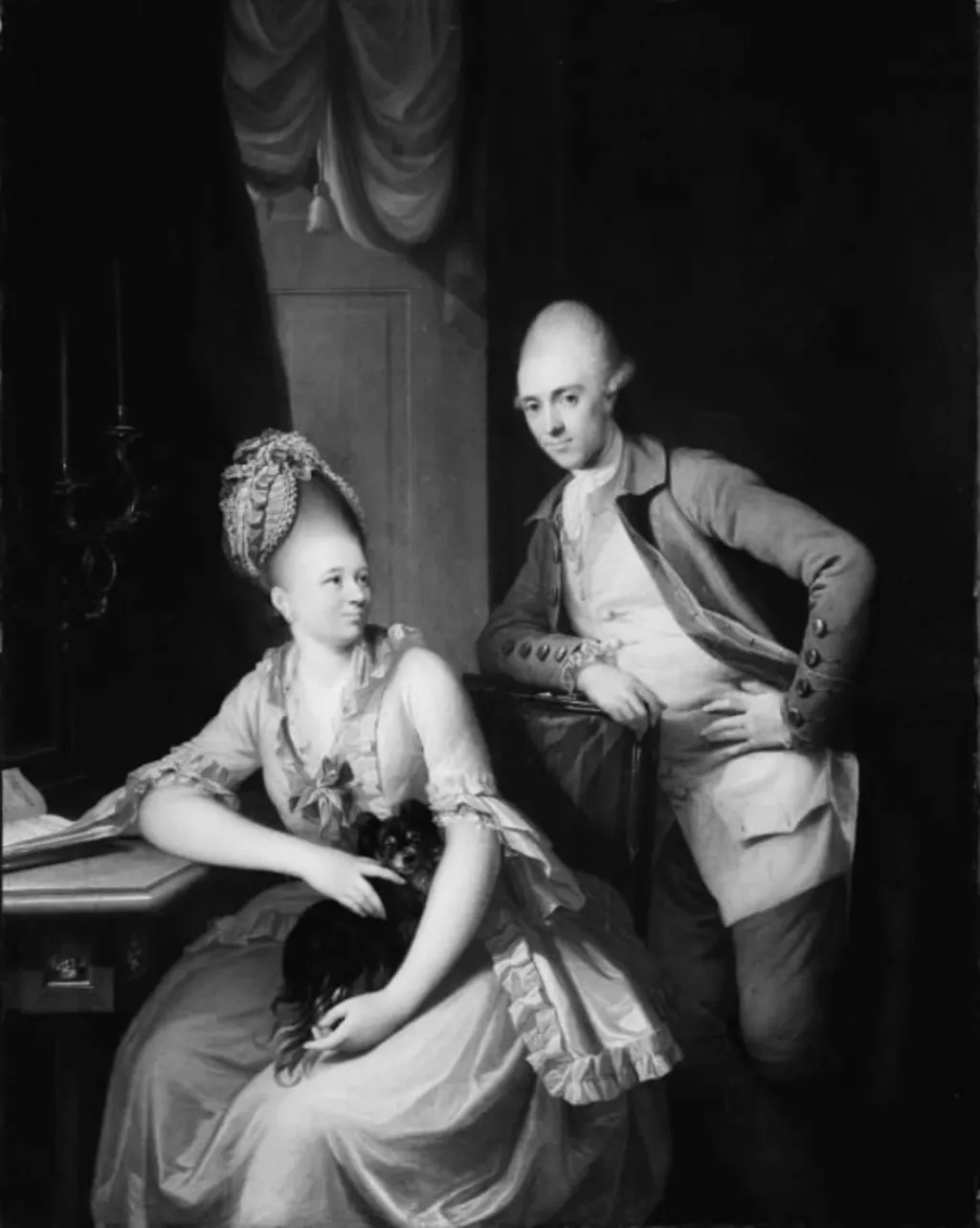
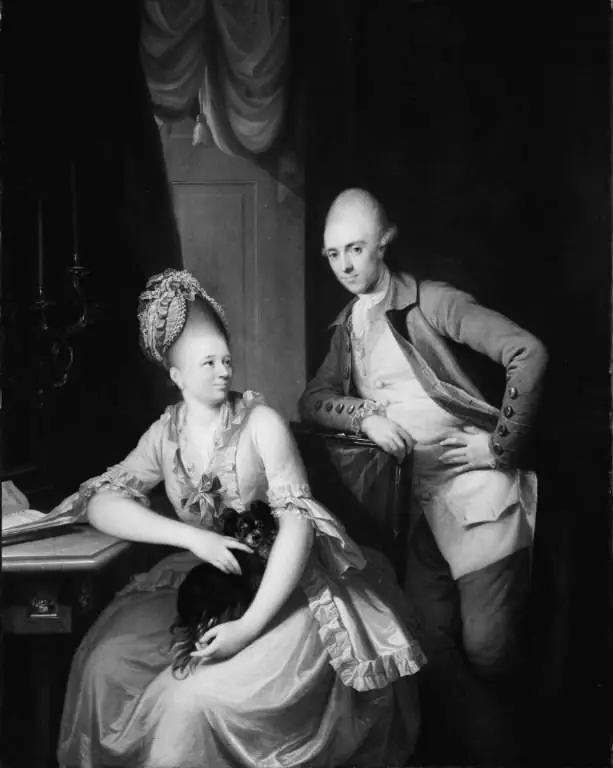
Portrait of Colonel Jean-Jacques Gautier and His Wife is an unspecified painting by Unknown. It dates from 1750 and is held in the collection of the Statens Museum for Kunst. This portrait, dated around 1750, depicts Colonel Jean-Jacques Gautier and his wife in a formal domestic setting.
About this work
Overview
This portrait, dated around 1750, depicts Colonel Jean-Jacques Gautier and his wife in a formal domestic setting. Executed in oil on canvas, it is part of the collection at the Museum of Ethnography. The composition centers on the couple seated side by side, their proximity suggesting intimacy, while their attire and posture reflect the social conventions of mid-18th-century French elite.
Subject & Meaning
The couple is presented as a unit of social standing and domestic harmony.
The couple is presented as a unit of social standing and domestic harmony. The woman’s elaborate hairstyle and delicate dress signify fashion and refinement, while the man’s military coat and the document in his hand imply authority and civic duty. Her hand resting on his leg conveys affection without overt sentimentality, aligning with the restrained emotional language of aristocratic portraiture of the period.
Technique & Style
The painter employs a muted palette with careful attention to fabric textures—ruffles, silk, and wool rendered with subtle tonal shifts. Light falls gently across the figures, defining form without dramatic contrast. The background is simplified: a dark wall and a solitary pillar create depth without distraction, focusing attention on the sitters’ presence and attire.
History & Provenance
The painting entered the Museum of Ethnography’s collection in the late 19th century, likely through a private donation or acquisition from a French estate. Its attribution to the artist remains unverified in public records, though stylistic elements suggest a regional French painter active in the mid-1700s, possibly connected to provincial aristocratic circles.
Context
Created during the Rococo era, the portrait reflects the era’s emphasis on elegance and personal identity within aristocratic life. While grand royal portraits dominated Paris, provincial elites commissioned similar works to assert status. The inclusion of a document hints at the growing importance of literacy and legal identity among the bourgeoisie and minor nobility.
Legacy
Though not widely exhibited, the portrait offers insight into the visual culture of lesser-known French families during the Enlightenment. Its preservation in an ethnographic museum, rather than a fine arts institution, underscores its value as a cultural artifact—capturing social norms, dress, and gendered roles of its time.
Artist & collection

 Domestic Scene
 Giacomo and Cardinal Marco, investing Andrea, Abbot of San Zeno, with his Benefice
 The Nymph of Fontainebleau
 Portrait of a Woman
 Madonna and Child with Saints in the Enclosed Garden
 Venus and Minerva
 Family Group of Four on Sofa
 Wall painting from Room H of the Villa of P. Fannius Synistor at Boscoreale
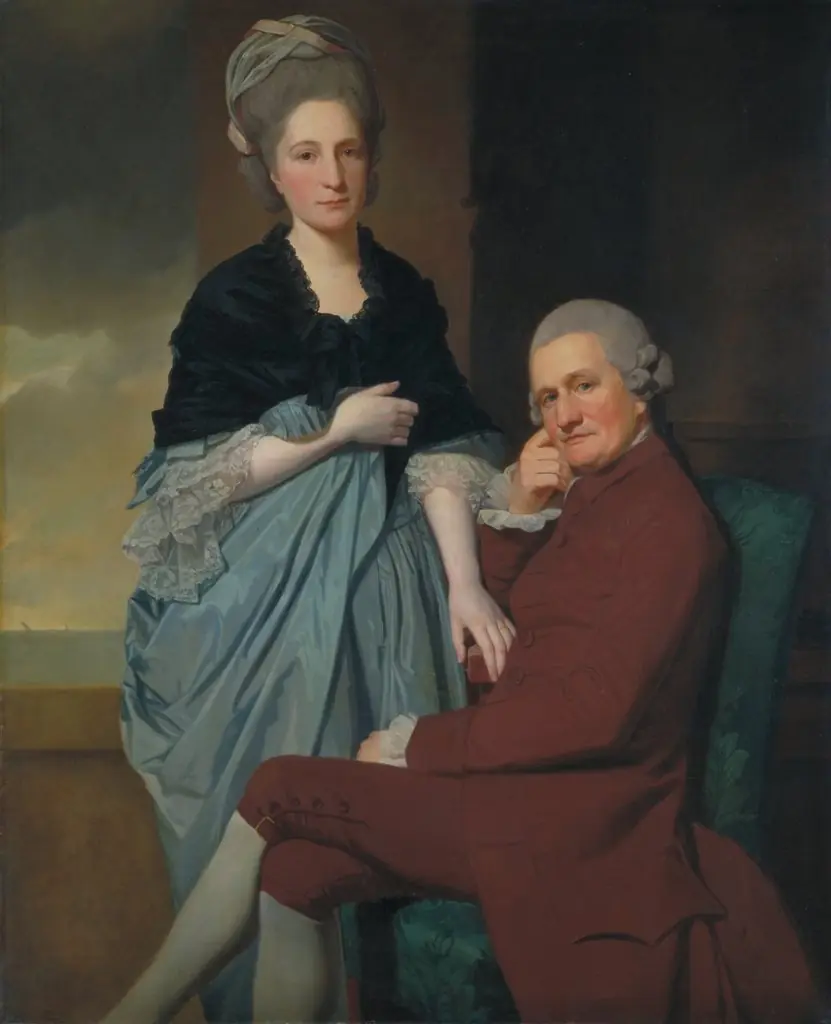 Mr and Mrs William Lindow
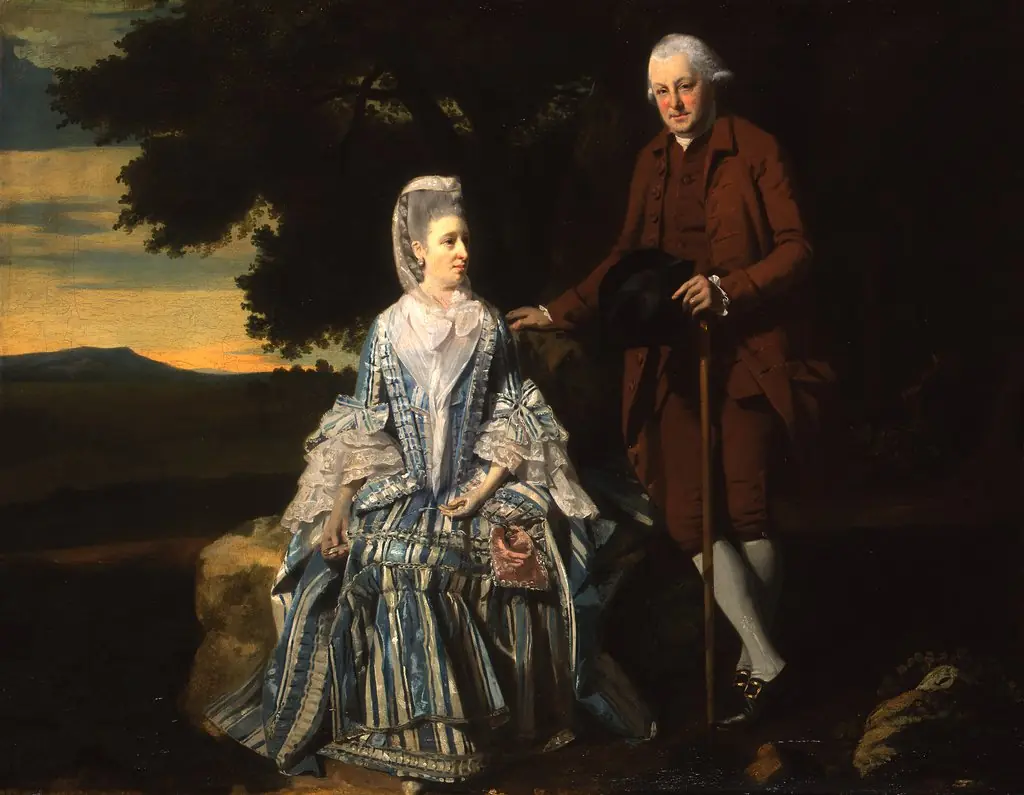 Portrait of a Married Couple in a Park
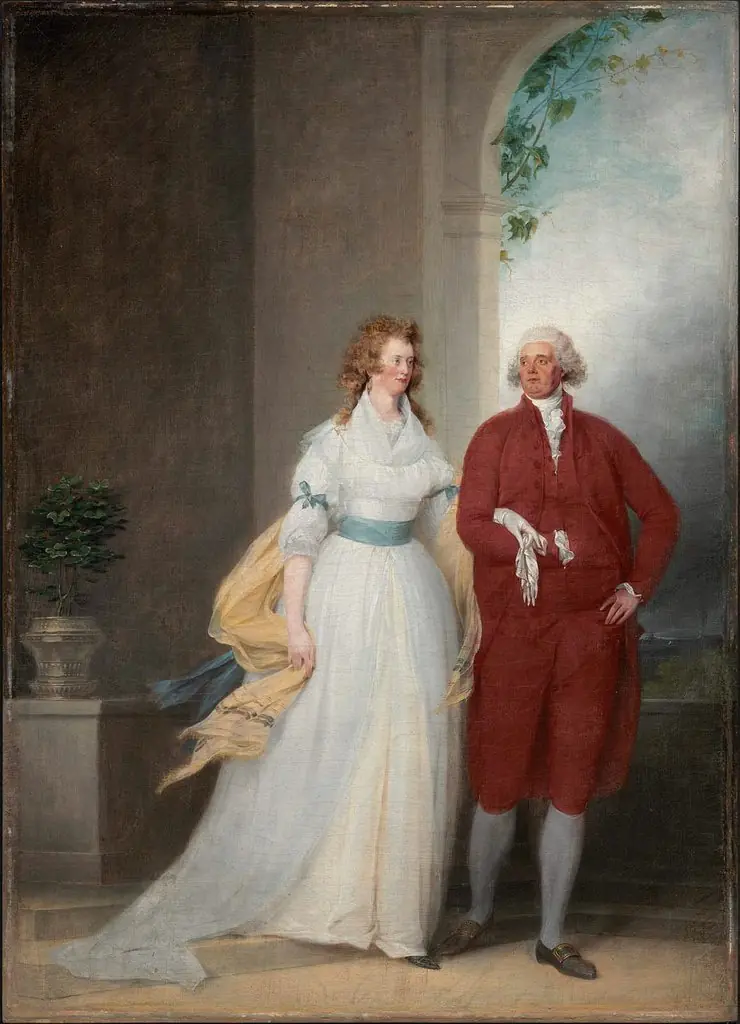 Mr. and Mrs. Thomas Russell
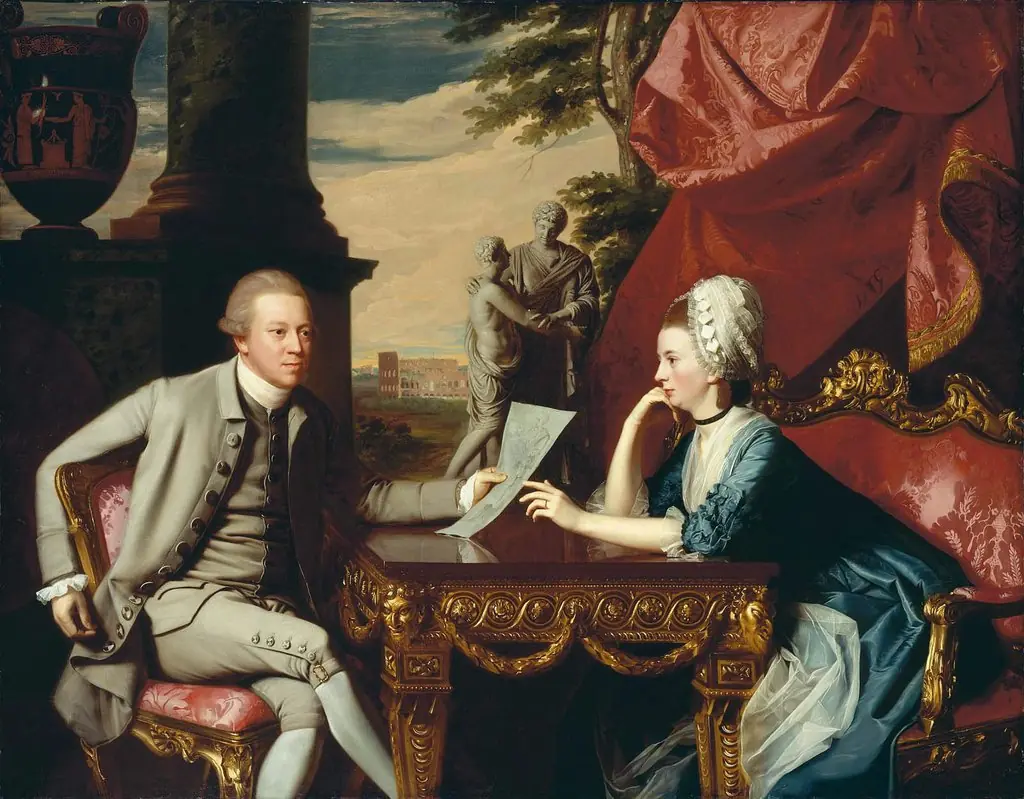 Mr. and Mrs. Ralph Izard (Alice Delancey)
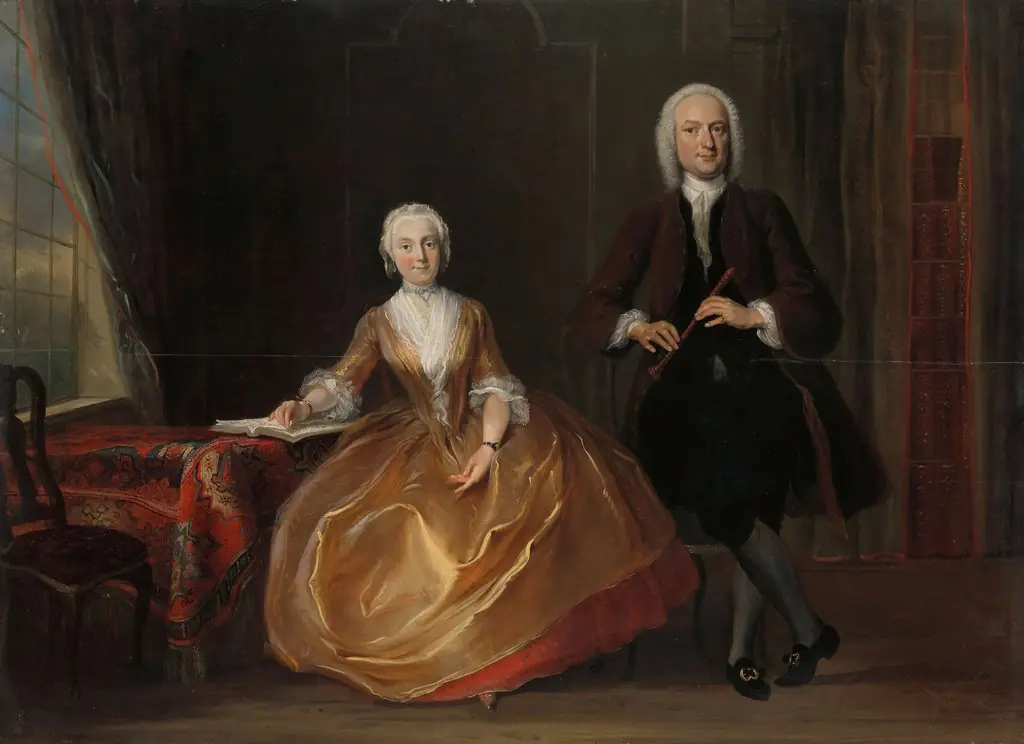 A Couple Making Music
 H Beard Print Collection
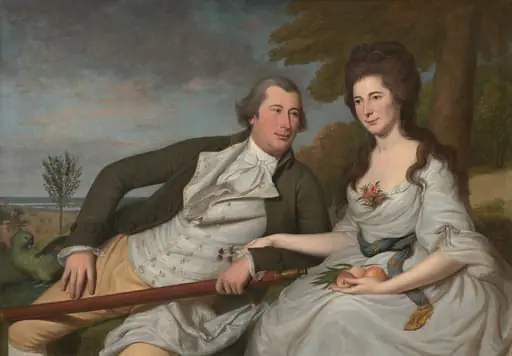 Benjamin and Eleanor Ridgely Laming
 H Beard Print Collection
 The Duet
 The Ely Family
 Count Giacomo Durazzo in the Guise of a Huntsman with His Wife
 Portrait of Colonel Jean-Jacques Gautier and His Wife