Artwork
The Painter Edvard Weie
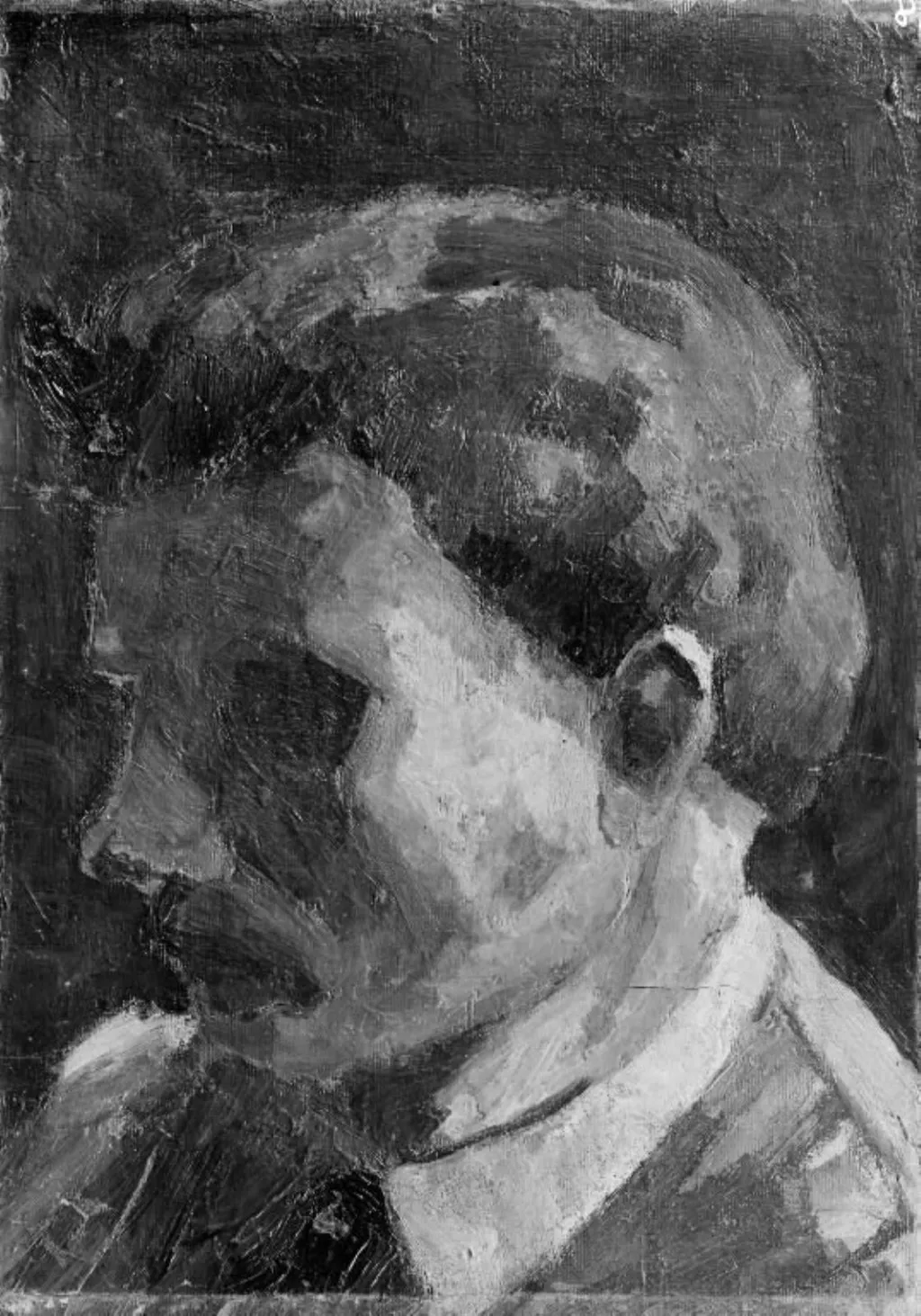
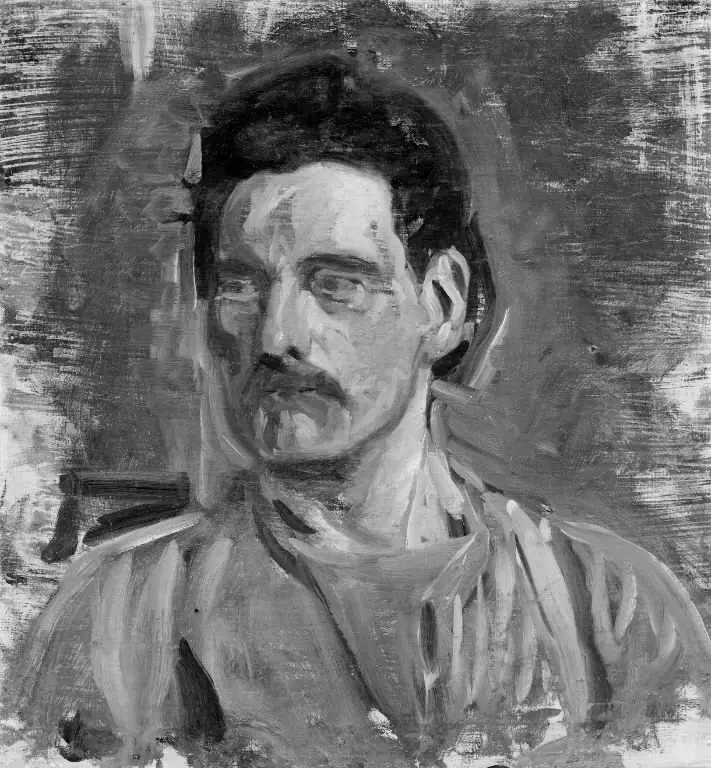
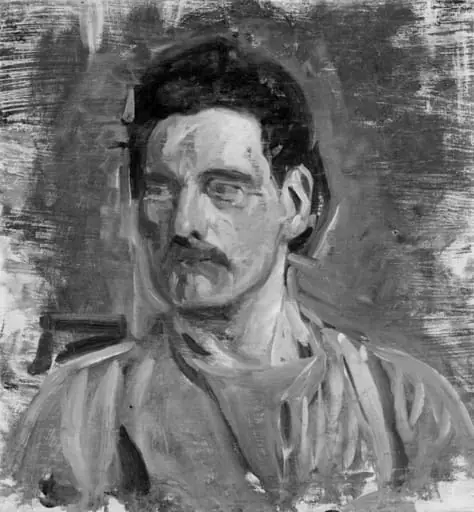
The Painter Edvard Weie is a photography by Unknown. It dates from 1908 and is held in the collection of the Statens Museum for Kunst. This black-and-white photograph, dated 1908, portrays the Danish artist Edvard Weie.
About this work
Overview
The work resides in the Museum of Ethnography, where it functions as a documentary record rather than a commissioned likeness.
This black-and-white photograph, dated 1908, portrays the Danish artist Edvard Weie. Taken by his contemporary, the image captures Weie in a candid moment, his head turned slightly left. The soft focus on his face obscures fine details, distinguishing it from formal portraiture. The high-collared white shirt and neutral expression contribute to an unposed, intimate atmosphere. The work resides in the Museum of Ethnography, where it functions as a documentary record rather than a commissioned likeness.
Subject & Meaning
The subject, Edvard Weie, was a key figure in Danish modernism, known for his landscapes and quiet urban scenes. This image presents him not as a celebrated artist but as a private individual, deliberately rendered with ambiguity. The blurred face invites contemplation rather than identification, suggesting a deliberate rejection of heroic representation. It reflects a broader cultural shift toward introspection and the ordinary in early 20th-century Scandinavian art.
Technique & Style
The photograph employs a shallow depth of field and slow exposure, resulting in a gentle blur across the face while leaving the shirt and background relatively sharp. The monochrome palette enhances the image’s quietude, avoiding distraction from texture and form. The composition is asymmetrical, with Weie positioned off-center, reinforcing its informal, snapshot-like quality. These choices align with emerging photographic practices that valued spontaneity over staged perfection.
History & Provenance
Created in 1908, the photograph was likely made by a peer within Weie’s artistic circle, possibly during a gathering or studio visit. It entered the collection of the Museum of Ethnography in the mid-20th century, where it was cataloged as part of a broader effort to document cultural figures beyond traditional art institutions. Its preservation reflects an interest in the everyday lives of artists, not merely their finished works.
Context
In early 1900s Denmark, photography was increasingly used by artists to explore identity and perception. Weie’s circle, including painters and writers, often favored informal imagery over academic portraiture. This image aligns with a broader Nordic trend of valuing authenticity and emotional restraint. It contrasts with the grandeur of contemporary royal or celebrity portraits, instead emphasizing the quiet presence of the creative individual.
Legacy
The photograph remains a quiet testament to Weie’s role within Denmark’s modernist movement. Its deliberate ambiguity has influenced later interpretations of artist portraiture, emphasizing mood over likeness. While not widely reproduced, it is referenced in scholarly studies of Nordic visual culture as an example of how photography captured the ethos of artistic communities beyond the canvas.
Artist & collection

 Domestic Scene
 Giacomo and Cardinal Marco, investing Andrea, Abbot of San Zeno, with his Benefice
 The Nymph of Fontainebleau
 Portrait of a Woman
 Madonna and Child with Saints in the Enclosed Garden
 Venus and Minerva
 Family Group of Four on Sofa
 Wall painting from Room H of the Villa of P. Fannius Synistor at Boscoreale