Artwork
The Garden Gate of the Artist's Home at Blegdammen
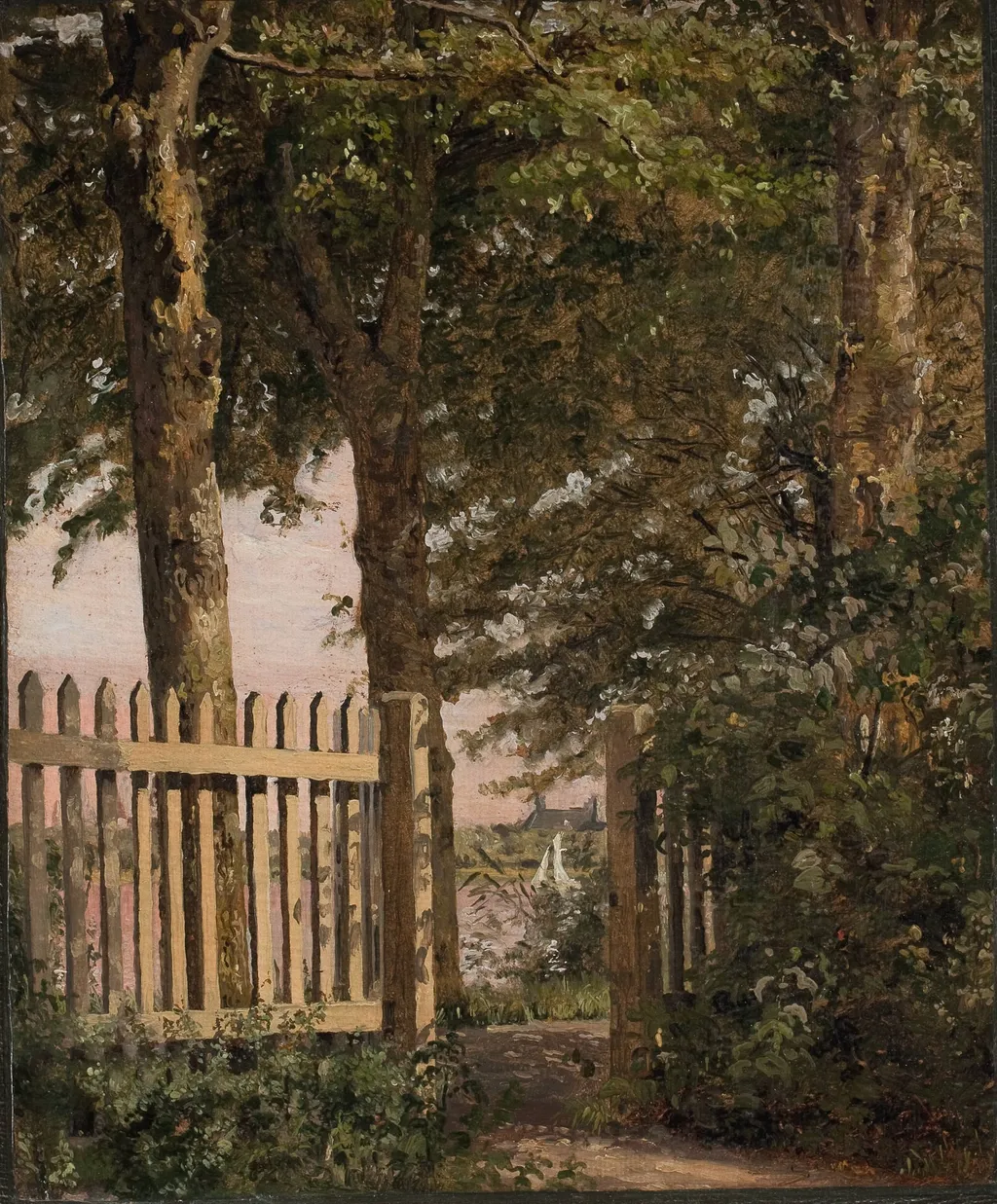
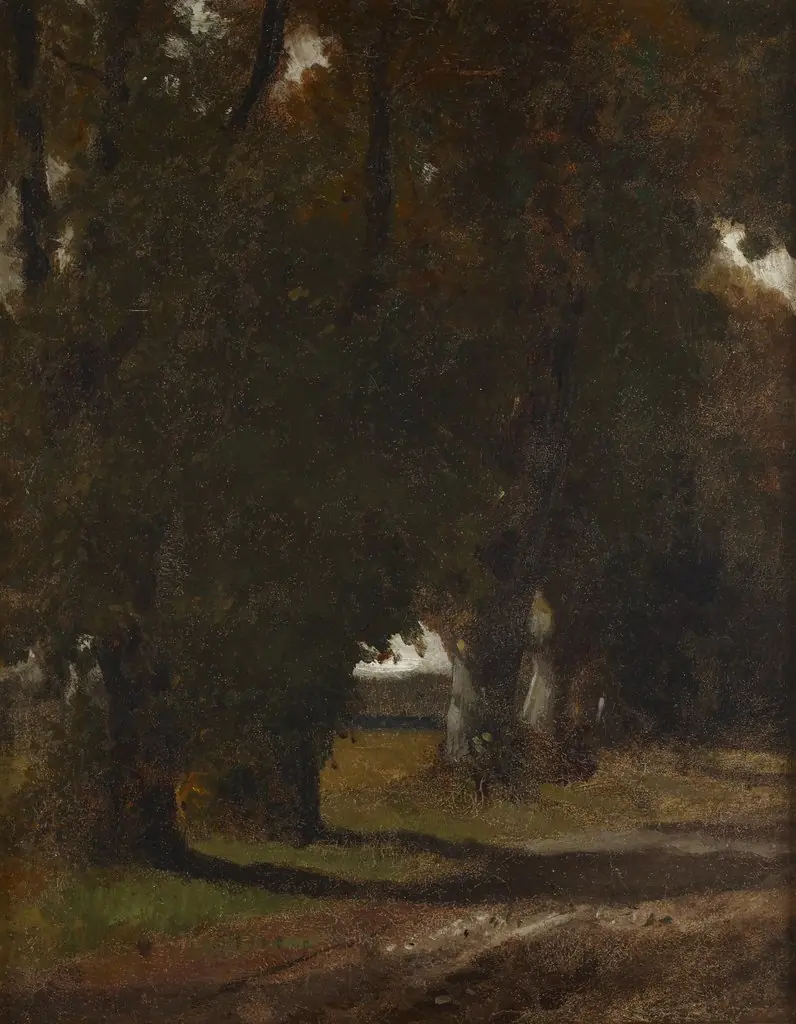
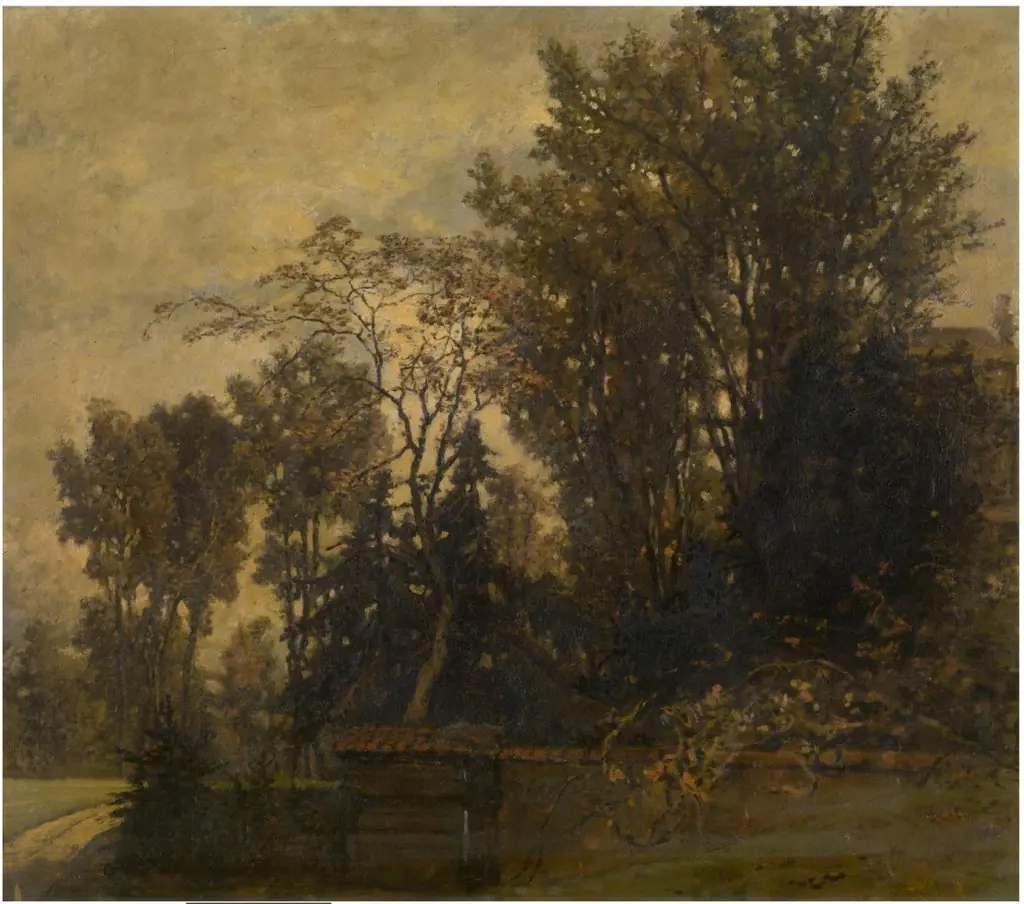
The Garden Gate of the Artist's Home at Blegdammen is a photography by Unknown. It dates from 1850 and is held in the collection of the Statens Museum for Kunst. This image depicts a wooden garden gate at the artist’s residence in Blegdammen, dated around 1850.
About this work
Overview
The gate, partially obscured by dense vegetation, serves as a threshold between the cultivated domestic space and the wilder garden beyond.
This image depicts a wooden garden gate at the artist’s residence in Blegdammen, dated around 1850. The gate, partially obscured by dense vegetation, serves as a threshold between the cultivated domestic space and the wilder garden beyond. The composition captures a moment of stillness, emphasizing the quiet integration of architecture and nature. The work is preserved in the Museum of Ethnography, though its original purpose as an artistic study remains unclear.
Subject & Meaning
The gate functions as both a physical barrier and a symbolic passage, suggesting a boundary between private life and the natural world. The overgrown vines and filtered sunlight imply a space left to time and neglect, evoking introspection rather than grandeur. The glimpse of the home beyond the trees hints at domestic solitude, reinforcing a theme of retreat from public view. The scene resists narrative, favoring atmosphere over event.
Technique & Style
Rendered with careful attention to texture and light, the image emphasizes the tactile qualities of weathered wood and tangled foliage. The play of dappled sunlight suggests an awareness of tonal contrast, though the medium lacks the dramatic chiaroscuro of painting. The framing is deliberate, using the gate’s slats to structure the view and direct the eye inward. The style leans toward observational realism, unembellished and quiet.
History & Provenance
The work was created circa 1850 at the artist’s home in Blegdammen, a residential area near Copenhagen. It entered the collection of the Museum of Ethnography, likely through donation or acquisition in the late 19th century. Its classification as an image rather than a painting suggests it may have originated as a photographic study or sketch, though its exact production method is undocumented.
Context
In mid-19th century Denmark, interest in domestic and natural landscapes was growing among artists and amateurs. This image aligns with a broader trend of recording intimate, everyday environments rather than grand vistas. The focus on a humble gate and overgrown garden reflects a shift toward personal, contemplative subjects, paralleling literary and philosophical movements that valued solitude and nature’s quiet rhythms.
Legacy
Though not widely exhibited or reproduced, the image contributes to a lesser-known body of work documenting private Danish domestic life in the 1800s. Its preservation in an ethnographic collection underscores its value as a cultural artifact rather than a fine art object. It remains a quiet testament to the aesthetic of the ordinary, influencing later studies of home and landscape in Nordic visual culture.
Artist & collection

 Domestic Scene
 Giacomo and Cardinal Marco, investing Andrea, Abbot of San Zeno, with his Benefice
 The Nymph of Fontainebleau
 Portrait of a Woman
 Madonna and Child with Saints in the Enclosed Garden
 Venus and Minerva
 Family Group of Four on Sofa
 Wall painting from Room H of the Villa of P. Fannius Synistor at Boscoreale