Artwork
View near Ørkesholm, Zealand
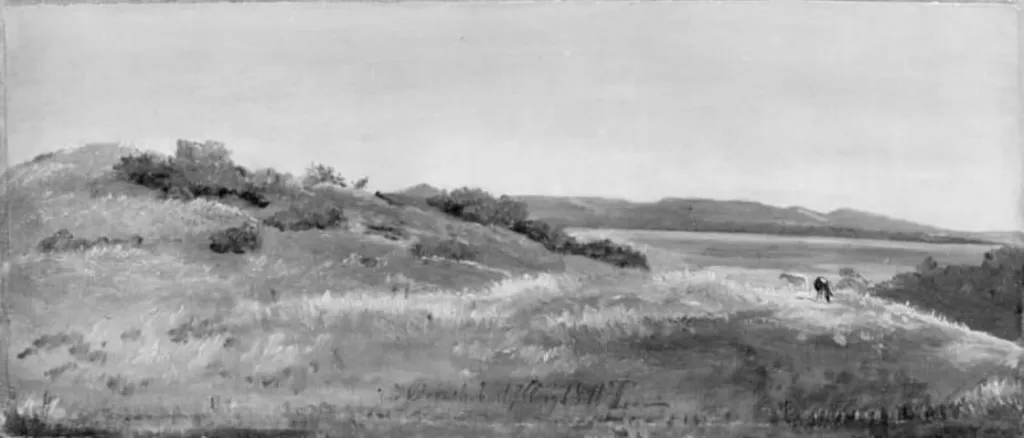
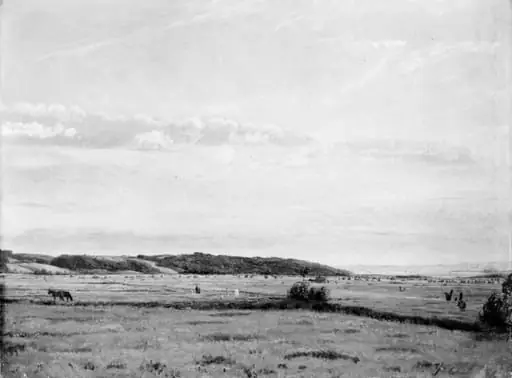
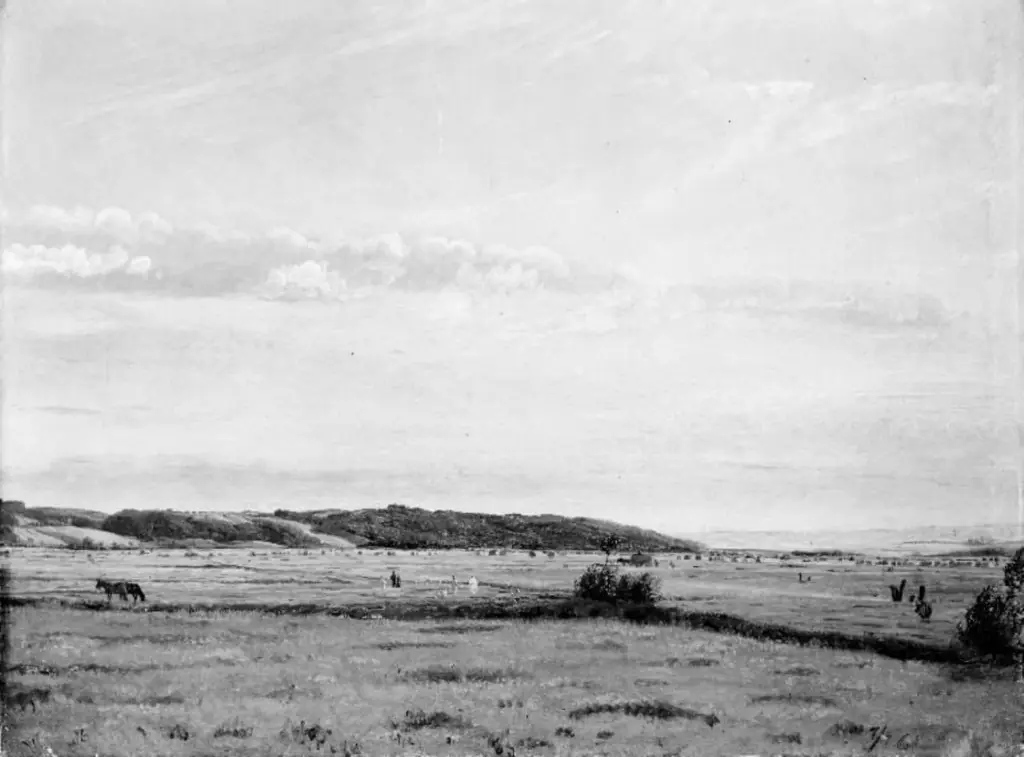
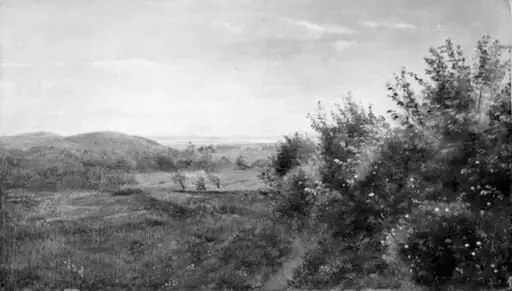
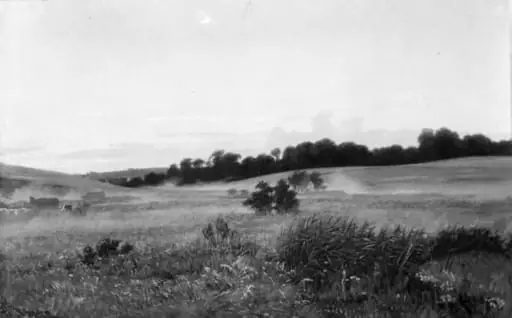
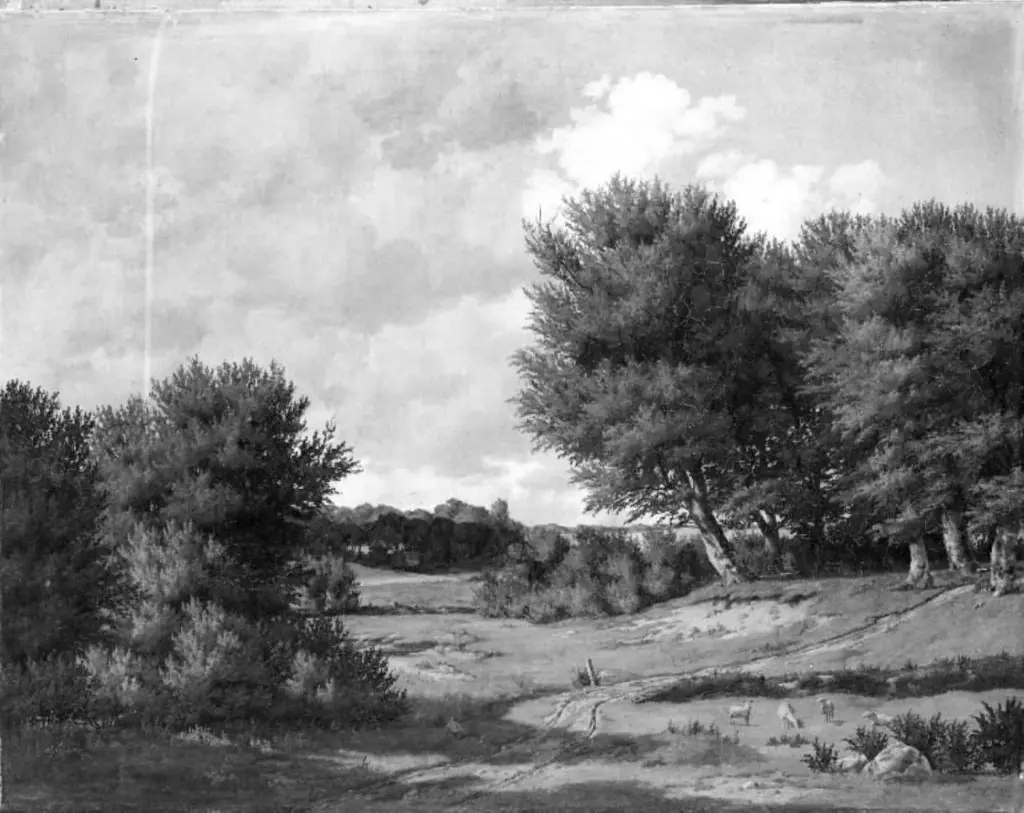
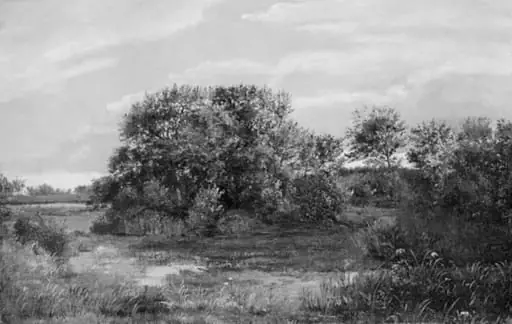
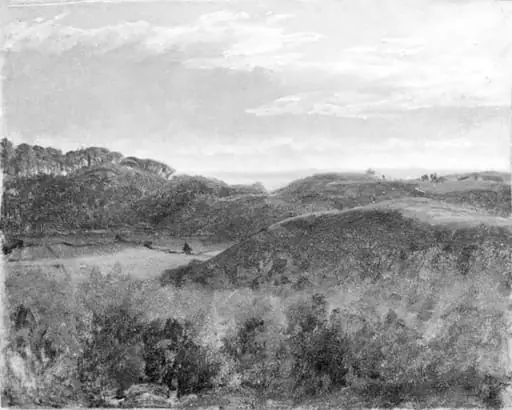
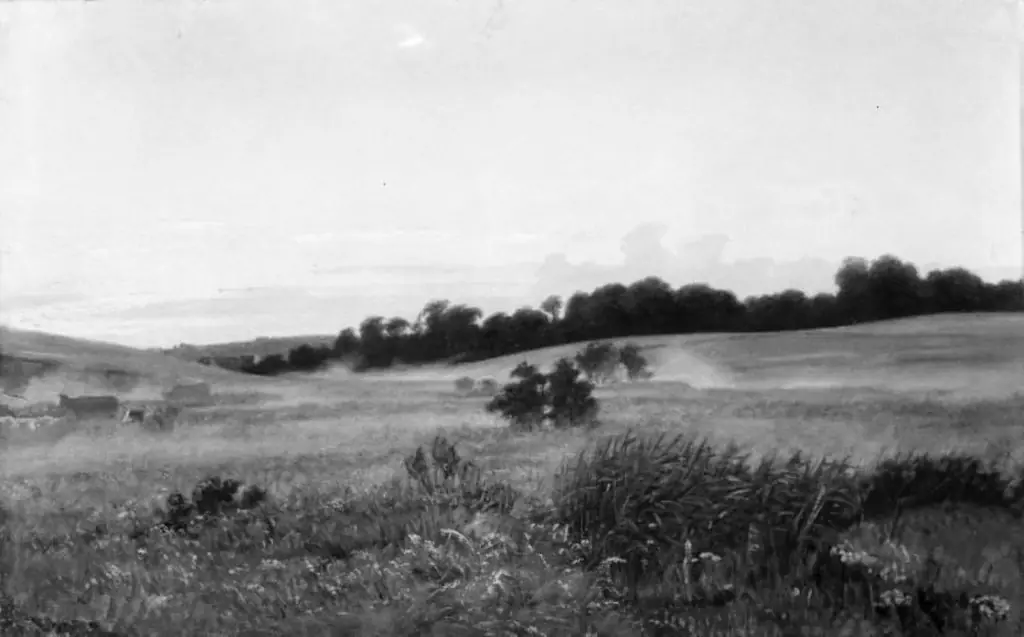
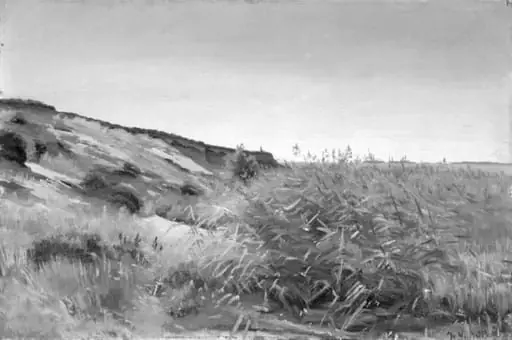
View near Ørkesholm, Zealand is a photography by the Romanticist artist Unknown. It dates from 1841 and is held in the collection of the Statens Museum for Kunst. Painted in 1841, this landscape depicts the countryside near Ørkesholm on the Danish island of Zealand.
About this work
Overview
Painted in 1841, this landscape depicts the countryside near Ørkesholm on the Danish island of Zealand. The work is attributed to an artist associated with the Danish Golden Age, though the specific creator remains unconfirmed in available records. It is currently held in the collection of the Museum of Ethnography, where it is preserved as an example of 19th-century Nordic naturalism.
Subject & Meaning
The scene presents a quiet, unpopulated stretch of rural Denmark, emphasizing the gentle contours of the land and the subtle interplay of light and atmosphere.
The scene presents a quiet, unpopulated stretch of rural Denmark, emphasizing the gentle contours of the land and the subtle interplay of light and atmosphere. There is no human presence, and the composition avoids dramatic elements, instead conveying a sense of stillness and quiet reverence for the natural world. This reflects a broader cultural interest in Denmark’s domestic landscapes during the mid-19th century.
Technique & Style
The artist employs soft, blended brushwork to render the sky and rolling terrain, with muted tones dominating the palette. Variations in green hues in the foreground grass suggest depth and texture without sharp definition. The lack of strong contrasts and the absence of detailed foliage point to a restrained, observational approach, aligned with the quiet realism of Danish landscape painting of the period.
History & Provenance
The painting entered the Museum of Ethnography’s collection in the late 19th or early 20th century, likely as part of a broader effort to document Danish cultural and environmental heritage. Its attribution remains tentative due to limited documentation from the time of creation. It has not been widely exhibited outside institutional contexts, preserving its role as a scholarly rather than public artifact.
Context
Created during Denmark’s Golden Age, the work aligns with a national movement to celebrate local scenery and rural life, distinct from the grandeur sought in European Romanticism. While sharing some atmospheric qualities with Romantic landscapes, this piece avoids idealization, favoring modest, everyday views. It reflects a growing Danish identity rooted in its own topography and quiet natural beauty.
Legacy
Though not widely known outside Denmark, the painting contributes to the understanding of how Nordic artists approached landscape as a subject of contemplation rather than spectacle. It represents a quiet strand of 19th-century art that valued observation over drama, influencing later generations of Danish painters who continued to explore the emotional resonance of ordinary terrain.
Artist & collection

 Domestic Scene
 Giacomo and Cardinal Marco, investing Andrea, Abbot of San Zeno, with his Benefice
 The Nymph of Fontainebleau
 Portrait of a Woman
 Madonna and Child with Saints in the Enclosed Garden
 Venus and Minerva
 Family Group of Four on Sofa
 Wall painting from Room H of the Villa of P. Fannius Synistor at Boscoreale