Artwork
Leonora Christina in Blåtårn
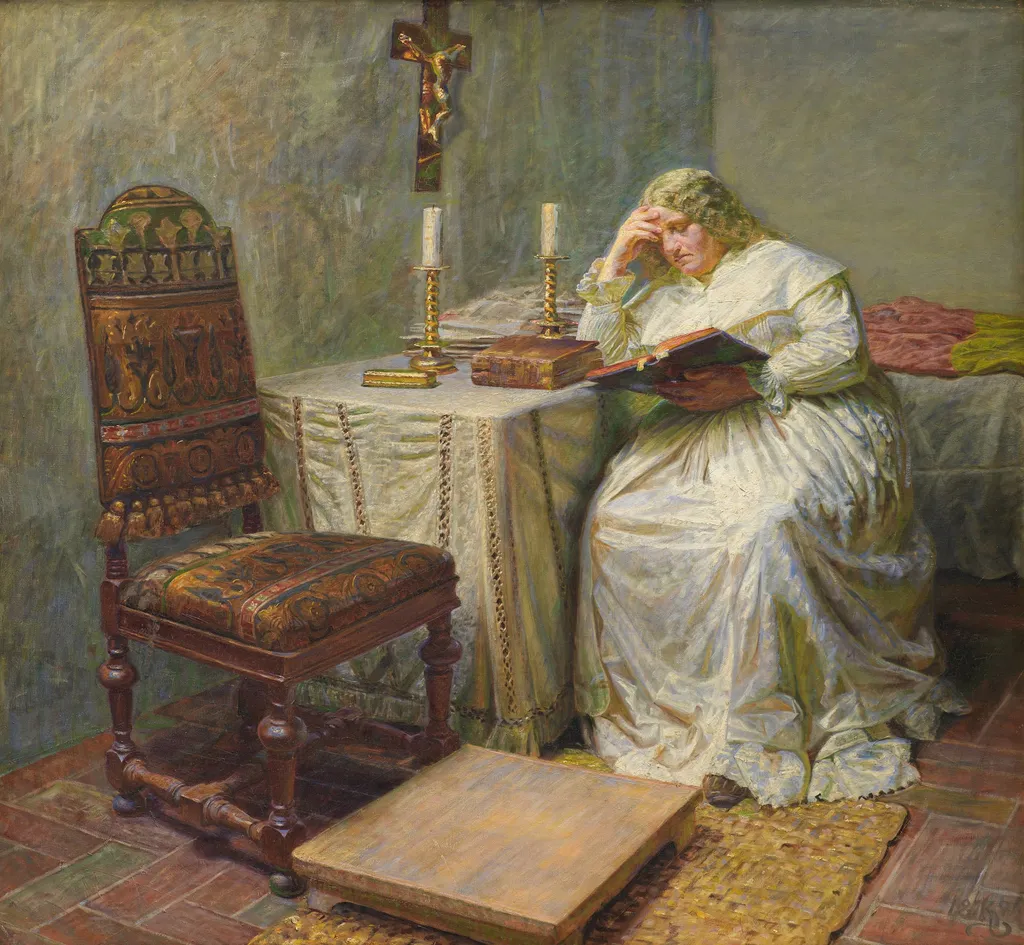
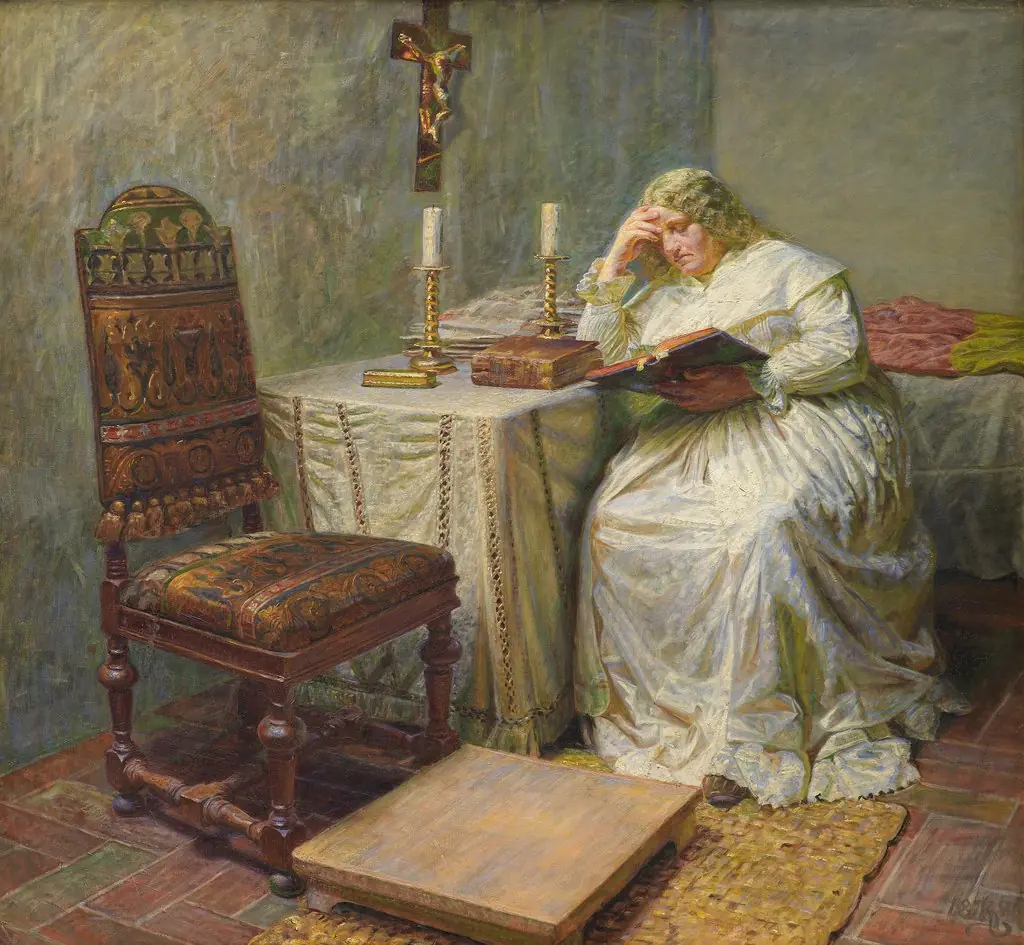
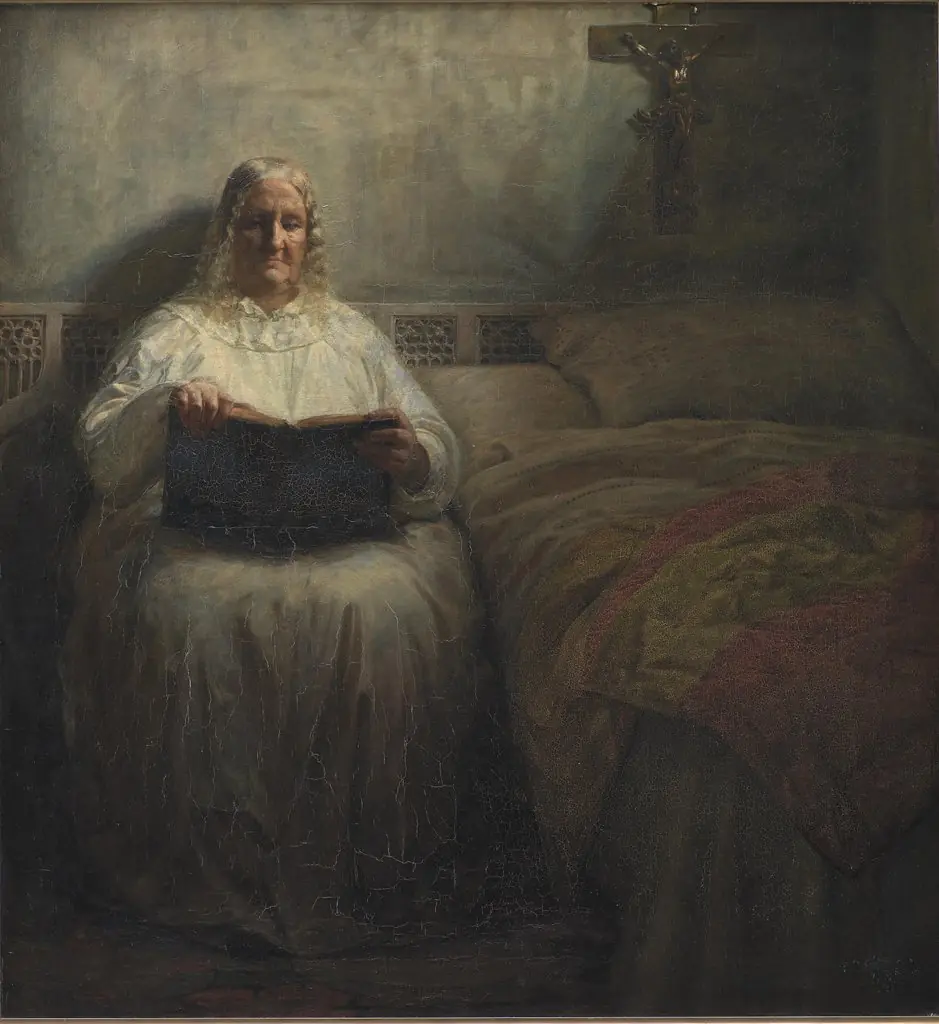
Leonora Christina in Blåtårn is a photography by the Impressionist artist Unknown. It dates from 1891 and is held in the collection of the Statens Museum for Kunst. Painted in 1891, this work portrays Leonora Christina Ulfeldt during her imprisonment in the Blue Tower of Copenhagen.
About this work
Overview
The painting is part of the Museum of Ethnography’s collection, where it is preserved as a representation of historical resilience through personal reflection.
Painted in 1891, this work portrays Leonora Christina Ulfeldt during her imprisonment in the Blue Tower of Copenhagen. The artist captures a solitary moment of intellectual endurance, focusing on her quiet presence amid the austere surroundings of her confinement. The painting is part of the Museum of Ethnography’s collection, where it is preserved as a representation of historical resilience through personal reflection.
Subject & Meaning
Leonora Christina, a Danish noblewoman imprisoned for political reasons, is shown engaged with a book — a symbol of intellectual resistance and inner freedom. Her hand resting on her forehead suggests deep concentration or weary contemplation. The crucifix and candle imply spiritual solace, while the book becomes an act of defiance against isolation. The scene conveys dignity sustained through thought amid physical restraint.
Technique & Style
The composition employs soft, muted tones and careful attention to light falling across the white dress and tablecloth. Brushwork is deliberate but not overly detailed, favoring atmospheric effect over realism. The green walls and red tiles create a restrained chromatic contrast, enhancing the sense of enclosure. While the rendering shows influence from 19th-century naturalism, it avoids the loose brushwork typical of Impressionism, instead favoring quiet precision.
History & Provenance
The painting was completed in 1891 and entered the collection of the Museum of Ethnography shortly thereafter. It was likely commissioned or acquired as part of a broader interest in historical female figures and their narratives of endurance. Its placement in an ethnographic context reflects late 19th-century efforts to frame personal histories as cultural artifacts, linking individual experience to collective memory.
Context
Leonora Christina’s imprisonment in the Blue Tower lasted nearly two decades in the 17th century, a period during which she wrote memoirs that later became significant historical texts. The 1891 painting emerged during a time of renewed interest in Denmark’s past, particularly in women’s roles and political repression. This work aligns with broader cultural movements seeking to reclaim and honor marginalized historical voices through visual representation.
Legacy
The painting continues to serve as a visual reference for Leonora Christina’s legacy, reinforcing her image as a figure of intellectual fortitude. It has been reproduced in scholarly works on Danish history and gender studies, contributing to the ongoing recognition of women’s resilience in confined or silenced circumstances. Its quiet composition ensures its enduring resonance beyond its immediate historical moment.
Artist & collection

 Domestic Scene
 Giacomo and Cardinal Marco, investing Andrea, Abbot of San Zeno, with his Benefice
 The Nymph of Fontainebleau
 Portrait of a Woman
 Madonna and Child with Saints in the Enclosed Garden
 Venus and Minerva
 Family Group of Four on Sofa
 Wall painting from Room H of the Villa of P. Fannius Synistor at Boscoreale