Artwork
Bovbjerg ved solnedgang. Efterår
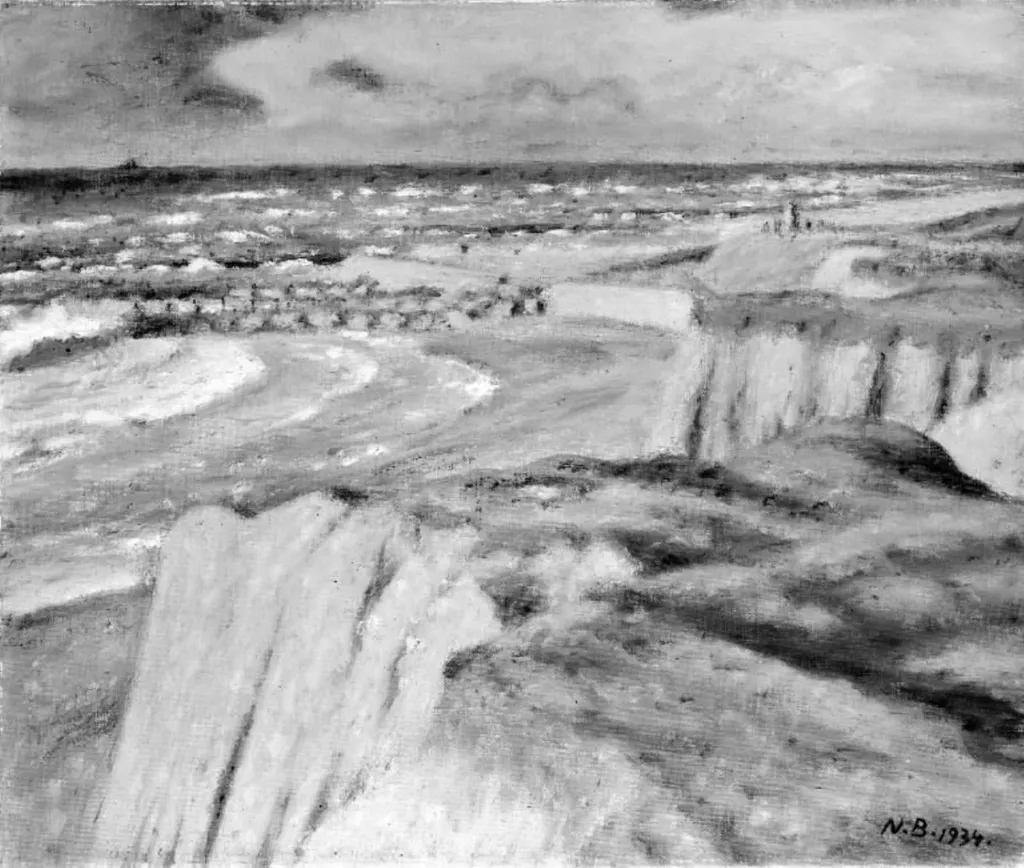
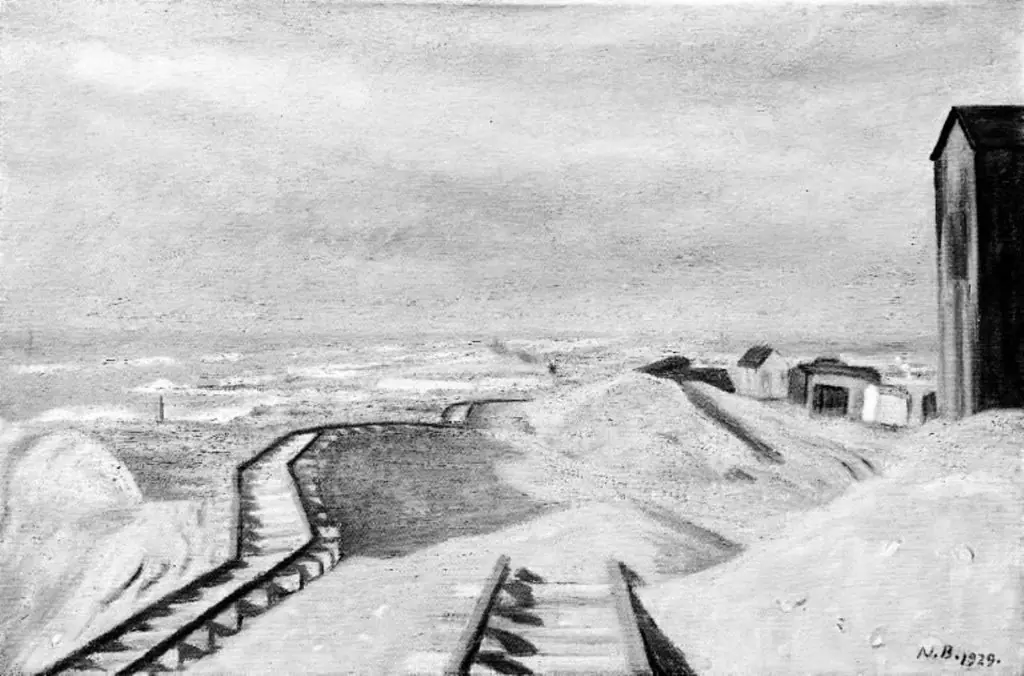
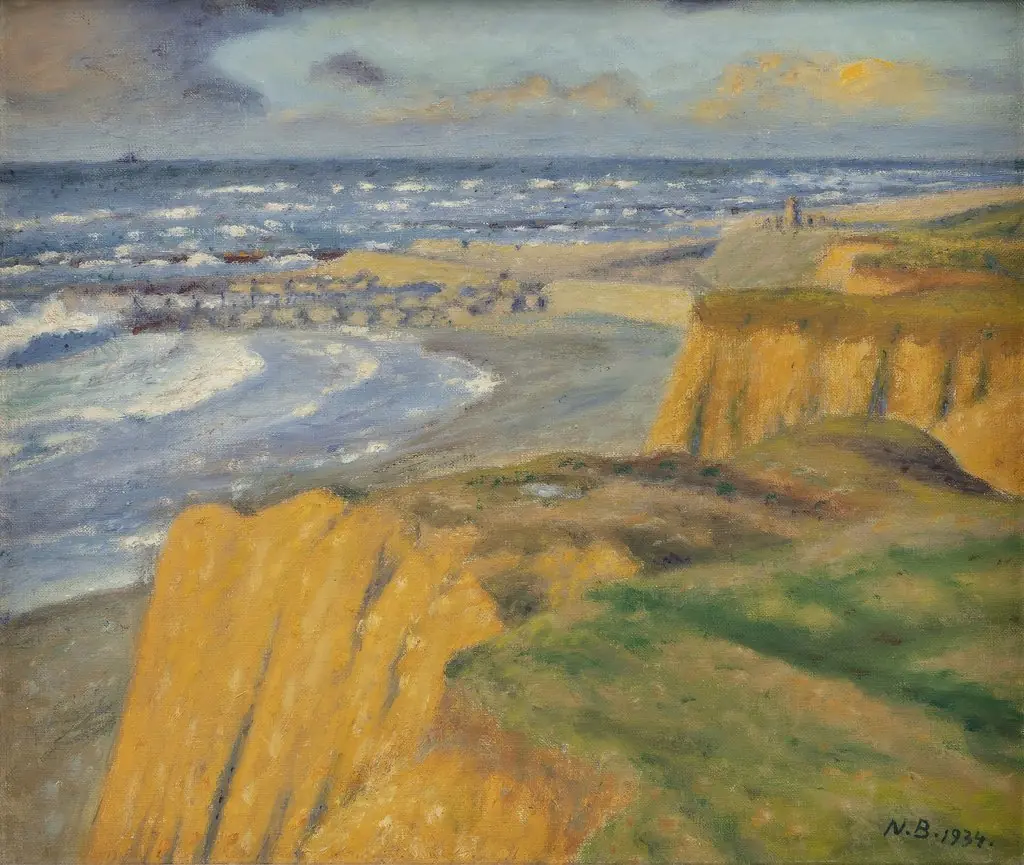
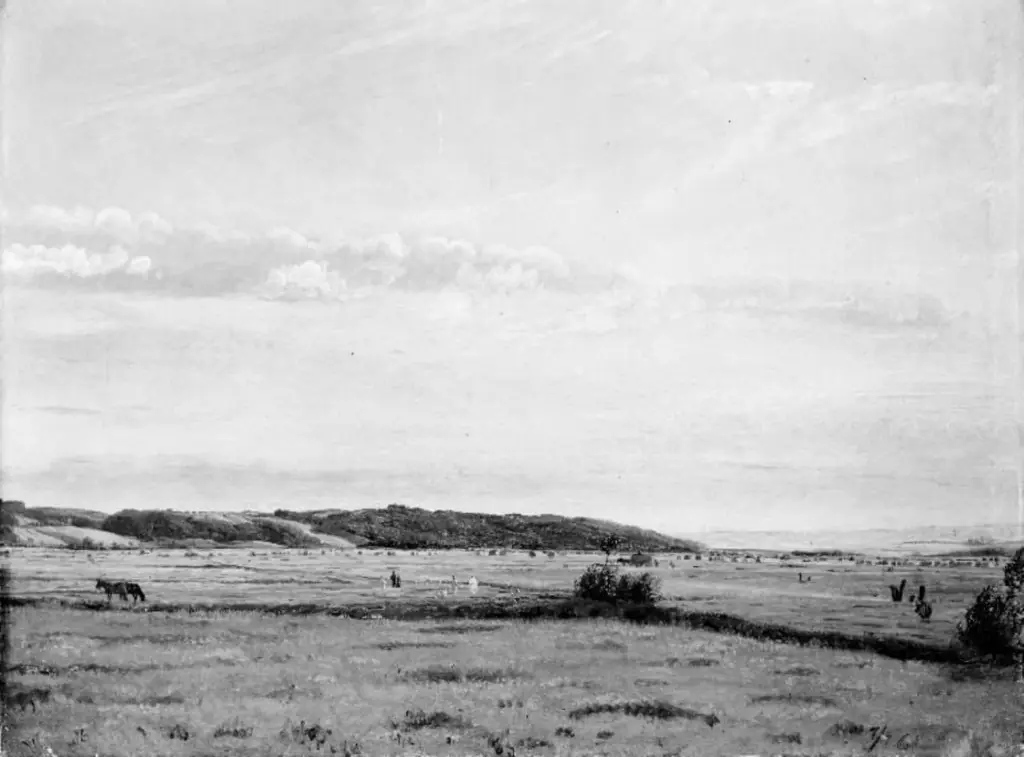
Bovbjerg ved solnedgang. Efterår is a photography by Unknown. It dates from 1934 and is held in the collection of the Statens Museum for Kunst. Created in 1934, this black-and-white image captures a quiet coastal scene at Bovbjerg during autumn dusk.
About this work
Overview
Created in 1934, this black-and-white image captures a quiet coastal scene at Bovbjerg during autumn dusk.
Created in 1934, this black-and-white image captures a quiet coastal scene at Bovbjerg during autumn dusk. Executed with thick, tactile brushwork, it conveys the stillness of a fading day. The work is part of the Museum of Ethnography’s collection, where it is preserved as a representative example of early 20th-century Danish landscape expression, emphasizing atmosphere over detailed representation.
Subject & Meaning
The scene depicts a tranquil shoreline at twilight, with minimal detail suggesting distant rocks or vessels. The absence of human figures and the muted tones evoke solitude and the quiet passage of time. Rather than documenting a specific location, the image conveys a mood—autumn’s decline mirrored in the receding light and gentle tide, inviting contemplation rather than narrative.
Technique & Style
The artist employed impasto to build texture across the surface, mimicking the grain of sand and the movement of water. Brushstrokes are deliberate and heavy, creating a tactile quality that contrasts with the soft, diffused light. The monochrome palette enhances the emotional tone, relying on value shifts rather than color to define form and depth, aligning with a restrained, introspective aesthetic.
History & Provenance
The work entered the Museum of Ethnography’s holdings shortly after its creation, likely through direct acquisition or donation. Its inclusion in a museum focused on cultural artifacts rather than fine art suggests an interest in its ethnographic resonance—how landscape reflects human experience of nature. No public records detail its exhibition history prior to its current placement.
Context
Made during a period when Danish artists increasingly turned to naturalism and emotional landscape, this piece aligns with broader trends of introspective realism. While not part of a known movement, its emphasis on mood and materiality reflects influences from Nordic Symbolism and early modernist experimentation with texture, distancing itself from academic conventions of the time.
Legacy
Though not widely reproduced or studied, the work remains a quiet example of how Danish artists used landscape to explore emotional and sensory experience. Its preservation in an ethnographic context underscores its role as a cultural artifact—evidence of how ordinary places were imbued with personal and collective resonance in early 20th-century Denmark.
Artist & collection

 Domestic Scene
 Giacomo and Cardinal Marco, investing Andrea, Abbot of San Zeno, with his Benefice
 The Nymph of Fontainebleau
 Portrait of a Woman
 Madonna and Child with Saints in the Enclosed Garden
 Venus and Minerva
 Family Group of Four on Sofa
 Wall painting from Room H of the Villa of P. Fannius Synistor at Boscoreale