Artwork
Portrait of a Lady
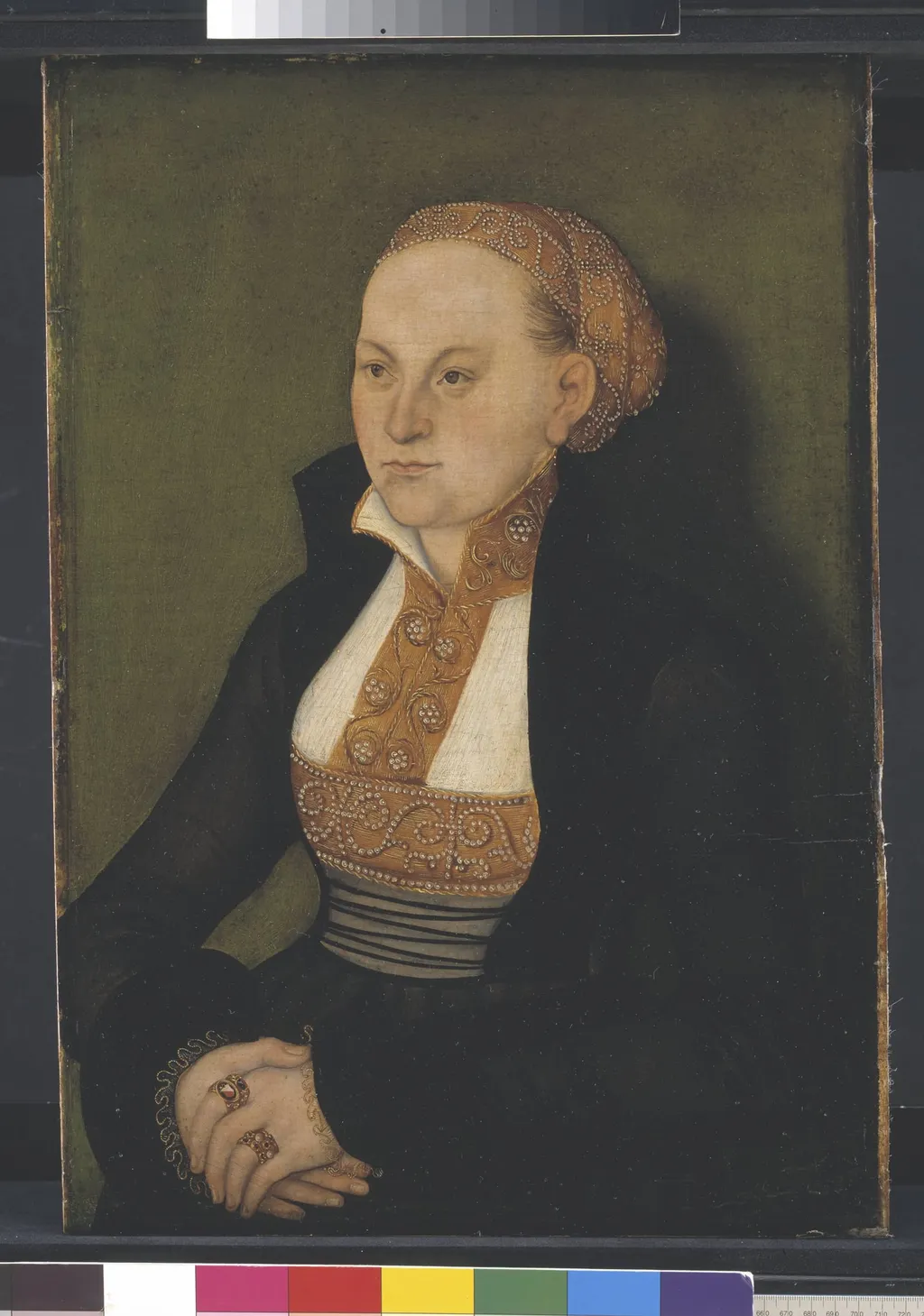
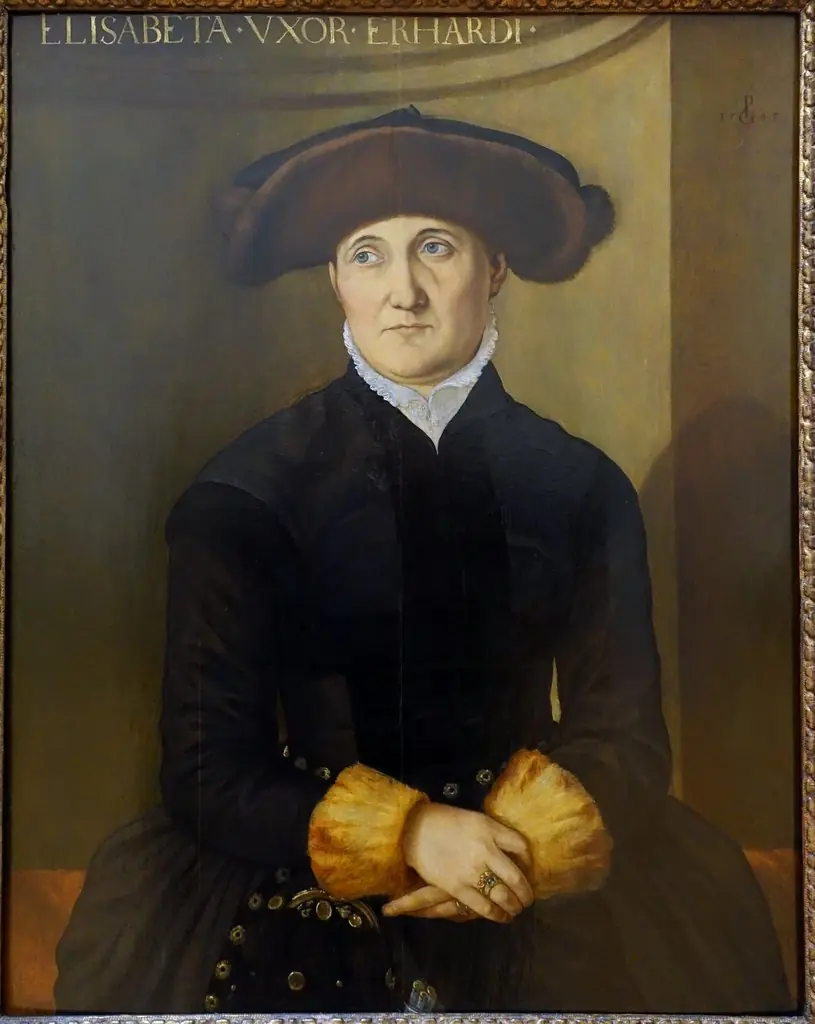
Portrait of a Lady is an unspecified painting by Unknown. It dates from 1533 and is held in the collection of the Statens Museum for Kunst. This portrait, dated around 1533, depicts a woman from the waist up against a muted green background.
About this work
Overview
The work is attributed to an artist active in the late Renaissance, though the painter’s identity remains unconfirmed.
This portrait, dated around 1533, depicts a woman from the waist up against a muted green background. Executed in oil, it presents a composed, frontal view with careful attention to textile detail and facial expression. The work is attributed to an artist active in the late Renaissance, though the painter’s identity remains unconfirmed. It resides in the Museum of Ethnography, where it is cataloged as part of a collection of early modern portraiture.
Subject & Meaning
The sitter is dressed in modest yet refined attire, suggesting upper-middle-class status. Her dark dress, high collar, and white undergarment reflect contemporary Northern European fashion, while the patterned head covering implies cultural or marital identity. Multiple rings on her fingers may signify wealth or social standing. The direct gaze and stillness convey dignity rather than sentimentality, aligning with Renaissance ideals of quiet composure.
Technique & Style
The artist employs chiaroscuro to model the face and hands, creating subtle volume against the flat green background. Fabric textures are rendered with fine brushwork, particularly in the intricate patterns of the head covering and the sheen of the dress. The rendering of jewelry—rings, possibly gold—is precise but restrained, avoiding ostentation. The overall style favors realism over idealization, characteristic of regional portraiture in the early 16th century.
History & Provenance
The painting’s early ownership is undocumented, but it entered the Museum of Ethnography’s collection in the late 19th century. Its attribution to the 1599_person is likely a cataloging error; the style and date align more closely with artists working in the Low Countries or southern Germany around 1530. It was likely acquired as part of a broader effort to collect secular portraits from the Renaissance era.
Context
Created during the height of the Northern Renaissance, this portrait reflects a growing interest in individual identity and secular subjects beyond religious themes. While Italian artists emphasized classical harmony, Northern painters focused on material detail and psychological presence. This work fits within that tradition, capturing a private individual with quiet authority, consistent with the rise of merchant-class patronage in urban centers.
Legacy
Though not widely exhibited or reproduced, the portrait remains a representative example of early 16th-century secular portraiture in Northern Europe. Its preservation in an ethnographic museum highlights its value as a cultural artifact, offering insight into dress, social norms, and artistic practice of the period. It contributes to scholarly understanding of non-noble portraiture outside major artistic centers.
Artist & collection

 Domestic Scene
 Giacomo and Cardinal Marco, investing Andrea, Abbot of San Zeno, with his Benefice
 The Nymph of Fontainebleau
 Portrait of a Woman
 Madonna and Child with Saints in the Enclosed Garden
 Venus and Minerva
 Family Group of Four on Sofa
 Wall painting from Room H of the Villa of P. Fannius Synistor at Boscoreale
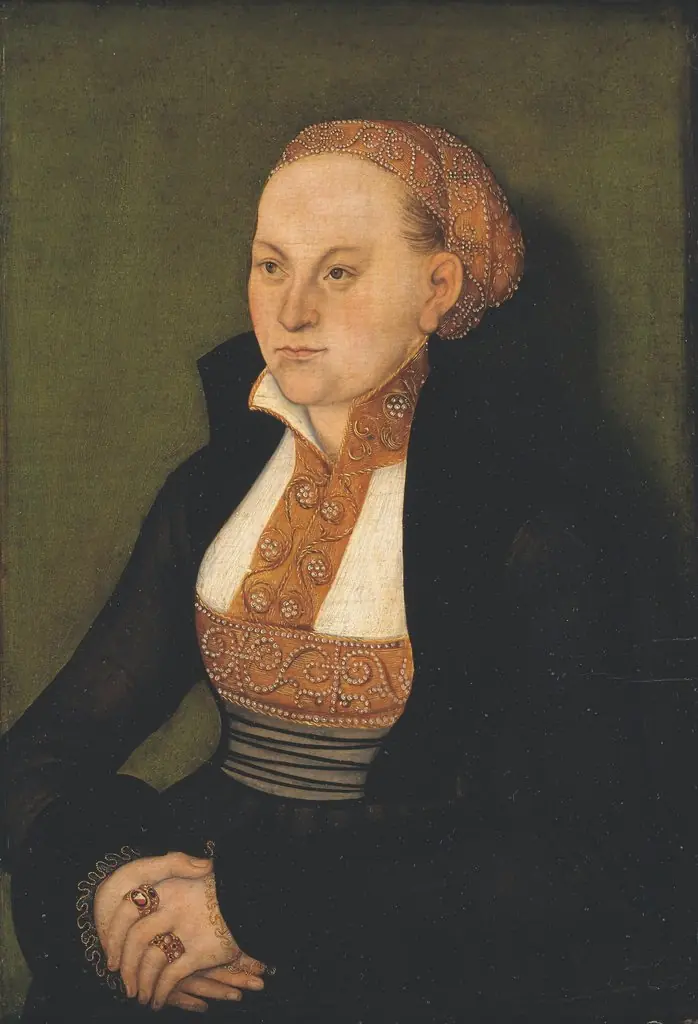 Portrait of a Lady
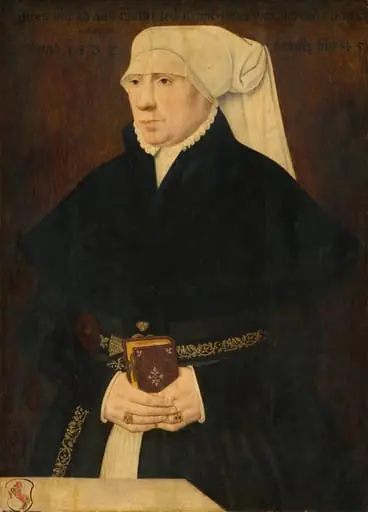 Portrait of a Lady
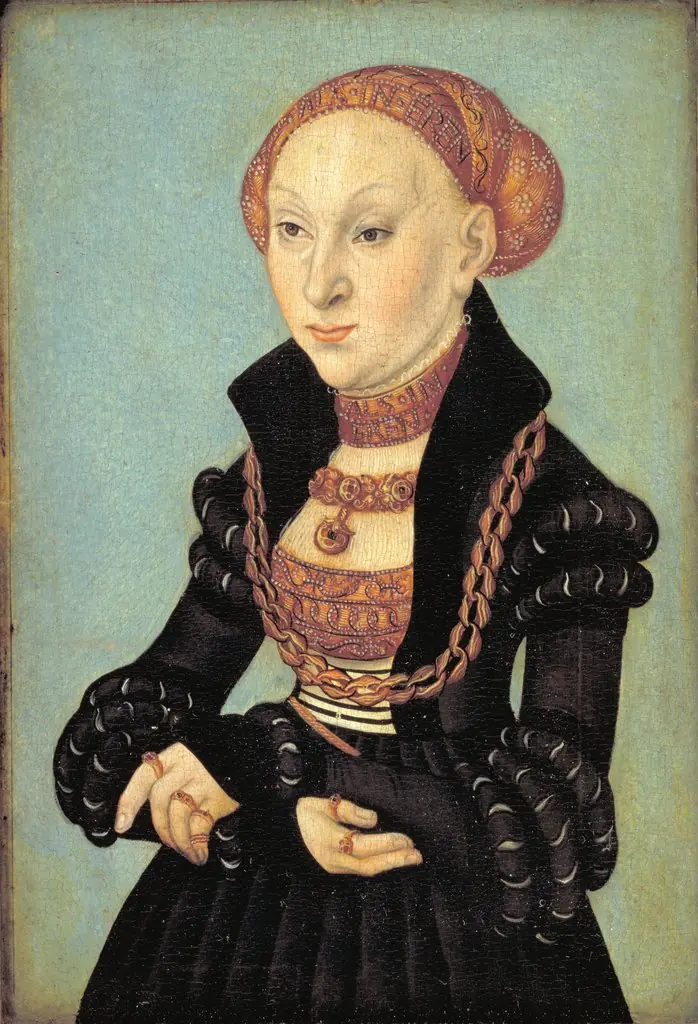 Portrait of the Electress Sibyl of Saxony (1510-1569)
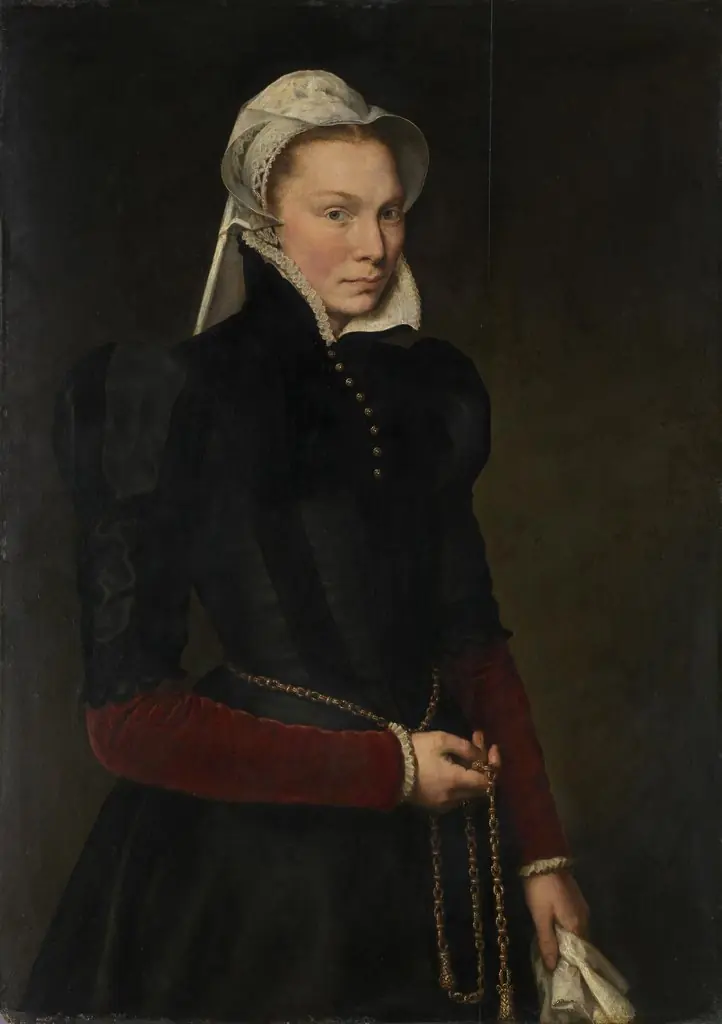 Portrait of a lady
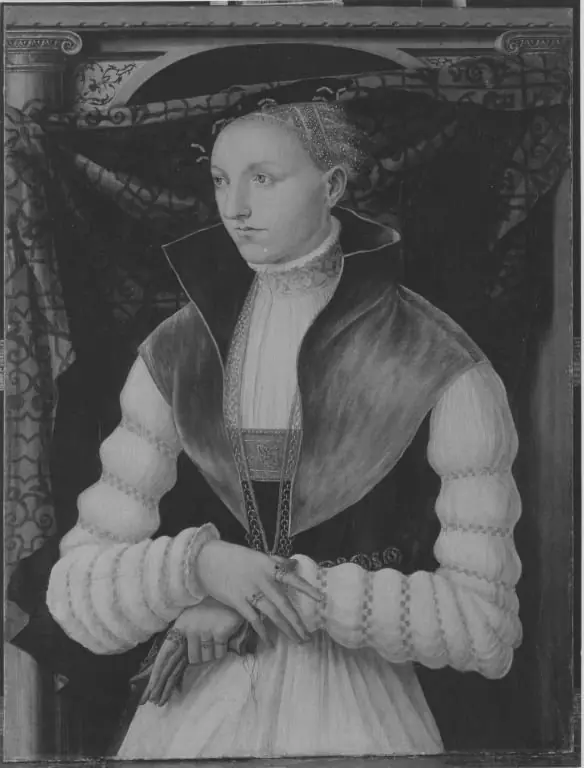 Bildnis einer Dame (?)
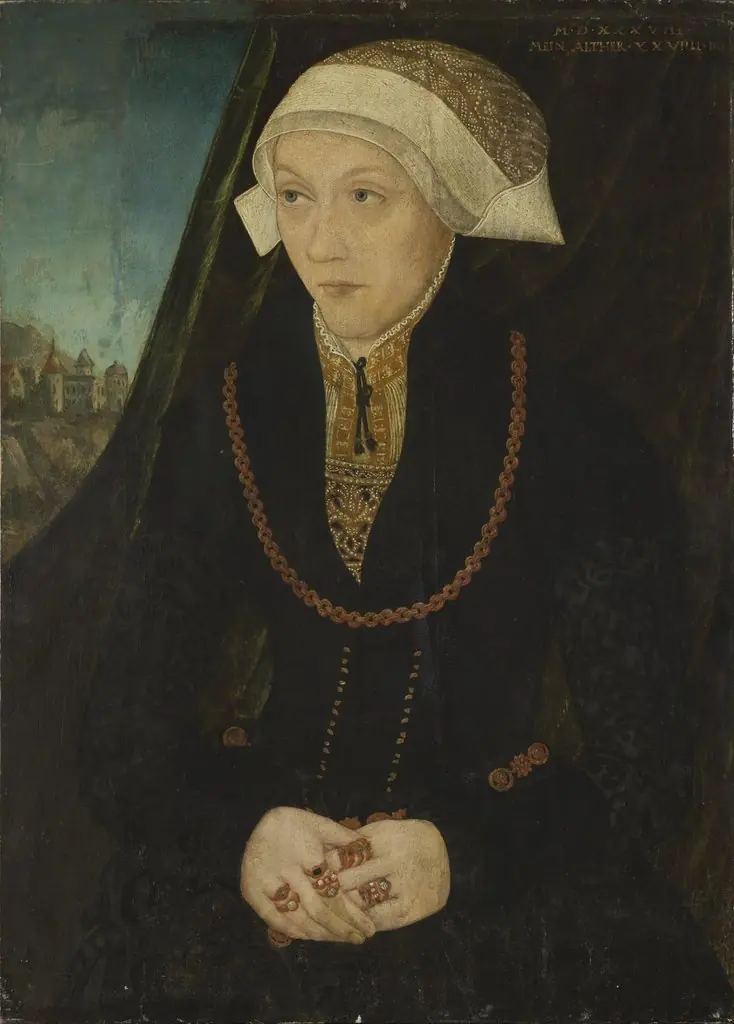 Portrait of a woman
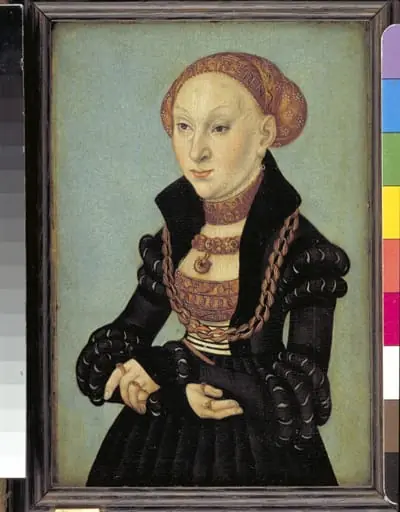 Portrait of the Electress Sibyl of Saxony (1510-1569)
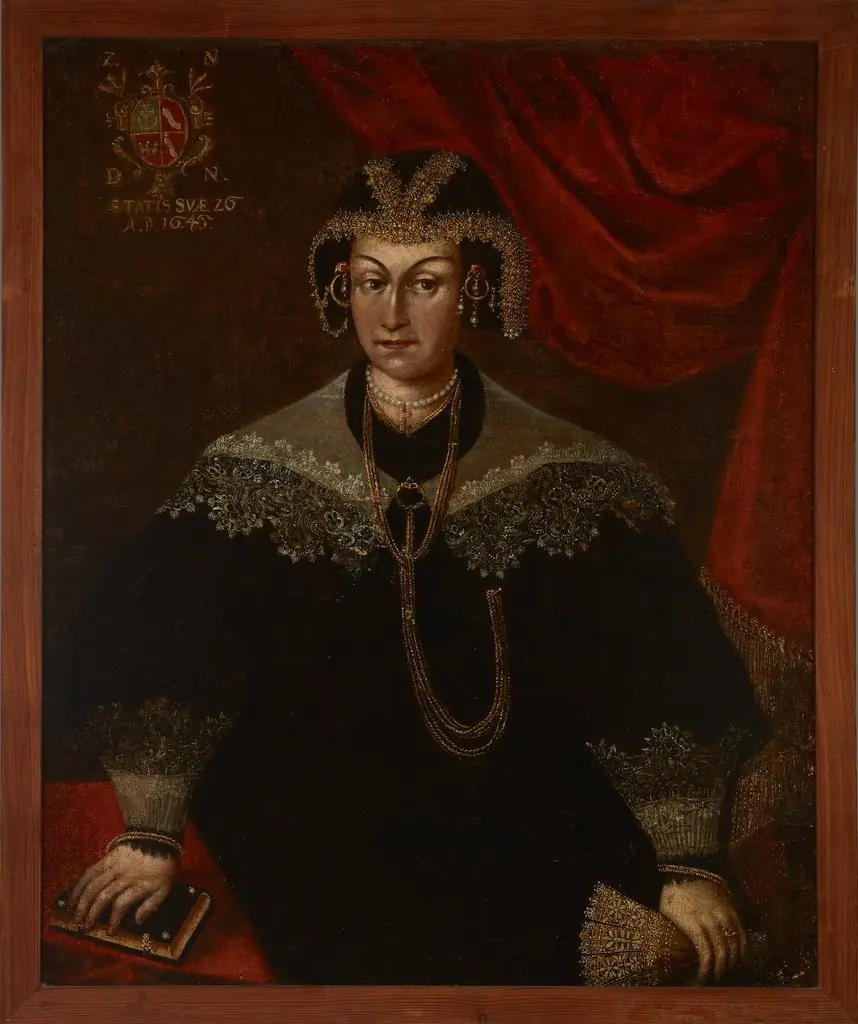 Portrait of an unknown woman
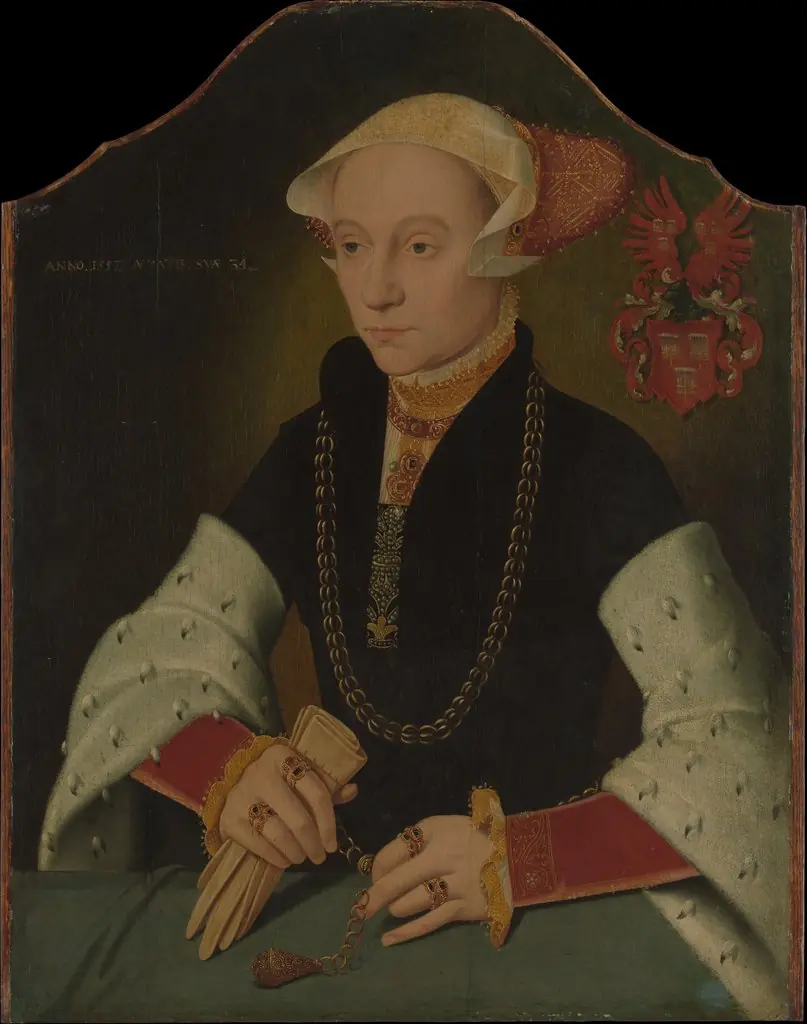 Portrait of a Woman of the Slosgin Family of Cologne
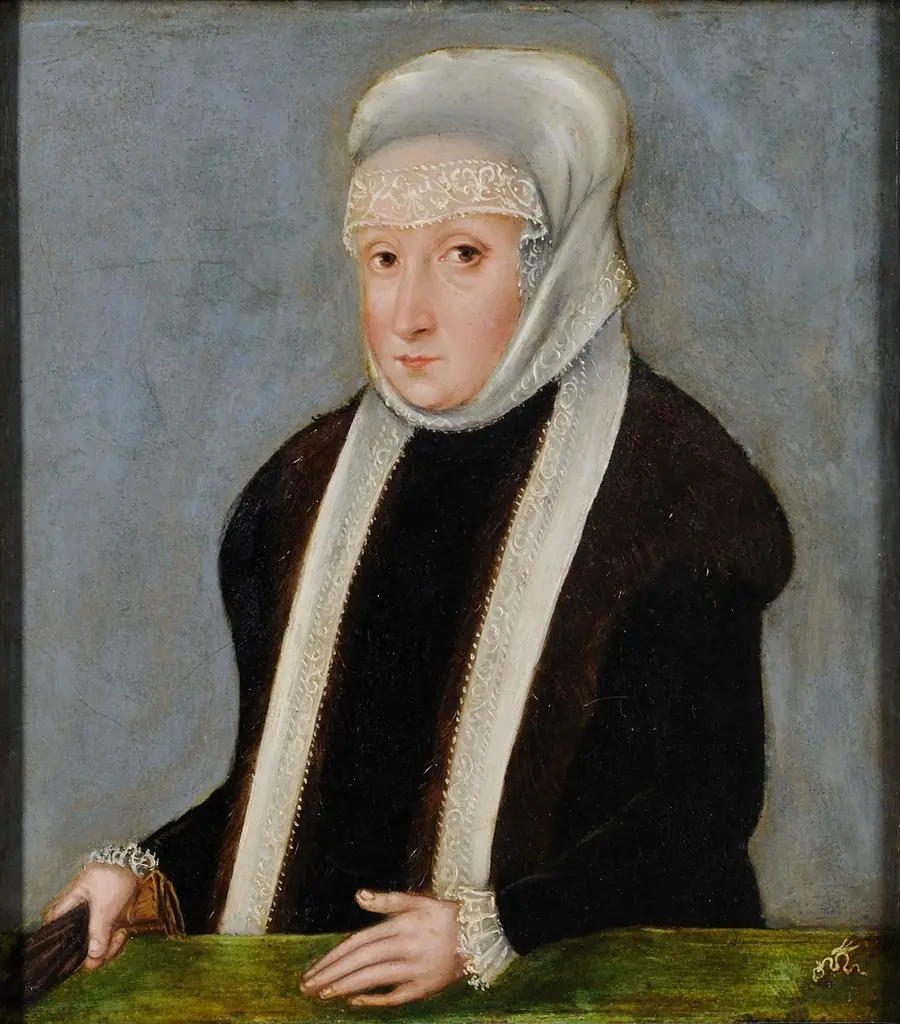 Isabella Jagiellon
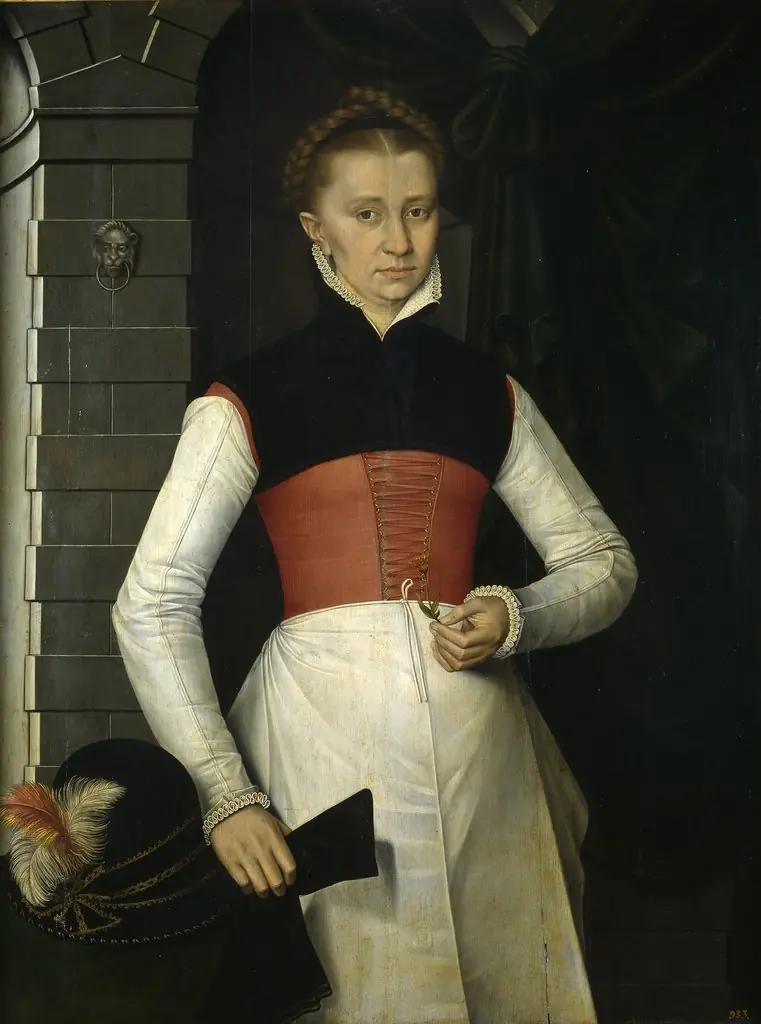 Lady with a Yellow Flower
 Portrait of Elisabeth Schwetzer