Artwork
An Old Woman
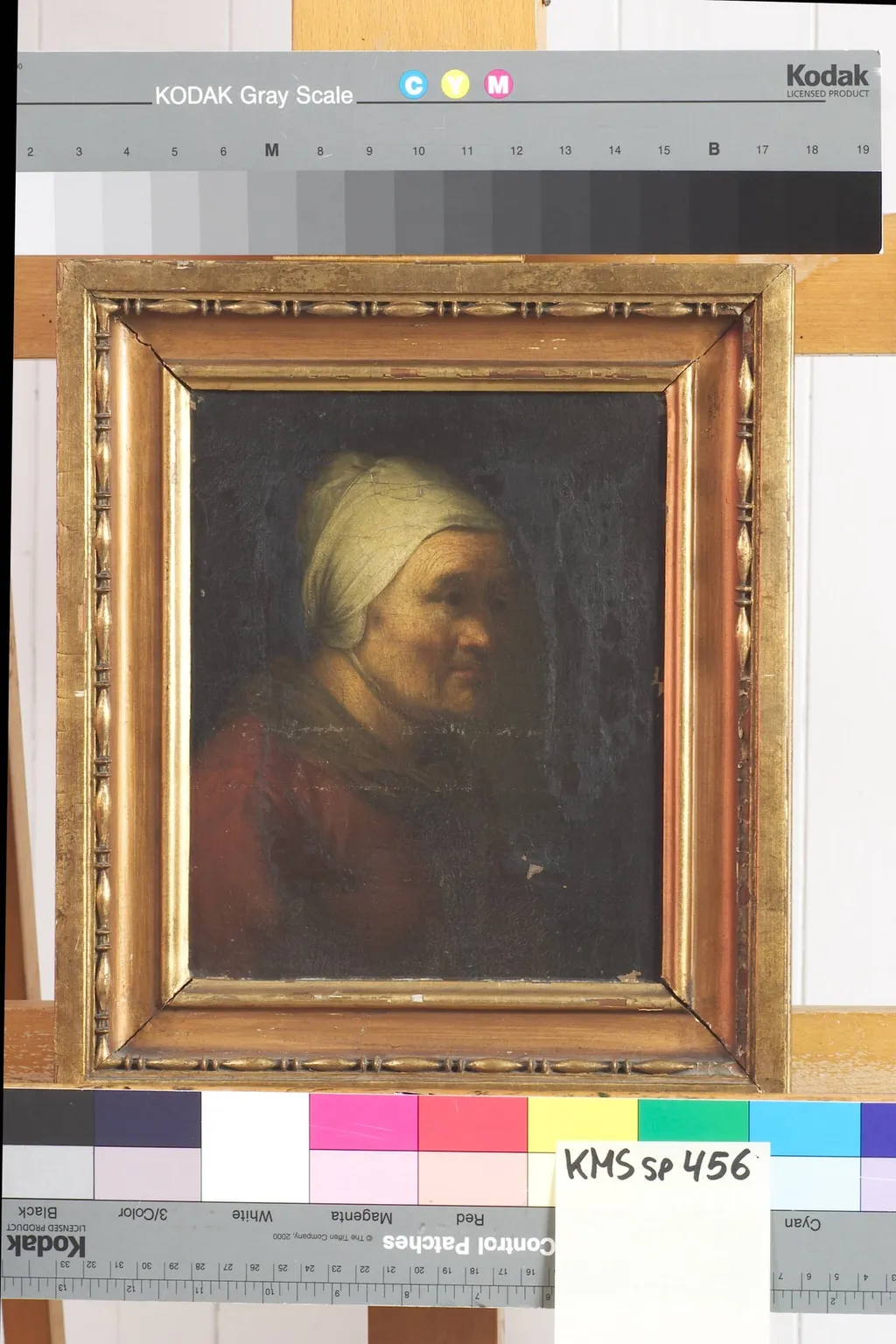
An Old Woman is a photography by Unknown. It dates from 1650 and is held in the collection of the Statens Museum for Kunst.
About this work
The use of chiaroscuro, a technique that uses strong contrasts between light and dark to create a sense of volume and depth, is evident in the painting.
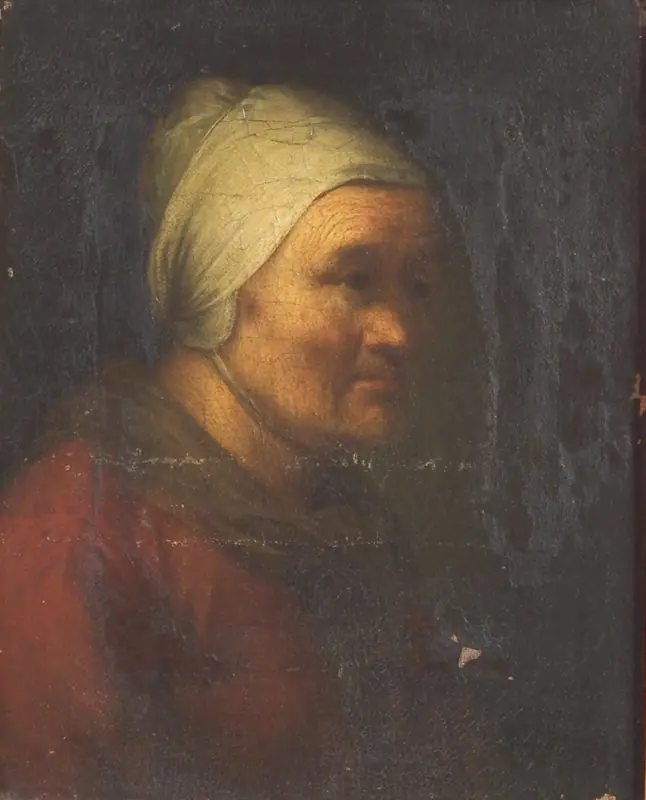
The image shows a framed painting of an old woman, with a color chart and ruler overlay. The painting is in a gold frame, and the woman is wearing a white headscarf and a red top. She is looking to the right, and her face is partially in shadow.
The color chart and ruler suggest that the image is being used for analysis or restoration purposes. The chart includes a range of colors, from black to white, and the ruler is marked with measurements in centimeters and inches.
The painting appears to be a portrait of an elderly woman, possibly from the 17th century. The use of chiaroscuro, a technique that uses strong contrasts between light and dark to create a sense of volume and depth, is evident in the painting. To learn more about this technique, you can explore the work of artist 1634_person.
Overview
An Old Woman, attributed to the artist known as 1634_person, dates to around 1650. The portrait is part of the collection of the Museum of Ethnography, where it is displayed in a gilded frame. The work presents a solitary figure, rendered in a style that emphasizes the interplay of light and shadow.
Subject & Meaning
The canvas depicts an elderly woman dressed in a white headscarf and a red garment, her gaze directed toward the viewer’s right. The partial shading of her face suggests a contemplative mood, while the modest attire hints at the social standing of the sitter in a 17th‑century context.
Technique & Style
The painting employs chiaroscuro, creating a pronounced contrast between illuminated areas and deep shadows to model the figure’s form. The palette is restrained, with muted earth tones punctuated by the vivid red of the woman’s top, reinforcing the three‑dimensional effect.
History & Provenance
Created circa 1650, the work entered the Museum of Ethnography’s holdings at an unspecified date. Documentation links the piece directly to 1634_person, though details of its ownership before acquisition remain limited.
Context
Portraits of older individuals were relatively uncommon in the mid‑17th century, where youthful subjects predominated. This image therefore offers insight into contemporary attitudes toward age and the representation of everyday people within the period’s visual culture.
Artist & collection

 Domestic Scene
 Giacomo and Cardinal Marco, investing Andrea, Abbot of San Zeno, with his Benefice
 The Nymph of Fontainebleau
 Portrait of a Woman
 Madonna and Child with Saints in the Enclosed Garden
 Venus and Minerva
 Family Group of Four on Sofa
 Wall painting from Room H of the Villa of P. Fannius Synistor at Boscoreale
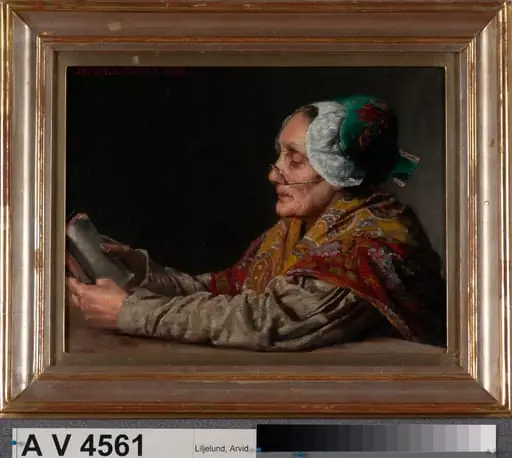 Lukeva eukko
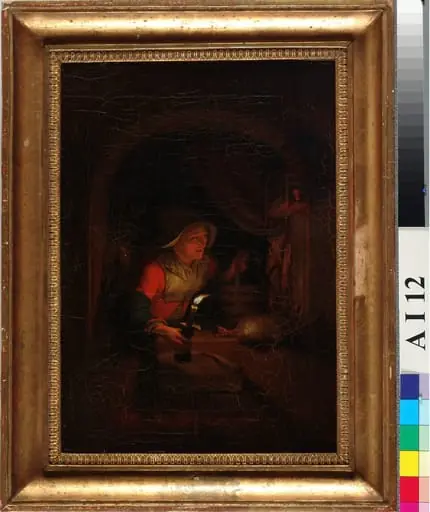 Vanha nainen ja kynttilä, kopio Gerrit Doun mukaan
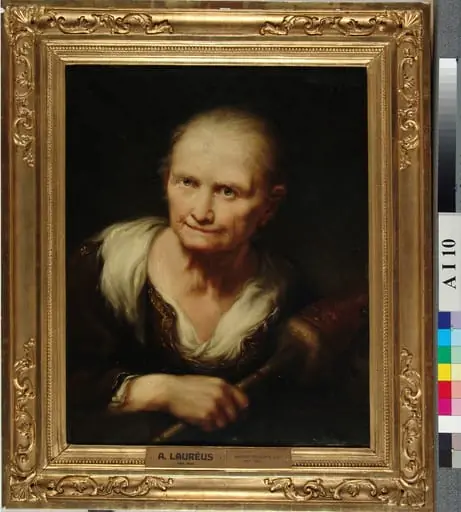 Vanha vaimo värttinöineen, kopio Giuseppe Nogarin mukaan
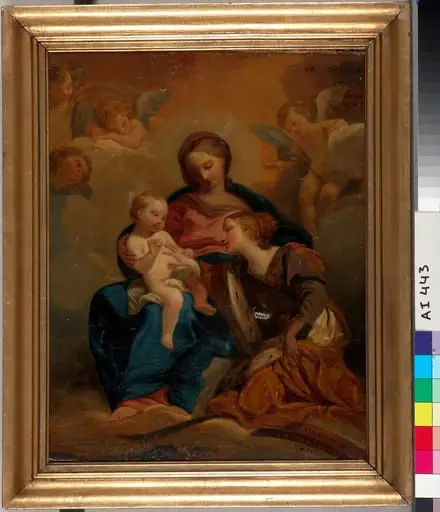 Pyhän Katariinan kihlaus, kopio
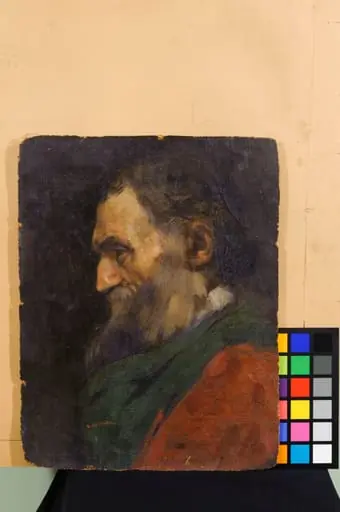 Profil de bărbat
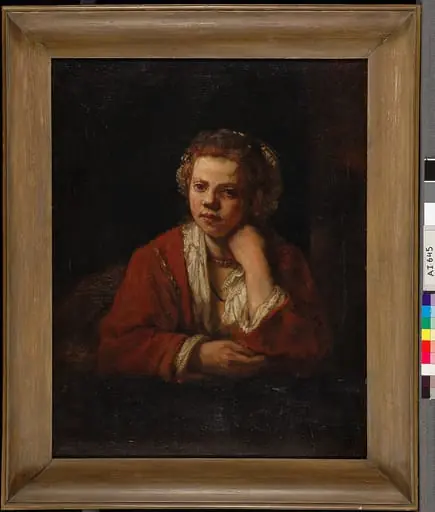 Nuori tyttö, kopio Rembrandtin mukaan
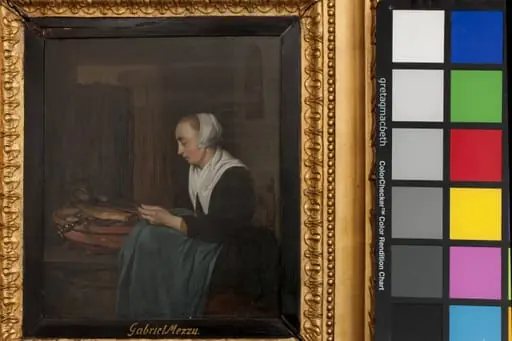 A Sleeping Saleswoman
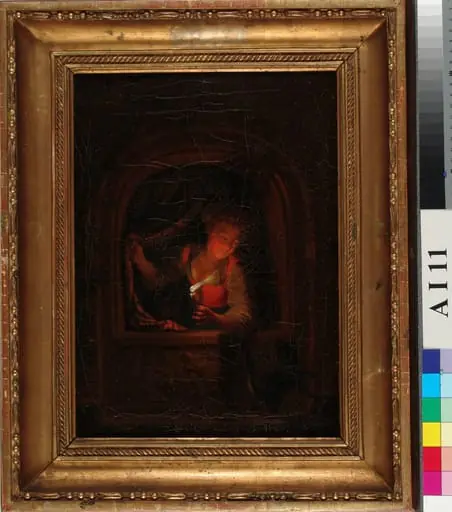 Nuori nainen ja kynttilä, kopio Gerrit Doun mukaan
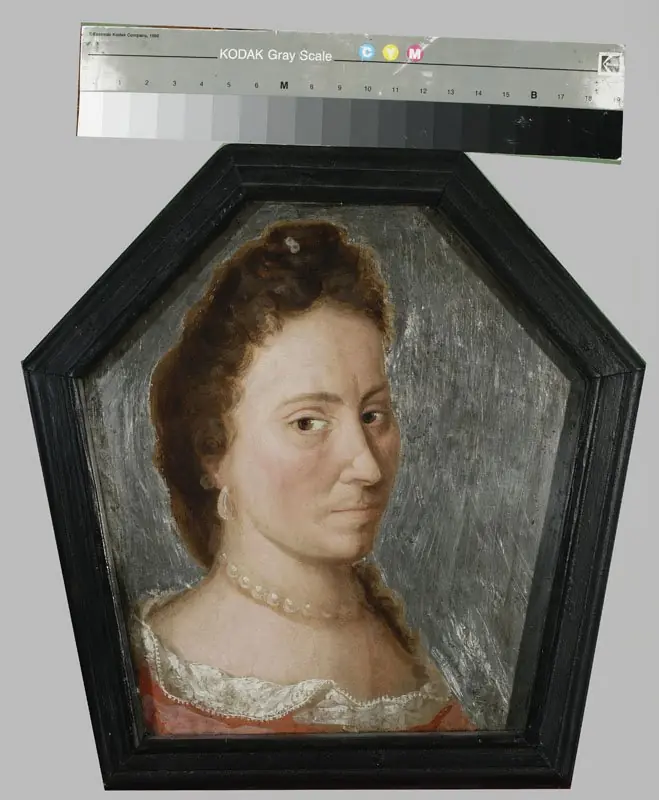 Coffin portrait of Teresa Bojanowska née Sokolnicka (1666–1700)
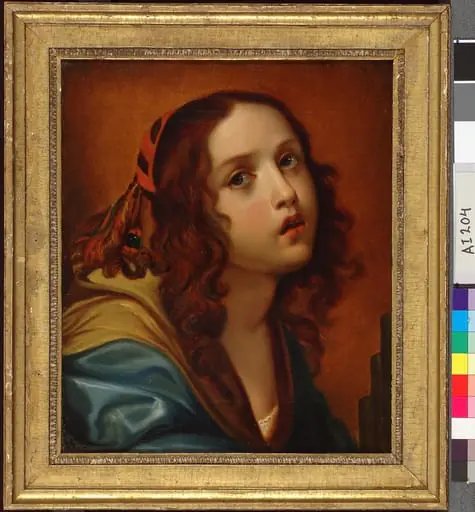 Naisen pää, kopio Carlo Dolcin mukaan
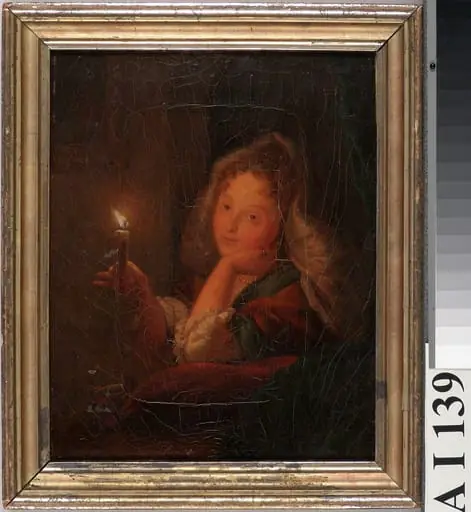 Nuori tyttö kynttilä kädessä, kopio Gottfried Schalckerin mukaan
 An Old Woman