Artwork
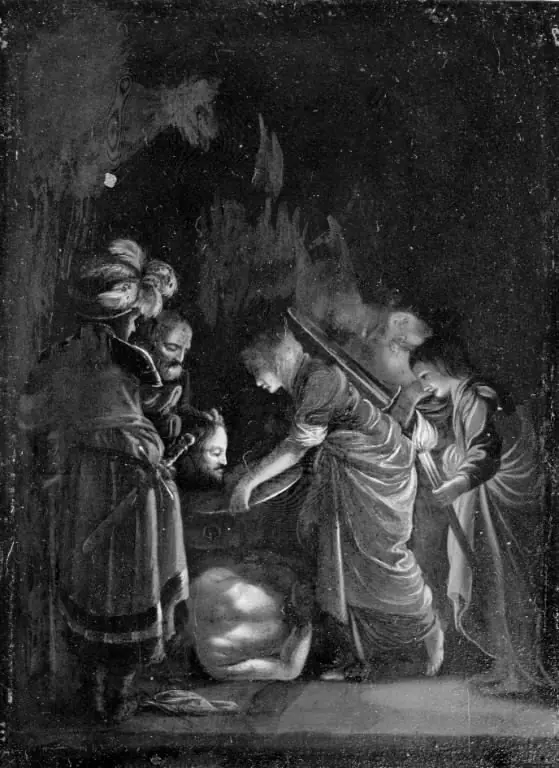
The Presentation of the Head of Saint John the Baptist, Night
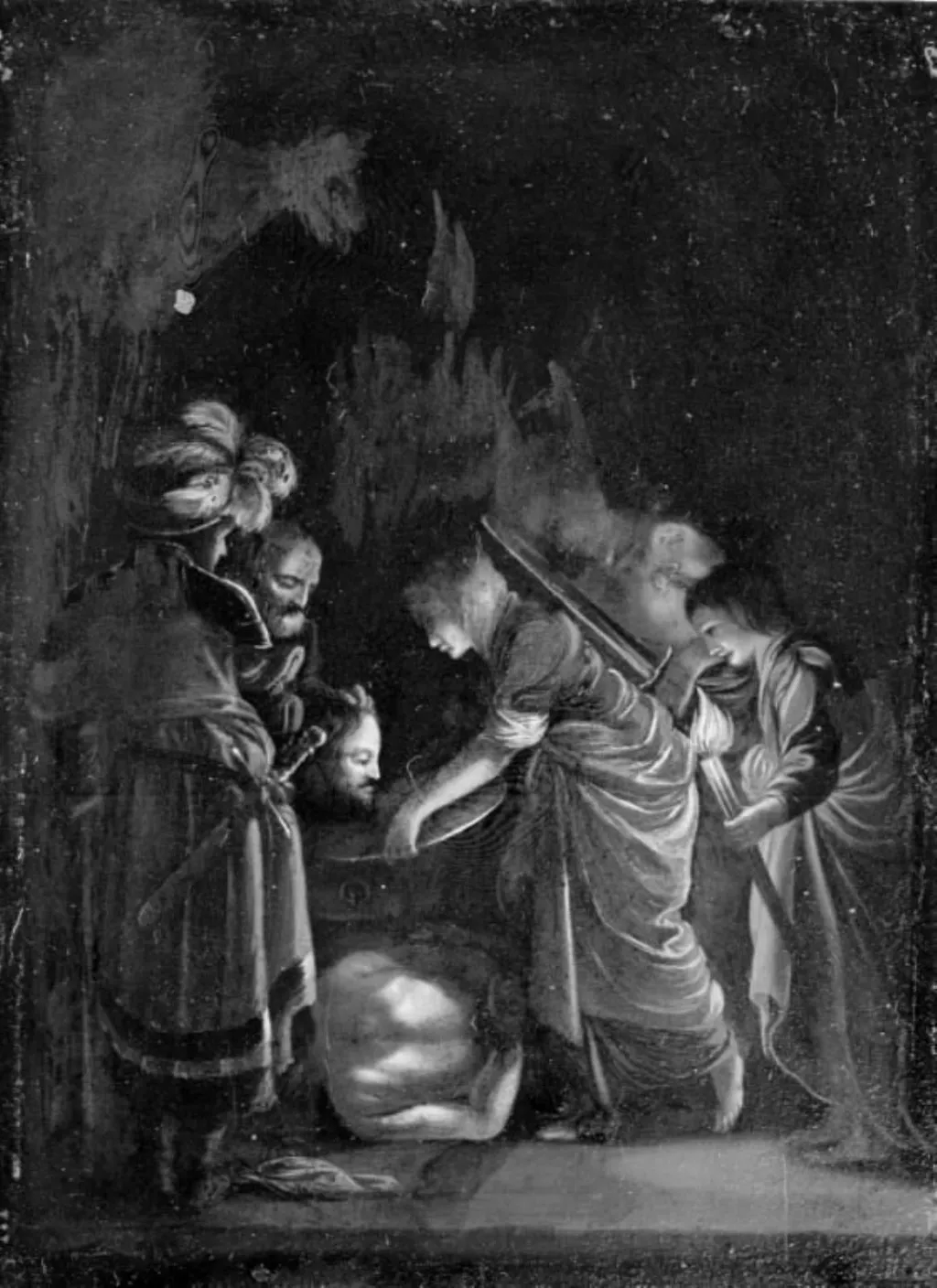
The Presentation of the Head of Saint John the Baptist, Night is a photography by Unknown. It dates from 1750 and is held in the collection of the Statens Museum for Kunst. This painting depicts a moment from the biblical account of John the Baptist’s execution, rendered in a nocturnal setting.
About this work
Overview
This painting depicts a moment from the biblical account of John the Baptist’s execution, rendered in a nocturnal setting. Created around 1750, it belongs to a tradition of religious imagery that emphasizes dramatic tension through lighting and gesture. The work is currently held in the collection of the Museum of Ethnography, though its origins and artist remain unconfirmed in available records.
Subject & Meaning
Another man observes silently, and a noble figure reaches toward the bundle, possibly representing Herodias or a courtier demanding the relic.
The scene illustrates the presentation of John the Baptist’s severed head, as described in the Gospels. A kneeling figure holds the wrapped head, while a figure in armor raises a sword, suggesting recent violence. Another man observes silently, and a noble figure reaches toward the bundle, possibly representing Herodias or a courtier demanding the relic. The composition underscores themes of sacrifice, guilt, and the cost of political ambition.
Technique & Style
The artist employs chiaroscuro to isolate the figures against an almost total black background, heightening emotional intensity. Light falls sharply on faces, armor, and fabric, defining form without detail. The lack of landscape or architectural context focuses attention entirely on the human interaction. Brushwork is restrained, favoring atmospheric effect over ornamental precision, aligning with late Baroque tendencies in devotional painting.
History & Provenance
The painting’s origin is undocumented, with no clear record of its commission or early ownership. It entered the Museum of Ethnography’s collection in the 19th century, likely as part of a broader acquisition of religious artifacts. Its attribution to a specific artist remains uncertain, and its date of c. 1750 suggests it may be a later interpretation of an earlier iconographic model.
Context
In the 18th century, depictions of John the Baptist’s martyrdom remained common in Catholic regions, often used to evoke penitence or divine justice. While many such works were large altarpieces, this intimate, darkened scene reflects a shift toward private devotion or theatrical storytelling. Its presence in an ethnographic museum hints at its later classification as a cultural artifact rather than a liturgical object.
Legacy
Though not widely reproduced or studied, the painting contributes to the visual vocabulary of martyrdom narratives in post-Baroque Europe. Its stark lighting and compressed composition anticipate 19th-century interest in psychological realism and emotional isolation. As a rare nocturnal treatment of the subject, it offers insight into how religious themes were adapted for private contemplation beyond ecclesiastical settings.
Artist & collection

 Domestic Scene
 Giacomo and Cardinal Marco, investing Andrea, Abbot of San Zeno, with his Benefice
 The Nymph of Fontainebleau
 Portrait of a Woman
 Madonna and Child with Saints in the Enclosed Garden
 Venus and Minerva
 Family Group of Four on Sofa
 Wall painting from Room H of the Villa of P. Fannius Synistor at Boscoreale
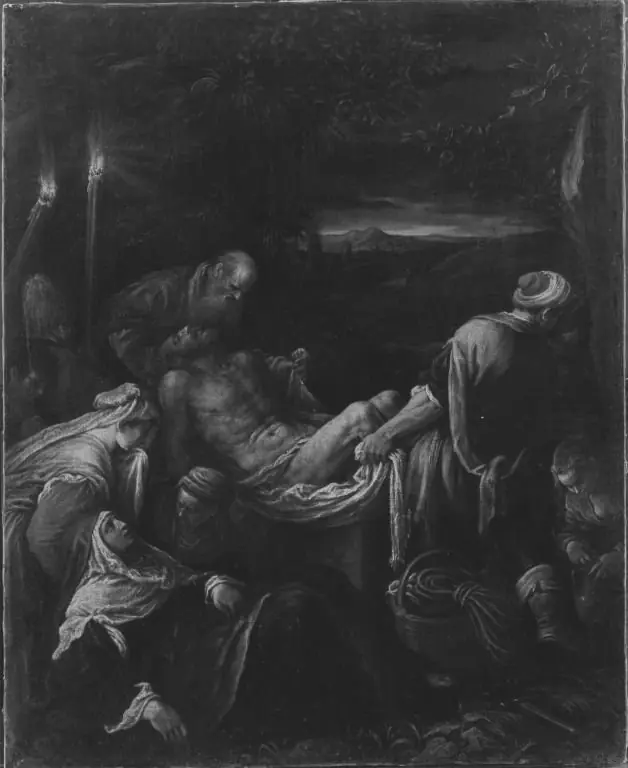 Die Grablegung Christi
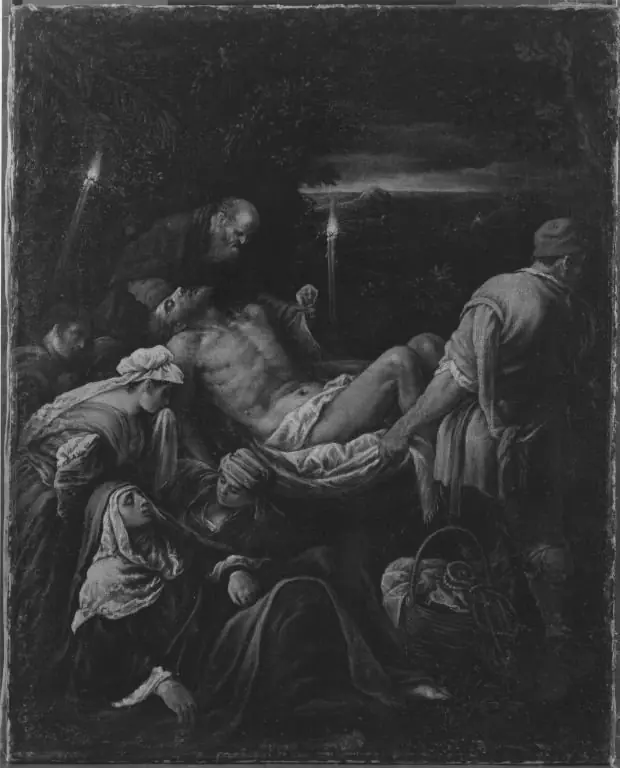 Grablegung Christi (Werkstattkopie)
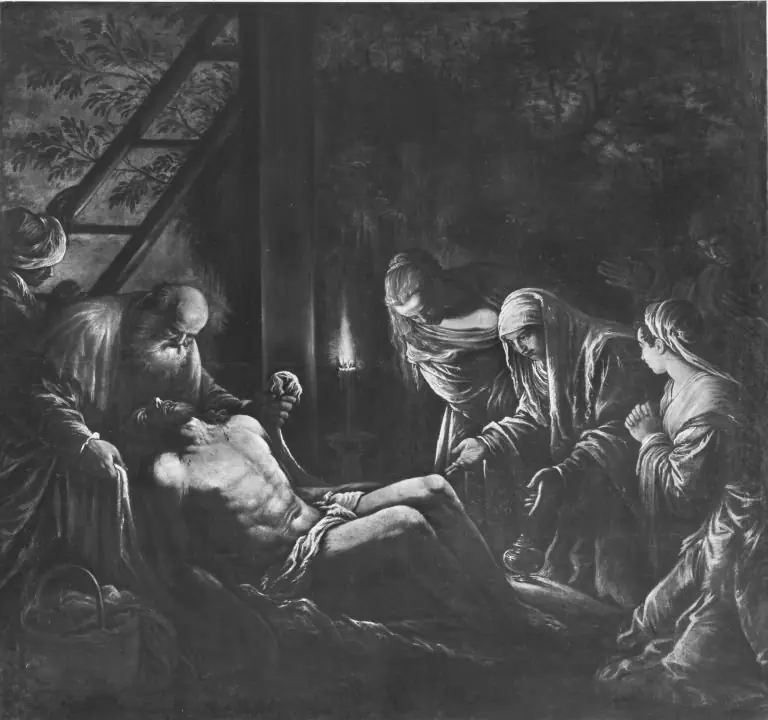 Beweinung Christi (Werkstatt)
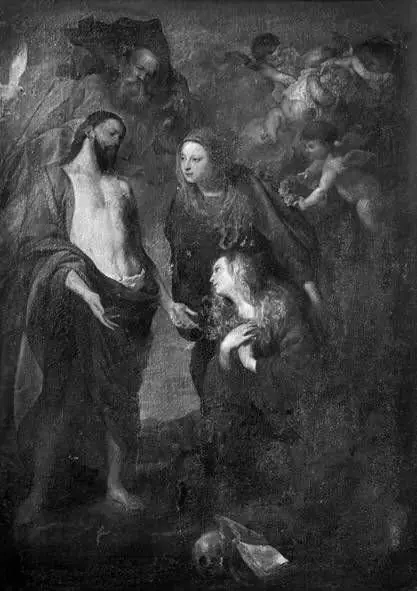 Saint Rosalia introduced to the Holy Trinity
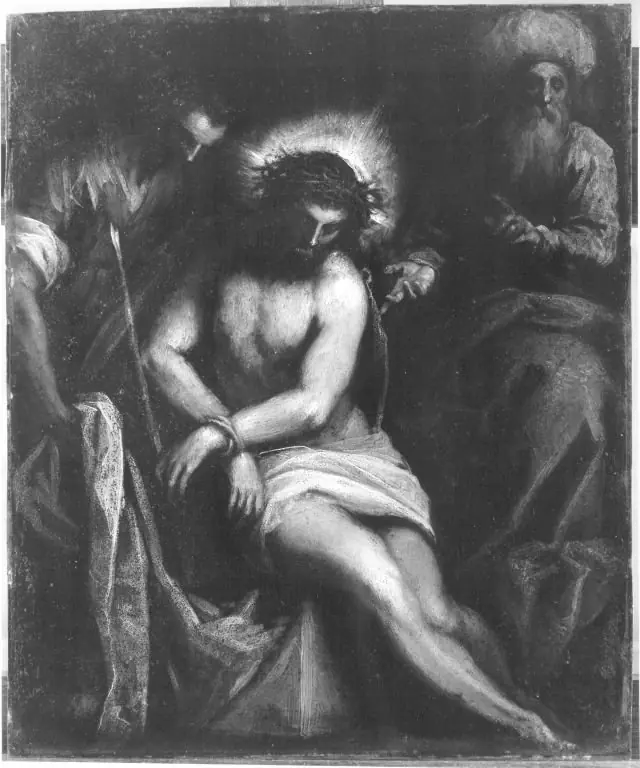 Ecce homo
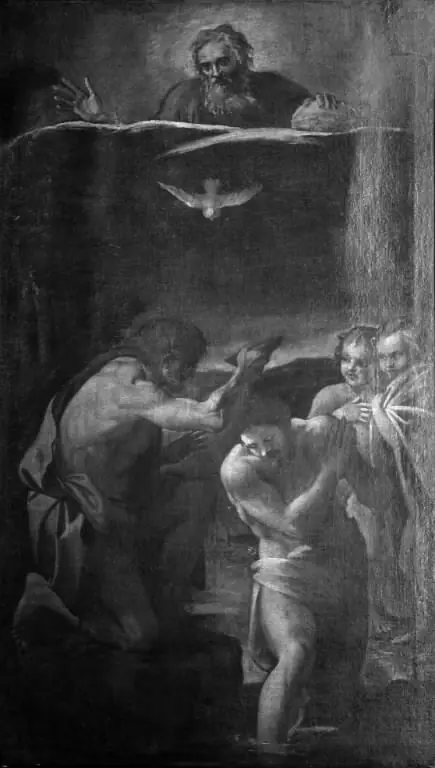 The Baptism of Christ
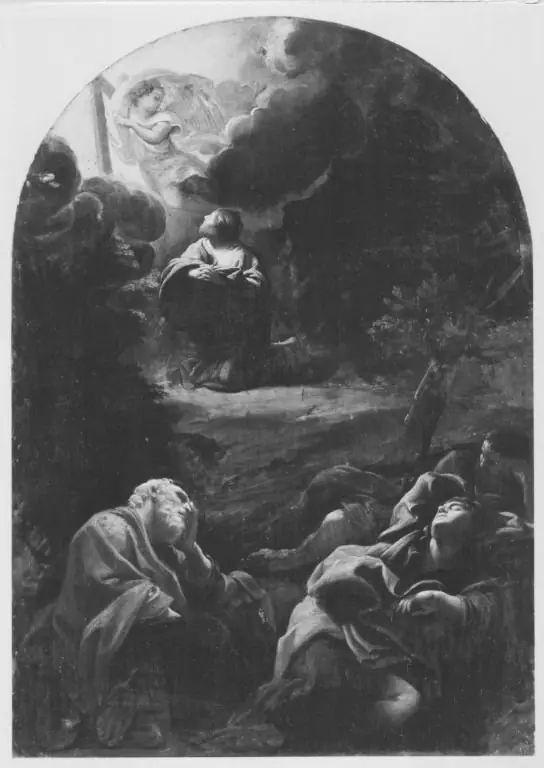 Christus am Ölberg
 Grablegung Christi
 Der zwölfjährige Jesus im Tempel
 The Entombment of Christ
 The Adoration of the Shepherds
 The Presentation of the Head of Saint John the Baptist, Night