Artwork
The Artist's Eldest Sister
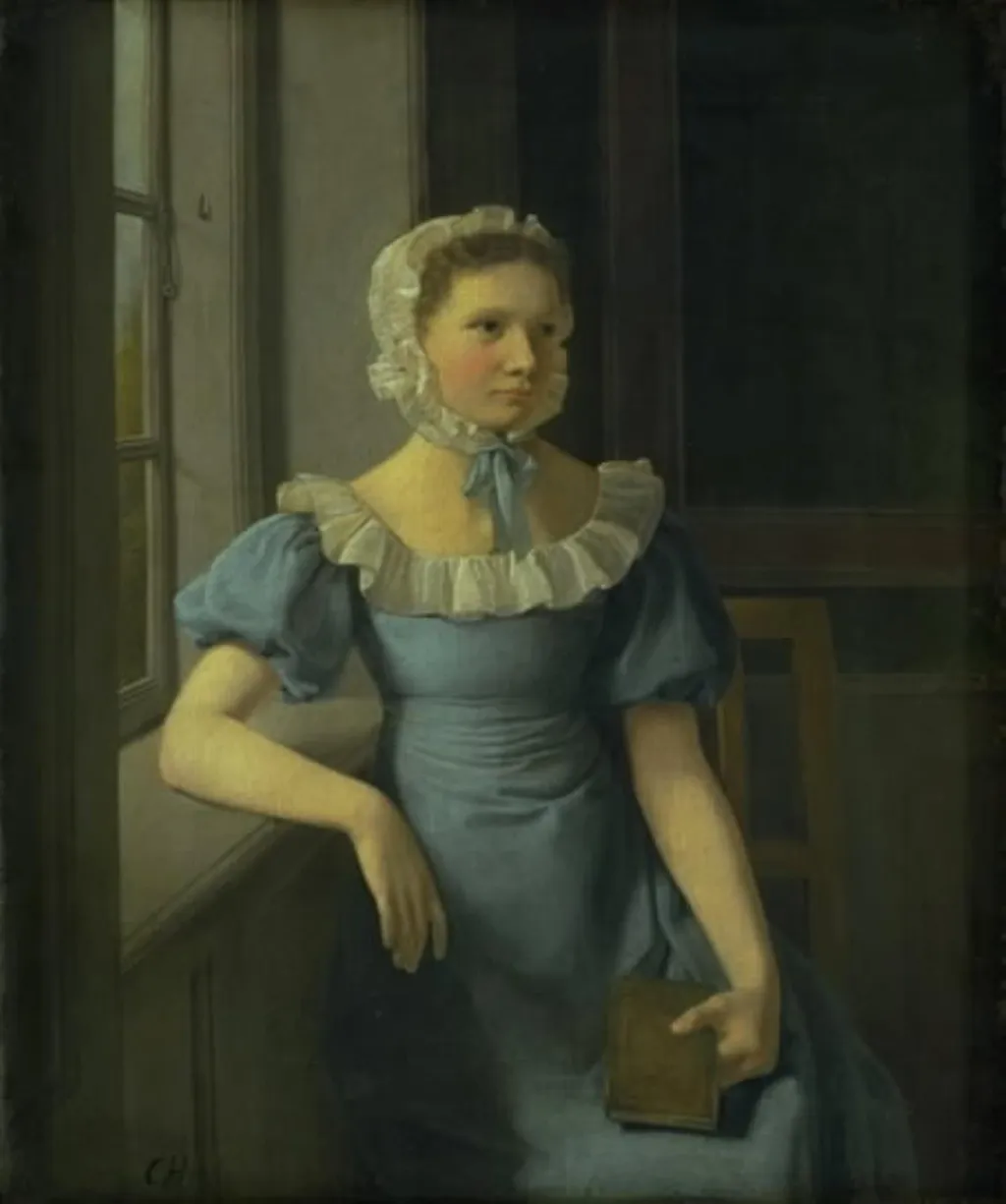
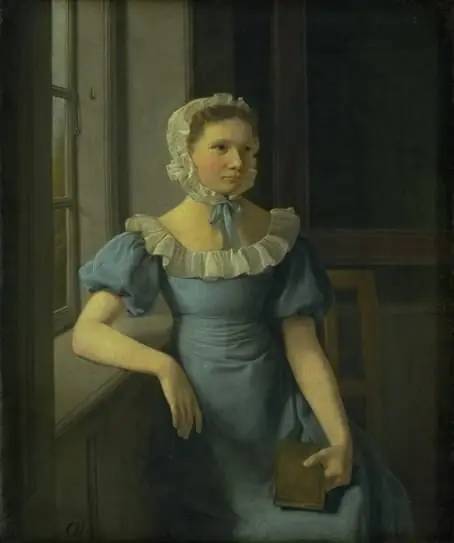
The Artist's Eldest Sister is a photography by the Romanticist artist Unknown. It dates from 1825 and is held in the collection of the Statens Museum for Kunst.
About this work
Overview
Created in 1825, this image is one of the earliest known photographic portraits, predating the widespread adoption of the medium in fine art.
Created in 1825, this image is one of the earliest known photographic portraits, predating the widespread adoption of the medium in fine art. Though often mistaken for a painted work due to its compositional formality, it was produced using an early photographic process. The subject, the artist’s eldest sister, is depicted in a quiet, intimate setting, reflecting the nascent potential of photography to capture personal likeness with unprecedented fidelity.
Subject & Meaning
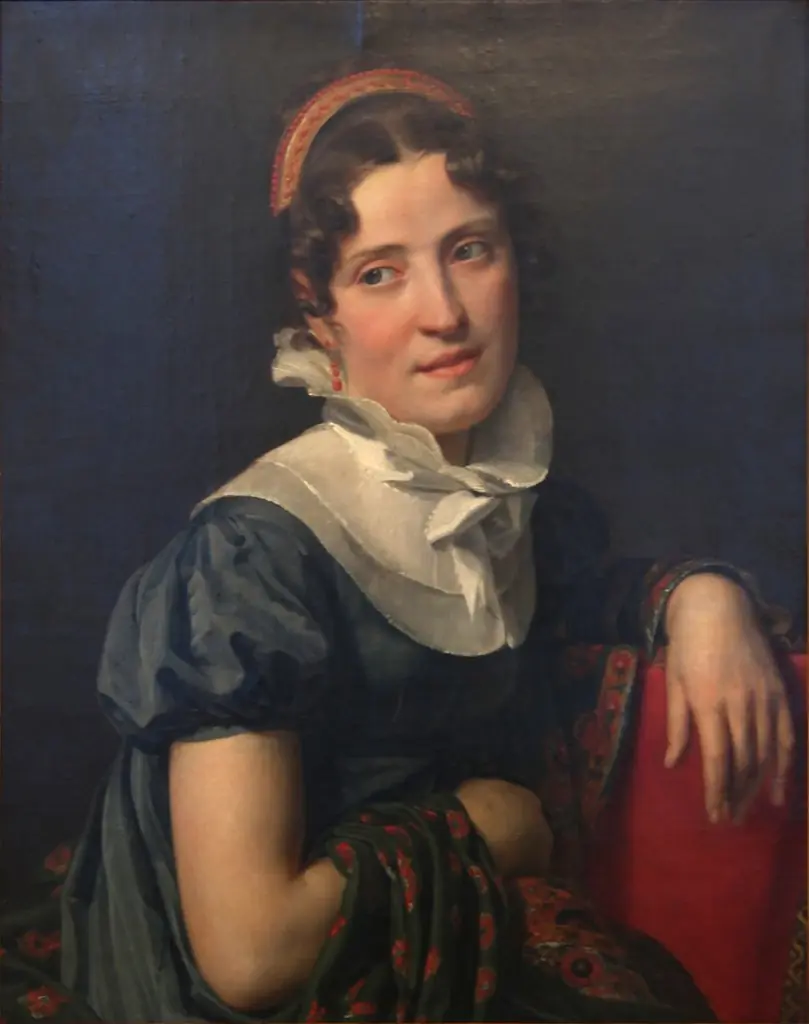
The woman portrayed is the artist’s older sister, dressed in modest domestic attire—a blue dress with ruffled trim and a white cap—suggesting her role within the household. Her posture, one arm resting on a windowsill, conveys stillness and introspection. The dim interior and sparse details around her emphasize solitude, possibly hinting at familial bonds or the quiet dignity of everyday life in the early 19th century.
Technique & Style
The image employs chiaroscuro through careful control of light and shadow, lending volume and depth to the figure despite the limitations of early photographic emulsions. The dark background isolates the subject, drawing attention to her form and facial expression. The texture of fabric and the grain of the wooden door are rendered with surprising clarity, demonstrating the technical ingenuity required to capture detail in a medium still in its infancy.
History & Provenance
The work was produced by the artist in 1825 and remained within the family before being acquired by the Museum of Ethnography. Its survival is uncommon, as early photographic experiments were often fragile and rarely preserved as art. The museum’s collection recognizes it not merely as a technical curiosity but as a significant artifact in the transition from painted portraiture to photographic representation.
Context
In 1825, photography was not yet recognized as an artistic medium; most portraits were still painted. This image emerged during a period of intense experimentation with light-sensitive materials, shortly before Daguerre’s public announcement of his process. Its existence challenges assumptions about the timeline of photographic art, revealing that individuals were already exploring the medium’s expressive potential before it became widely known.
Legacy
This photograph stands as a rare early example of personal portraiture in photographic form, predating the formal establishment of photography as an art discipline. It illustrates how individuals adapted emerging technologies to document intimate subjects, laying groundwork for later photographic traditions. Its preservation in a museum of ethnography underscores its value as both a cultural and technological artifact.
Artist & collection

 Domestic Scene
 Giacomo and Cardinal Marco, investing Andrea, Abbot of San Zeno, with his Benefice
 The Nymph of Fontainebleau
 Portrait of a Woman
 Madonna and Child with Saints in the Enclosed Garden
 Venus and Minerva
 Family Group of Four on Sofa
 Wall painting from Room H of the Villa of P. Fannius Synistor at Boscoreale
 Kunstnerens søster Alvilde
 Kunstnerens søster Alvilde
 Cathrine von Halle, née Nathanson
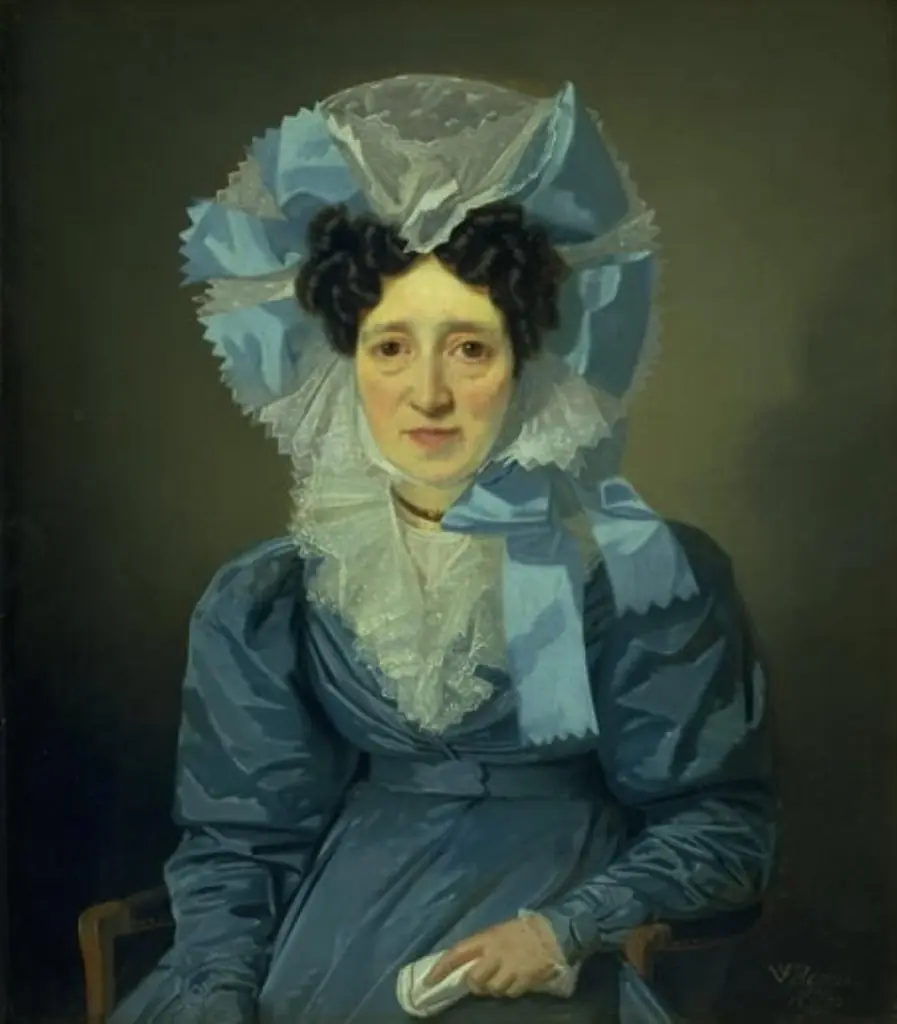 Cathrine von Halle, née Nathanson
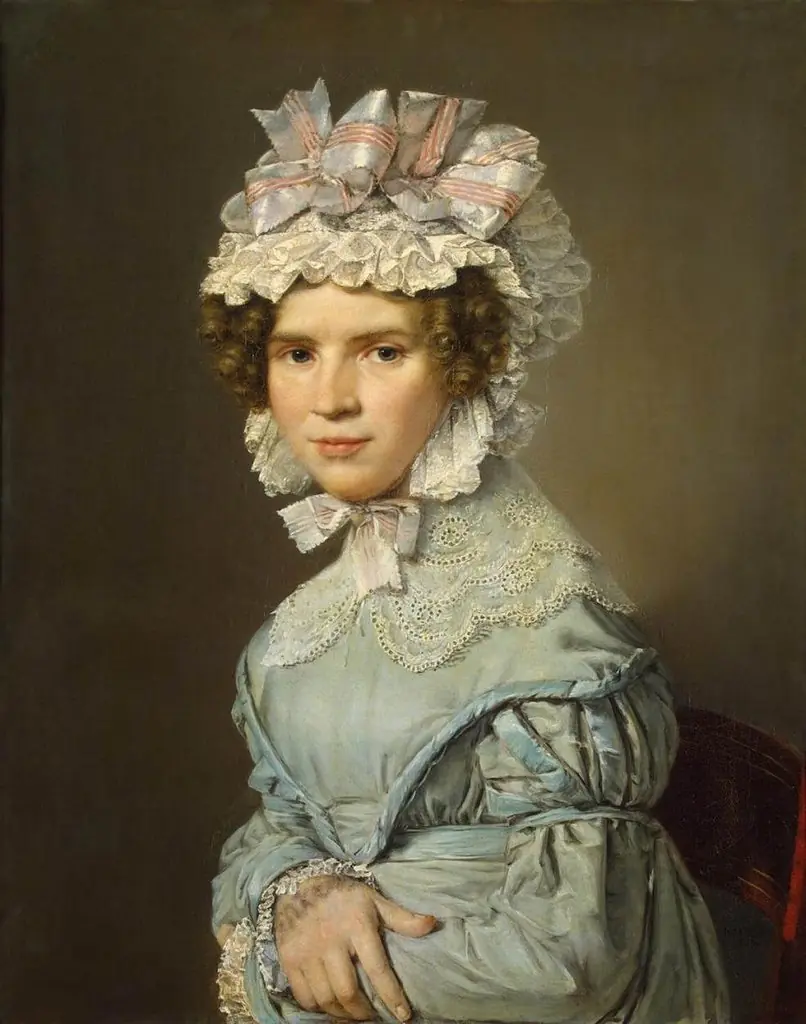 Portrait of a Lady in Blue Dress
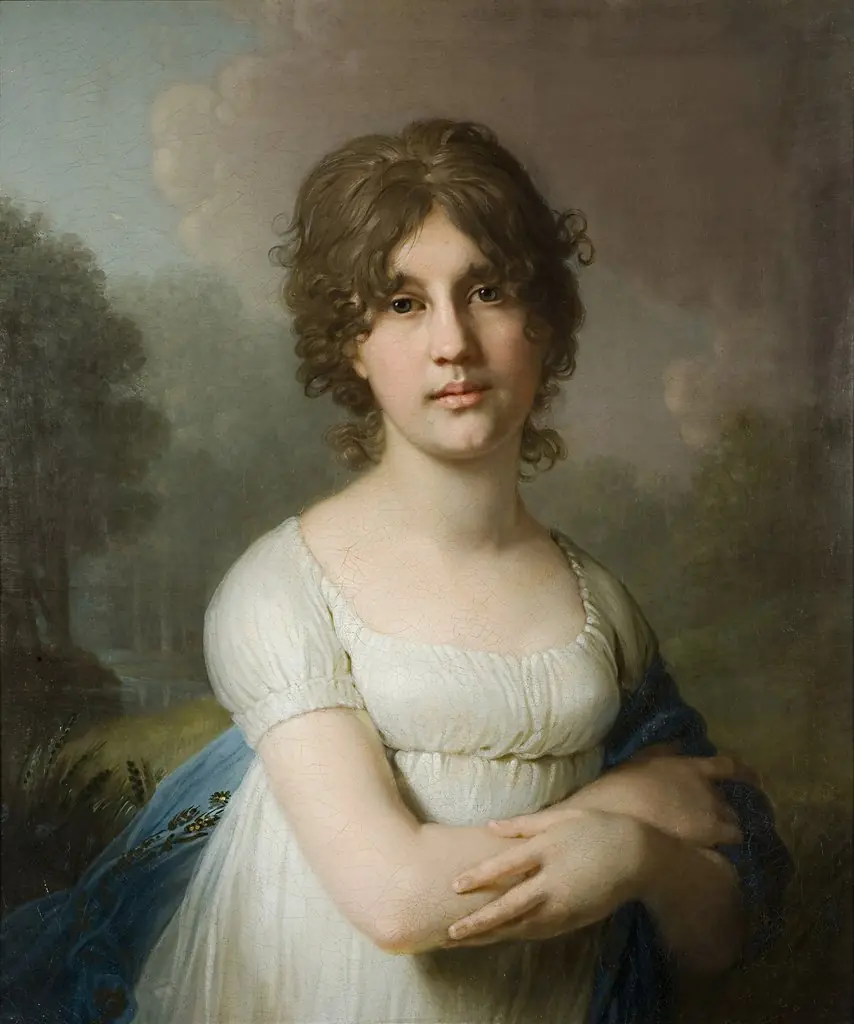 La Princesse Catherine Gavrilowna Gagarine
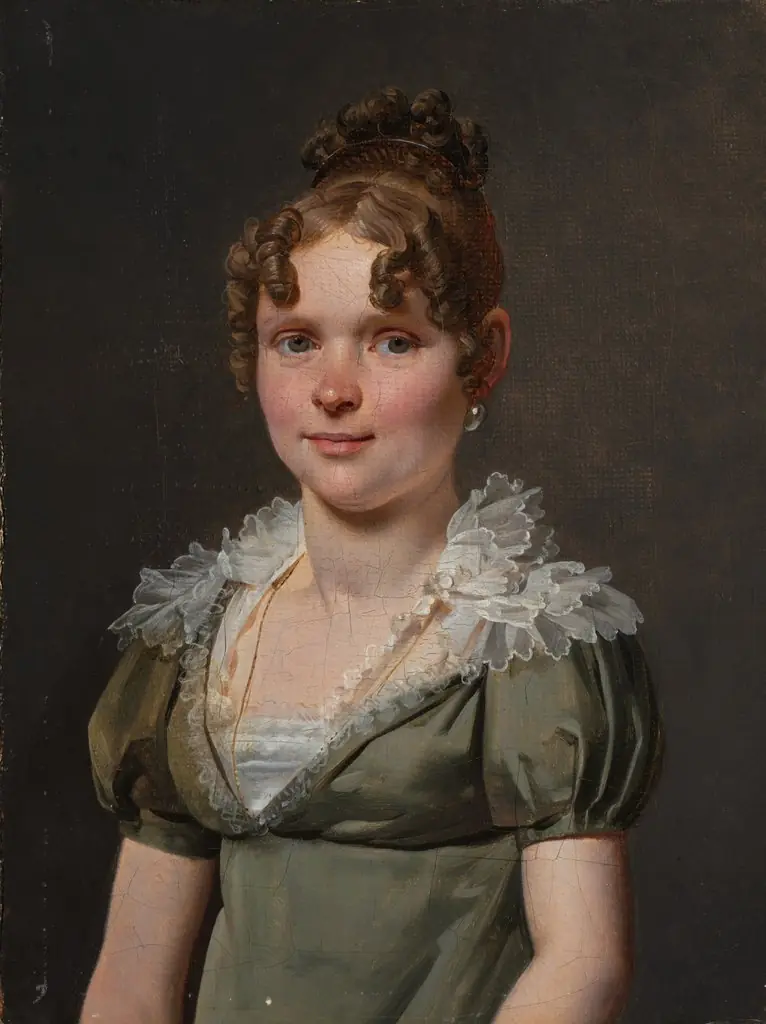 Madame Nicolas Louis Faret
 Portrait of Mrs. Faber
 Madame Nicolas Louis Faret
 Mrs. Grønland
 Portrait of Constance Pipelet
 The Artist's Eldest Sister