Artwork
Il professore cavalieri di Luca
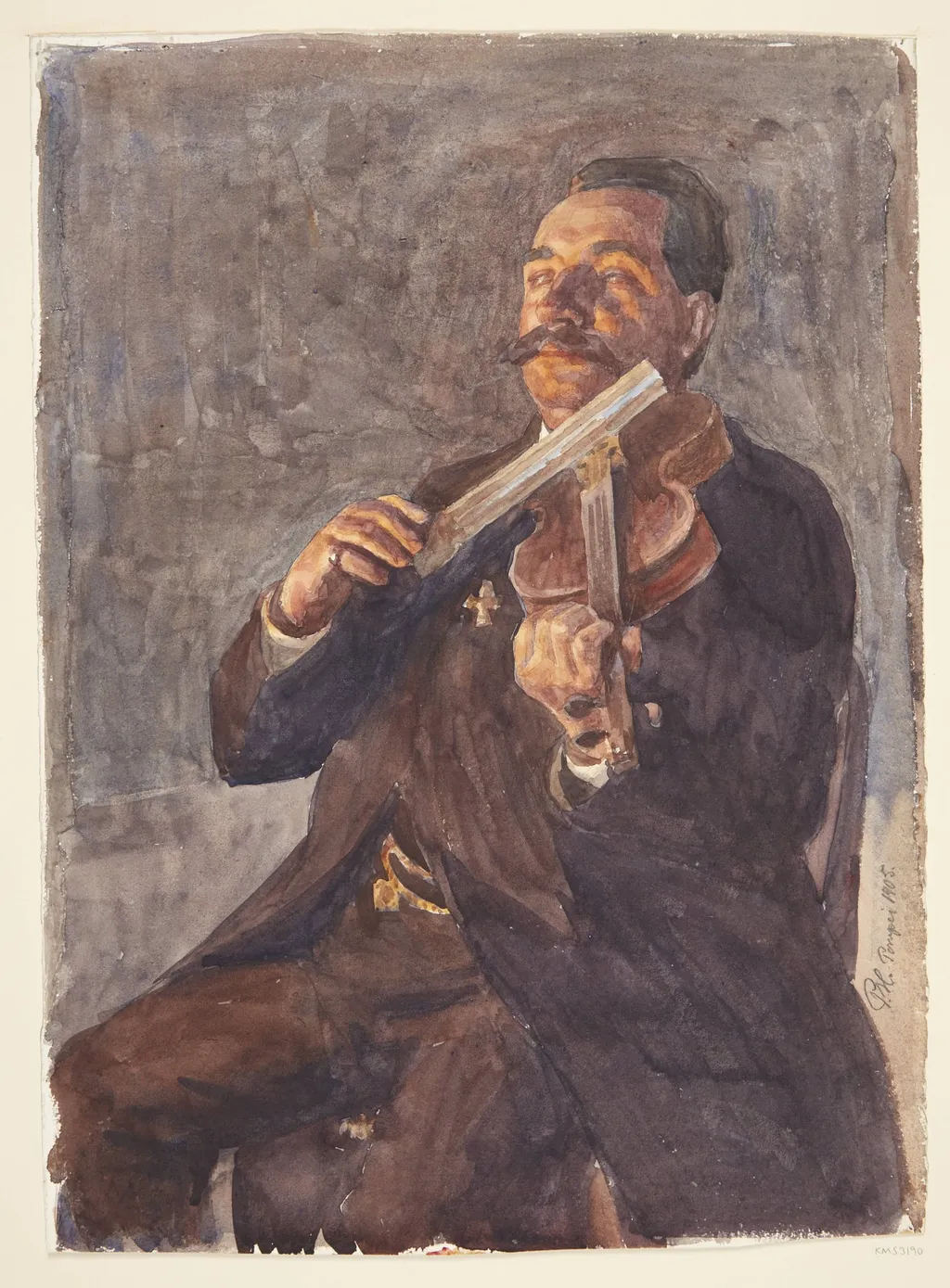
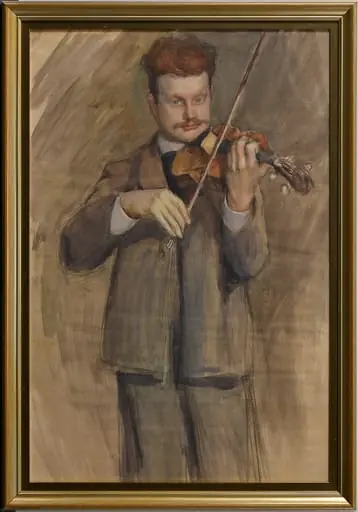
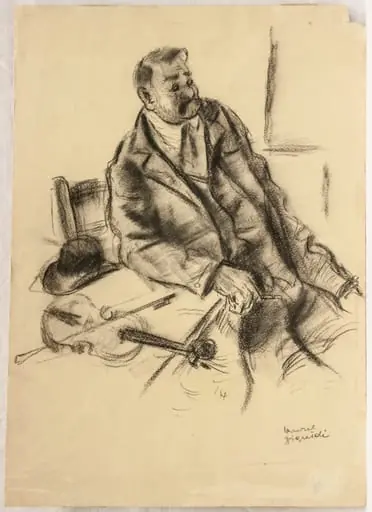
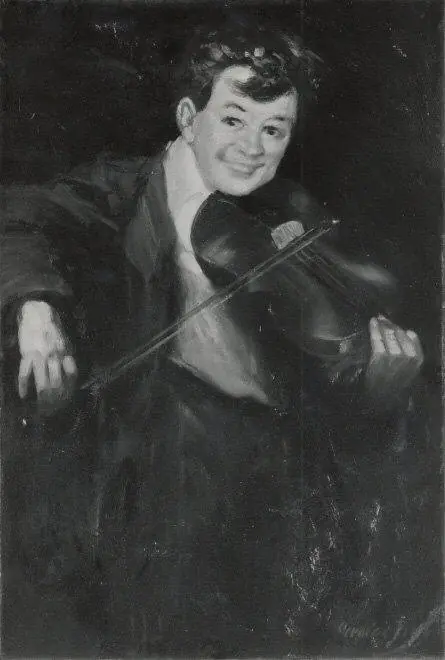
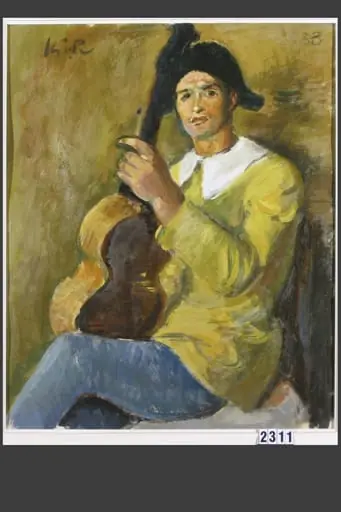
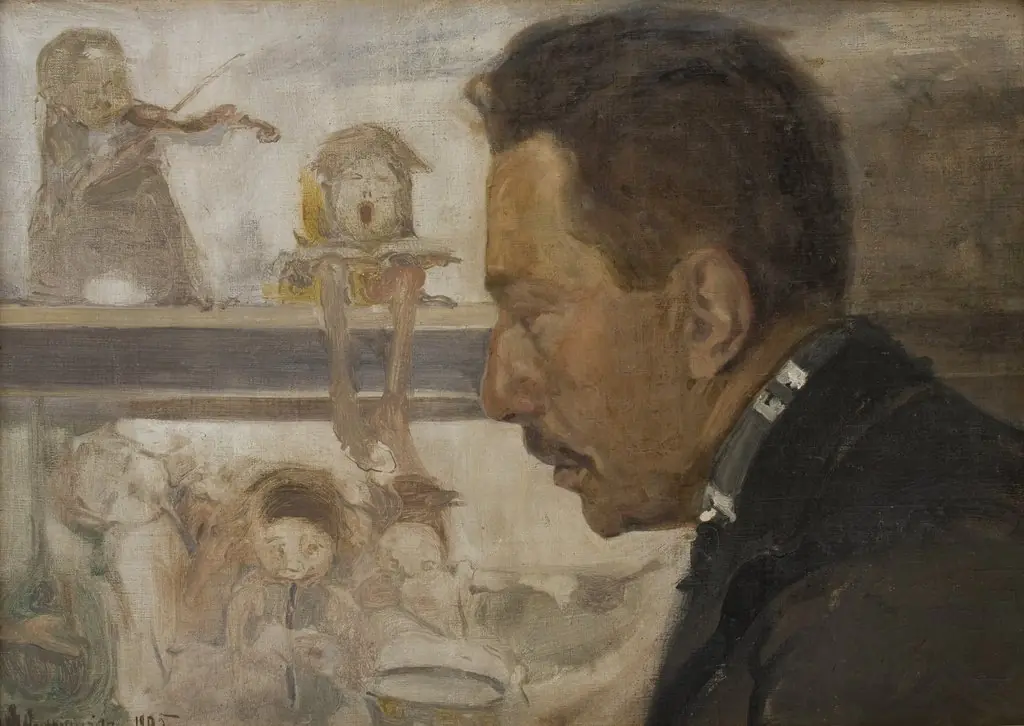
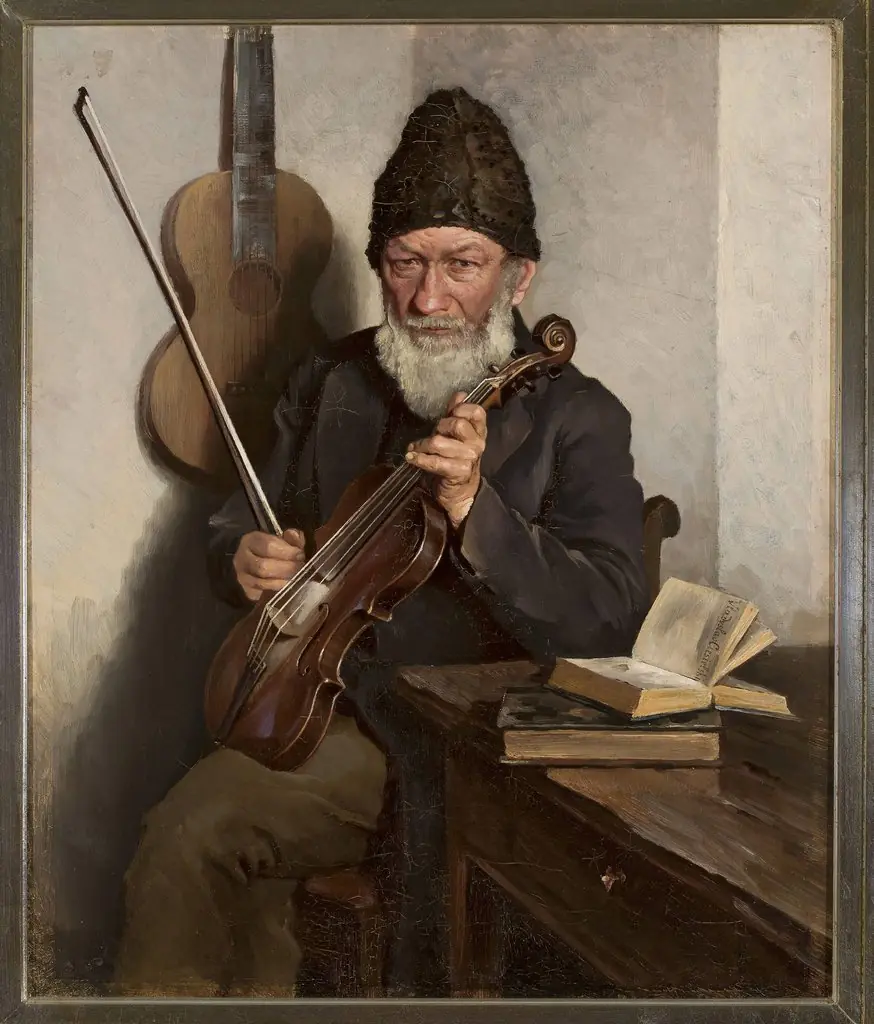
Il professore cavalieri di Luca is an unspecified painting by the Post-Impressionist artist Unknown. It dates from 1905 and is held in the collection of the Statens Museum for Kunst. Painted in 1905 by 188_person, this work depicts a man seated on a horse, dressed in attire suggestive of an earlier era.
About this work
Overview
Painted in 1905 by 188_person, this work depicts a man seated on a horse, dressed in attire suggestive of an earlier era. The piece resides in the Museum of Ethnography, where it is cataloged as part of a collection exploring cultural representation through visual art. Its composition centers on the figure’s presence, rendered with careful attention to spatial depth and atmospheric detail.
Subject & Meaning
The central figure, identified as Il professore cavalieri di Luca, appears as a solitary rider, his expression introspective and his posture composed. His clothing, though stylized, evokes historical dress, suggesting a connection to tradition or memory. The horse, equally detailed, serves not as a symbol of action but as a steady companion, reinforcing the contemplative tone of the scene.
Technique & Style
The artist employs subtle gradations of light and shadow to model form, particularly in the rendering of the face and the horse’s harness. These effects recall the sfumato technique, where tones blend softly without harsh lines, creating a sense of volume and quiet realism. The background remains muted, directing focus entirely to the figures and their quiet interaction.
History & Provenance
The painting entered the Museum of Ethnography’s collection shortly after its creation, likely through direct acquisition or donation. Its provenance remains limited to institutional records, with no documented exhibition history prior to its inclusion in the museum’s permanent holdings. No private ownership or auction records are publicly available.
Context
Created in the early 20th century, the work reflects a period when artists across Europe revisited historical subjects with psychological nuance rather than romantic idealism. While not part of a major movement, it aligns with regional tendencies to explore identity and memory through quiet, intimate scenes, often set in rural or archaic settings.
Legacy
The painting has not been widely reproduced or studied outside the museum’s archives. Its significance lies in its quiet execution and the artist’s restrained approach to historical representation. It remains a modest but thoughtful example of early 20th-century figurative work within the ethnographic art context.
Artist & collection

 Domestic Scene
 Giacomo and Cardinal Marco, investing Andrea, Abbot of San Zeno, with his Benefice
 The Nymph of Fontainebleau
 Portrait of a Woman
 Madonna and Child with Saints in the Enclosed Garden
 Venus and Minerva
 Family Group of Four on Sofa
 Wall painting from Room H of the Villa of P. Fannius Synistor at Boscoreale