Artwork
Francesco I de' Medici (1541-1587)
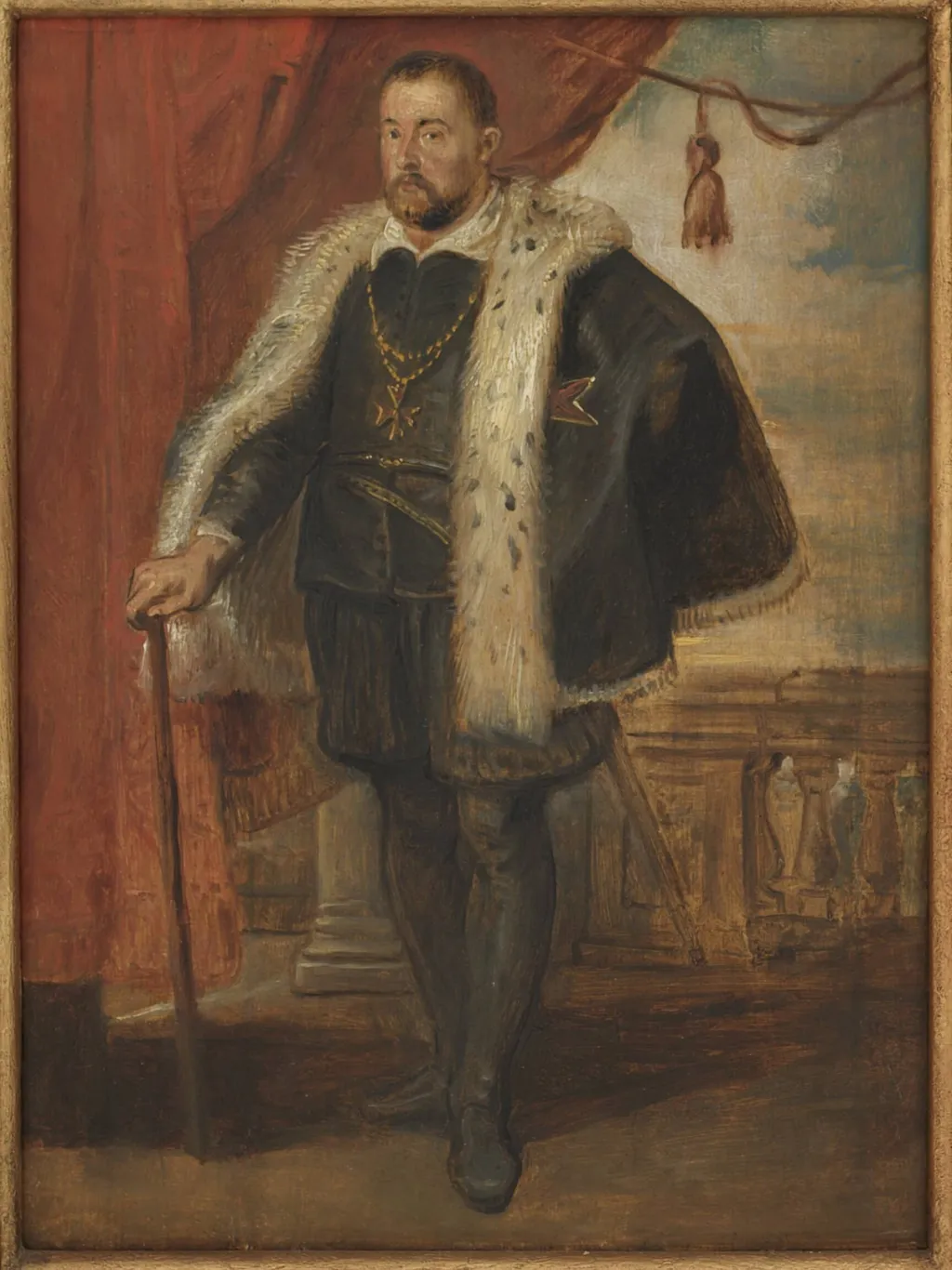
Francesco I de' Medici (1541-1587) is a photography by Unknown. It dates from 1622 and is held in the collection of the Statens Museum for Kunst. This portrait depicts Francesco I de' Medici, Grand Duke of Tuscany, painted around 1622, nearly thirty-five years after his death.
About this work
Overview
This portrait depicts Francesco I de' Medici, Grand Duke of Tuscany, painted around 1622, nearly thirty-five years after his death. Though created long after his lifetime, the image adheres to established iconography of his rule. The work is part of the collection at the Museum of Ethnography, where it functions more as a historical representation than a contemporary likeness.
Subject & Meaning
Francesco I is portrayed in formal court attire: a black garment with a white fur-lined cape, a gold chain of office, and a cane.
Francesco I is portrayed in formal court attire: a black garment with a white fur-lined cape, a gold chain of office, and a cane. These elements signal his noble rank and authority. The red curtain behind him evokes theatricality, reinforcing his public persona as a ruler. The image does not capture a specific moment but rather conveys the enduring symbolism of Medici power in the early 17th century.
Technique & Style
The painting employs a restrained palette dominated by dark tones, with the red curtain and gold chain providing contrast. Brushwork is precise but not overly detailed, favoring clarity of form over emotional intensity. The figure stands rigidly, facing the viewer directly, in a convention common in posthumous portraits meant to project dignity and continuity of lineage.
History & Provenance
Created around 1622, the portrait was likely commissioned to commemorate the Medici dynasty during a period of consolidation under Francesco’s successors. It was not painted from life, as Francesco died in 1587. Its presence in the Museum of Ethnography suggests it was acquired as part of a broader collection of European aristocratic imagery, possibly for comparative cultural study.
Context
In the early 1600s, the Medici family continued to cultivate their legacy through portraiture, even after Francesco’s controversial reign. This image reflects a trend of retrospective representation, where deceased rulers were depicted in idealized forms to reinforce dynastic legitimacy. Such portraits were often displayed in family residences or institutional collections to assert historical continuity.
Legacy
The portrait serves as a visual reference for how later generations remembered Francesco I—not as he was, but as he was meant to be remembered: composed, authoritative, and regal. Its preservation in an ethnographic museum underscores its role as a cultural artifact, illustrating how European nobility was visually codified and transmitted across time.
Artist & collection

 Domestic Scene
 Giacomo and Cardinal Marco, investing Andrea, Abbot of San Zeno, with his Benefice
 The Nymph of Fontainebleau
 Portrait of a Woman
 Madonna and Child with Saints in the Enclosed Garden
 Venus and Minerva
 Family Group of Four on Sofa
 Wall painting from Room H of the Villa of P. Fannius Synistor at Boscoreale
 José María de Murga y Reolid I marqués de Linares
 Portrait of a Man
 Portrait of William III, King of the Netherlands
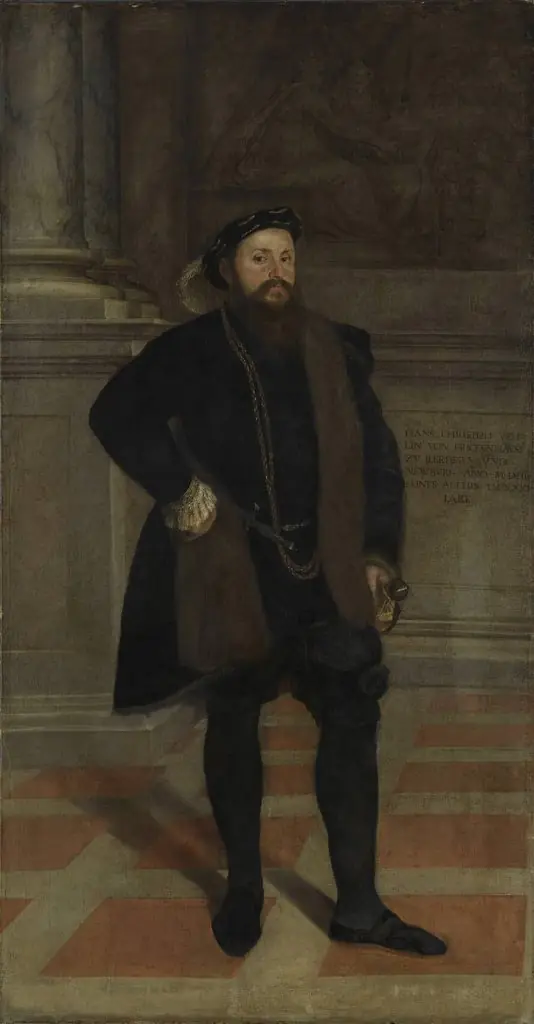 Hans Christoph I. Vöhlin von Frickenhausen (1522-1576)
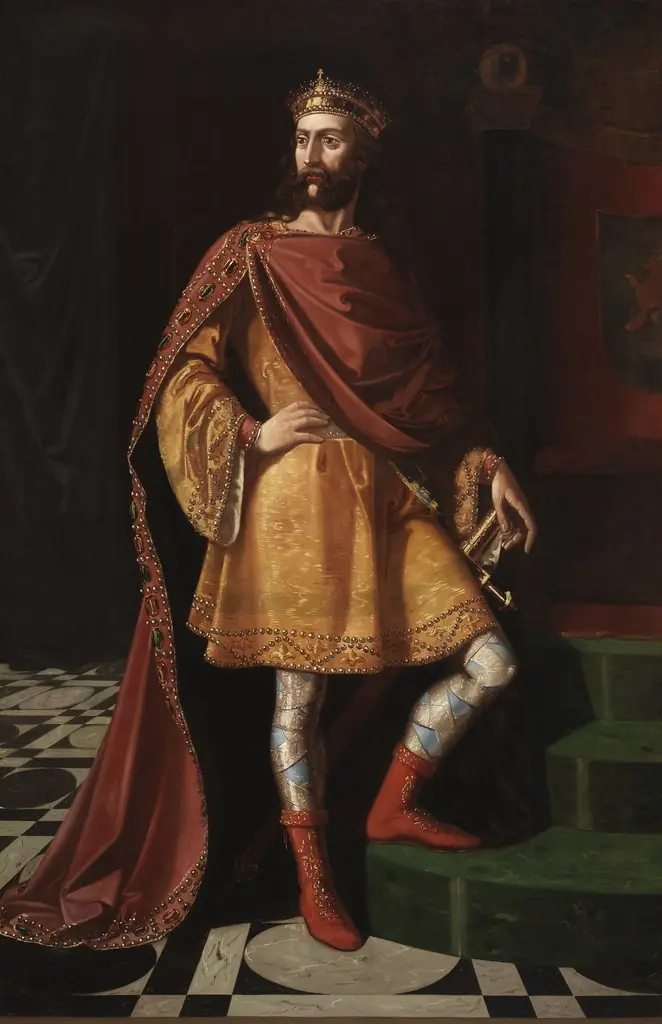 Ervigio
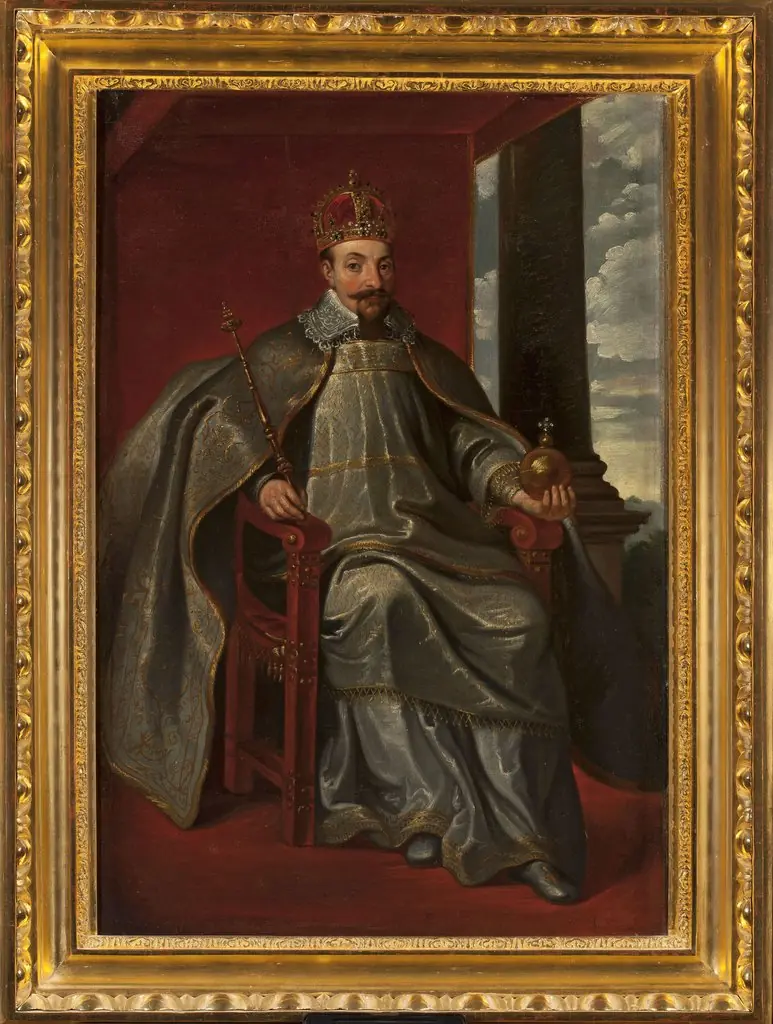 Portrait of king Sigismund III Vasa (1566–1632)
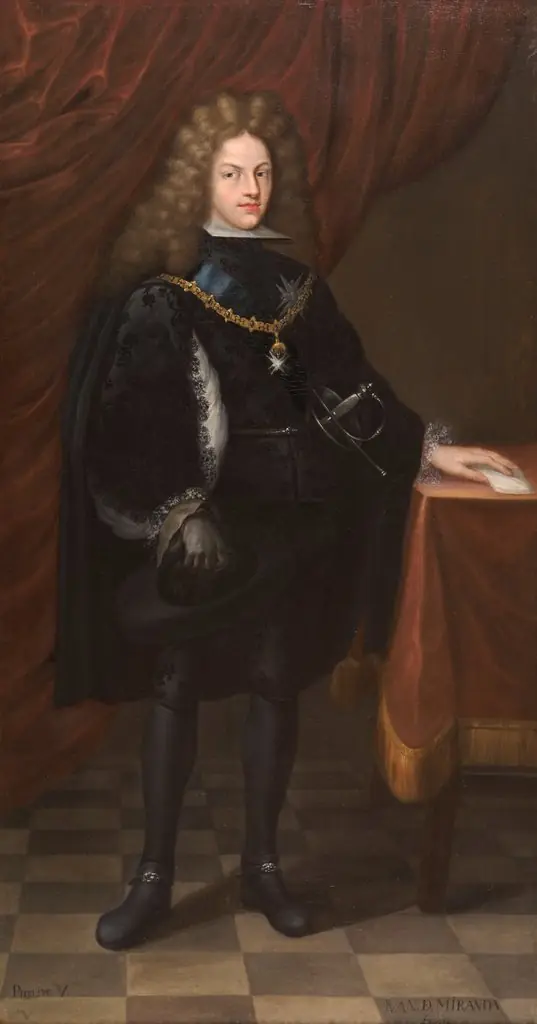 Philip V of Spain
 A Procurator of Saint Mark's
 Christian II of Denmark
 Portrait of Adrien Maurice de Noailles (1678-1766)
 Blaise de Montesquiou, seigneur de Montluc, maréchal de France
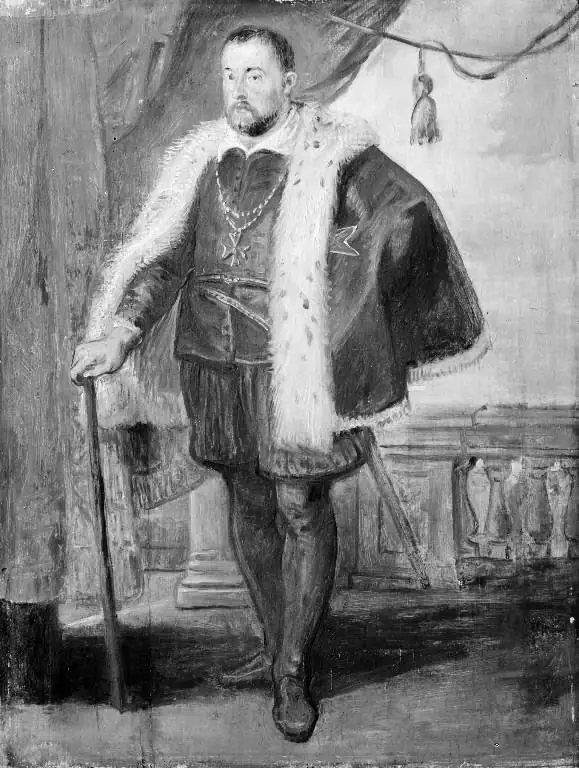 Portrait of Francesco I de' Medici (1541-1587), the father of Maria de' Medici