Artwork
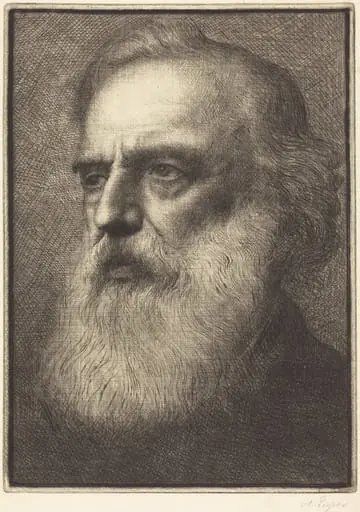
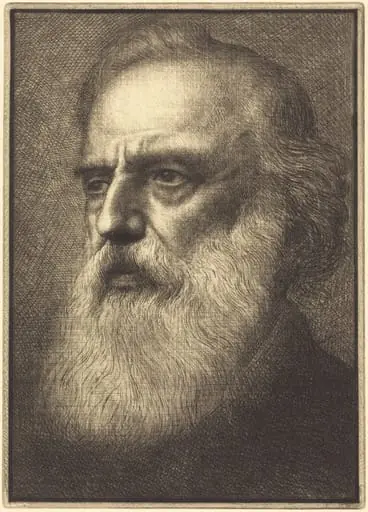
Bearded Old Man
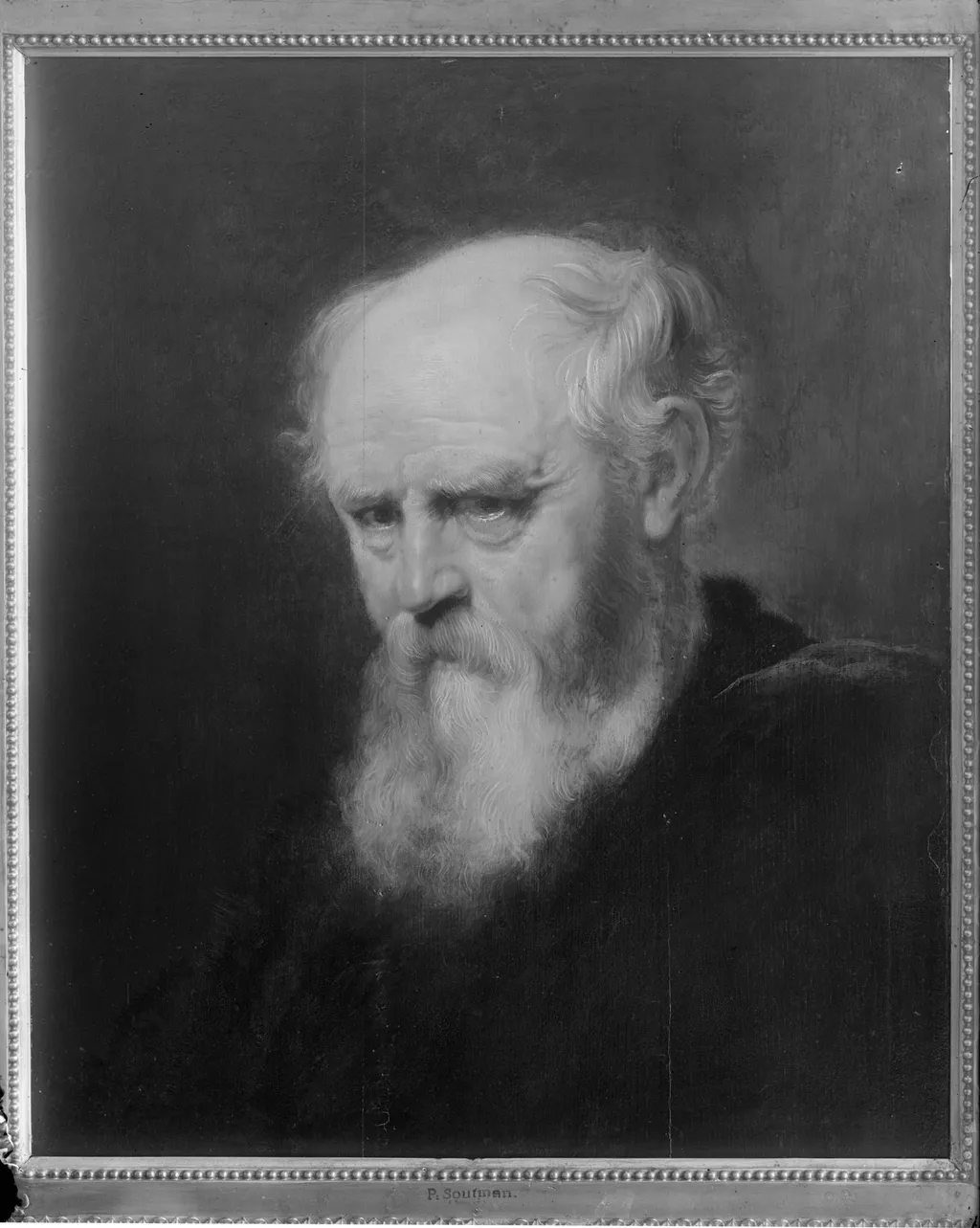
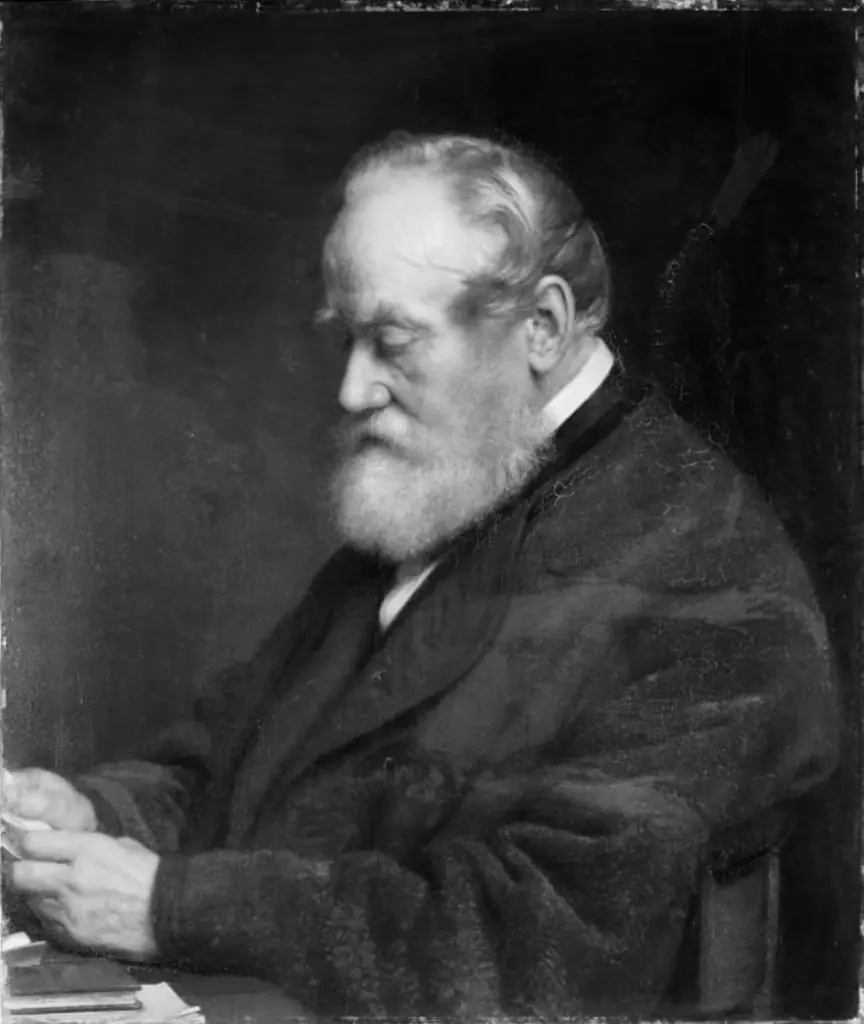
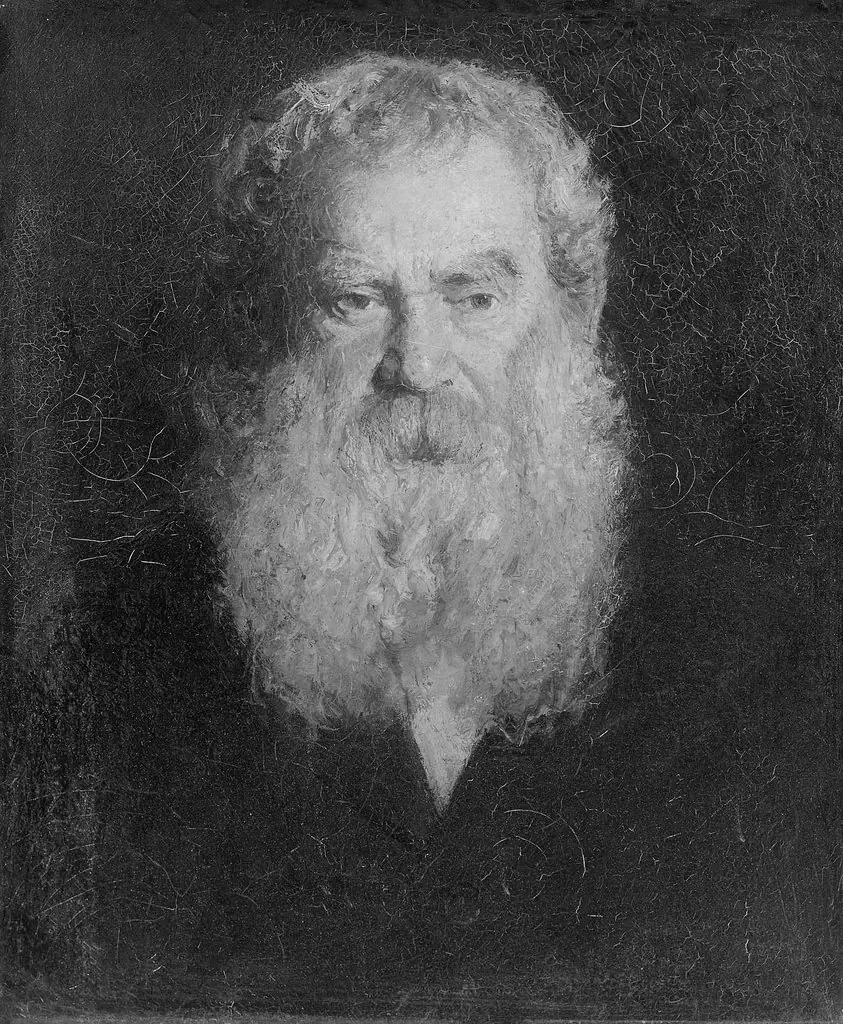
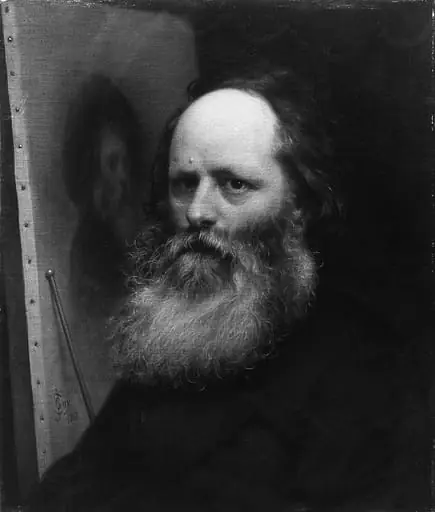
Bearded Old Man is a photography by Unknown. It dates from 1626 and is held in the collection of the Statens Museum for Kunst. This black-and-white photograph depicts an elderly man with a full, wavy beard and thick, unkempt hair.
About this work
Overview
This black-and-white photograph depicts an elderly man with a full, wavy beard and thick, unkempt hair. Created around 1626, the image is attributed to an artist active in the mid-17th century. It is currently held in the collection of the Museum of Ethnography. The composition is minimal, with no contextual elements, emphasizing the subject’s facial features through stark tonal contrasts.
Subject & Meaning
The subject is an aging man whose weathered face and dense beard suggest a life shaped by time and labor. His expression is neutral, neither emotive nor theatrical, inviting contemplation rather than narrative interpretation. The absence of identifiers—clothing, props, or setting—leaves his identity ambiguous, reinforcing a focus on universal human aging rather than individual biography.
Technique & Style
The plain, dark background eliminates distraction, directing all visual weight to the head and upper torso, a hallmark of intimate portraiture from this period.
The image employs chiaroscuro, using strong directional light to model the face with deep shadows and bright highlights. This technique enhances the texture of wrinkled skin and coarse beard hairs, giving the portrait a sculptural quality. The plain, dark background eliminates distraction, directing all visual weight to the head and upper torso, a hallmark of intimate portraiture from this period.
History & Provenance
The photograph’s origin is tied to a 17th-century artistic practice that documented human types, often for study or collection. It entered the Museum of Ethnography’s holdings in the late 19th or early 20th century, likely as part of a broader effort to classify and preserve visual records of diverse physiognomies. Its attribution to a specific artist remains uncertain, though stylistic cues align with Northern European traditions of the era.
Context
In the early 1600s, artists and collectors increasingly turned to realistic depictions of ordinary individuals, moving beyond idealized portraits. This image reflects that shift, capturing a non-elite subject with psychological presence. It may have served as a study for painters or as part of a private cabinet of curiosities, where human variation was examined as both scientific and aesthetic phenomenon.
Legacy
The image endures as a quiet testament to the power of light and shadow in conveying age and character. Though not widely exhibited, it contributes to scholarly understanding of early photographic and painterly approaches to human representation. Its simplicity continues to resonate in studies of portraiture, where minimalism reveals depth without embellishment.
Artist & collection

 Domestic Scene
 Giacomo and Cardinal Marco, investing Andrea, Abbot of San Zeno, with his Benefice
 The Nymph of Fontainebleau
 Portrait of a Woman
 Madonna and Child with Saints in the Enclosed Garden
 Venus and Minerva
 Family Group of Four on Sofa
 Wall painting from Room H of the Villa of P. Fannius Synistor at Boscoreale