Artwork
St Vincent de Paul at the Deathbed of Louis XIII
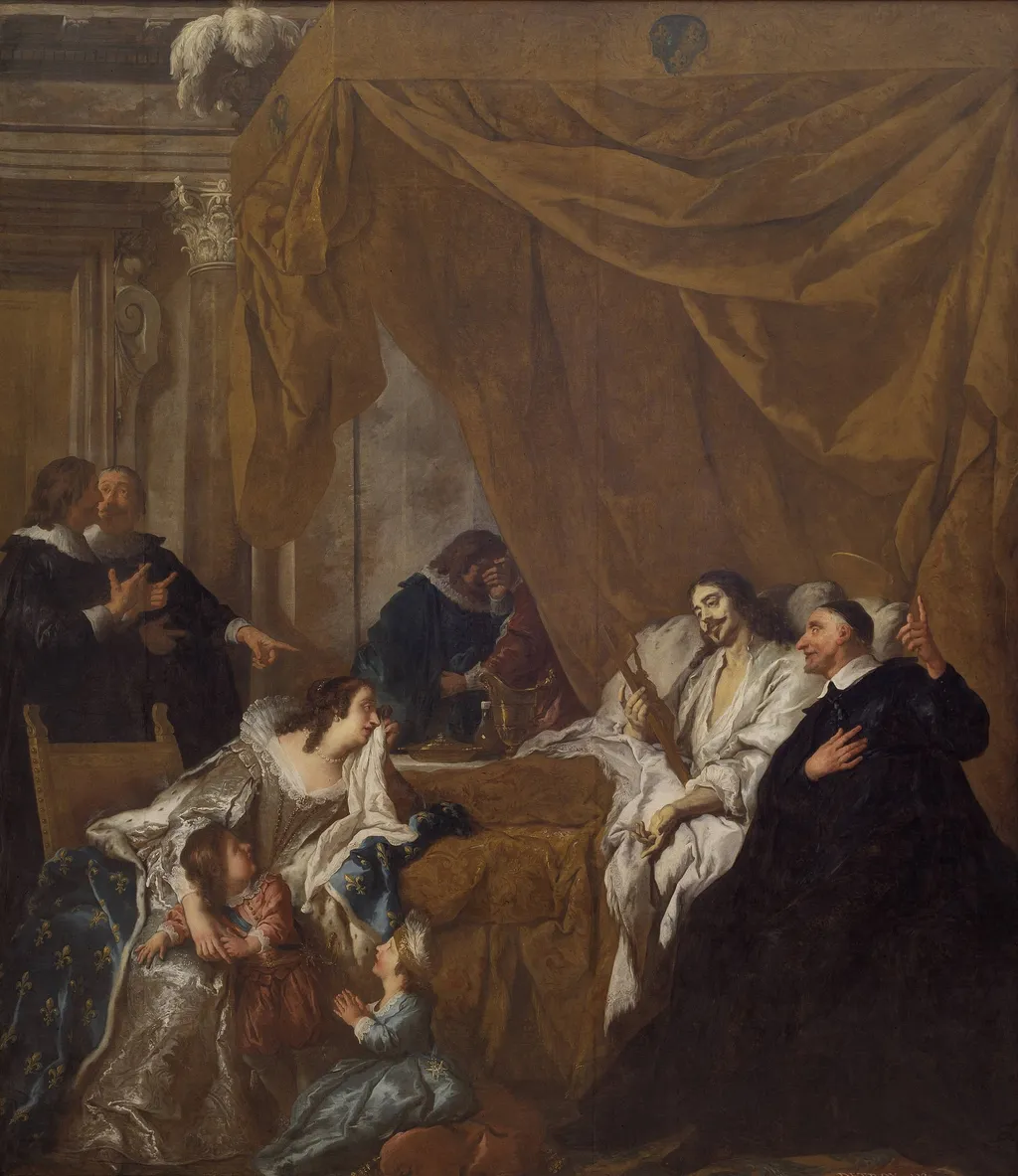
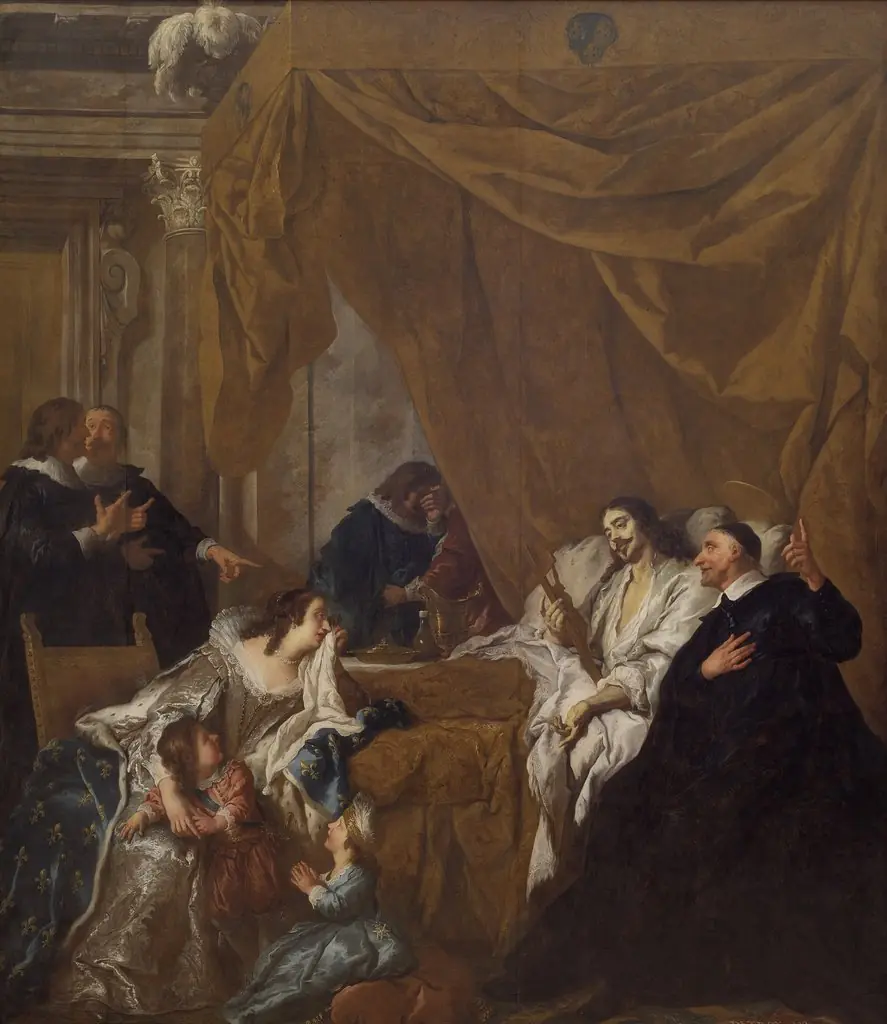
St Vincent de Paul at the Deathbed of Louis XIII is a photography by the Baroque artist Unknown. It dates from 1731 and is held in the collection of the Statens Museum for Kunst. Painted in 1731, this work depicts the final moments of King Louis XIII of France, surrounded by attendants and religious figures.
About this work
Overview
Painted in 1731, this work depicts the final moments of King Louis XIII of France, surrounded by attendants and religious figures.
Painted in 1731, this work depicts the final moments of King Louis XIII of France, surrounded by attendants and religious figures. The scene is rendered with solemn precision, emphasizing the gravity of royal death. It is currently held in the collection of the Museum of Ethnography, though its subject and style align more closely with French religious and courtly painting traditions of the early 18th century.
Subject & Meaning
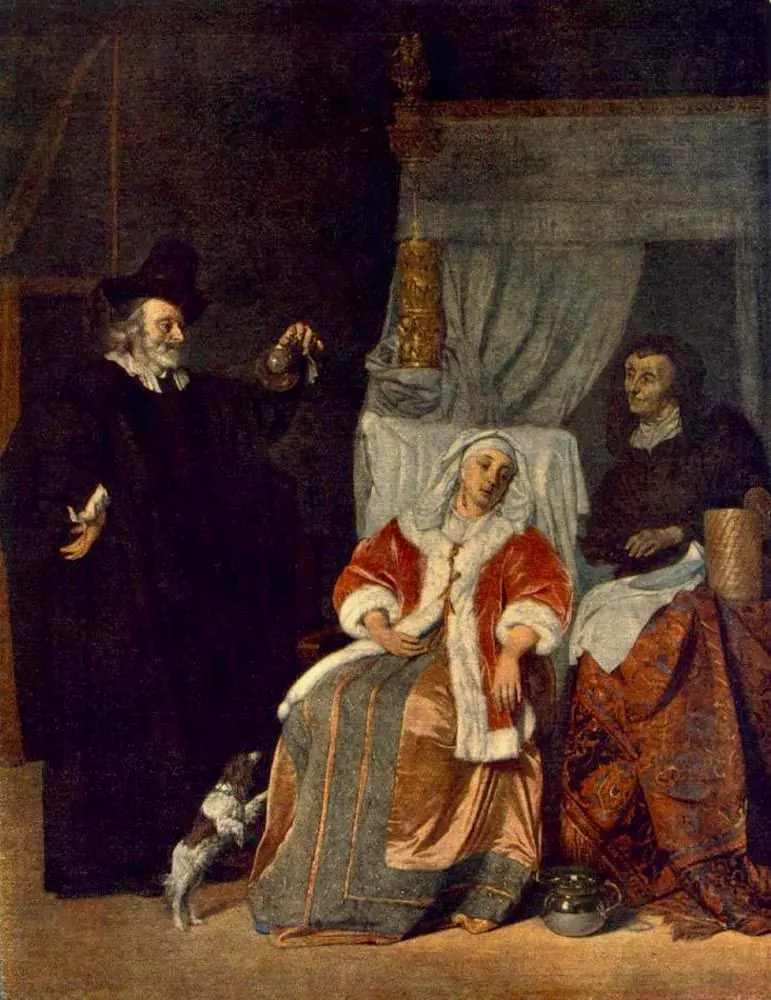
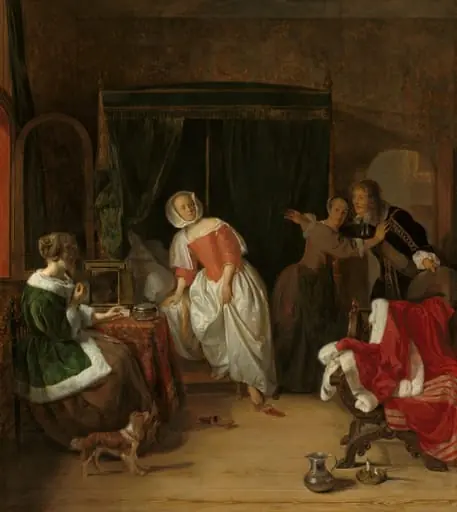
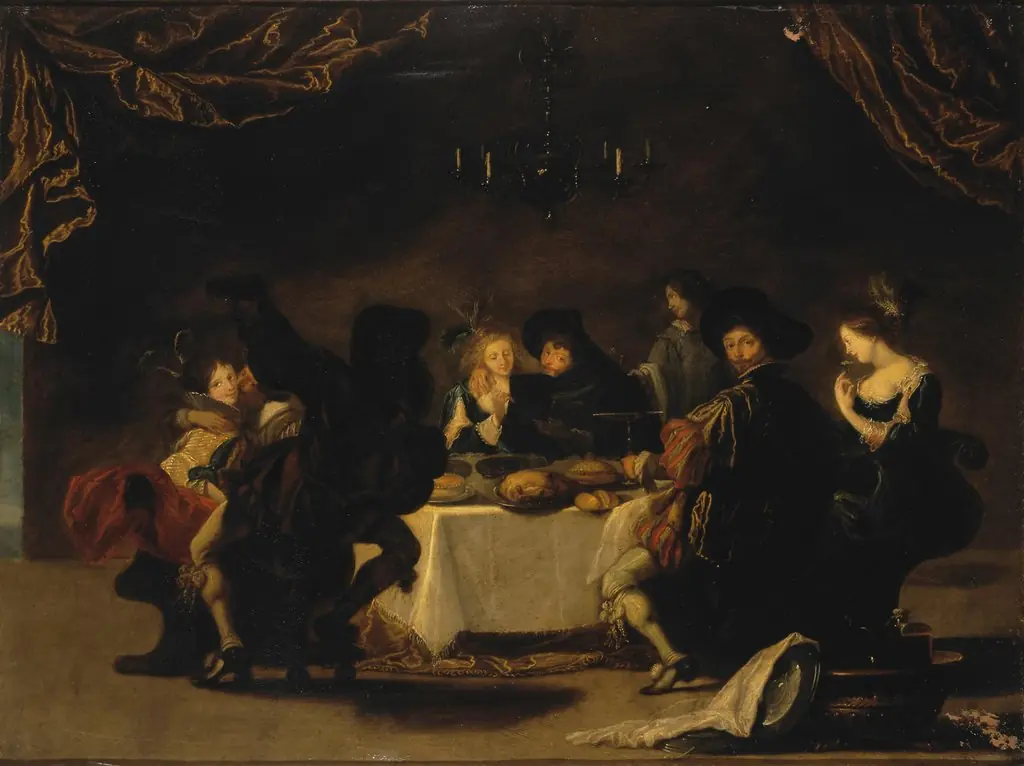
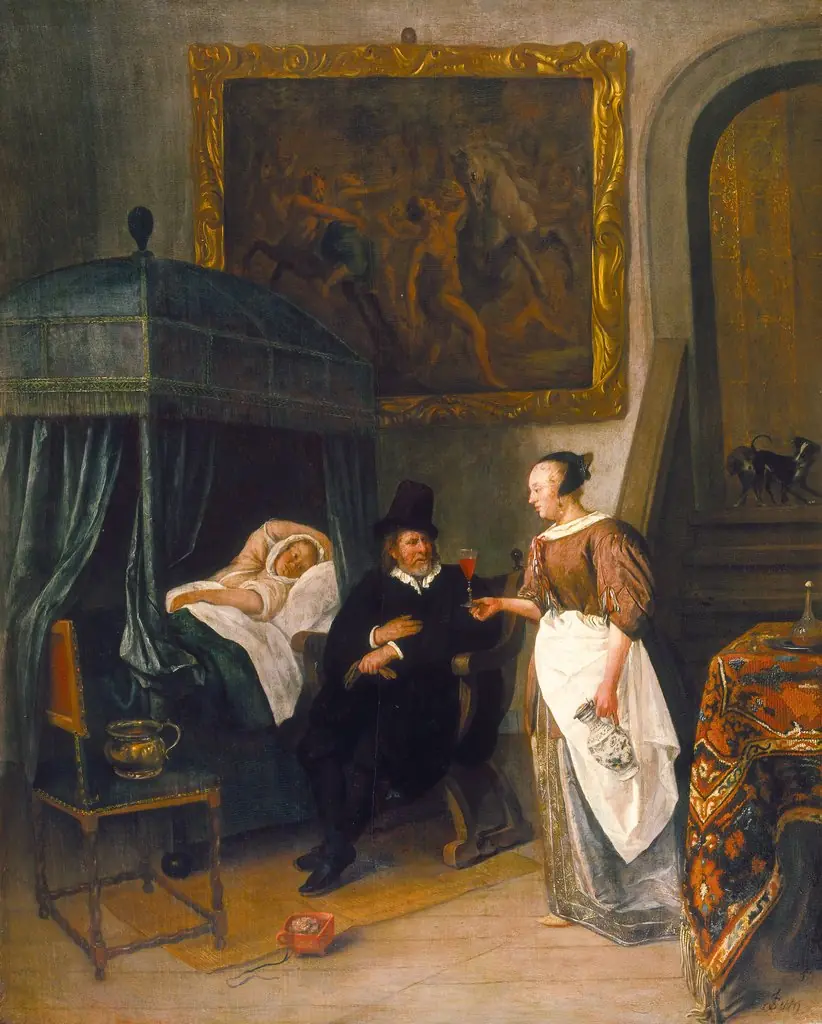
The painting captures the deathbed of Louis XIII, with Saint Vincent de Paul, identifiable by his simple white robe and contemplative demeanor, present as a spiritual witness. The king’s family, including a woman and two children, observe in quiet grief, while others pray or stand in solemn attention. The composition conveys the intersection of royal mortality and divine presence, reflecting the era’s belief in sacred duty at the moment of death.
Technique & Style
The artist employs a restrained Baroque style, using rich textures and deep shadows to heighten emotional weight. Gold-framed curtains and ornate furnishings frame the scene, directing focus to the central figures. Facial expressions are subtly rendered—grief, reverence, and resignation conveyed through posture and gaze rather than overt drama. The inclusion of a dog in the background adds a quiet, domestic realism amid the ceremonial setting.
History & Provenance
The painting was created in the early 18th century, likely commissioned to commemorate the king’s pious death and the role of religious figures in royal affairs. It entered the Museum of Ethnography’s collection in the late 19th or early 20th century, possibly through a donation or acquisition of ecclesiastical art. Its attribution to a specific artist remains uncertain, though its style reflects regional French workshop practices of the period.
Context
Louis XIII’s death in 1643 marked a transition in French monarchy, with his young son Louis XIV ascending the throne under the regency of Anne of Austria. Saint Vincent de Paul, a revered reformer of charitable institutions, was a trusted spiritual advisor to the royal family. Depictions of his presence at the king’s deathbed served to reinforce the alliance between the Church and the Crown during a time of political and religious consolidation.
Legacy
Though not widely exhibited or studied today, the painting remains a rare visual record of how religious authority was visually integrated into royal narratives. It reflects the enduring cultural practice of using art to legitimize power through piety. Its preservation in an ethnographic museum underscores its value as a document of social ritual rather than purely aesthetic achievement.
Artist & collection

 Domestic Scene
 Giacomo and Cardinal Marco, investing Andrea, Abbot of San Zeno, with his Benefice
 The Nymph of Fontainebleau
 Portrait of a Woman
 Madonna and Child with Saints in the Enclosed Garden
 Venus and Minerva
 Family Group of Four on Sofa
 Wall painting from Room H of the Villa of P. Fannius Synistor at Boscoreale