Artwork
Portrait of the Artist's Daughter Elisabeth, Married Lampe
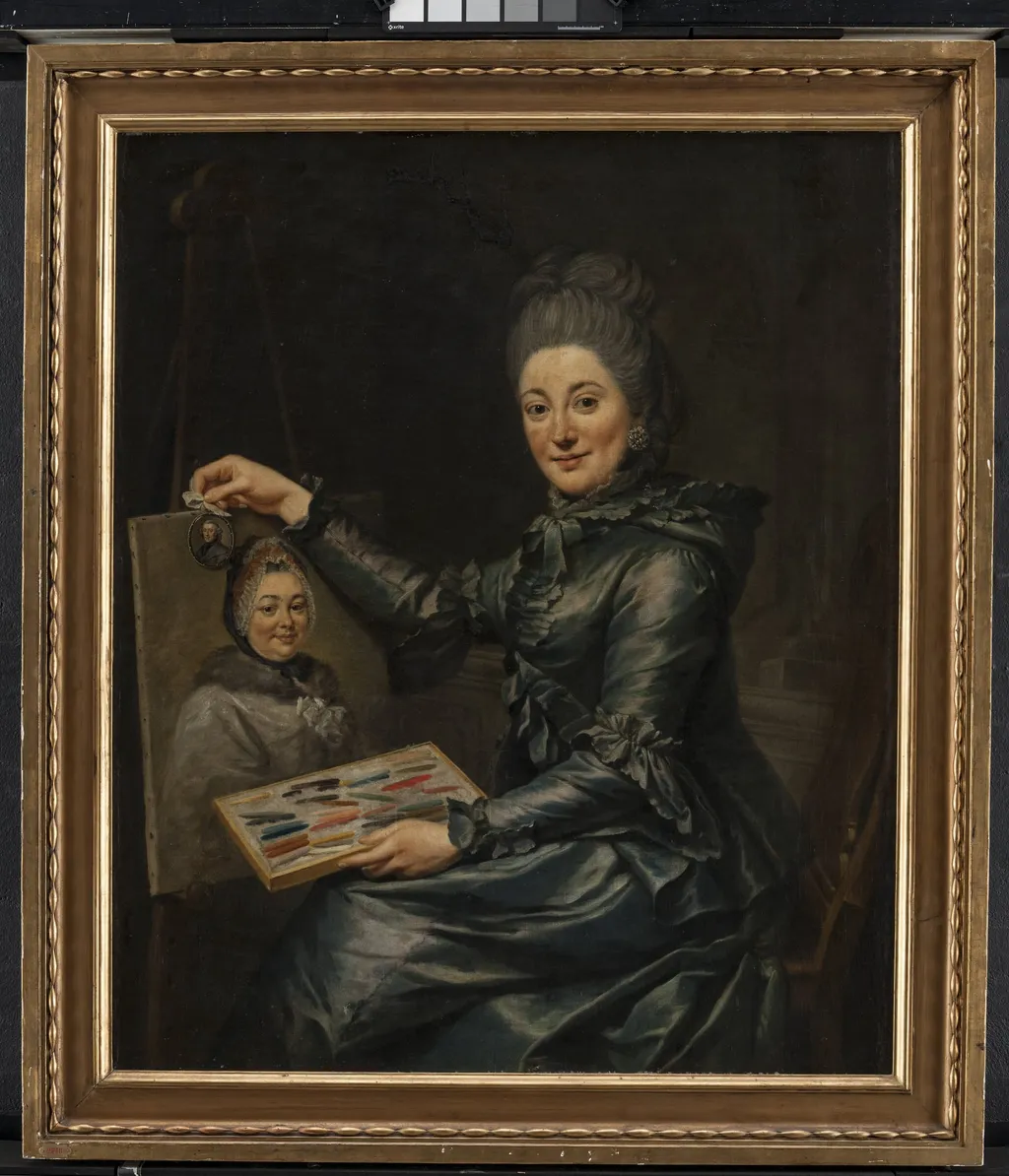
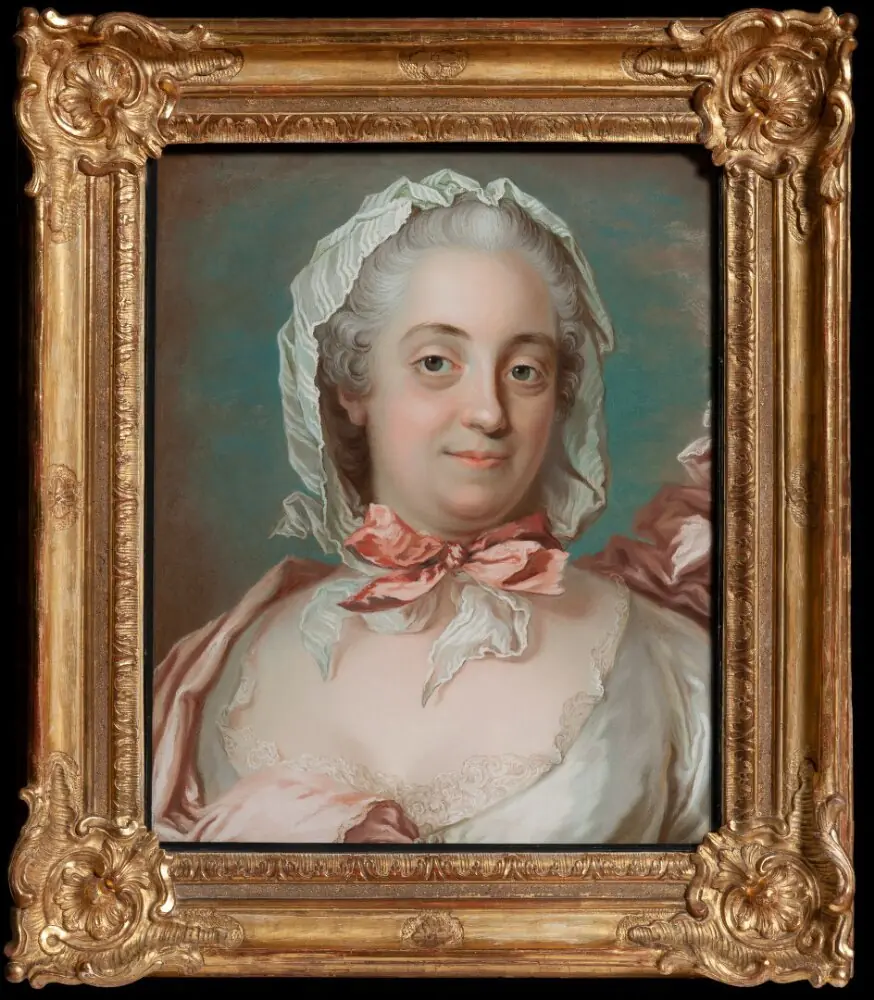
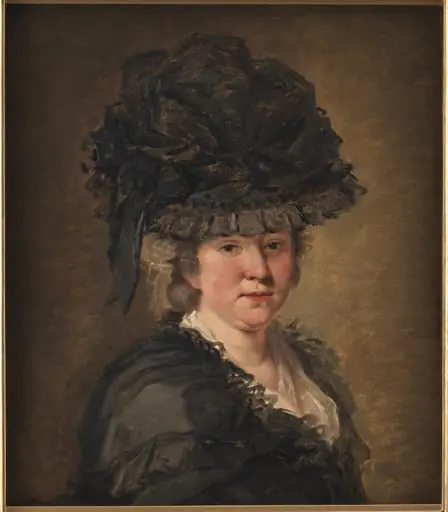
Portrait of the Artist's Daughter Elisabeth, Married Lampe is an unspecified painting by Unknown. It dates from 1750 and is held in the collection of the Statens Museum for Kunst. Painted around 1750, this portrait depicts Elisabeth Lampe, the artist’s daughter, dressed in formal 18th-century attire.
About this work
Overview
Her posture and the objects she holds— a framed image and a wooden paintbox—suggest a deliberate statement about identity and artistic lineage.
Painted around 1750, this portrait depicts Elisabeth Lampe, the artist’s daughter, dressed in formal 18th-century attire. The work is held in the collection of the Museum of Ethnography. Her posture and the objects she holds— a framed image and a wooden paintbox—suggest a deliberate statement about identity and artistic lineage. The composition is restrained, with a dark, unadorned background emphasizing her presence and the symbolic items she carries.
Subject & Meaning
Elisabeth Lampe is shown holding a small portrait of a child, likely her own daughter, and a paintbox, linking her to the artistic world. The framed image may signify maternal connection, while the paintbox implies her association with artistic practice, possibly as a practitioner or patron. Together, these objects convey a dual identity: as a mother and as someone embedded in the culture of art-making, challenging conventional gender roles of the period.
Technique & Style
The painting employs a muted palette and controlled lighting to direct attention to the sitter and her possessions. The dark, rich fabric of her dress contrasts with the lighter tones of the framed portrait and the wooden paintbox. Brushwork is precise but not overly detailed, favoring clarity over ornamentation. The background remains flat and shadowed, reinforcing the psychological focus on the subject and the symbolic weight of the objects she holds.
History & Provenance
The portrait entered the Museum of Ethnography’s collection in the early 20th century, though its earlier ownership remains undocumented. It was likely kept within the artist’s family before being transferred to institutional care. The absence of a signature or documented commission suggests it may have been a private work, intended for domestic rather than public display, yet preserved for its personal and cultural resonance.
Context
In mid-18th-century Europe, women’s participation in the arts was often limited to domestic or auxiliary roles. This portrait subtly asserts Elisabeth’s connection to artistic practice, a rare visual assertion for a woman of her time. The inclusion of a child’s portrait reflects contemporary ideals of maternal devotion, while the paintbox introduces an unspoken claim to creative agency, aligning her with the artisan class rather than purely aristocratic portraiture conventions.
Legacy
The portrait remains a quiet testament to the often-overlooked roles women played in artistic households. Its significance lies not in grandeur but in its specificity: a woman defined not by title or wealth, but by her relationship to art and family. It contributes to broader scholarly efforts to recover the invisible labor and identities of women in early modern artistic communities.
Artist & collection

 Domestic Scene
 Giacomo and Cardinal Marco, investing Andrea, Abbot of San Zeno, with his Benefice
 The Nymph of Fontainebleau
 Portrait of a Woman
 Madonna and Child with Saints in the Enclosed Garden
 Venus and Minerva
 Family Group of Four on Sofa
 Wall painting from Room H of the Villa of P. Fannius Synistor at Boscoreale