Artwork
Christ and the Adulteress
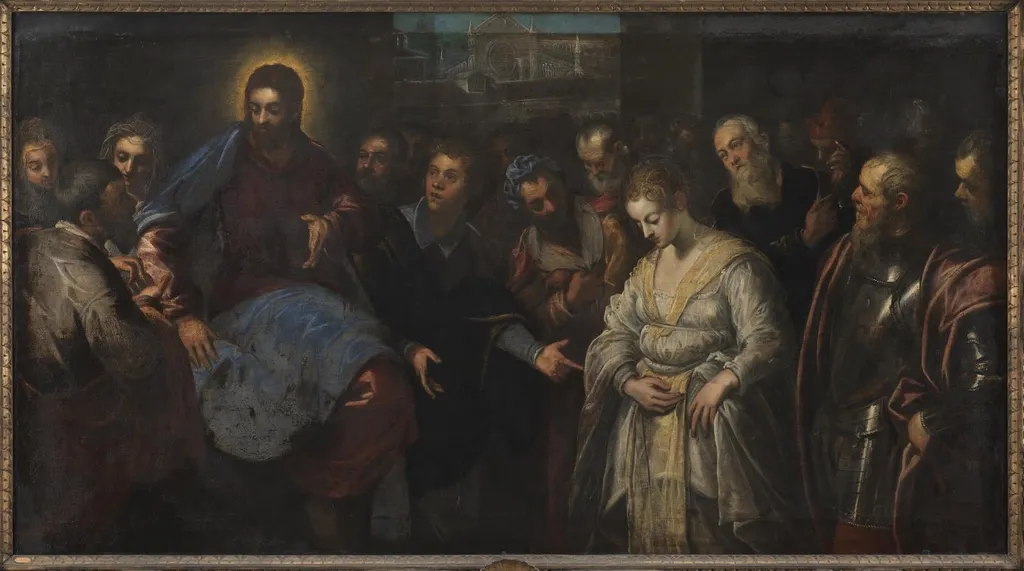
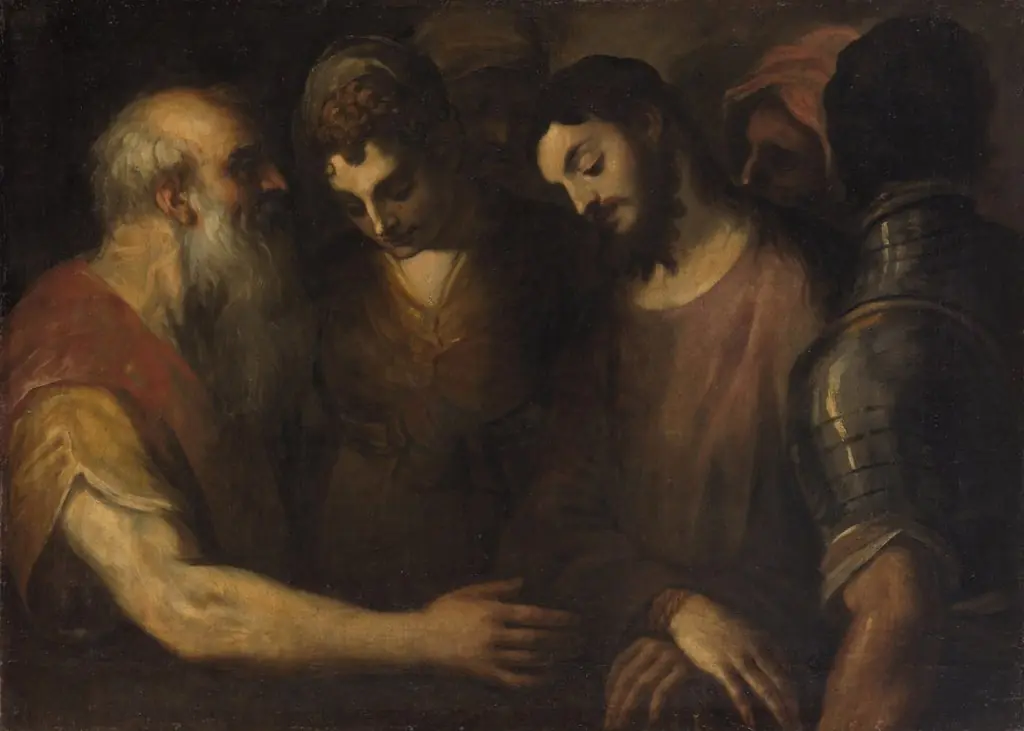
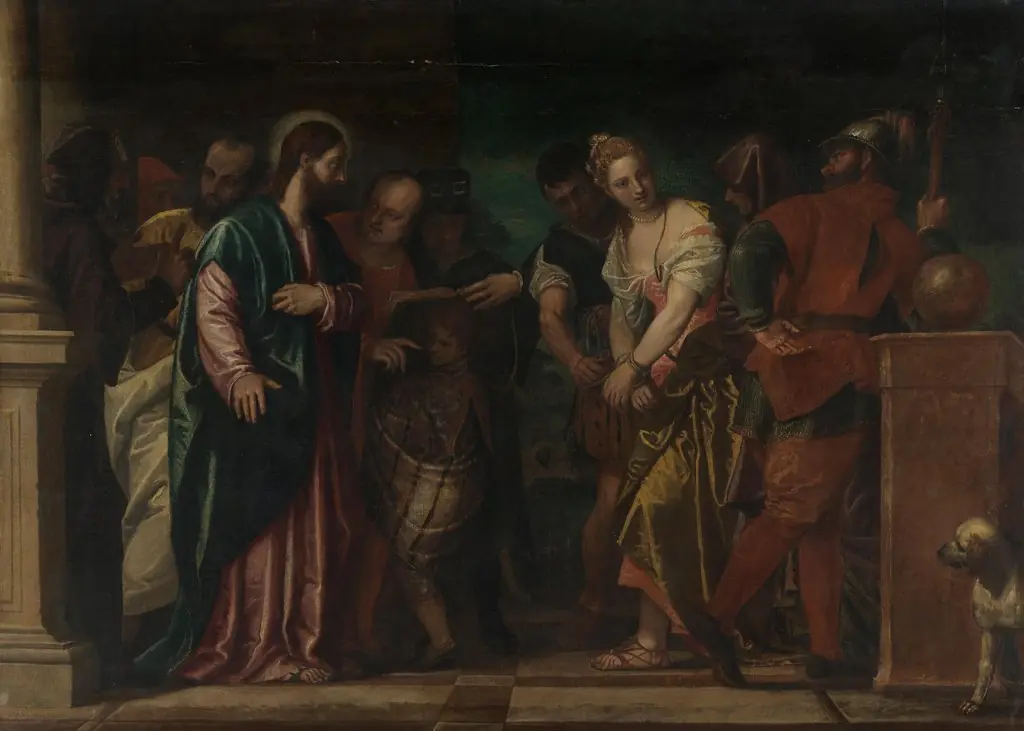
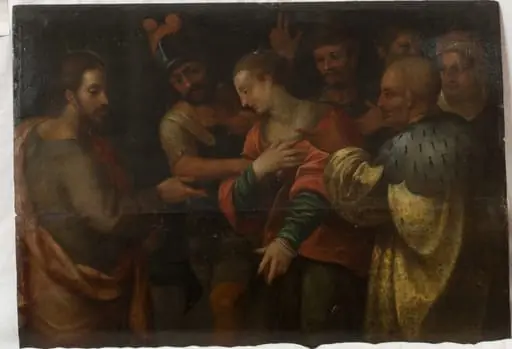
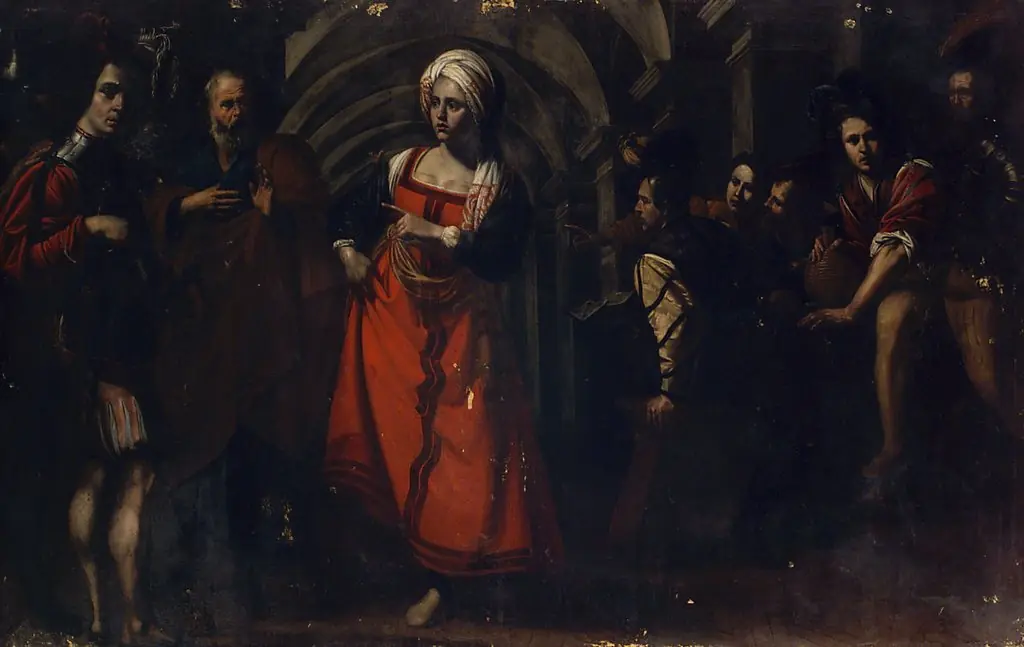
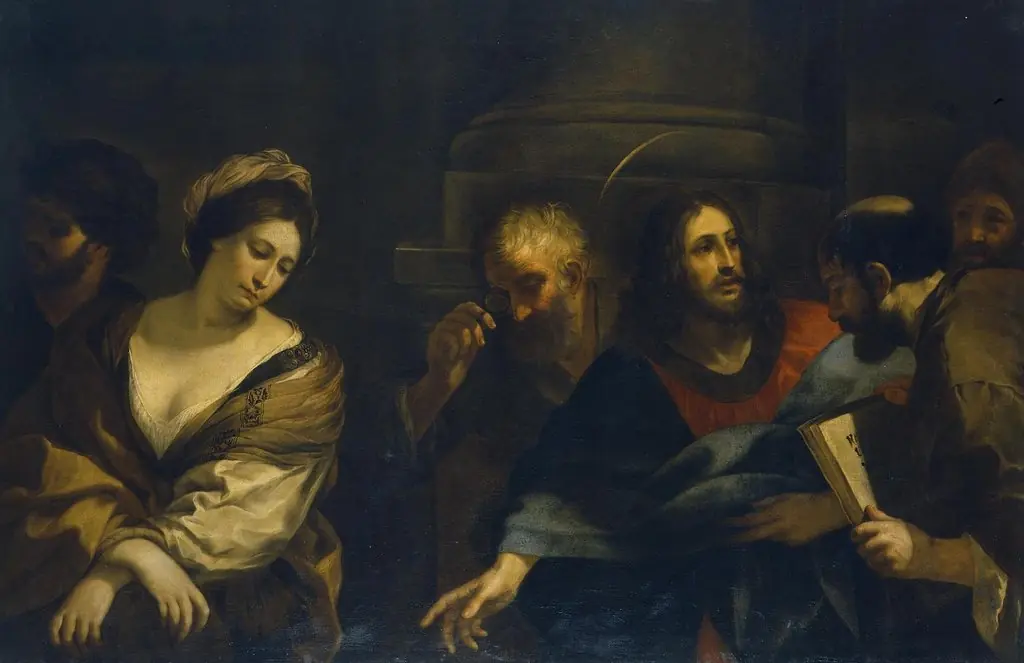
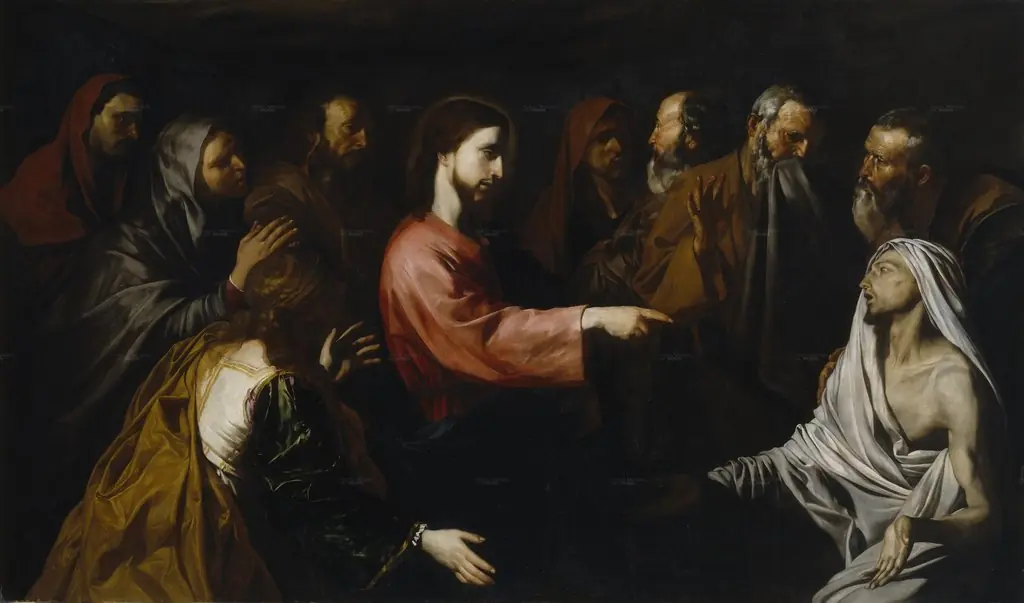
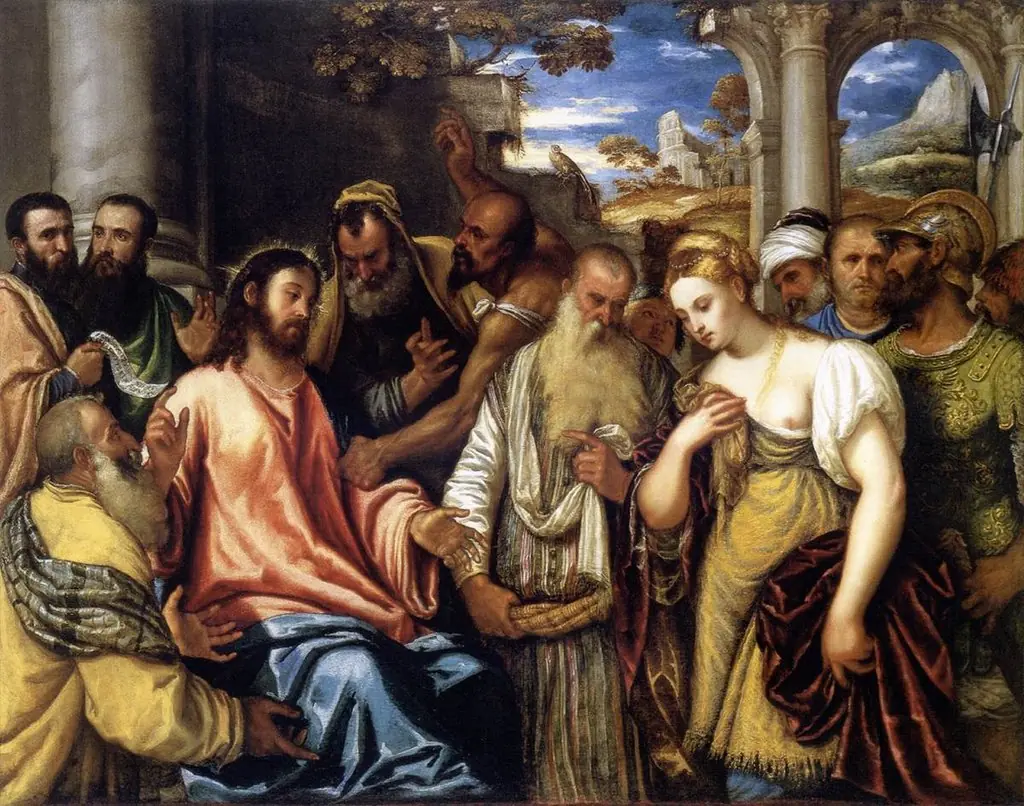
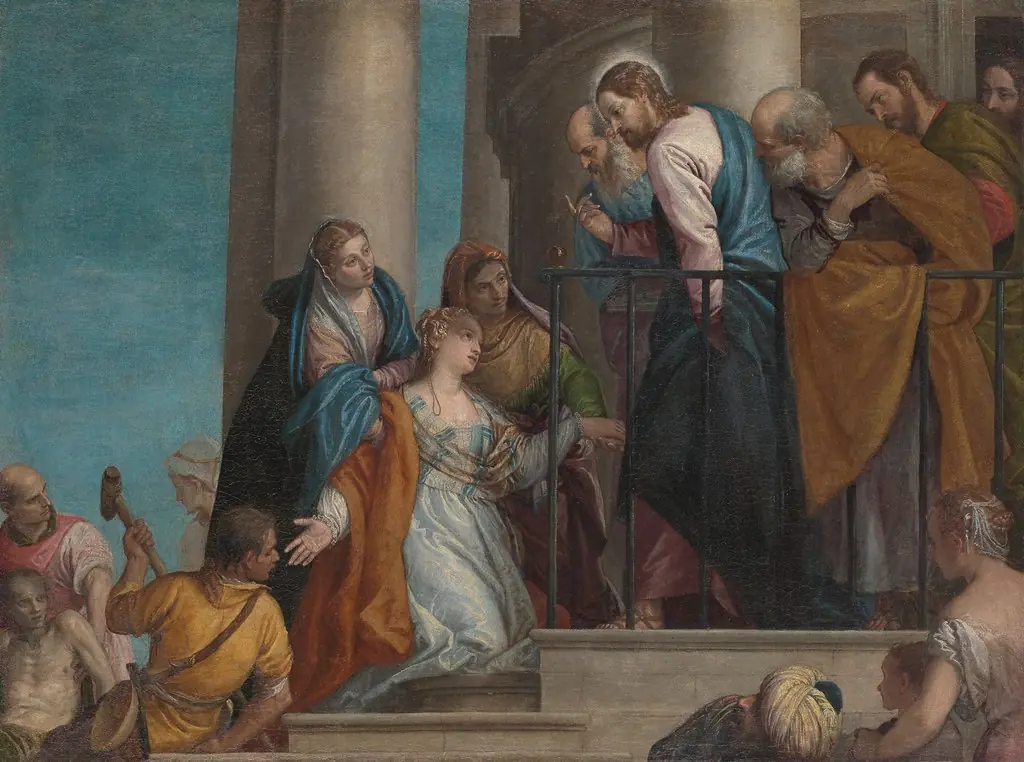
Christ and the Adulteress is a photography by Unknown. It dates from 1550 and is held in the collection of the Statens Museum for Kunst. Painted around 1550, this religious work depicts the biblical episode of Christ and the woman taken in adultery.
About this work
Overview
It is currently held in the collection of the Museum of Ethnography, though its origin and early ownership remain undocumented.
Painted around 1550, this religious work depicts the biblical episode of Christ and the woman taken in adultery. The scene is rendered in oil on panel, typical of mid-16th-century devotional art. It is currently held in the collection of the Museum of Ethnography, though its origin and early ownership remain undocumented. The composition centers on a moment of moral confrontation, rendered with heightened emotional intensity.
Subject & Meaning
The painting illustrates the moment from the Gospel of John when Christ, confronted by Pharisees seeking to stone an adulterous woman, responds with 'Let he who is without sin cast the first stone.' Christ stands calmly amid a hostile crowd, his outstretched hand silencing the accusers. The woman, kneeling and veiled in white, embodies penitence, while the surrounding figures convey judgment and moral ambiguity.
Technique & Style
The artist employs strong chiaroscuro to isolate Christ and the woman, drawing focus through contrast between light and shadow. Rich red and blue garments anchor the central figures against a muted background. Facial expressions are subtly rendered, avoiding theatricality while preserving psychological tension. Brushwork is controlled, with attention to textile texture and spatial depth, reflecting influences from Northern Renaissance traditions.
History & Provenance
The painting’s early history is unrecorded; it entered the Museum of Ethnography in the late 19th century, likely as part of a broader collection of religious art acquired from private European holdings. No documentation links it to a specific patron or commission. Its attribution to 21981_person is based on stylistic parallels with other works in the artist’s oeuvre, though no signed or dated examples confirm this definitively.
Context
Created during the Counter-Reformation, the subject resonated with Catholic efforts to emphasize Christ’s mercy and moral authority over legalistic judgment. While the artist’s identity remains uncertain, the painting aligns with regional trends in Central European religious art that favored narrative clarity and emotional restraint. It reflects a broader shift away from ornate altarpieces toward intimate, psychologically charged devotional imagery.
Legacy
Though not widely exhibited or reproduced, the painting contributes to the understanding of how biblical narratives were visually interpreted in mid-16th-century Europe outside major artistic centers. Its preservation in an ethnographic museum rather than a fine arts institution suggests its reception as a cultural artifact rather than a celebrated work of art, offering insight into the shifting values of religious imagery over time.
Artist & collection

 Domestic Scene
 Giacomo and Cardinal Marco, investing Andrea, Abbot of San Zeno, with his Benefice
 The Nymph of Fontainebleau
 Portrait of a Woman
 Madonna and Child with Saints in the Enclosed Garden
 Venus and Minerva
 Family Group of Four on Sofa
 Wall painting from Room H of the Villa of P. Fannius Synistor at Boscoreale