Artwork
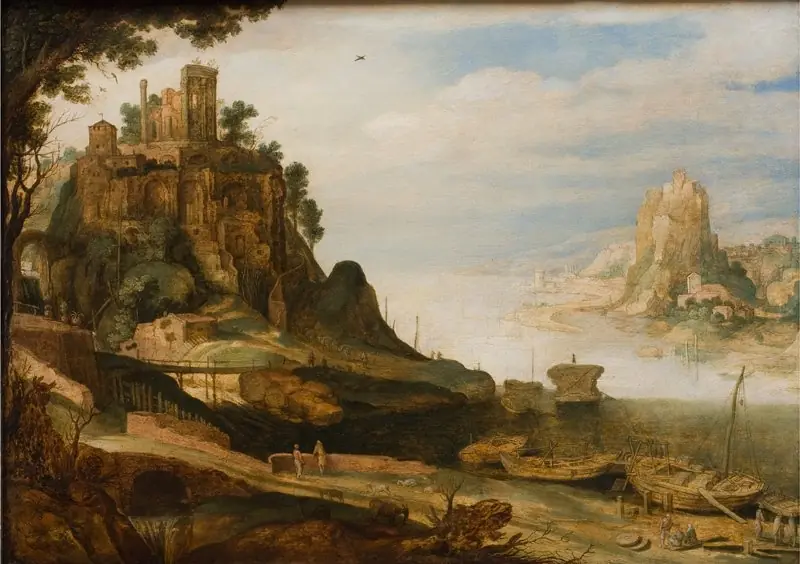
Coast Landscape with the so-called Temple of Sibyl at Tivoli
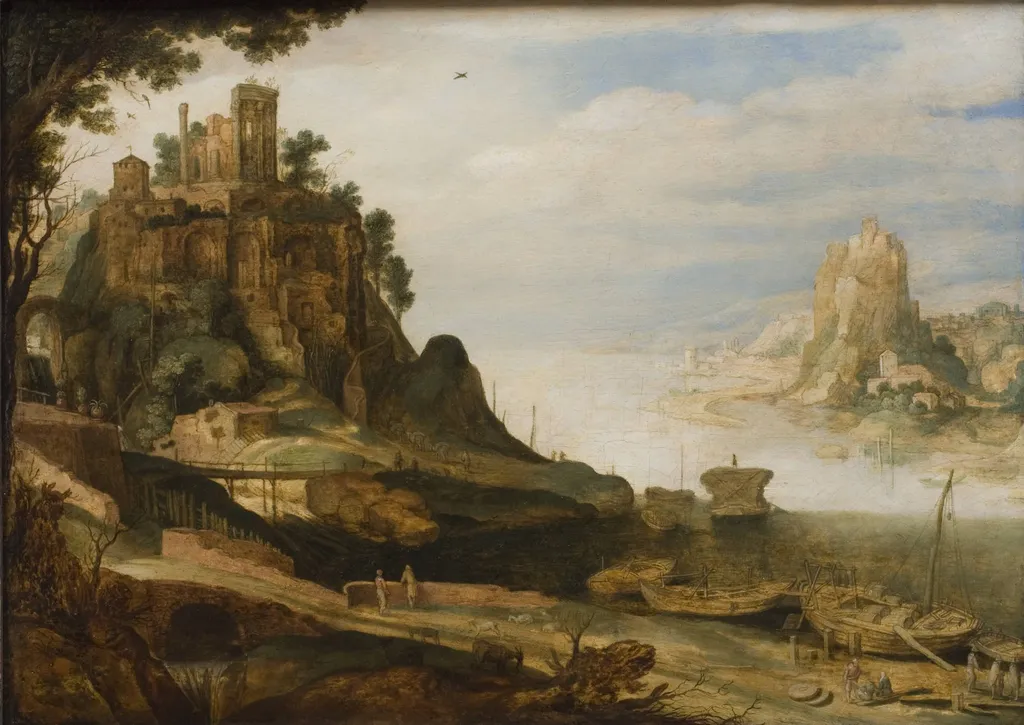
Coast Landscape with the so-called Temple of Sibyl at Tivoli is an unspecified painting by Unknown. It dates from 1624 and is held in the collection of the Statens Museum for Kunst. Created around 1624, this landscape presents a rugged shoreline where a dilapidated structure crowns a cliff above gentle waters.
About this work
Overview
Created around 1624, this landscape presents a rugged shoreline where a dilapidated structure crowns a cliff above gentle waters. Small vessels drift near the bank while a narrow path hosts solitary figures. The sky is pale, dotted with scattered clouds, lending the scene a tranquil, somewhat isolated atmosphere.
Subject & Meaning
The composition juxtaposes the remnants of an ancient edifice—identified as the so‑called Temple of Sibyl at Tivoli—with the natural elements of rock, sea, and sky. The presence of a few walkers and boats suggests human activity persists amid decay, hinting at the passage of time and the endurance of the landscape.
Technique & Style
The artist employs a pronounced contrast of light and shadow, highlighting the sunlit facets of the cliffs while casting deeper tones in the recesses. This chiaroscuro effect accentuates the texture of the stone and the ruin’s outline, creating a sense of depth and three‑dimensionality within the flat surface.
History & Provenance
Attributed to the anonymous creator catalogued as 22278_person, the work entered the collection of the Museum of Ethnography, where it remains on display. Its dating to the early seventeenth century places it within a period of heightened interest in Italianate landscape motifs.
Context
The depiction of the Temple of Sibyl aligns with a broader European fascination with classical ruins and their integration into pastoral scenes. Such images often served both as studies of antiquity and as allegorical reflections on the transience of human achievements against nature’s permanence.
Artist & collection

 Domestic Scene
 Giacomo and Cardinal Marco, investing Andrea, Abbot of San Zeno, with his Benefice
 The Nymph of Fontainebleau
 Portrait of a Woman
 Madonna and Child with Saints in the Enclosed Garden
 Venus and Minerva
 Family Group of Four on Sofa
 Wall painting from Room H of the Villa of P. Fannius Synistor at Boscoreale
 Landschaft mit dem Gang nach Emmaus
 Mountain landscape
 Mountain landscape with castle
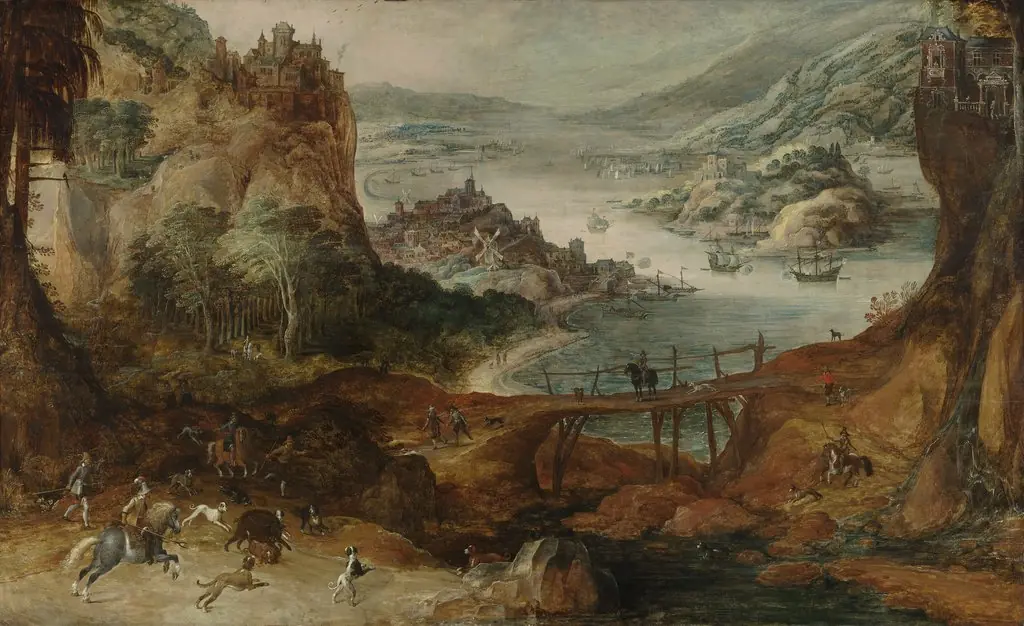 River landscape with boar hunt
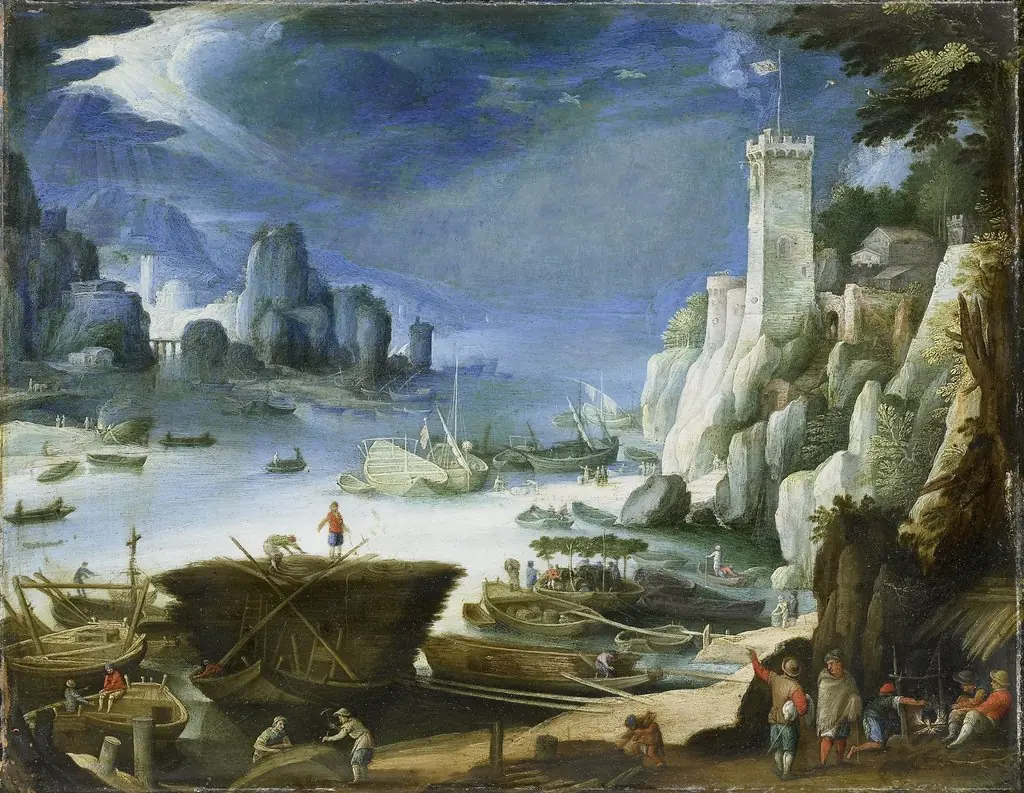 River view with Large Rock
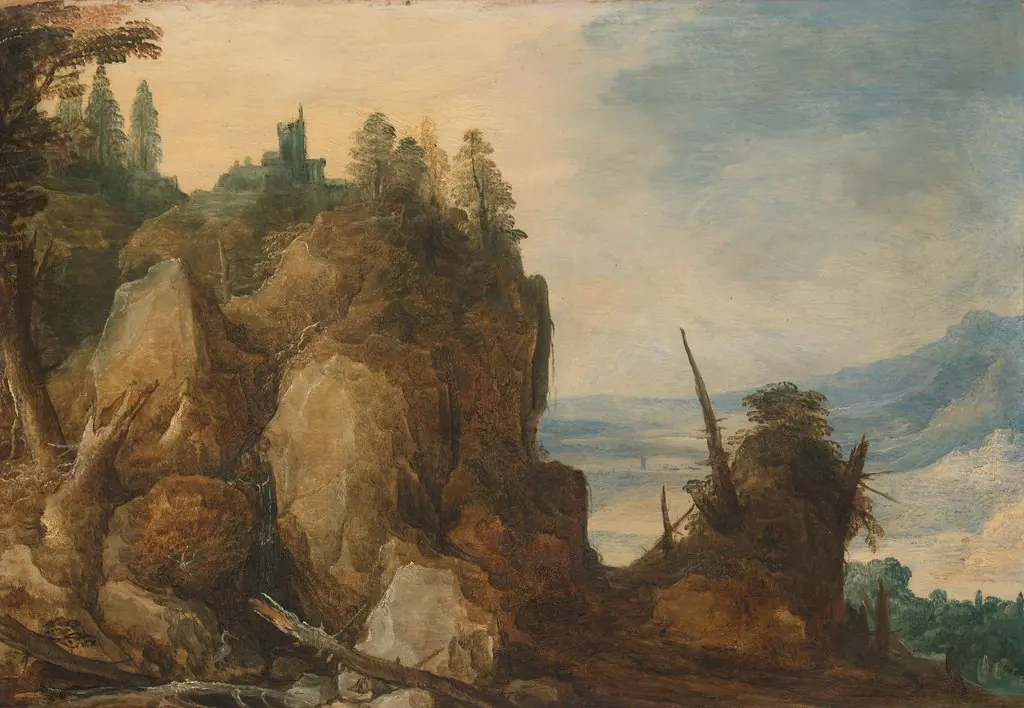 Mountain view
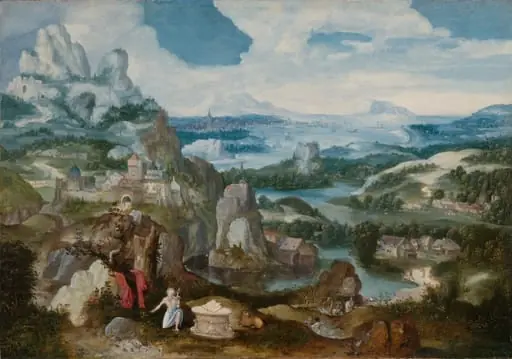 Landscape with the Penitent Saint Jerome
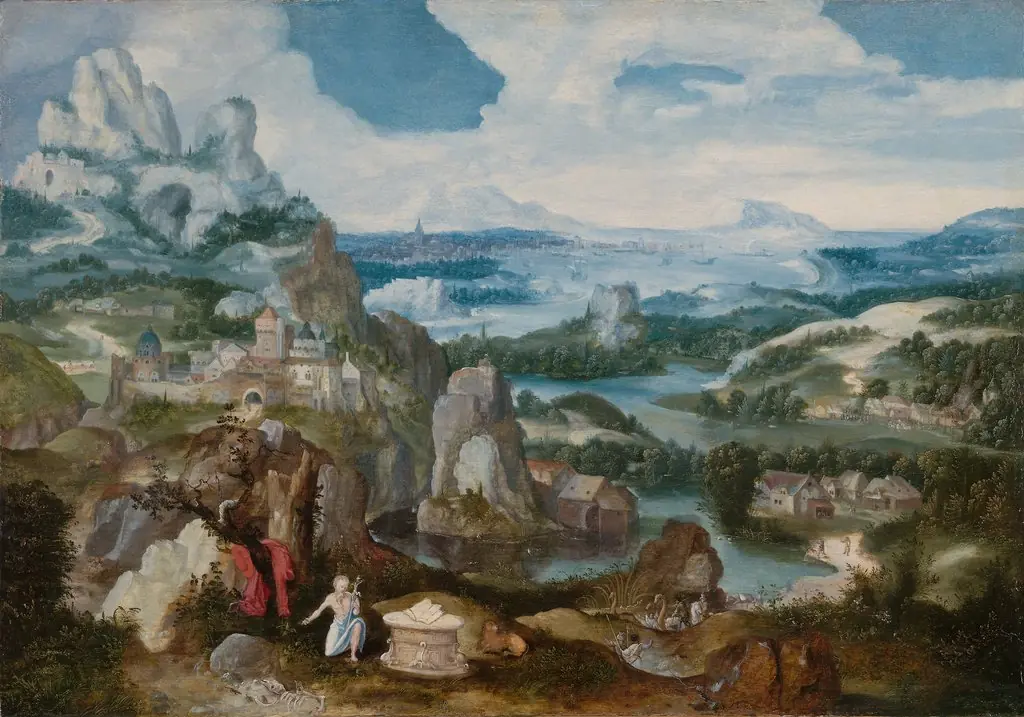 Landscape with the Penitent Saint Jerome
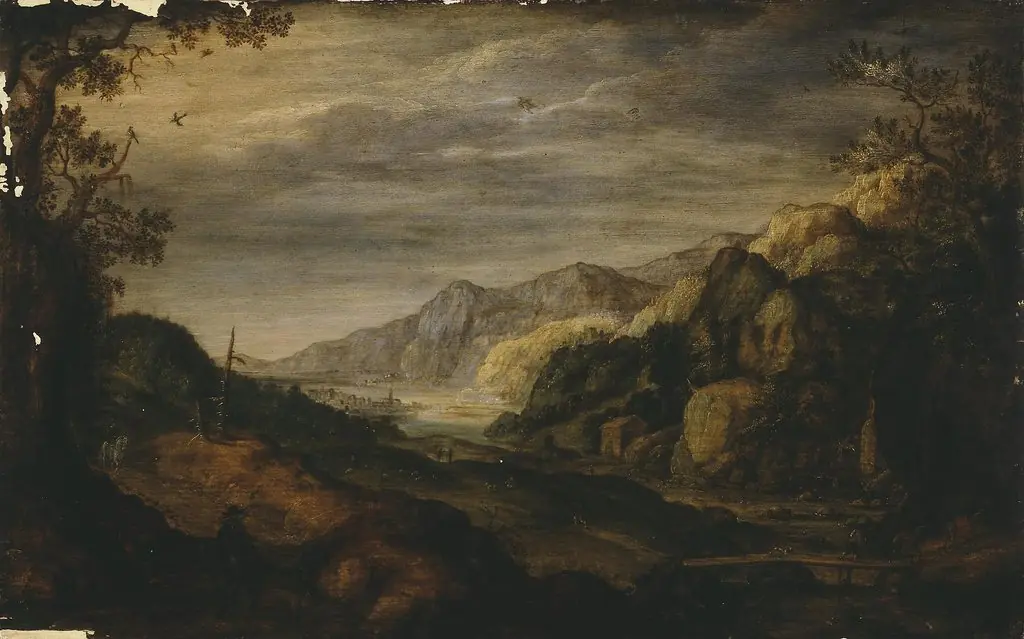 Mountainous Landscape
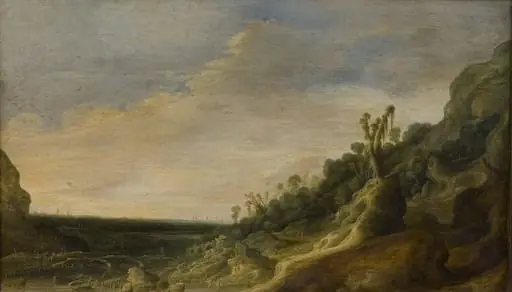 Mountain Scenery with a View of a River and the Sea
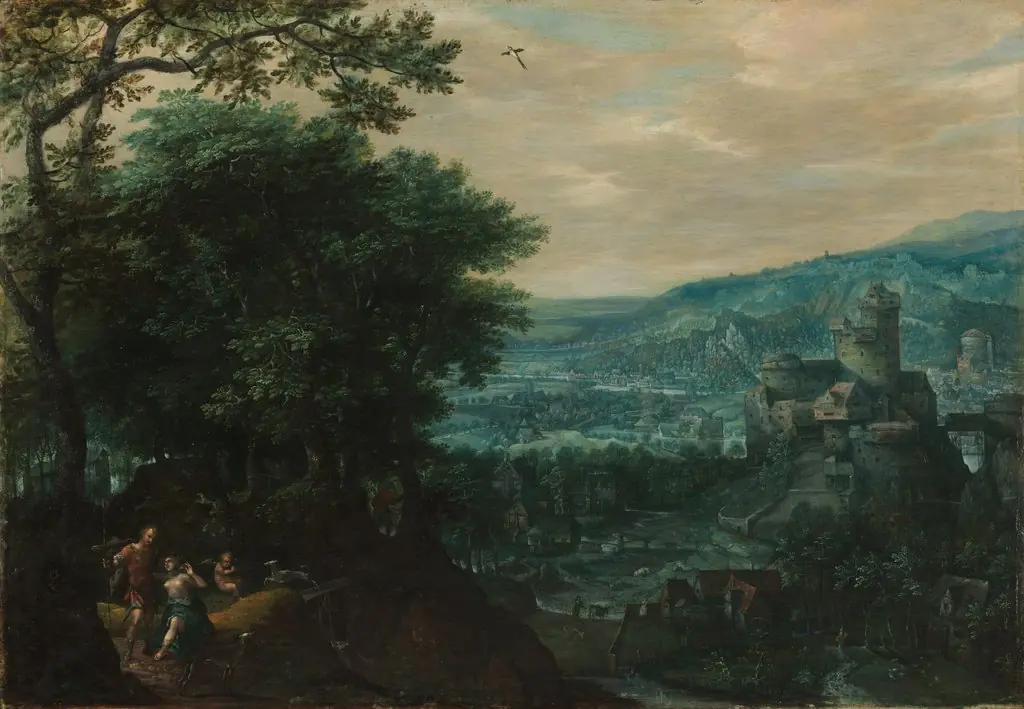 Landscape with Venus and Adonis
 Coast Landscape with the so-called Temple of Sibyl at Tivoli