Artwork
Pave Leo X og kardinalerne Ludovico de' Rossi og Giulio de' Medici. Kopi efter Rafael
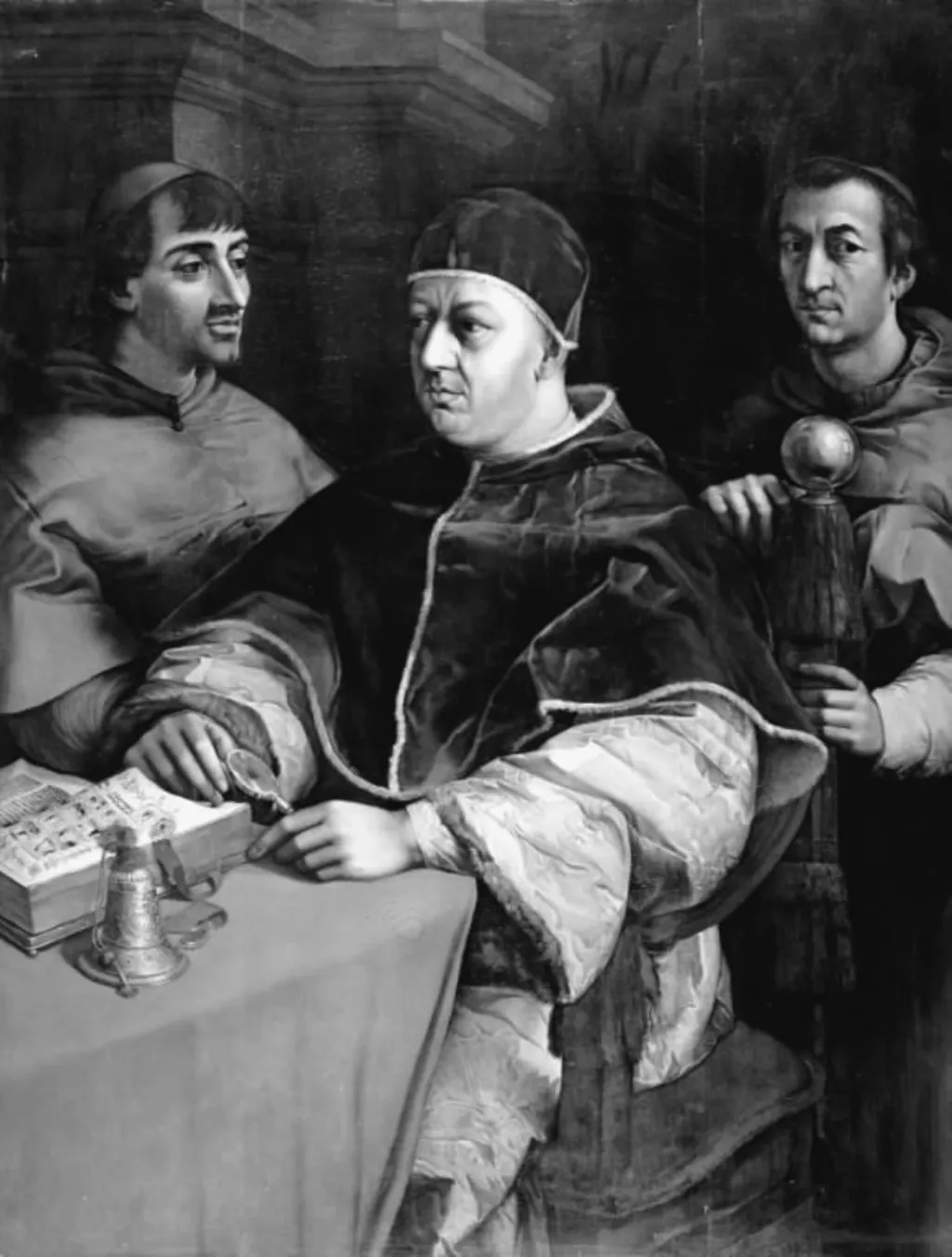
Pave Leo X og kardinalerne Ludovico de' Rossi og Giulio de' Medici. Kopi efter Rafael is a photography by the Romanticist artist Unknown. It dates from 1821 and is held in the collection of the Statens Museum for Kunst. This 1821 painting is a reproduction of a composition originally by Raphael, depicting Pope Leo X surrounded by two cardinals.
About this work
Overview
This 1821 painting is a reproduction of a composition originally by Raphael, depicting Pope Leo X surrounded by two cardinals.
This 1821 painting is a reproduction of a composition originally by Raphael, depicting Pope Leo X surrounded by two cardinals. Created during the Romantic era, the work reflects a period of renewed interest in Renaissance religious imagery. It is held in the collection of the Museum of Ethnography, though its subject matter is ecclesiastical rather than ethnographic, suggesting a later acquisition or reclassification.
Subject & Meaning
The central figure is Pope Leo X, flanked by Cardinals Ludovico de' Rossi and Giulio de' Medici, later Pope Clement VII. The book and bell on the table allude to papal authority and liturgical function. The cardinals’ attentive postures suggest a moment of consultation or ritual. The scene conveys the gravity of ecclesiastical power, emphasizing hierarchy and solemn duty rather than personal expression.
Technique & Style
The painting employs muted tones and a dark background to isolate the figures, enhancing their presence through contrast. Clothing is rendered with careful attention to fabric texture and fold, echoing Renaissance conventions. The lighting is even and diffuse, avoiding dramatic chiaroscuro. The composition is symmetrical, reinforcing the formality of the gathering and the stability of institutional authority.
History & Provenance
The work was produced in 1821 as a faithful copy of Raphael’s original, likely for educational or devotional use. Its presence in the Museum of Ethnography indicates a shift in institutional focus over time, possibly reflecting 19th-century practices of collecting religious artifacts alongside cultural objects. The artist’s identity remains unrecorded, suggesting it was made by an anonymous studio or academic apprentice.
Context
In the early 19th century, European institutions increasingly looked to Renaissance art as a model of moral and aesthetic order. Copies of Raphael’s works were common in academic settings and religious collections. This painting aligns with broader Romantic-era tendencies to idealize the past, particularly the perceived harmony of early modern Catholicism, even as secularism rose in Europe.
Legacy
Though not an original Renaissance work, this copy preserves the visual language of Raphael’s papal portraits for later audiences. Its placement in an ethnographic museum underscores changing perceptions of religious imagery—as cultural artifact rather than sacred object. It remains a quiet testament to the endurance of Renaissance iconography in 19th-century collecting practices.
Artist & collection

 Domestic Scene
 Giacomo and Cardinal Marco, investing Andrea, Abbot of San Zeno, with his Benefice
 The Nymph of Fontainebleau
 Portrait of a Woman
 Madonna and Child with Saints in the Enclosed Garden
 Venus and Minerva
 Family Group of Four on Sofa
 Wall painting from Room H of the Villa of P. Fannius Synistor at Boscoreale
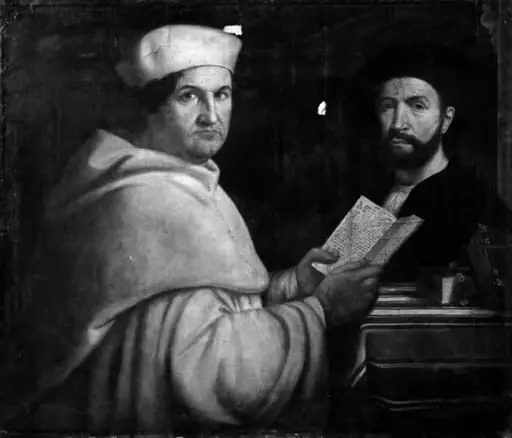 Double Portrait of Two Men, one Dressed in Ecclesiastical Dress
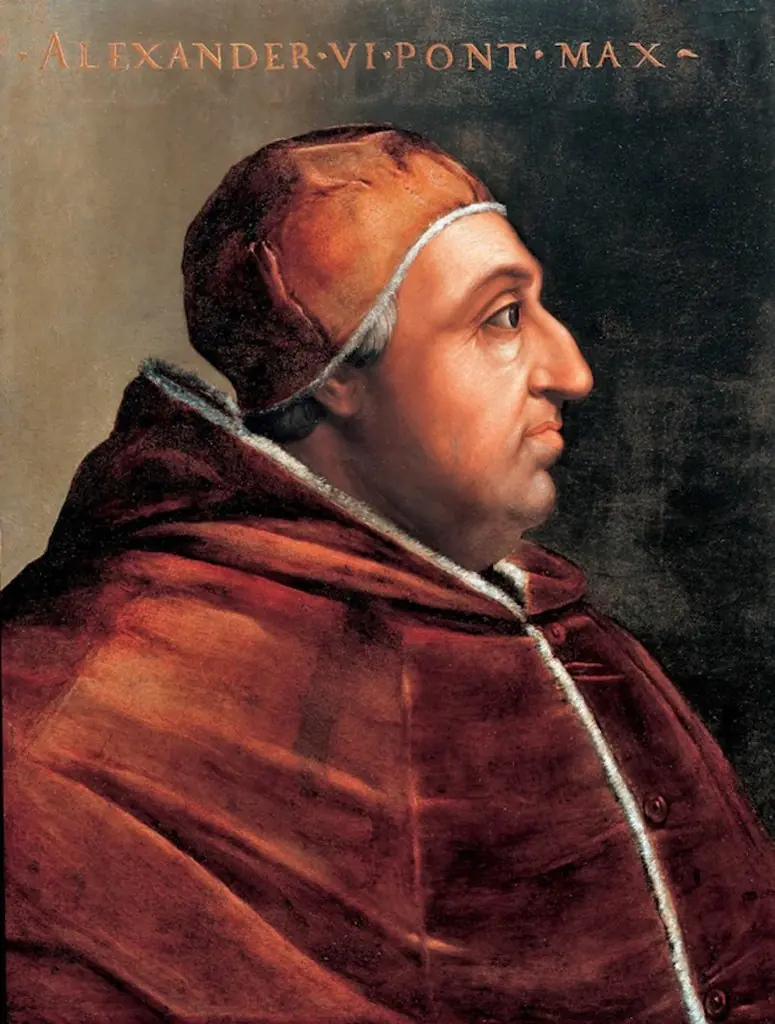 Portrait of Pope Alexander VI
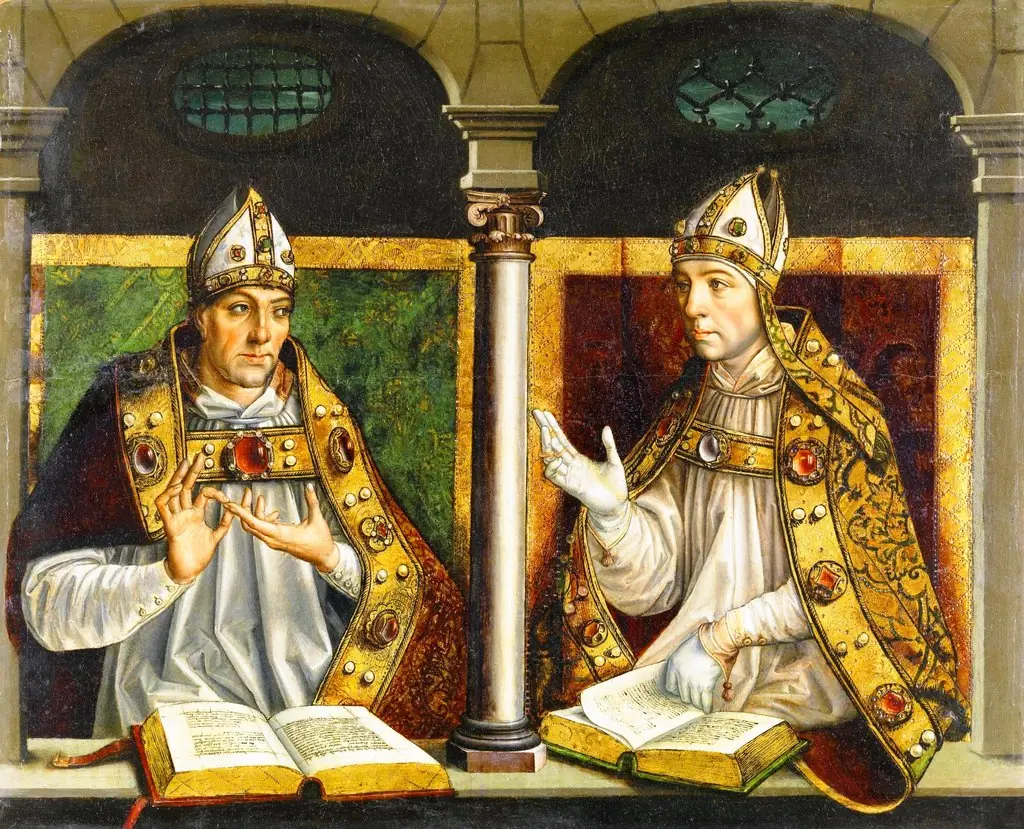 Saint Ambrose and Saint Augustine
 Portrait of Pope Clement VII
 Cardinal Bandinello Sauli, His Secretary, and Two Geographers
 Double Portrait of Two Men, one Dressed in Ecclesiastical Dress
 Portrait of an Olivetan Monk
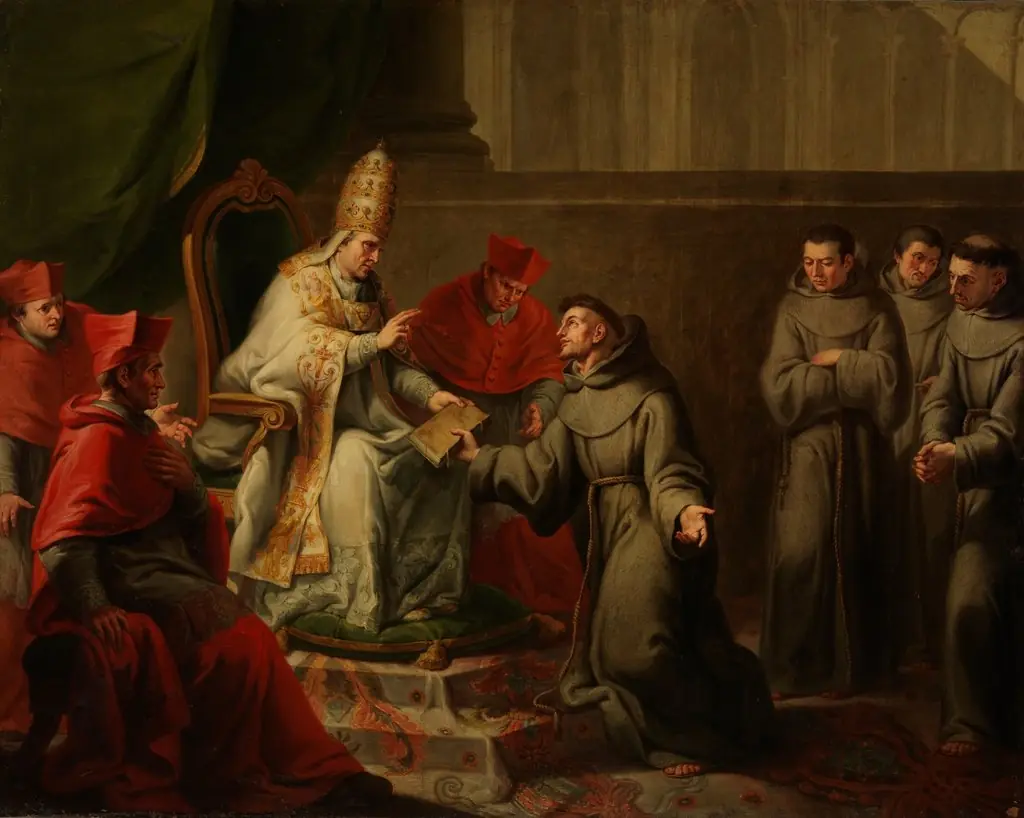 Aprobación de la regla franciscana por el papa Inocencio III
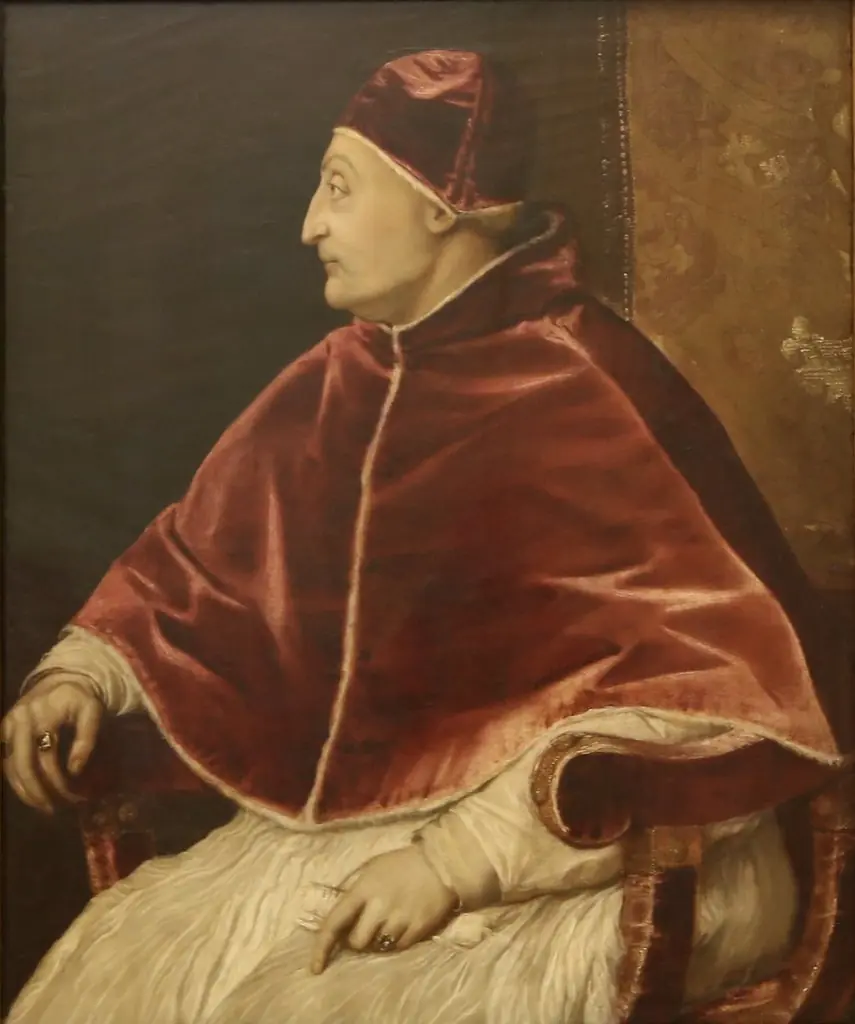 Portrait of Pope Sixtus IV
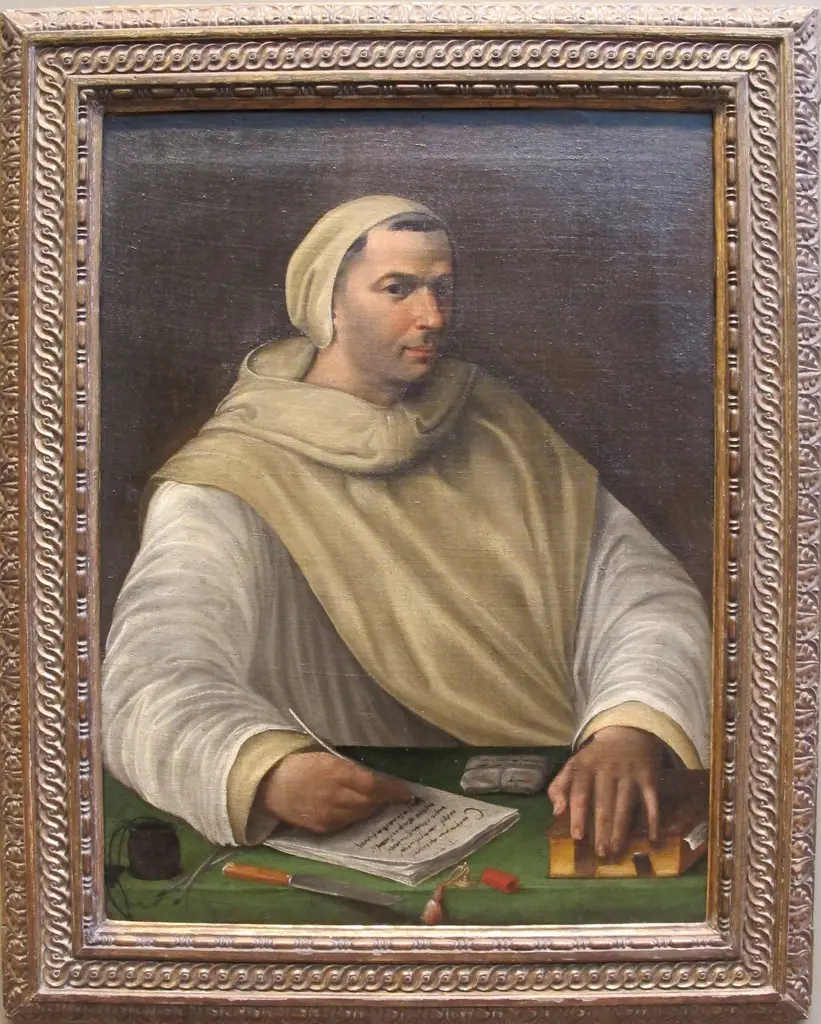 Ritratto di un monaco olivetano