Artwork
The Painter C.W. Eckersberg
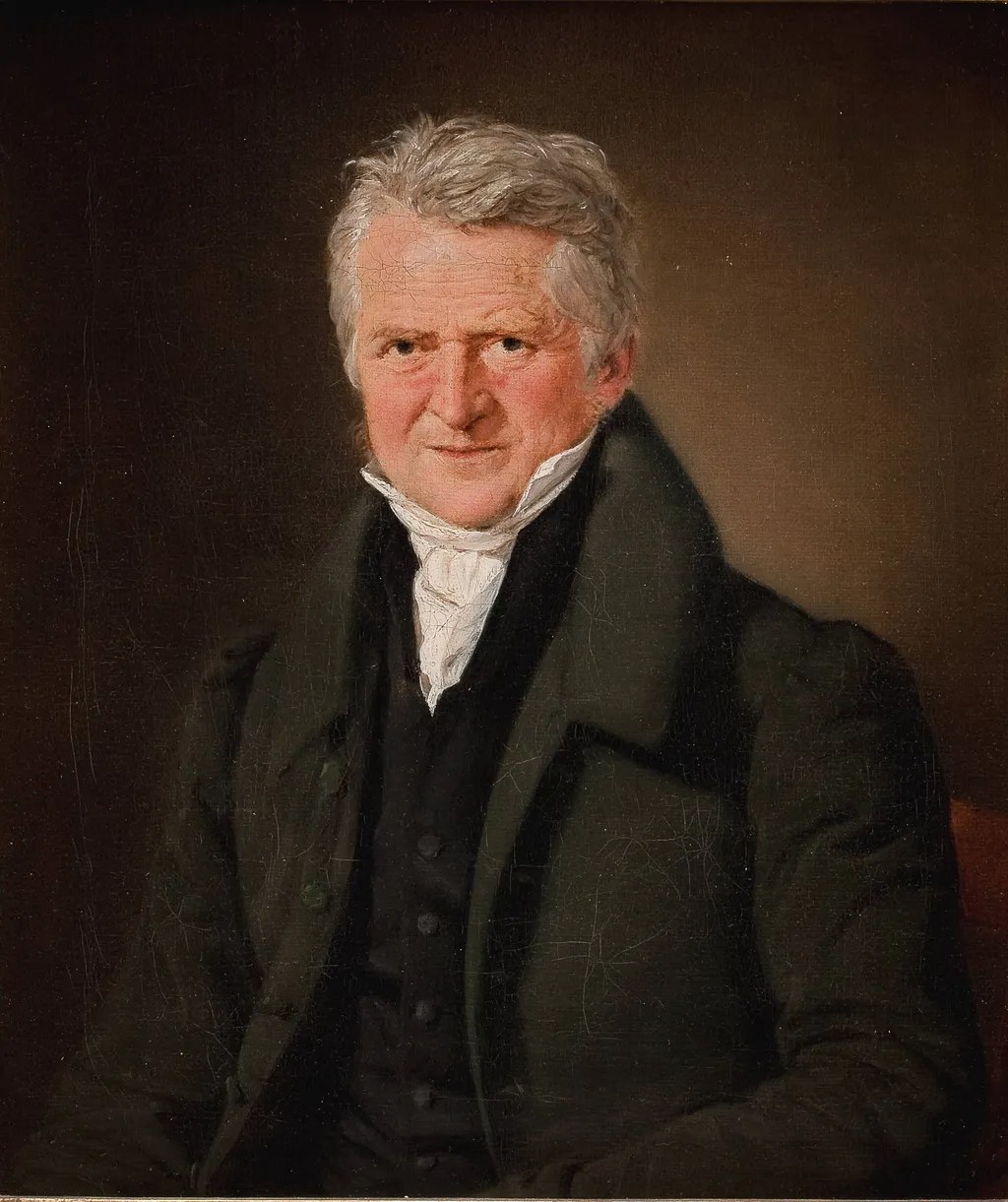
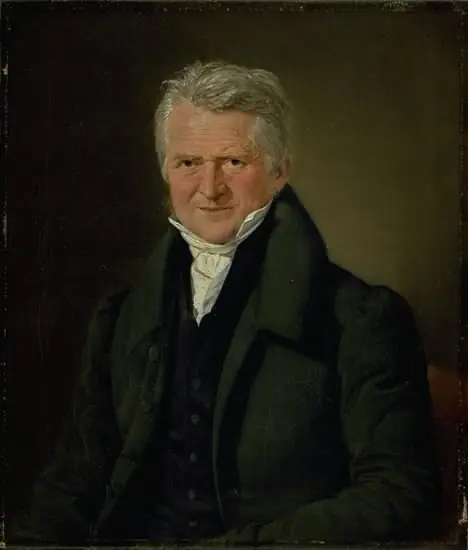
The Painter C.W. Eckersberg is a photography by the Romanticist artist Unknown. It dates from 1832 and is held in the collection of the Statens Museum for Kunst. This portrait, completed in 1832, depicts the Danish artist C.
About this work
Overview
Rendered in oil on canvas, it presents a restrained, contemplative figure against a dark, undefined space.
This portrait, completed in 1832, depicts the Danish artist C.W. Eckersberg. Rendered in oil on canvas, it presents a restrained, contemplative figure against a dark, undefined space. The composition emphasizes the sitter’s presence through careful modulation of light, isolating his face and hands while dissolving the surrounding environment into shadow. The work belongs to the collection of the Museum of Ethnography.
Subject & Meaning
C.W. Eckersberg, a central figure in Danish painting, is shown in middle age, his pale hair and solemn gaze conveying quiet authority. Dressed in a dark coat over a white shirt, he appears as a man of discipline and introspection. The portrait avoids theatricality, instead focusing on character through stillness and subtle expression, reflecting the values of academic portraiture in early 19th-century Denmark.
Technique & Style
The artist employs a chiaroscuro approach, directing soft, directional light toward the sitter’s face and hands to create depth and focus. The background recedes into near-black tones, eliminating distractions and heightening the psychological intensity. Brushwork is precise yet unobtrusive, favoring tonal transitions over detail, aligning with the Danish Golden Age’s preference for understated realism.
History & Provenance
The portrait was painted in 1832, during Eckersberg’s tenure as a professor at the Royal Danish Academy. It remained in private hands until acquired by the Museum of Ethnography, where it is now held. Its presence in an ethnographic institution, rather than an art museum, suggests a later reclassification tied to cultural documentation practices of the early 20th century.
Context
In the 1830s, Danish art emphasized moral seriousness and technical precision, influenced by Neoclassicism and emerging national identity. Portraits like this one served not only as likenesses but as symbols of intellectual and artistic integrity. Eckersberg’s role as a teacher made him a cultural touchstone, and this image reflects the era’s reverence for the artist as a disciplined figure.
Legacy
Though not widely exhibited, the portrait endures as a quiet testament to Eckersberg’s influence on Danish art. Its restrained aesthetic anticipates later 19th-century tendencies toward psychological depth in portraiture. The work remains a reference point for understanding how Danish artists balanced individuality with formal restraint during a formative period in national culture.
Artist & collection

 Domestic Scene
 Giacomo and Cardinal Marco, investing Andrea, Abbot of San Zeno, with his Benefice
 The Nymph of Fontainebleau
 Portrait of a Woman
 Madonna and Child with Saints in the Enclosed Garden
 Venus and Minerva
 Family Group of Four on Sofa
 Wall painting from Room H of the Villa of P. Fannius Synistor at Boscoreale
 Der Maler Jacob Philipp Hackert
 Parch. Henry Rees, Lerpwl, 1798-1869
 Georg Denk
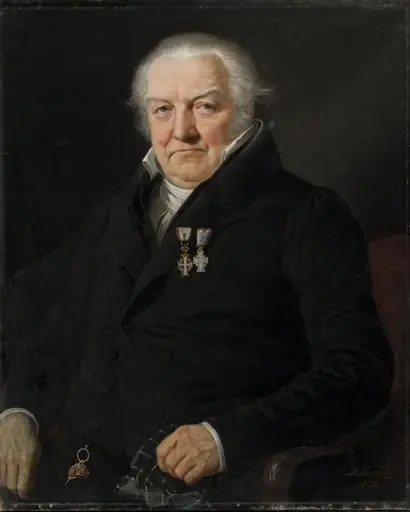 Professor, dr. med. J.D. Herholdt
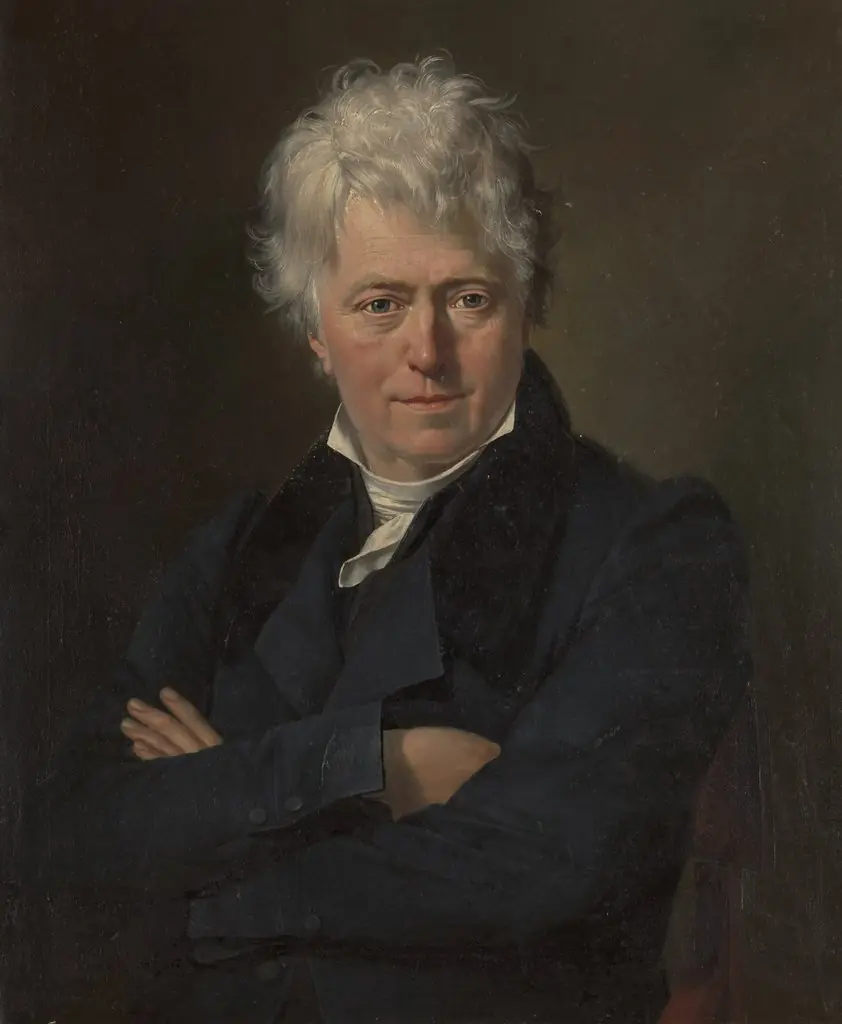 The Lawyer Jean Louis Bourceret
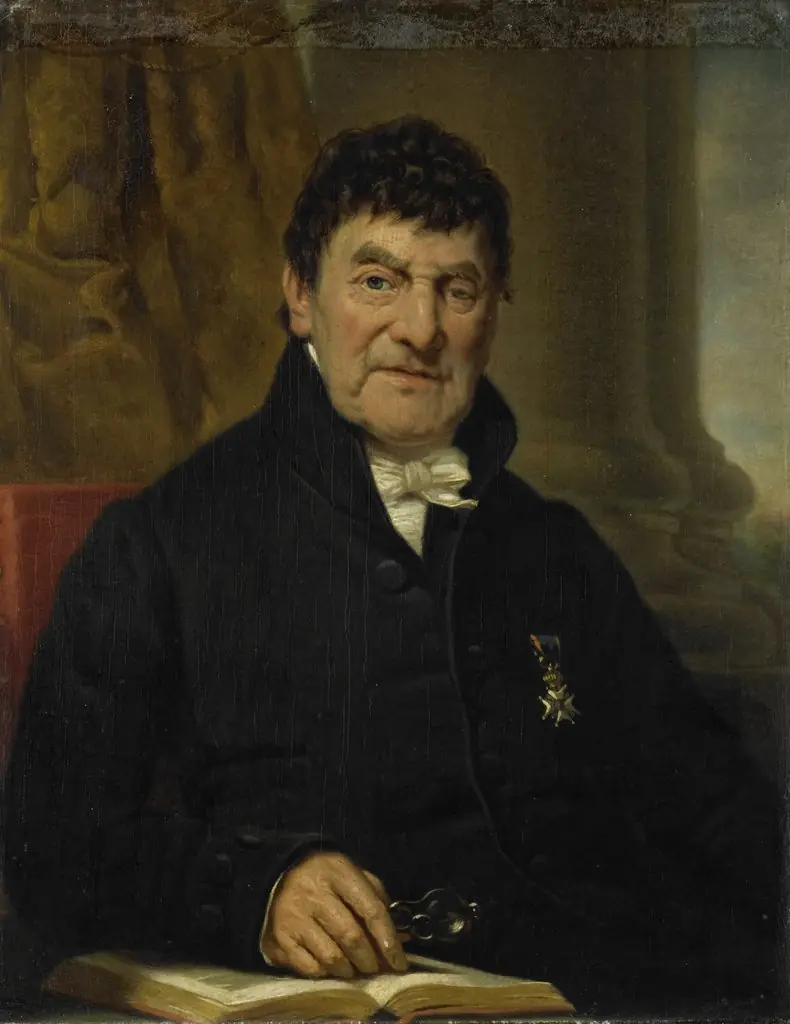 Portrait of Dr. Cornelis Hendrik à Roy, Physician and Biographer
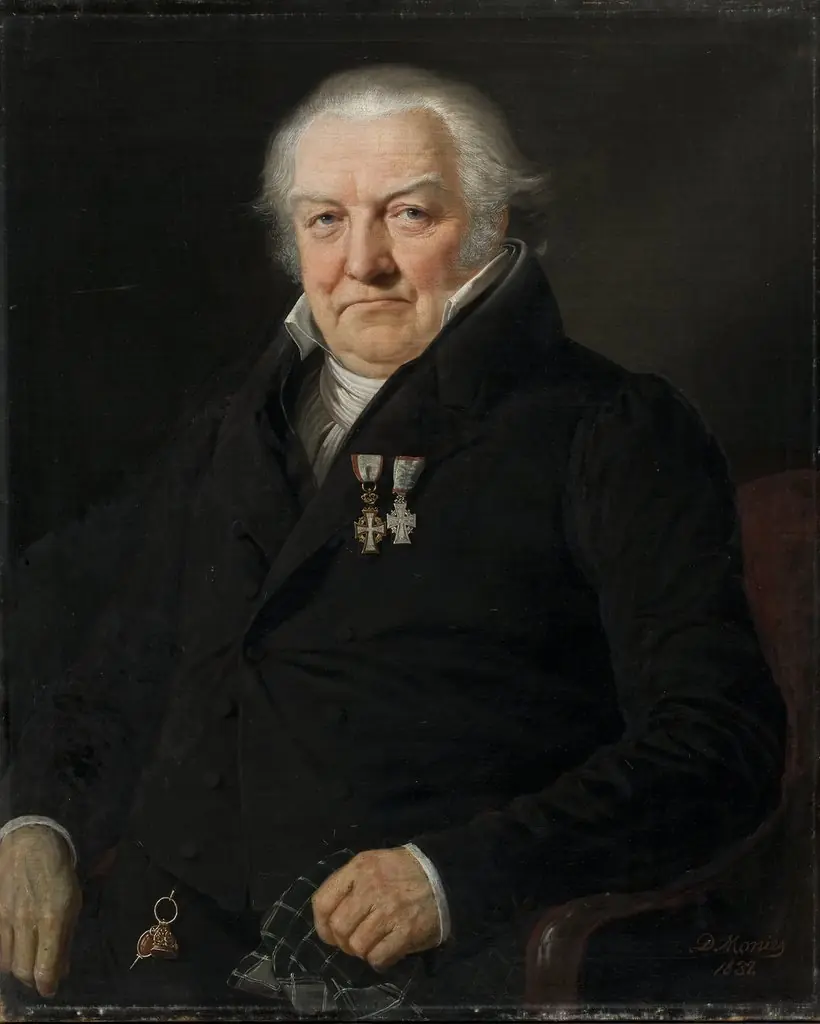 Professor, dr. med. J.D. Herholdt
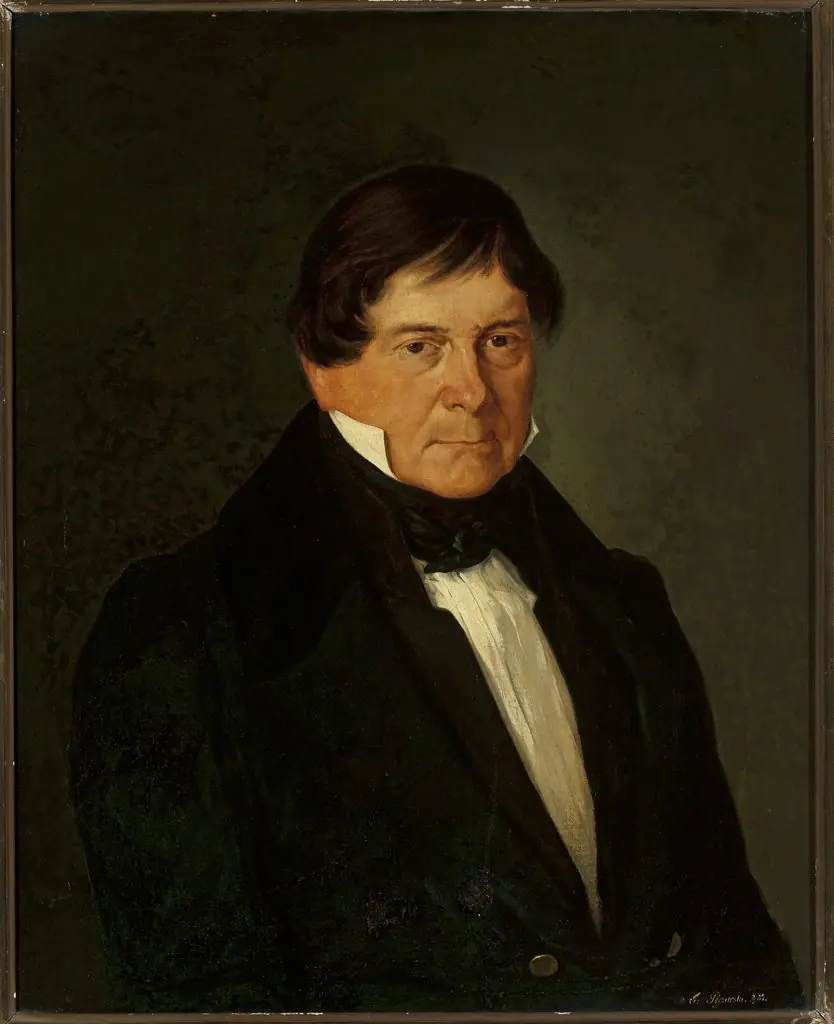 Portrait of Ksawery Dybowski
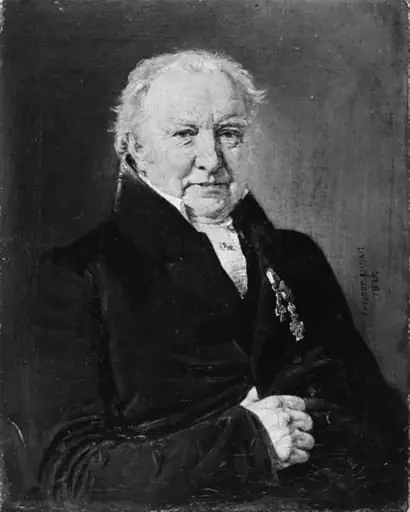 Professor dr. med. J.D. Herholdt
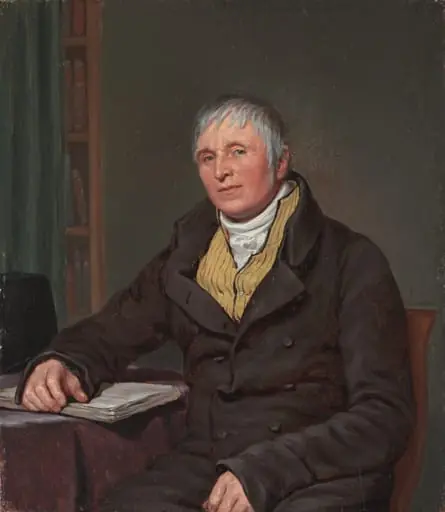 Charles Thompson
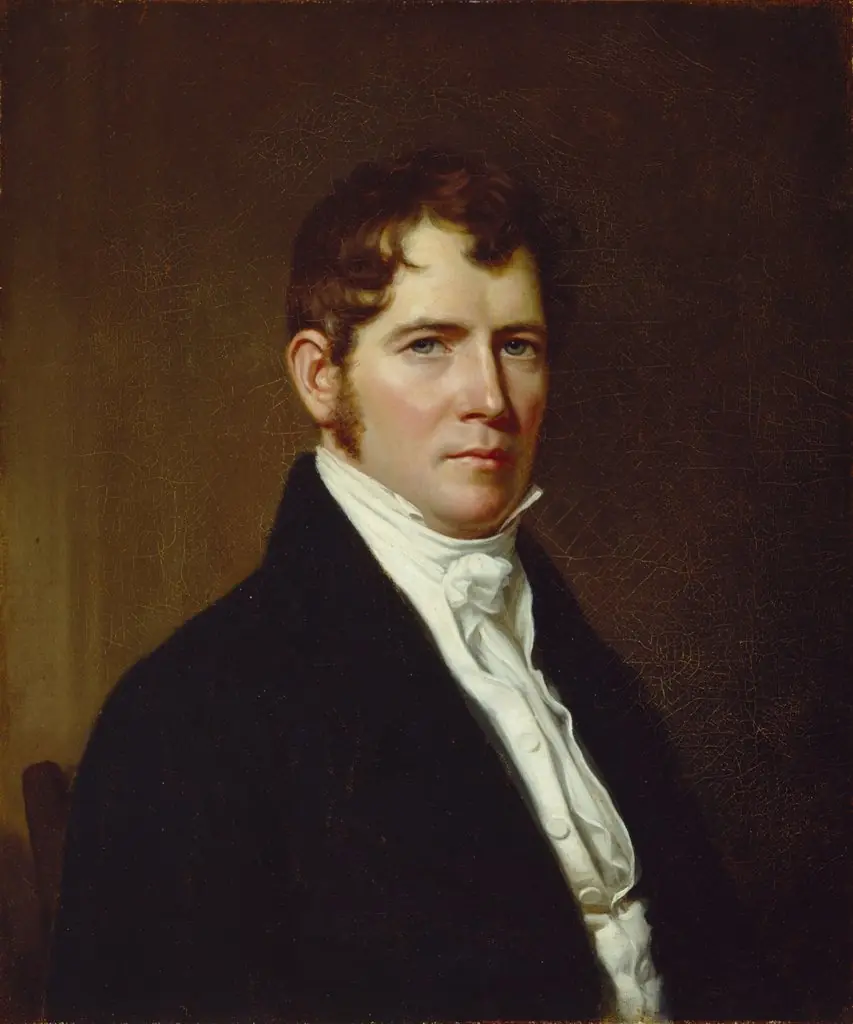 Portrait of a Man
 The Painter C.W. Eckersberg