Artwork
The Prayers of the Potuans at the Feast of the Unfathomable God
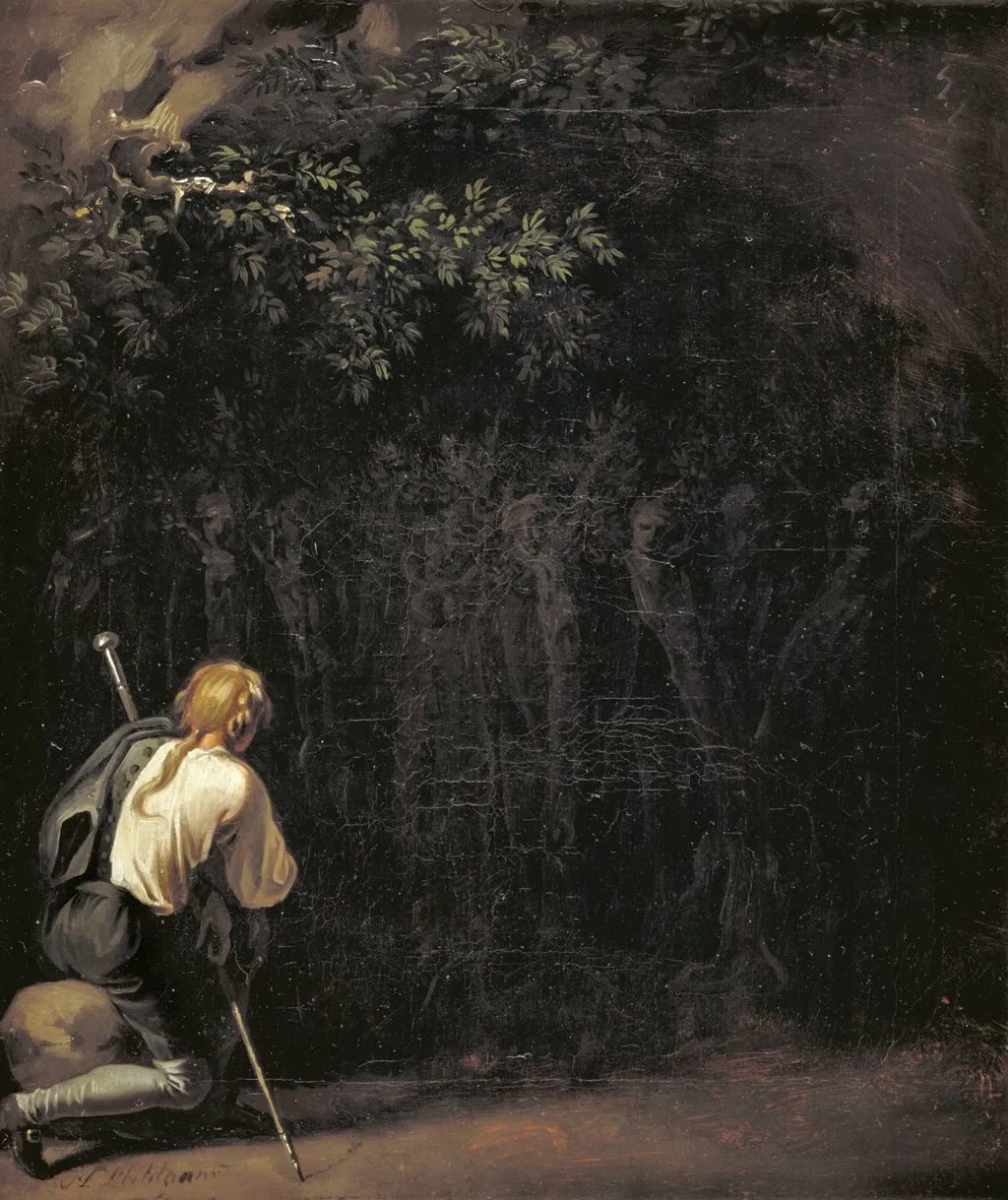
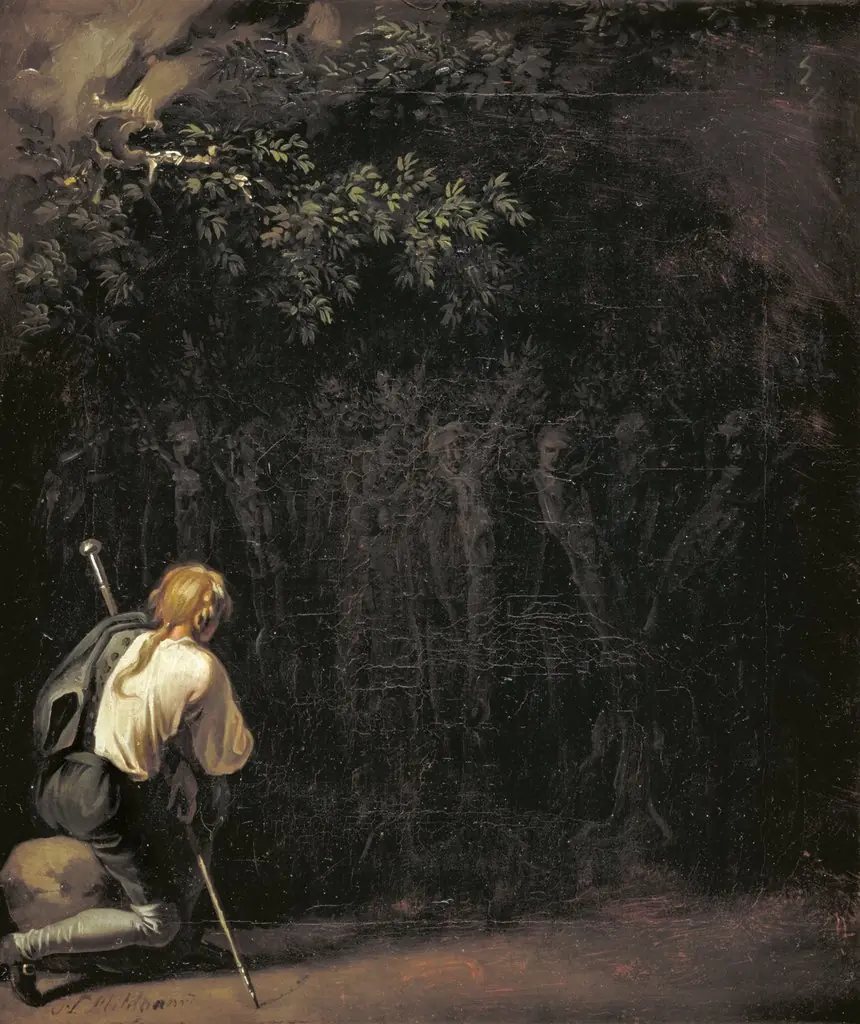
The Prayers of the Potuans at the Feast of the Unfathomable God is a photography by Unknown. It dates from 1750 and is held in the collection of the Statens Museum for Kunst. Created around 1750, this image depicts a ritual moment performed by members of the Potuan community.
About this work
Overview
The composition emphasizes stillness and introspection, with minimal detail and a focus on atmosphere rather than narrative clarity.
Created around 1750, this image depicts a ritual moment performed by members of the Potuan community. It is preserved in the Museum of Ethnography and captures a solitary figure in a secluded, dimly lit setting. The composition emphasizes stillness and introspection, with minimal detail and a focus on atmosphere rather than narrative clarity. The work serves as a visual record of a spiritual practice now largely undocumented.
Subject & Meaning
The figure kneels in prayer before a wall marked with faint, ambiguous symbols, likely representing deities or ancestral signs tied to the Feast of the Unfathomable God. The staff held upright may symbolize authority, connection to the spirit world, or a conduit for invocation. The dim lighting and obscured imagery suggest a sacred space beyond ordinary perception, where devotion is expressed through silence and gesture rather than elaborate ritual.
Technique & Style
The image employs subtle chiaroscuro to isolate the figure against a shadowed background, drawing attention to the kneeling form and the faint markings on the wall. The use of soft, smudged lines—possibly chalk or ash—creates an ephemeral quality, reinforcing the transient nature of the ritual. There is no attempt at realism; instead, the style prioritizes mood and symbolic presence over anatomical or spatial precision.
History & Provenance
The work entered the Museum of Ethnography in the late 19th century, collected during a period of increased anthropological interest in indigenous practices. Its origins are tied to oral traditions of the Potuan people, who have no written records of the feast. The image’s exact provenance remains unclear, but it was likely recorded by a colonial-era observer or missionary, preserving a moment otherwise lost to time.
Context
The Feast of the Unfathomable God was a rare, possibly annual ceremony observed by the Potuans, centered on communion with unseen forces. Rituals involved fasting, silent prayer, and the marking of sacred surfaces with natural pigments. This image reflects a moment of personal devotion within a broader communal tradition, one that declined after external pressures disrupted cultural continuity in the late 1700s.
Legacy
Though not widely known outside ethnographic circles, the image remains a quiet testament to a spiritual practice that resisted documentation. Its ambiguity invites reflection on the limits of visual representation in capturing sacred experience. Scholars continue to study it as a rare visual artifact of a belief system that left no textual legacy, preserving its mystery as part of its meaning.
Artist & collection

 Domestic Scene
 Giacomo and Cardinal Marco, investing Andrea, Abbot of San Zeno, with his Benefice
 The Nymph of Fontainebleau
 Portrait of a Woman
 Madonna and Child with Saints in the Enclosed Garden
 Venus and Minerva
 Family Group of Four on Sofa
 Wall painting from Room H of the Villa of P. Fannius Synistor at Boscoreale
 St. Sebastian Succoured by Holy Women
 Landschaft mit einem Mönch im Wettersturm
 Gathering Fruit at Mortefontaine
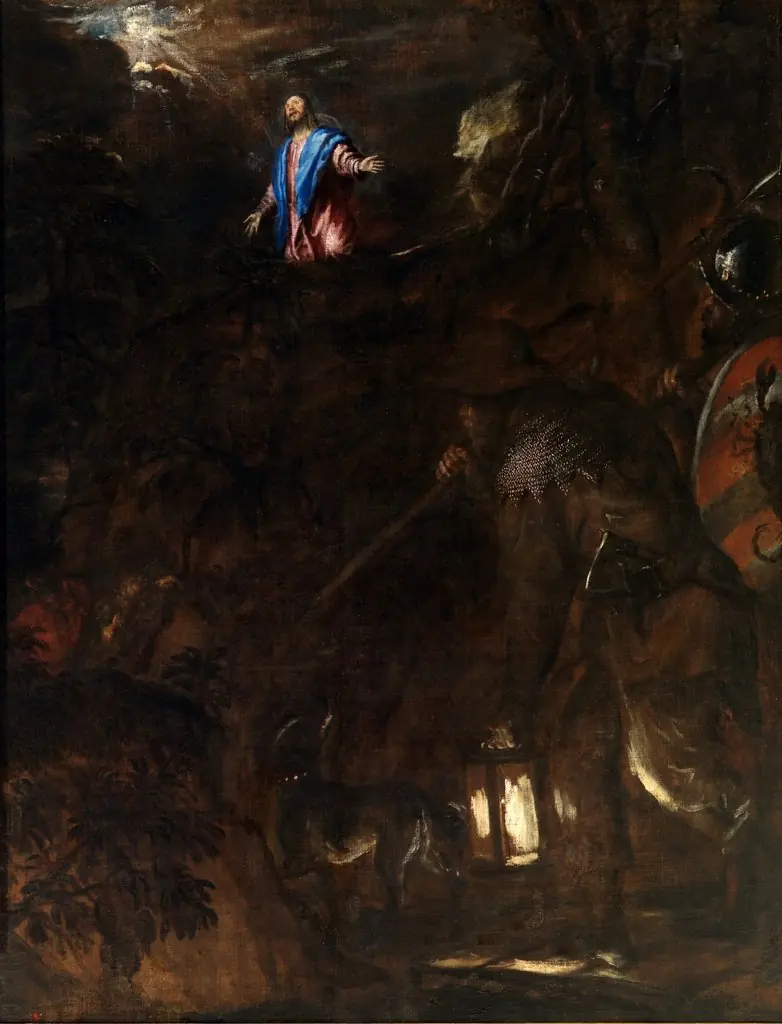 The Agony in the Garden
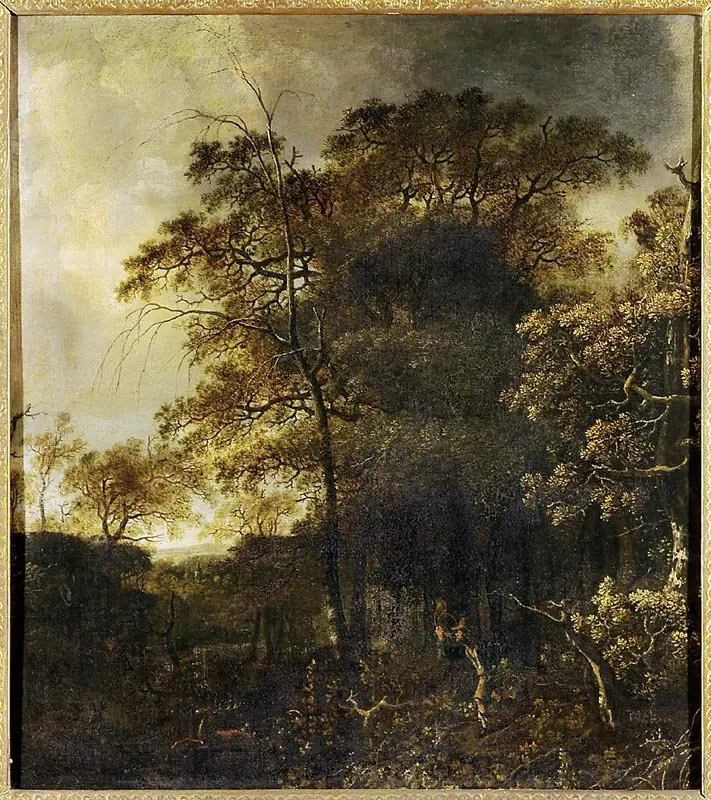 Forest landscape with huntsmen
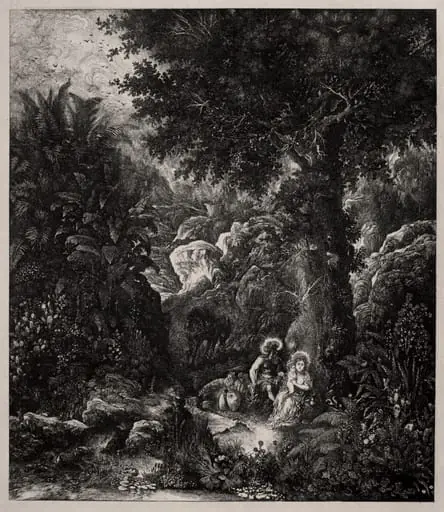 Rest on the Flight into Egypt with a Saddled Donkey
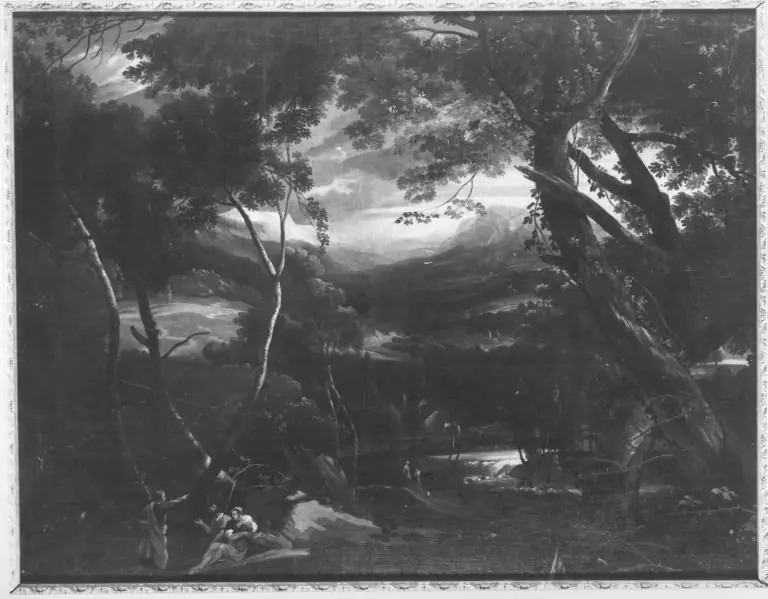 Waldlandschaft
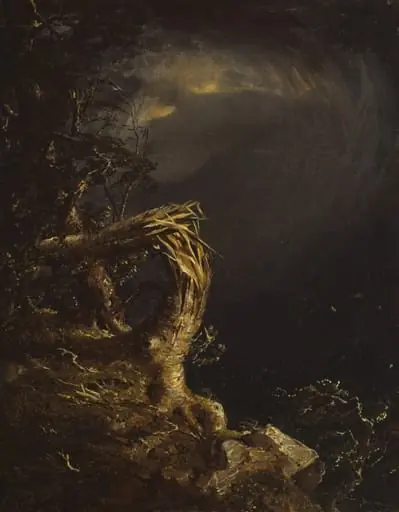 Blasted Tree
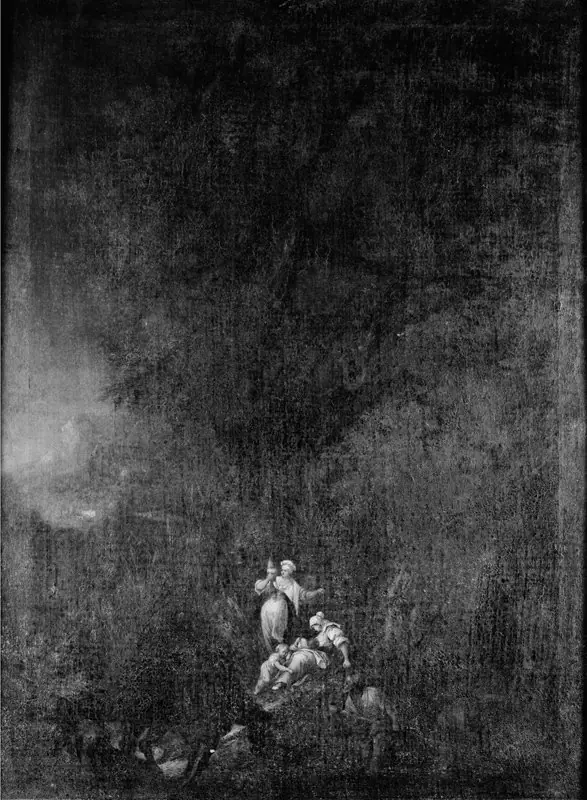 Landscape with a Crayfisher, a Donkey and Peasant Women with their Children
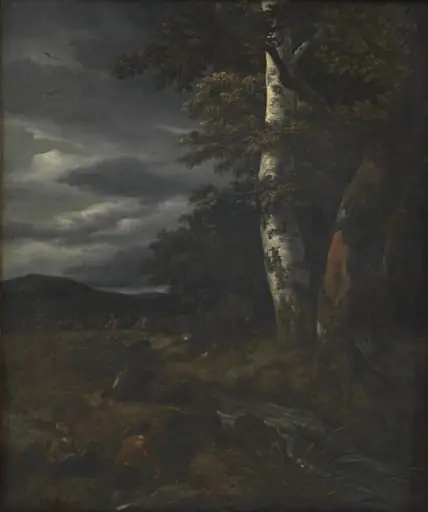 Landscape with a Hunting Scene
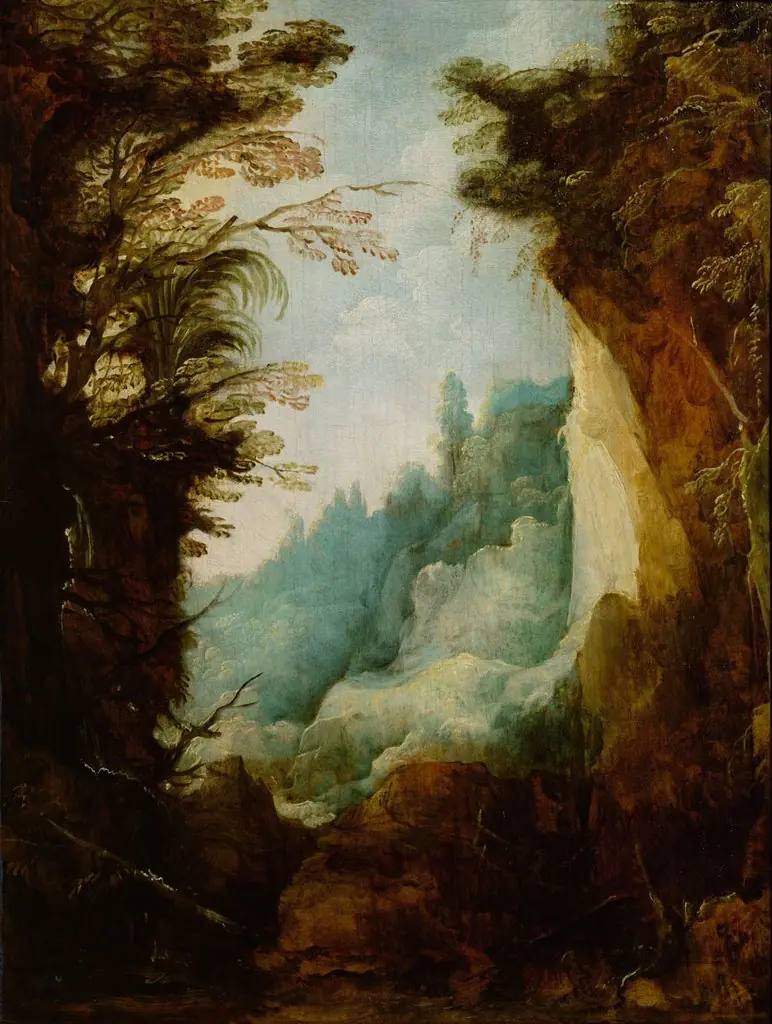 Waldige Felsschlucht
 The Prayers of the Potuans at the Feast of the Unfathomable God