Artwork
An Old Woman
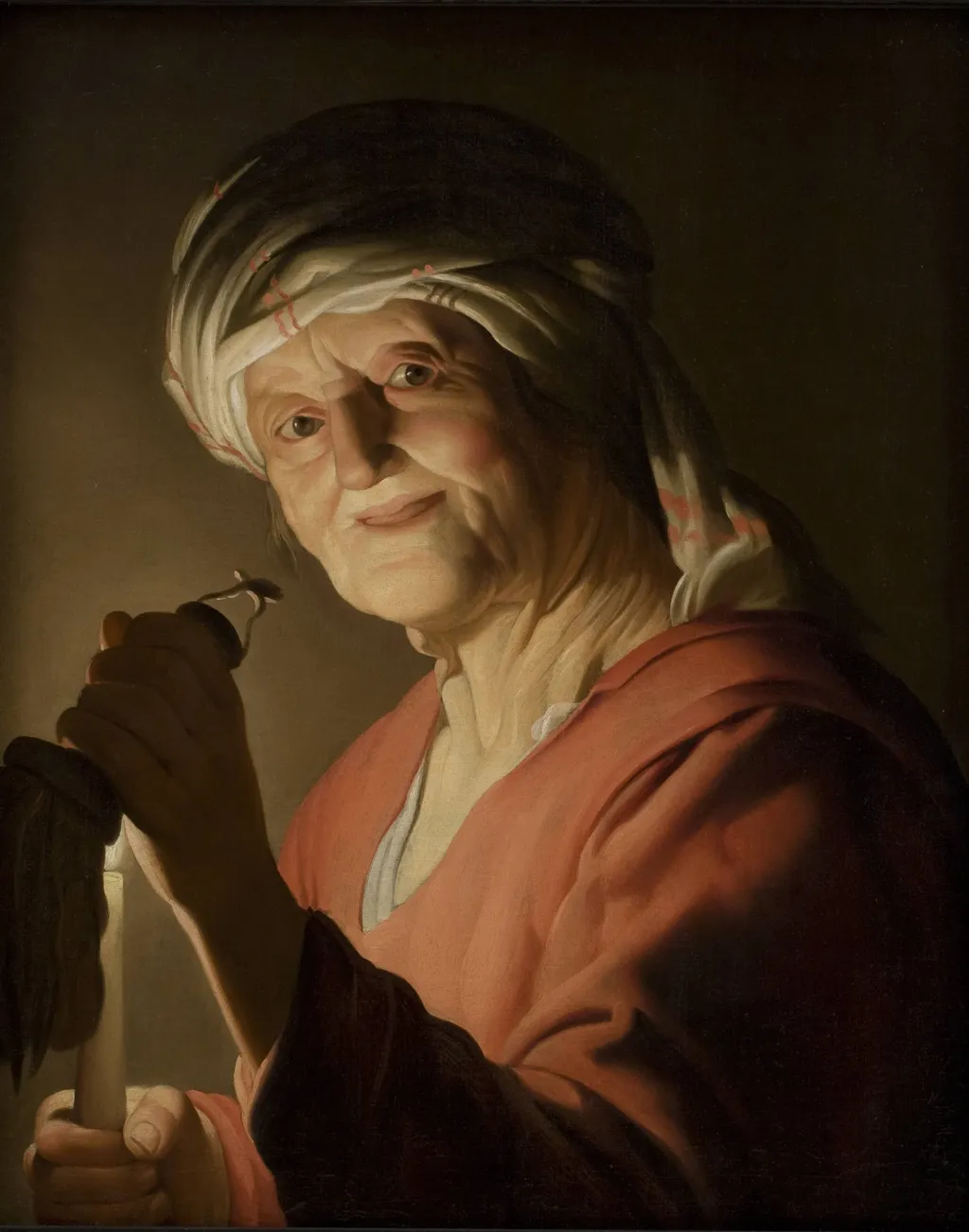
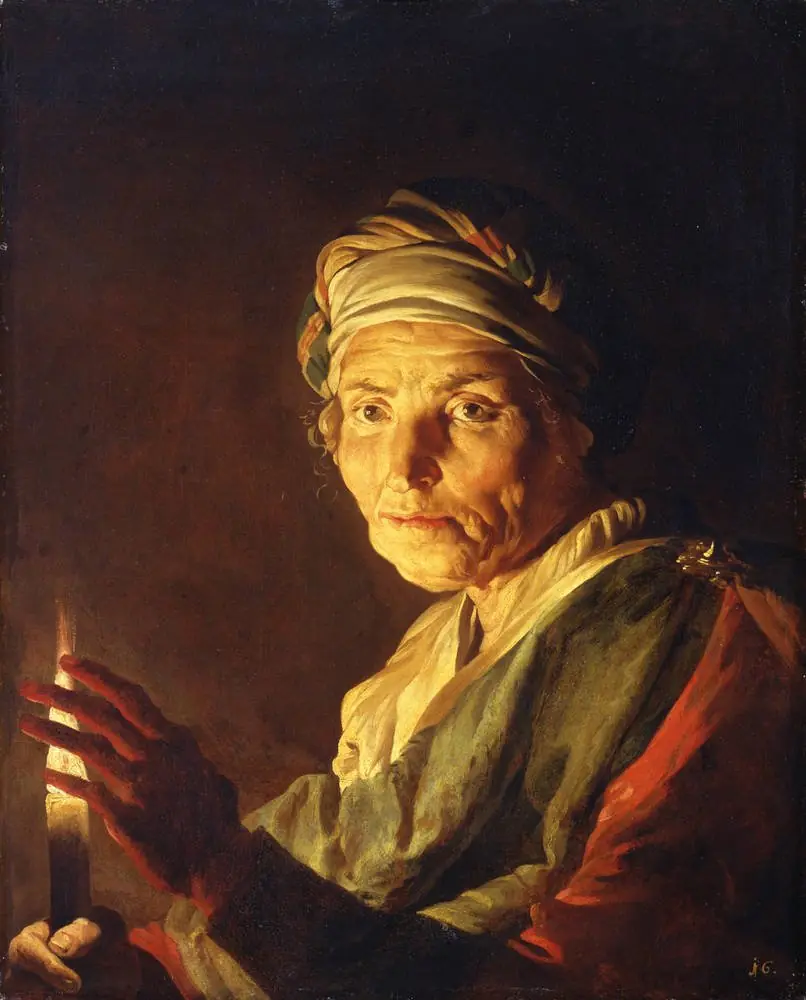
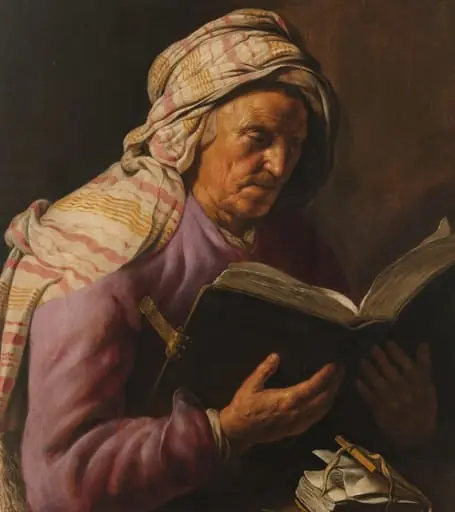
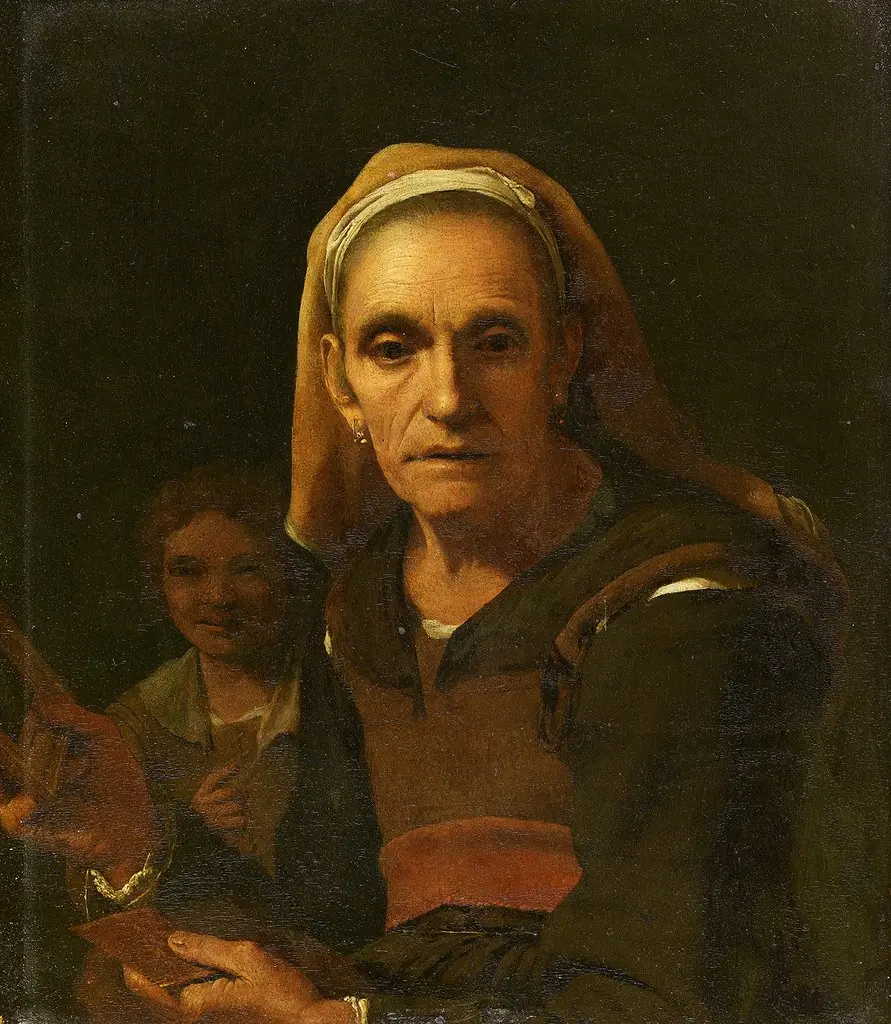
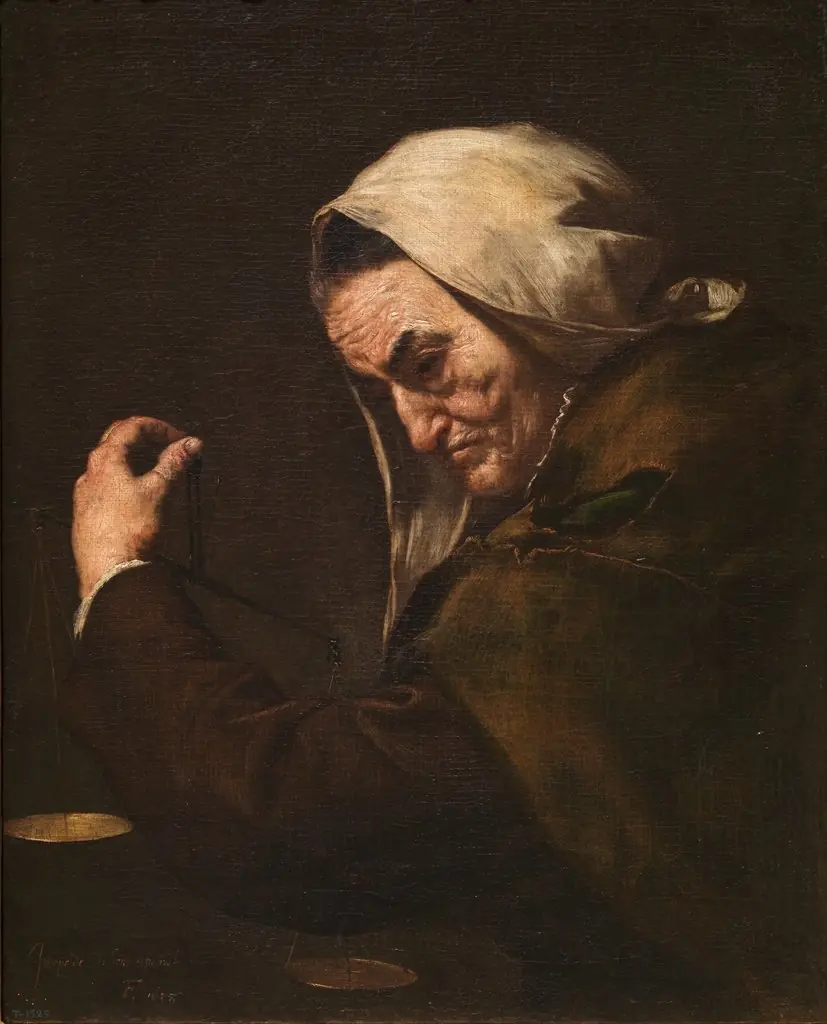
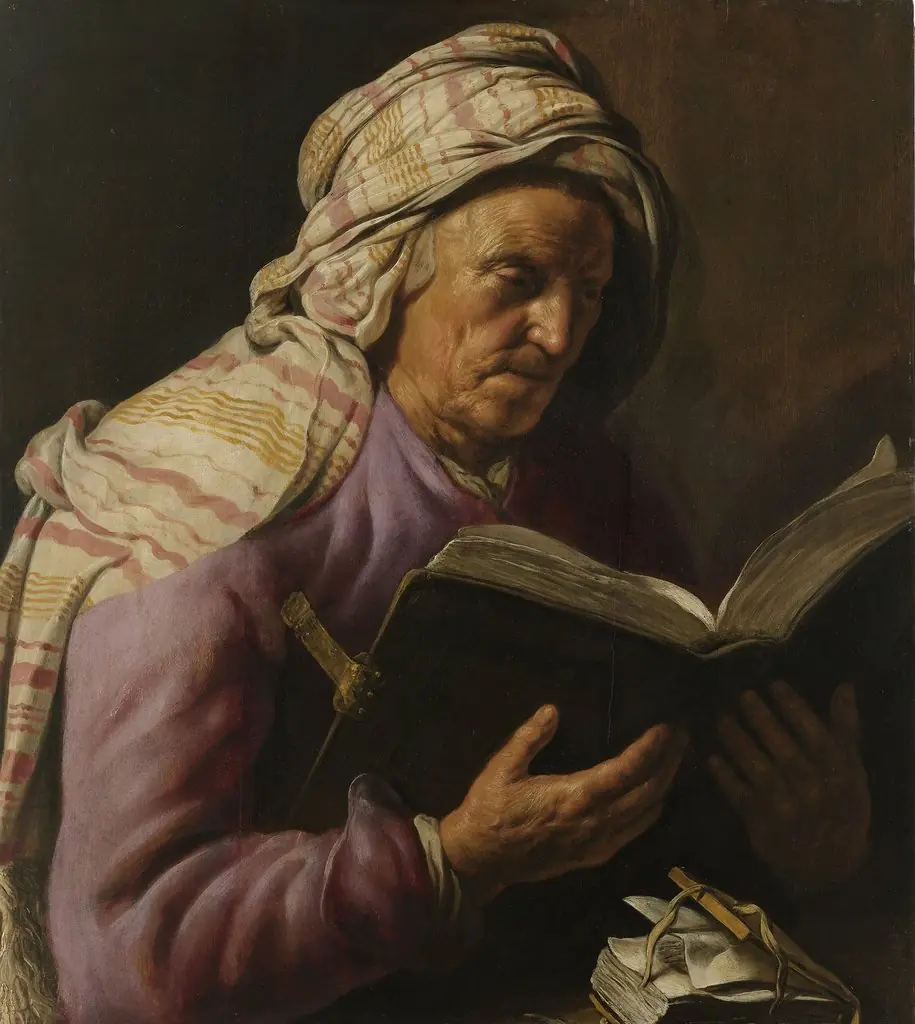
An Old Woman is a photography by Unknown. It dates from 1650 and is held in the collection of the Statens Museum for Kunst. Painted around 1650, this portrait captures an elderly woman in quiet solitude.
About this work
Overview
The figure’s stillness and the play of light suggest a moment of private reflection, characteristic of Northern European genre painting of the period.
Painted around 1650, this portrait captures an elderly woman in quiet solitude. Executed in oil on panel, the work is part of the Museum of Ethnography’s collection. Its intimate scale and subdued palette reflect a focus on inner life rather than external grandeur. The figure’s stillness and the play of light suggest a moment of private reflection, characteristic of Northern European genre painting of the period.
Subject & Meaning
The woman, dressed in a red robe and white headscarf, holds a lit candle, a symbol often associated with vigilance, faith, or the passage of time. Her gaze is inward, suggesting contemplation rather than engagement with the viewer. The absence of narrative context invites interpretation of her state as one of quiet endurance, possibly evoking themes of aging, spirituality, or domestic solitude common in 17th-century Dutch art.
Technique & Style
The artist employs chiaroscuro to model the woman’s face and hands, using the candle’s glow to define form against a near-black background. Soft transitions between light and shadow render her features with tenderness, while the folds of her robe are rendered with delicate brushwork. The limited palette—dominated by earth tones and the warm amber of the flame—enhances the painting’s atmospheric stillness and emotional restraint.
History & Provenance
The painting entered the Museum of Ethnography’s holdings in the early 20th century, though its earlier ownership remains undocumented. Its attribution to a specific artist is uncertain, though stylistic parallels with Rembrandt’s late portraits suggest a connection to his circle or followers. No signatures or inscriptions are visible, and its history prior to museum acquisition is lost to record.
Context
Created during the Dutch Golden Age, this work aligns with a broader trend of depicting ordinary individuals with psychological depth. While religious and mythological subjects dominated public commissions, private collectors increasingly favored intimate scenes of daily life. The emphasis on light, texture, and quiet emotion reflects the values of a society that prized modesty, introspection, and domestic virtue.
Legacy
Though not widely exhibited, the painting contributes to scholarly understanding of how everyday subjects were rendered with emotional nuance in 17th-century Northern Europe. Its quiet power has influenced later artists interested in the dignity of aging and the expressive potential of limited palettes. It remains a quiet testament to the artistic attention given to the unseen moments of ordinary lives.
Artist & collection

 Domestic Scene
 Giacomo and Cardinal Marco, investing Andrea, Abbot of San Zeno, with his Benefice
 The Nymph of Fontainebleau
 Portrait of a Woman
 Madonna and Child with Saints in the Enclosed Garden
 Venus and Minerva
 Family Group of Four on Sofa
 Wall painting from Room H of the Villa of P. Fannius Synistor at Boscoreale