Artwork
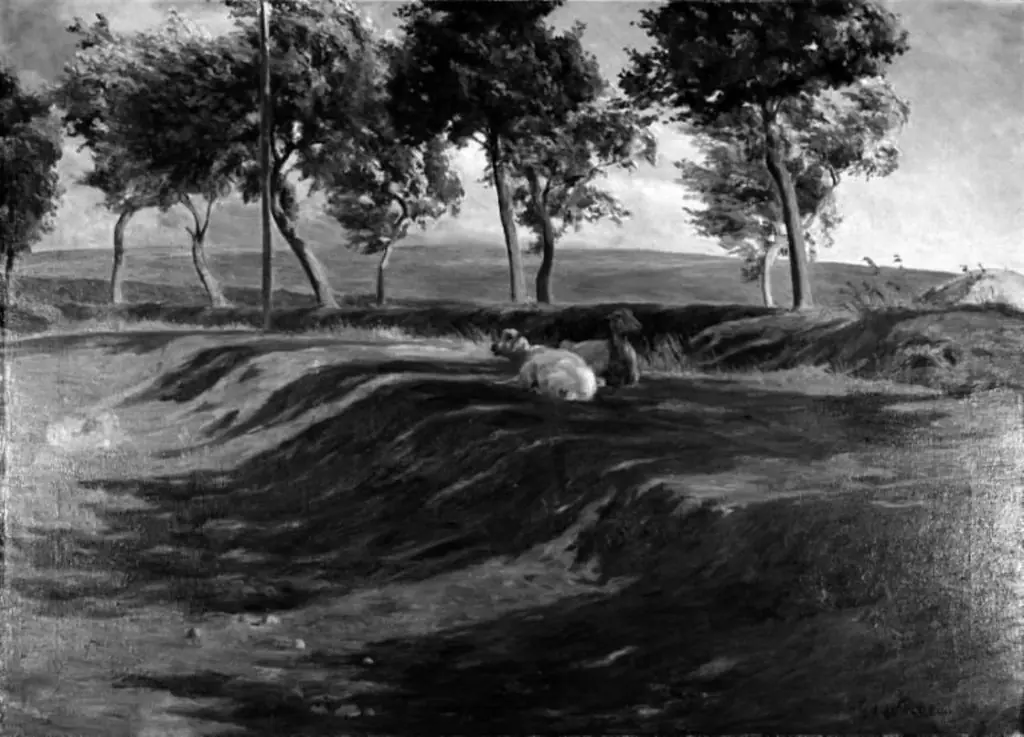
Ved vejen, blæst. Landskab med to får ved en vej
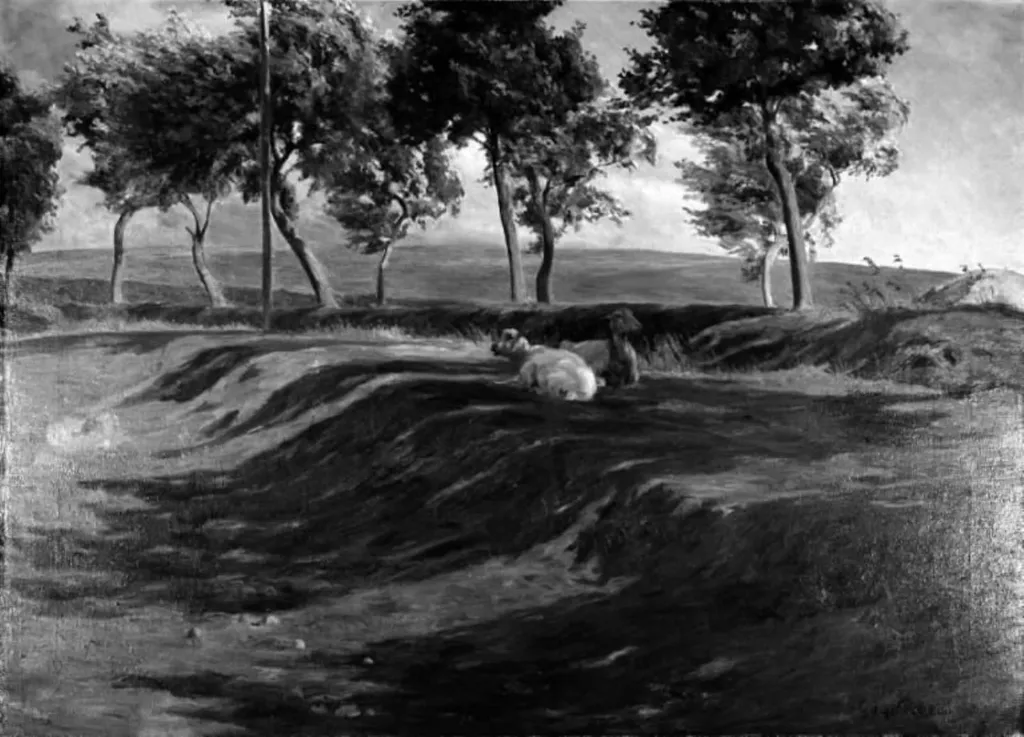
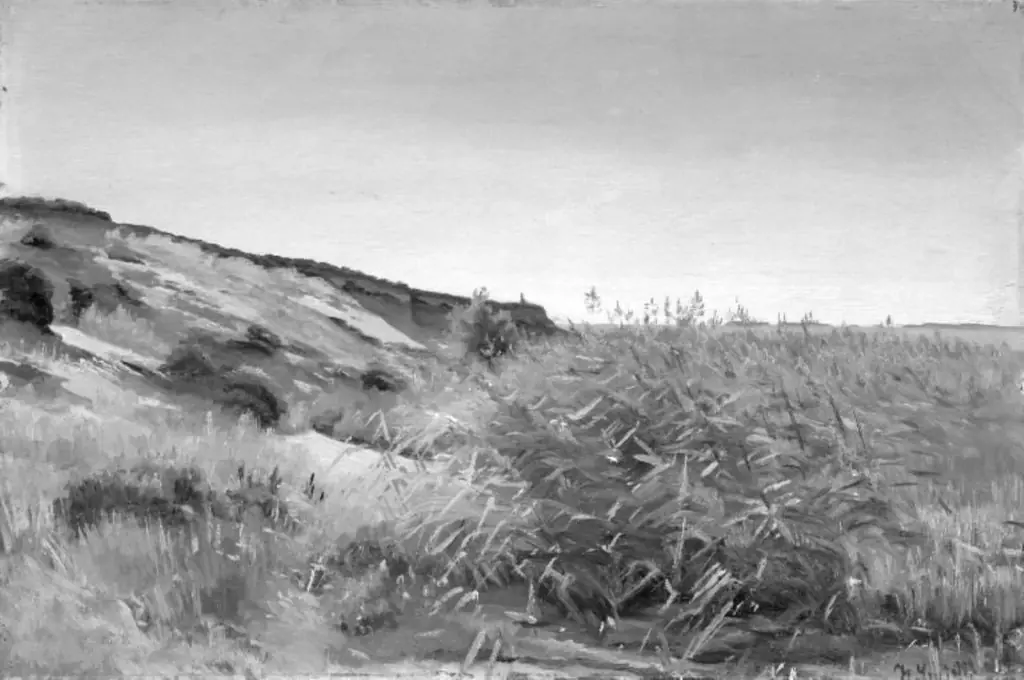
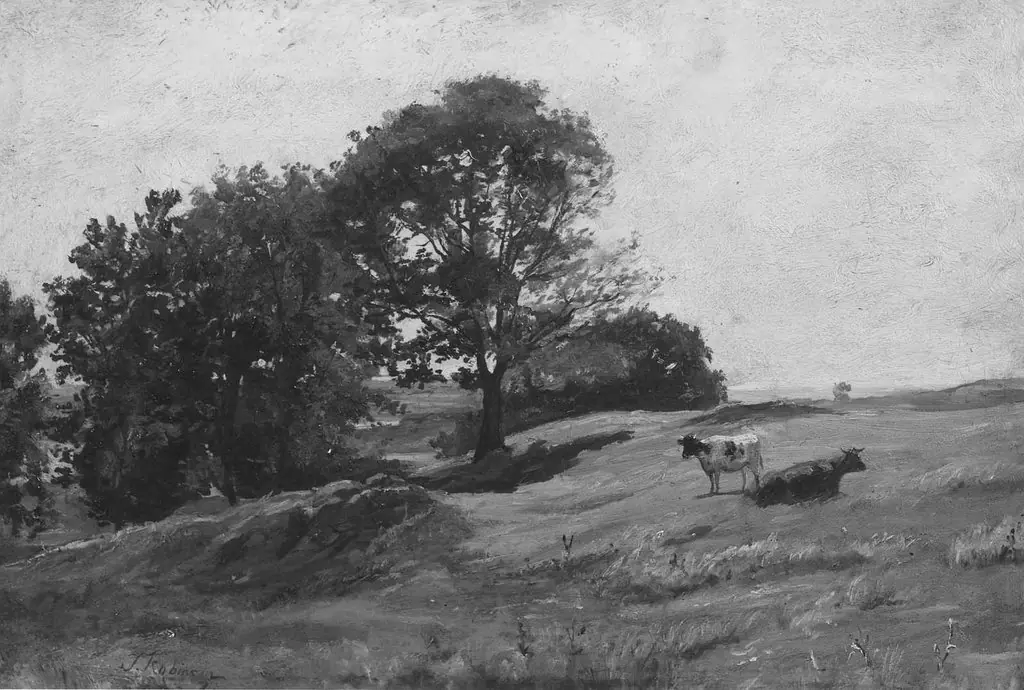
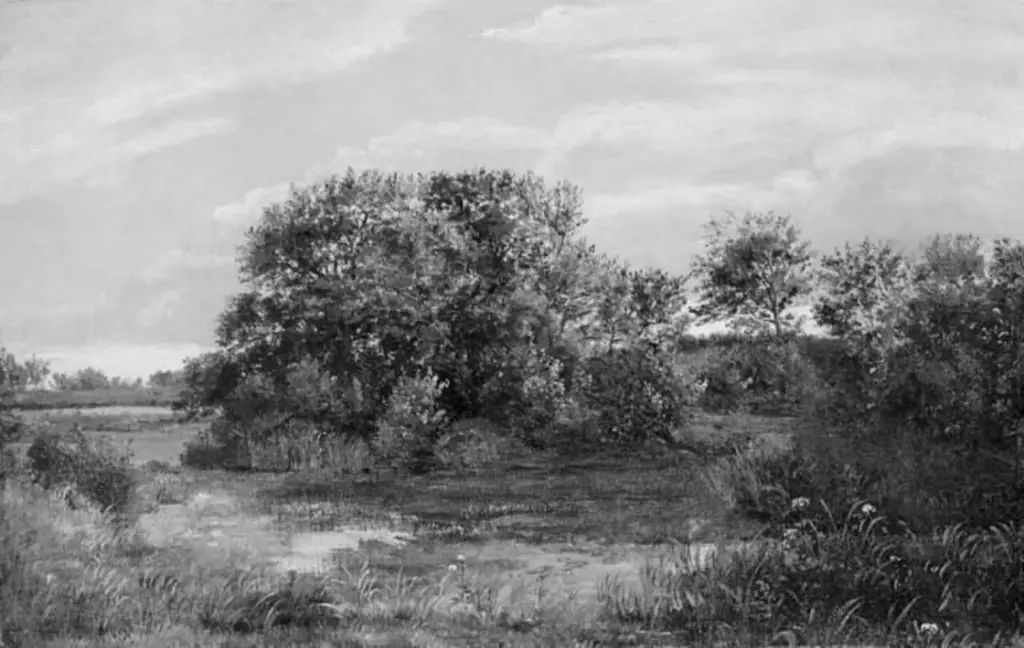
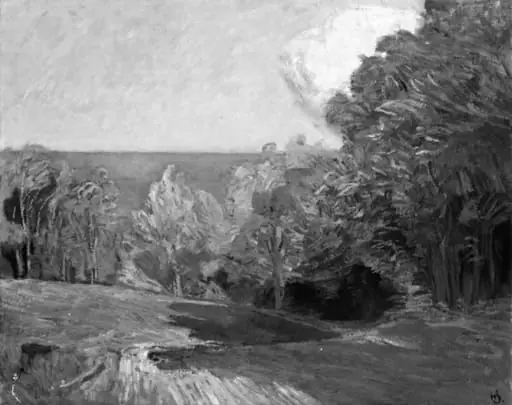
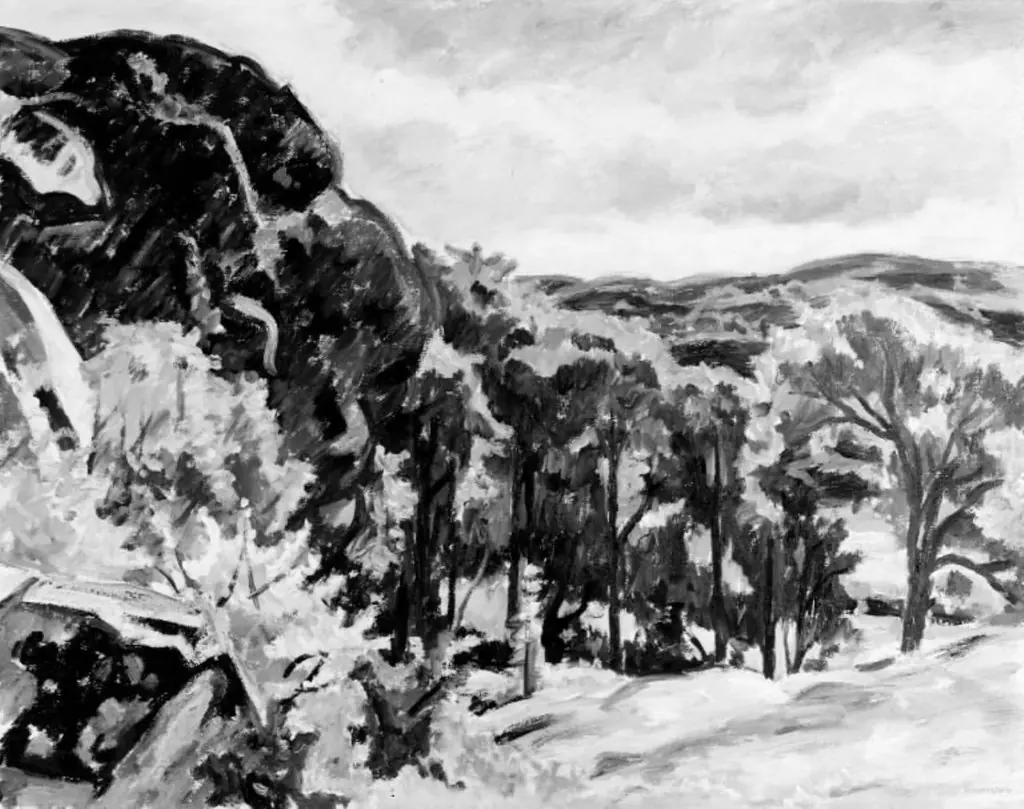
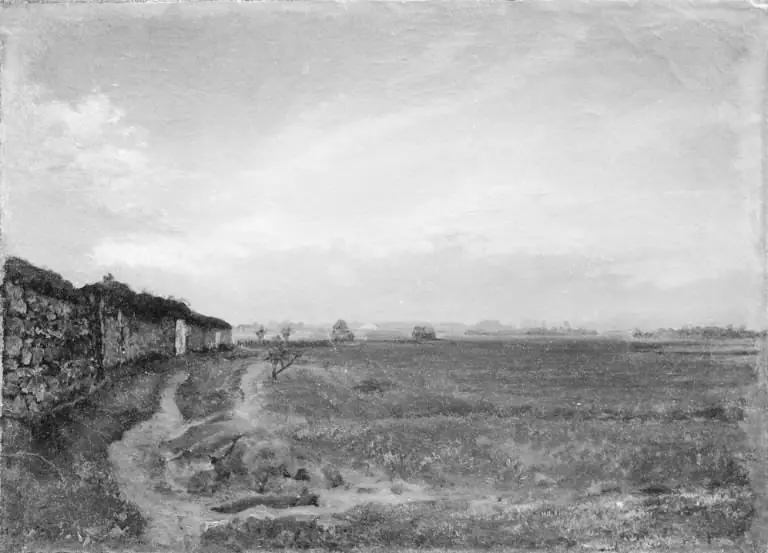
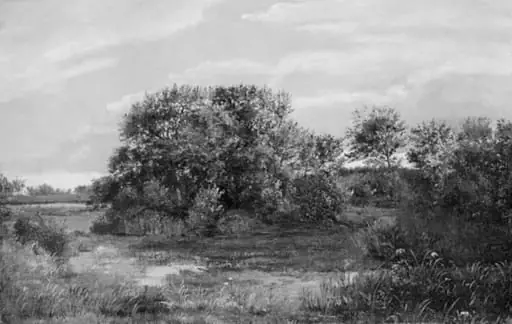
Ved vejen, blæst. Landskab med to får ved en vej is a photography by Unknown. It dates from 1906 and is held in the collection of the Statens Museum for Kunst. Created in 1906, this black-and-white image depicts a rural Danish landscape along a quiet road.
About this work
Overview
The composition emphasizes stillness, with tall trees framing the road and a hazy sky suggesting a calm, overcast day.
Created in 1906, this black-and-white image depicts a rural Danish landscape along a quiet road. Two sheep rest peacefully in the center of the path, their forms softened by subtle gradations of light and shadow. The composition emphasizes stillness, with tall trees framing the road and a hazy sky suggesting a calm, overcast day. The absence of color focuses attention on tonal contrast and spatial depth.
Subject & Meaning
The scene centers on two sheep lying down along a country lane, their relaxed posture conveying a sense of quiet repose. The road, though empty of human presence, implies passage and routine. The sheep, neither grazing nor fleeing, seem at ease within the landscape, suggesting harmony between animal and environment. The image avoids narrative drama, instead inviting contemplation of ordinary rural life.
Technique & Style
The artist employs a monochromatic palette to explore chiaroscuro, using subtle shifts in tone to model form and suggest depth. Soft edges and diffused lighting create a muted atmosphere, while the placement of the sheep anchors the composition. The brushwork is restrained, avoiding detail in favor of atmospheric effect. The lack of color enhances the sense of timelessness and quietude.
History & Provenance
The work entered the collection of the Museum of Ethnography shortly after its creation, likely as part of a broader effort to document rural Danish life. Its preservation in an ethnographic context, rather than a fine arts institution, reflects early 20th-century interest in recording everyday scenes as cultural records. No significant ownership changes are documented prior to its museum acquisition.
Context
Painted during a period of increasing industrialization in Denmark, this image offers a quiet counterpoint to urban transformation. It aligns with regionalist tendencies in Nordic art that valued rural solitude and natural rhythms. The absence of human figures and machinery underscores a deliberate focus on the land and its non-human inhabitants, reflecting broader cultural nostalgia for agrarian life.
Legacy
Though not widely exhibited outside its institutional home, the work remains a quiet example of early 20th-century Danish tonal landscape painting. Its emphasis on stillness and natural harmony influenced later artists interested in minimalist rural representation. It continues to serve as a reference for studies of light, mood, and the depiction of domesticated animals in Nordic art.
Artist & collection

 Domestic Scene
 Giacomo and Cardinal Marco, investing Andrea, Abbot of San Zeno, with his Benefice
 The Nymph of Fontainebleau
 Portrait of a Woman
 Madonna and Child with Saints in the Enclosed Garden
 Venus and Minerva
 Family Group of Four on Sofa
 Wall painting from Room H of the Villa of P. Fannius Synistor at Boscoreale