Artwork
The Choir of Assens Church
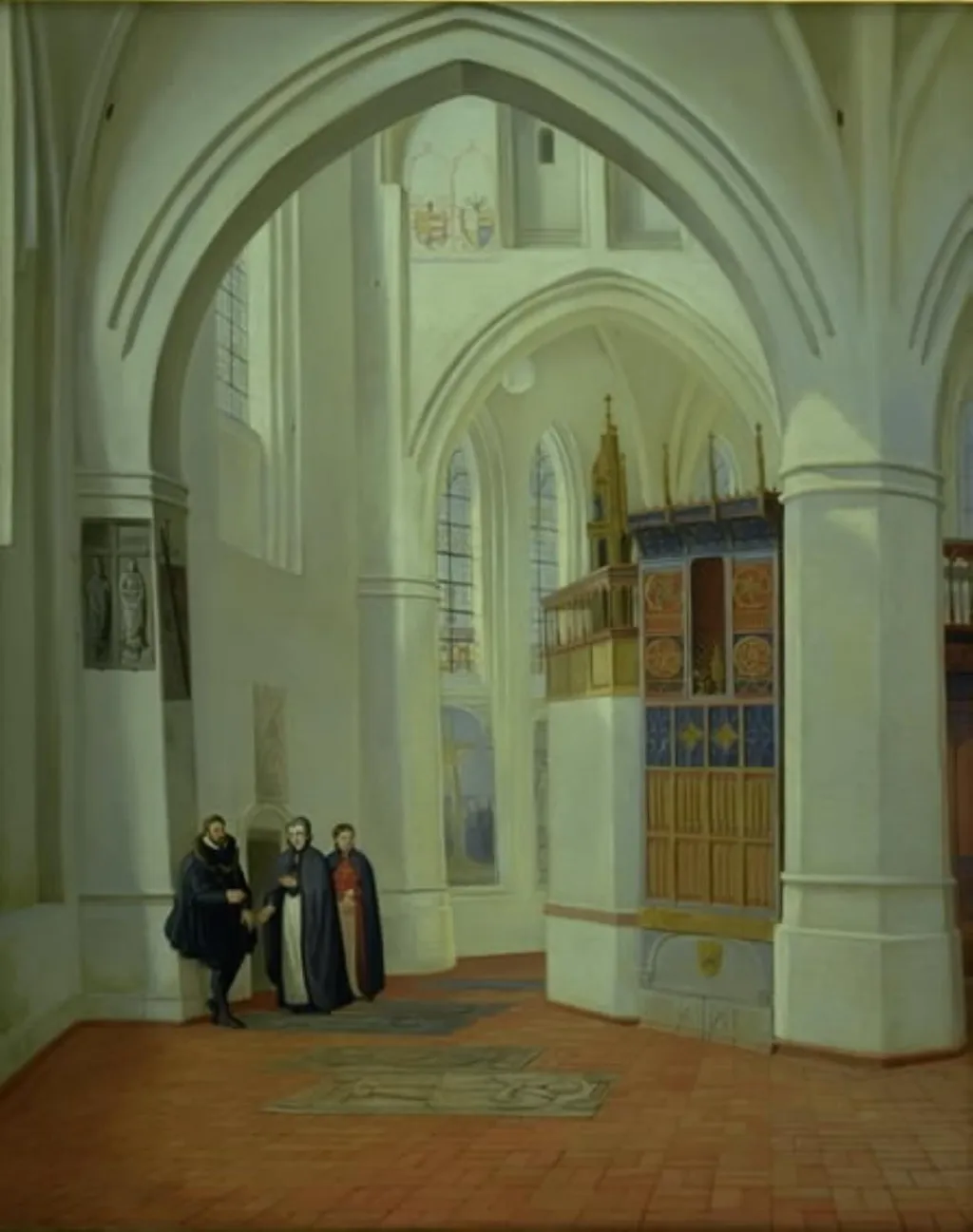
The Choir of Assens Church is a photography by Unknown. It dates from 1850 and is held in the collection of the Statens Museum for Kunst. This photograph captures the interior of Assens Church’s choir area, likely taken around 1850.
About this work
Overview
This photograph captures the interior of Assens Church’s choir area, likely taken around 1850. It depicts three individuals moving through the space, their attire consistent with mid-19th-century dress. The image is held in the collection of the Museum of Ethnography, where it serves as a record of ecclesiastical architecture and everyday religious life in Denmark during the period.
Subject & Meaning
The figures appear engaged in quiet movement, suggesting routine activity rather than ceremonial ritual. Their presence, unposed and unremarkable, emphasizes the church as a lived-in space rather than a monument. The absence of overt religious symbols or large congregations shifts focus to the architecture and the ordinary rhythms of worship in a small Danish parish.
Technique & Style
The photograph employs natural, diffused light filtering through stained glass, creating a subdued, atmospheric tone. The composition emphasizes verticality through the high arches and tall windows, while the wooden pews and plain walls ground the scene in material simplicity. The soft focus and muted color palette reflect early photographic limitations and a deliberate aesthetic of stillness.
History & Provenance
The image was likely made by a local or traveling photographer in the mid-1800s, a time when documentary photography of religious spaces was emerging. It entered the Museum of Ethnography’s collection as part of a broader effort to catalog Danish cultural and architectural heritage. Its preservation reflects an early interest in recording vernacular religious environments.
Context
In 1850, Denmark was undergoing social and religious changes, with growing emphasis on parish life and national identity. Assens Church, like many rural Danish churches, served as both spiritual and community center. This image reflects the modest, functional design typical of post-Reformation churches, where ornamentation was minimal and focus remained on communal worship.
Legacy
The photograph endures as a quiet testament to the everyday use of sacred space in 19th-century Denmark. It contributes to historical studies of religious architecture and social practice, offering insight into how ordinary people interacted with church interiors before modernization transformed such spaces. Its value lies in its unembellished documentation of a vanishing way of life.
Artist & collection

 Domestic Scene
 Giacomo and Cardinal Marco, investing Andrea, Abbot of San Zeno, with his Benefice
 The Nymph of Fontainebleau
 Portrait of a Woman
 Madonna and Child with Saints in the Enclosed Garden
 Venus and Minerva
 Family Group of Four on Sofa
 Wall painting from Room H of the Villa of P. Fannius Synistor at Boscoreale
 Koret i Assens Kirke
 Kirken i St. Sablon i Bruxelles
 Kirken i St. Sablon i Bruxelles
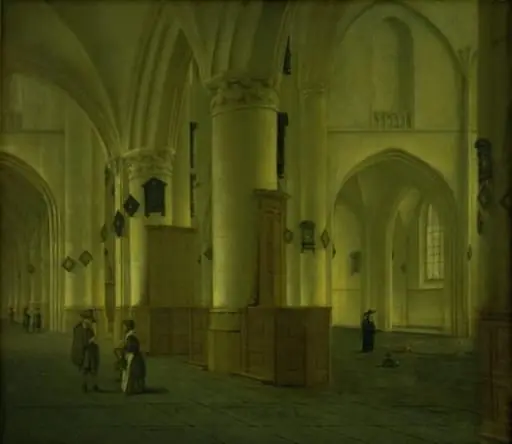 Side-Aisle at St Bavo Church in Haarlem
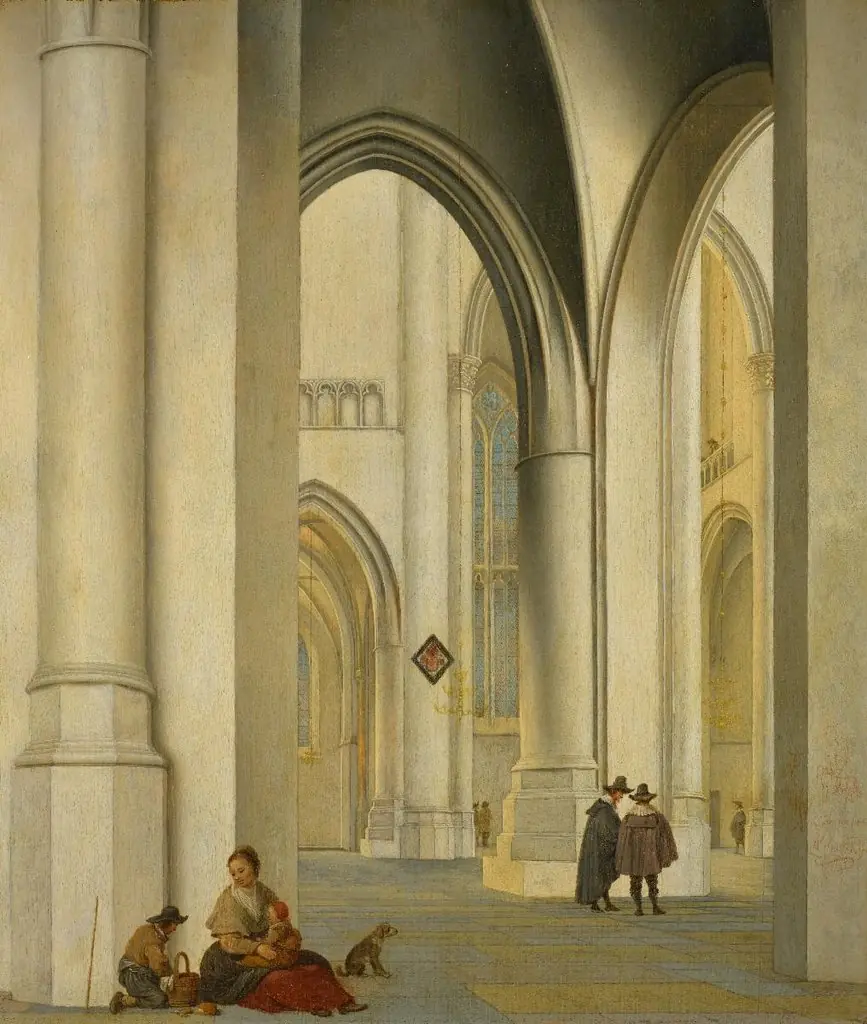 Interior of St. Bavo in Haarlem
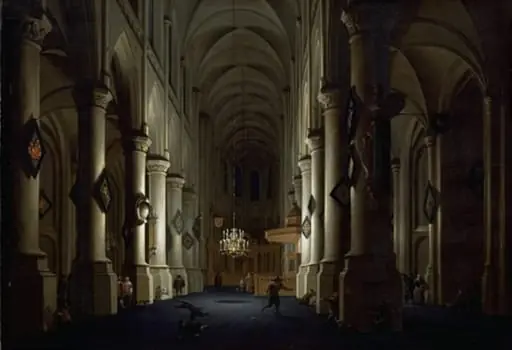 Interior of a Church
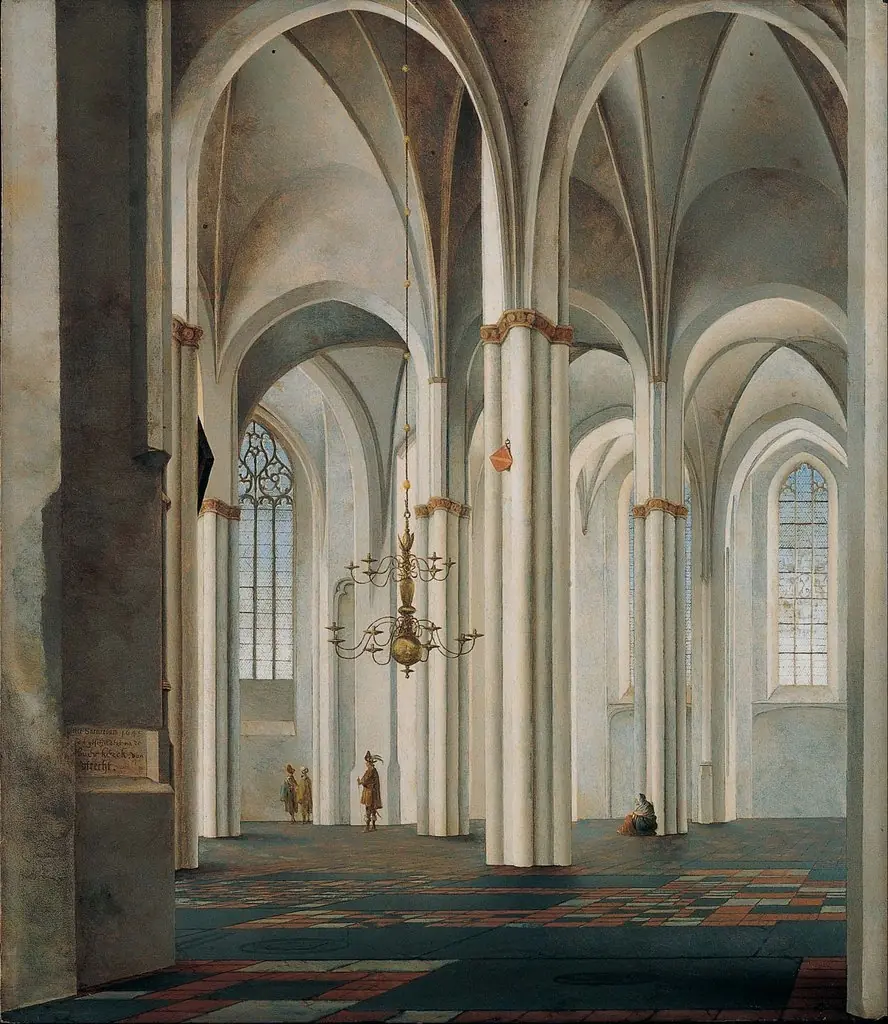 Interior of the Buurkerk, Utrecht
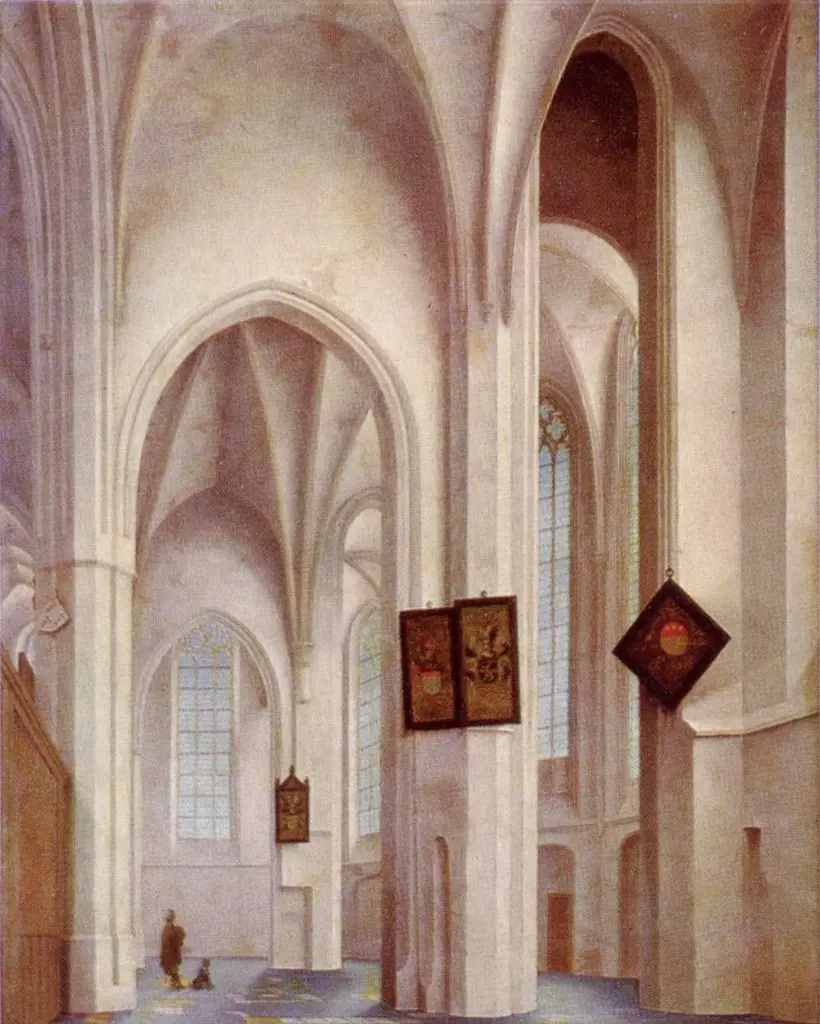 interior view of the church St. Jacobs in Utrecht
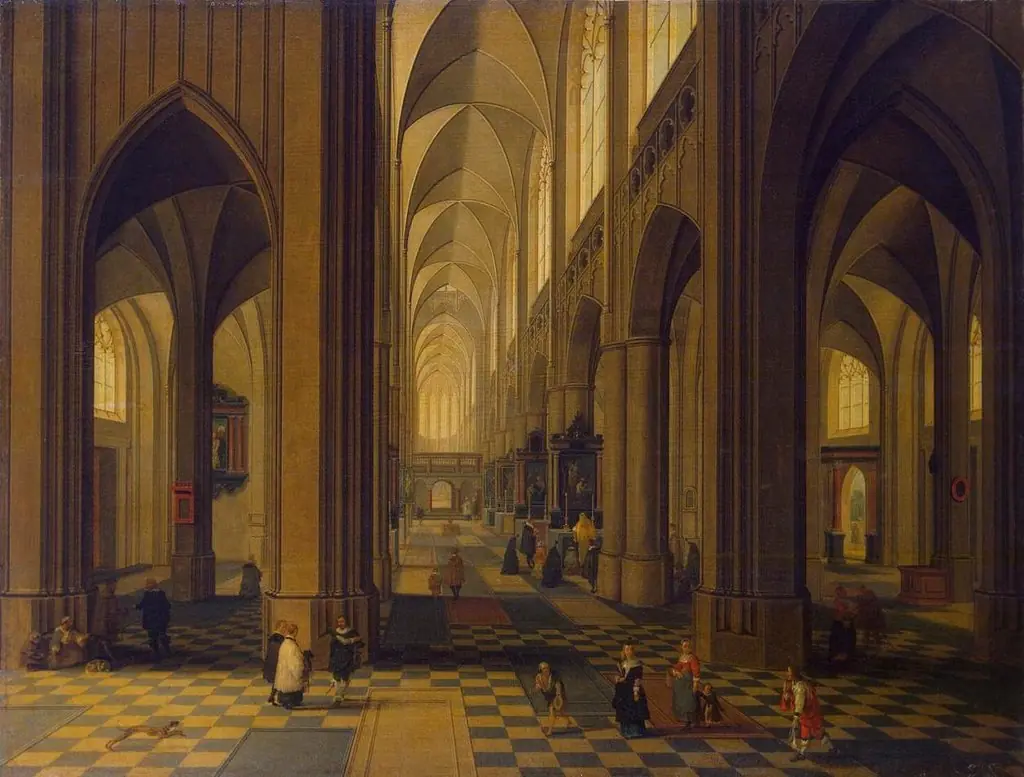 Interior of the Antwerp Cathedral
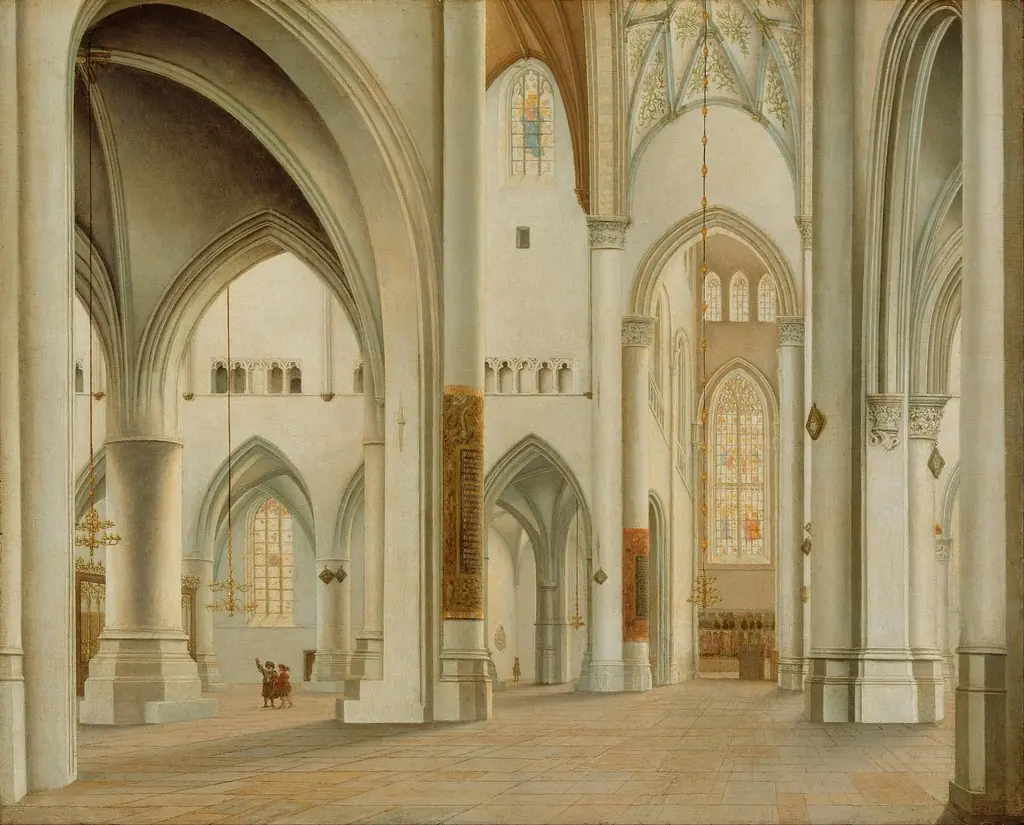 The Interior of St. Bavo, Haarlem
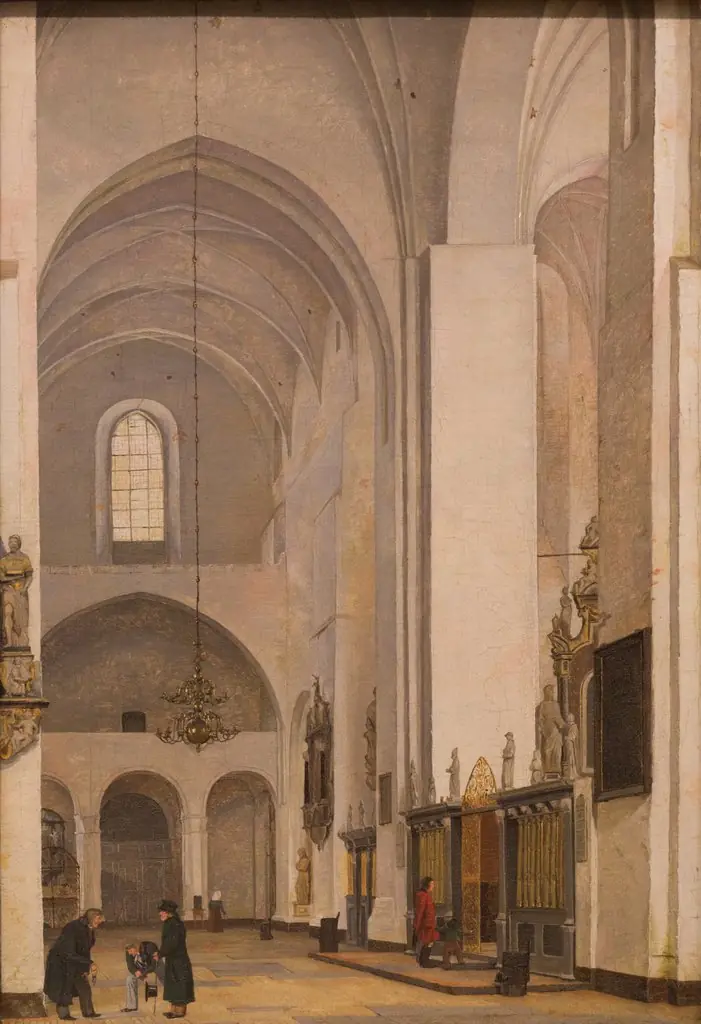 The Transept of Århus Cathedral
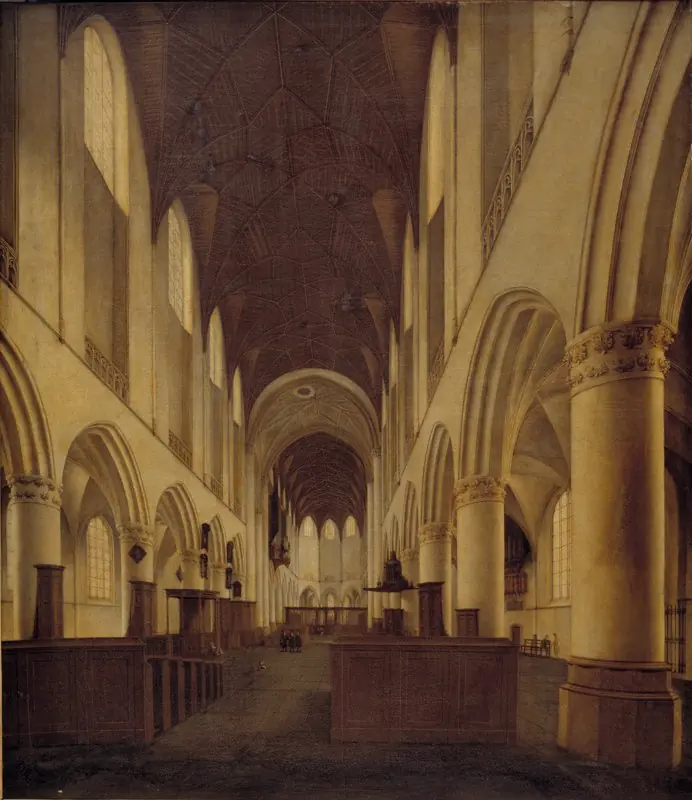 Interior of St Bavo Church in Haarlem. View from the Nave towards the Choir