Artwork
The Island of Brandsø with Wedellsborg Forest, Funen, in the Distance
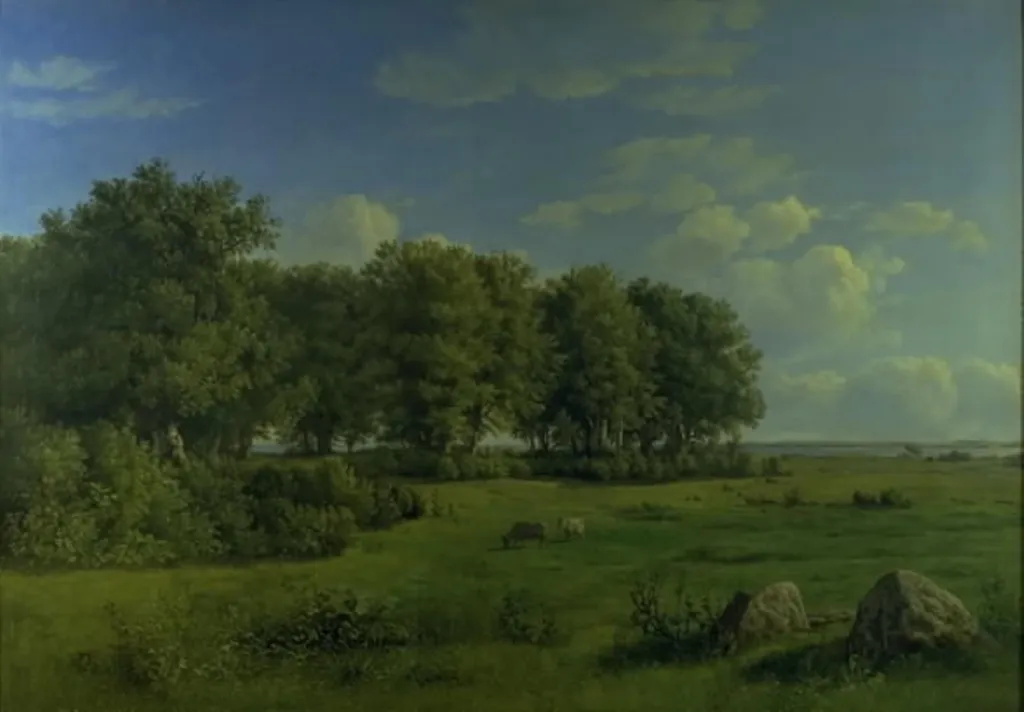
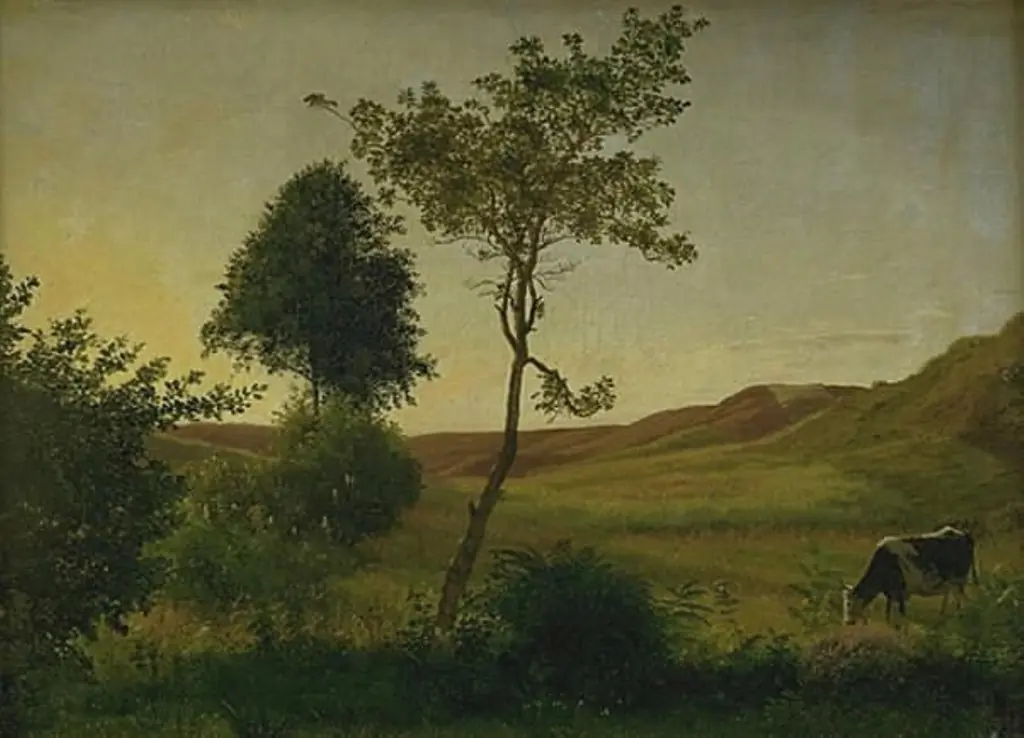
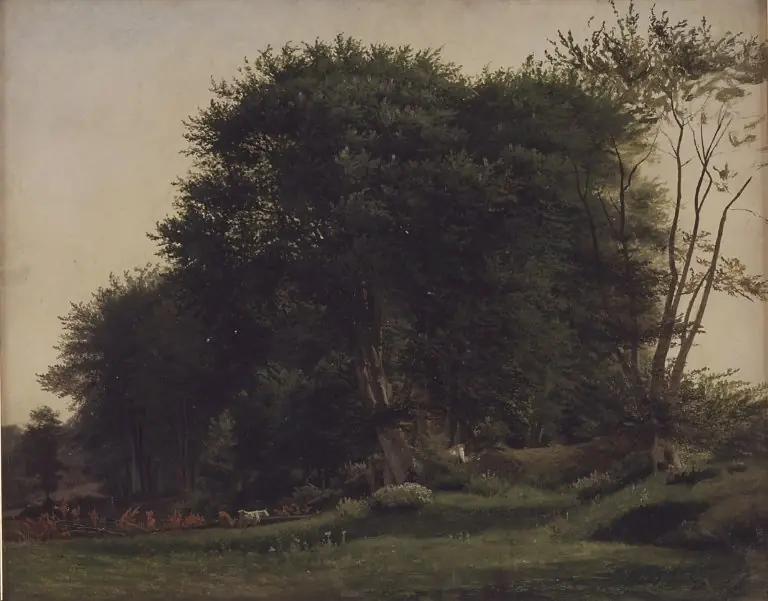
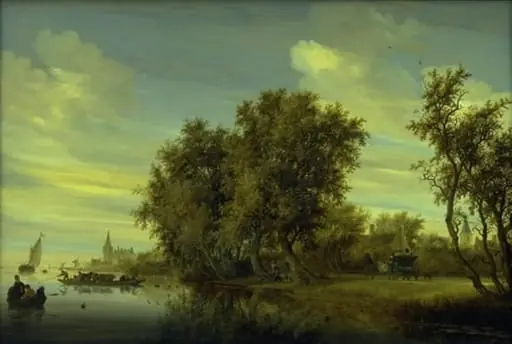
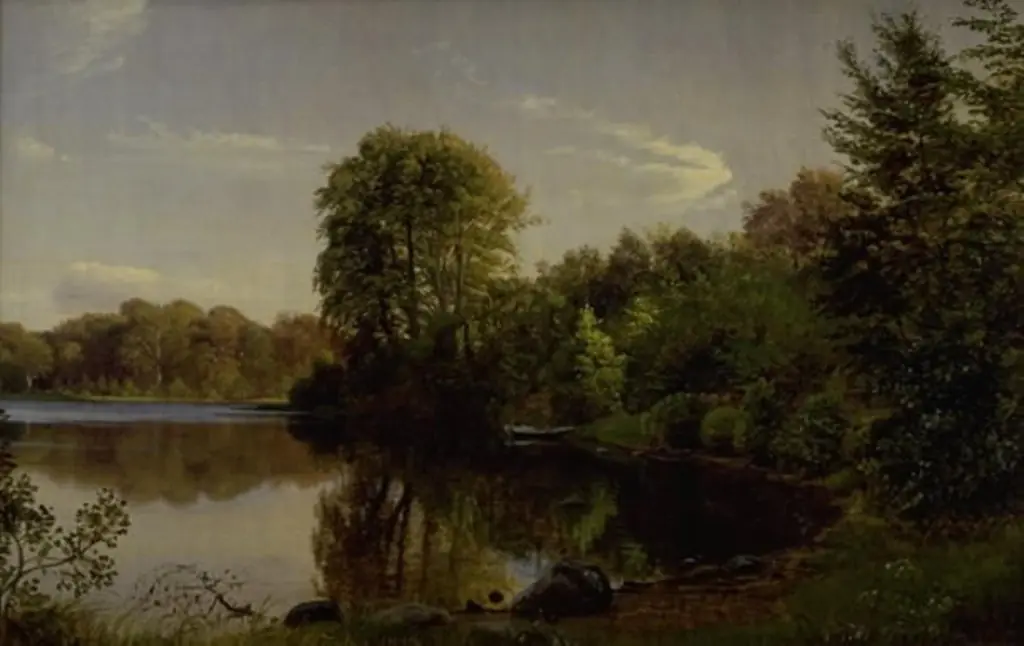
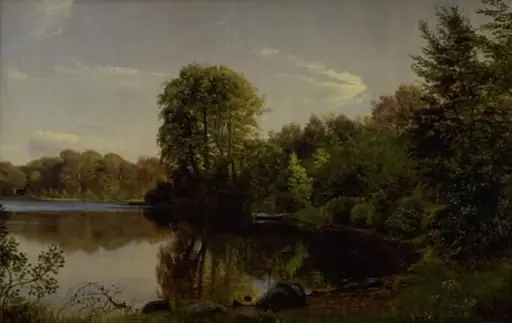
The Island of Brandsø with Wedellsborg Forest, Funen, in the Distance is a photography by the Romanticist artist Unknown. It dates from 1843 and is held in the collection of the Statens Museum for Kunst. Painted in 1843, this landscape depicts the Danish island of Brandsø with the Wedellsborg Forest visible on the horizon of Funen.
About this work
Overview
Painted in 1843, this landscape depicts the Danish island of Brandsø with the Wedellsborg Forest visible on the horizon of Funen. Executed in oil, the work captures a tranquil rural scene with minimal human presence. It resides in the collection of the Museum of Ethnography, where it is valued for its quiet observation of the natural environment rather than narrative or symbolic content.
Subject & Meaning
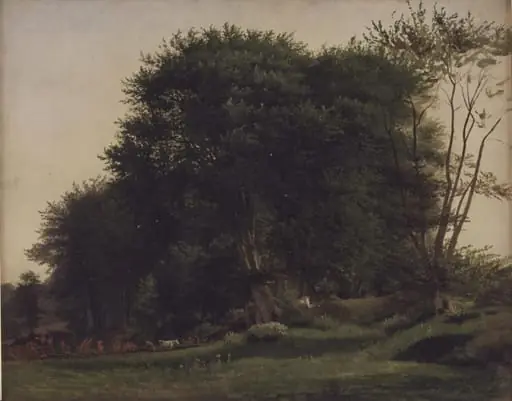
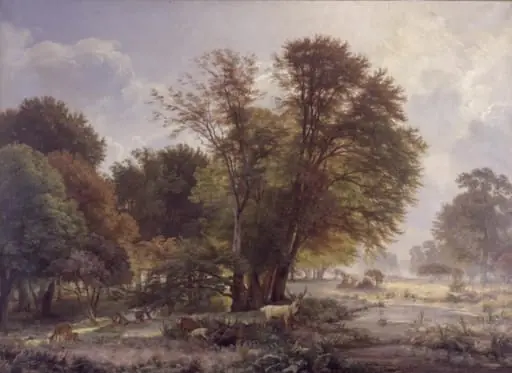
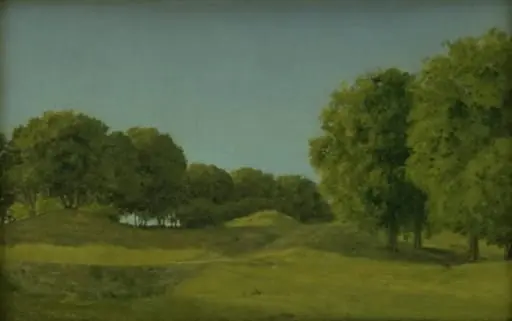
The painting presents a serene, unpopulated stretch of land—grassland dotted with rocks, a band of dense trees, and a distant forest receding into the horizon.
The painting presents a serene, unpopulated stretch of land—grassland dotted with rocks, a band of dense trees, and a distant forest receding into the horizon. There is no indication of human activity, emphasizing solitude and stillness. The composition invites contemplation, reflecting a 19th-century Danish interest in the emotional resonance of untouched nature, aligned with Romantic sensibilities.
Technique & Style
The artist employs soft brushwork and muted tonal transitions to render light as diffused and atmospheric. Greens vary subtly across the foreground, midground, and background, creating depth without sharp contrasts. The sky, filled with pale clouds, gently bleeds into the horizon, enhancing the sense of calm. The effect is one of quiet luminosity, achieved through layered glazes and restrained palette.
History & Provenance
Created in 1843, the painting entered the Museum of Ethnography’s collection in the late 19th or early 20th century. Its acquisition likely reflected broader institutional interest in documenting regional landscapes as cultural artifacts. Though not widely exhibited, it has remained in the museum’s care since, preserved as a representative example of Danish naturalist painting from the period.
Context
This work emerged during a time when Danish artists increasingly turned to local scenery as subjects of serious study, moving away from idealized classical landscapes. The emphasis on quiet, everyday nature aligned with national cultural movements seeking to define Danish identity through its land. Similar works by contemporaries reflect this trend toward intimate, unembellished observation.
Legacy
While not widely known outside Denmark, the painting contributes to a body of 19th-century Nordic landscape art that prioritized mood over drama. Its restrained aesthetic influenced later generations of Danish painters who valued subtlety and atmospheric truth. Today, it remains a quiet testament to the cultural significance of place in Danish visual culture.
Artist & collection

 Domestic Scene
 Giacomo and Cardinal Marco, investing Andrea, Abbot of San Zeno, with his Benefice
 The Nymph of Fontainebleau
 Portrait of a Woman
 Madonna and Child with Saints in the Enclosed Garden
 Venus and Minerva
 Family Group of Four on Sofa
 Wall painting from Room H of the Villa of P. Fannius Synistor at Boscoreale