Artwork
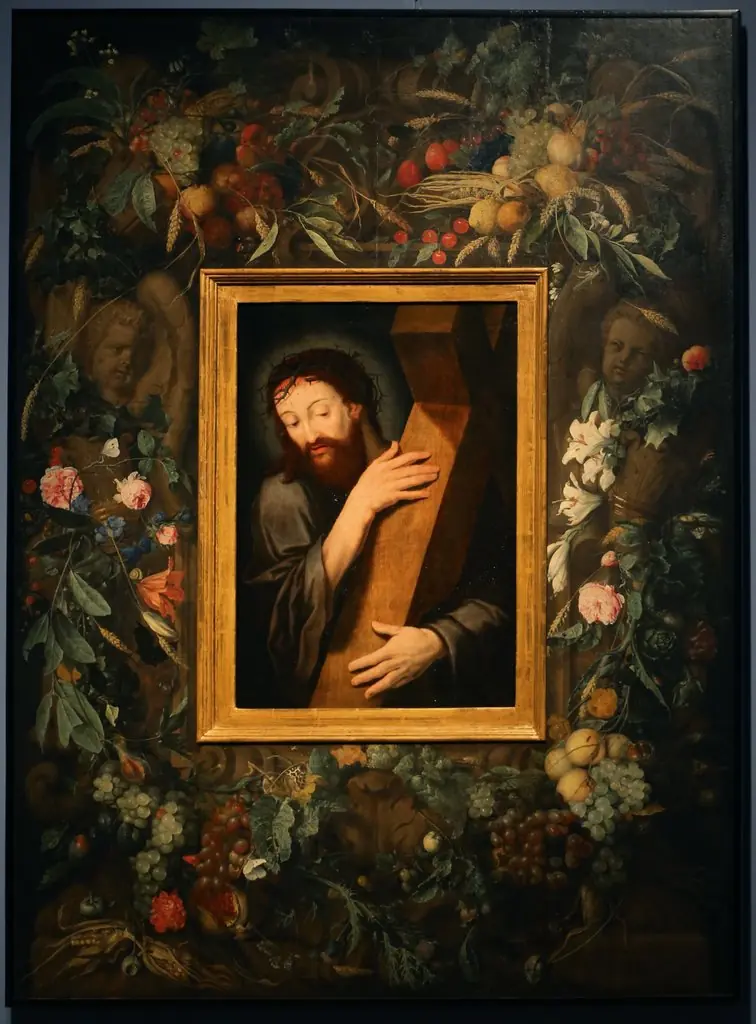
Christ Carrying the Cross
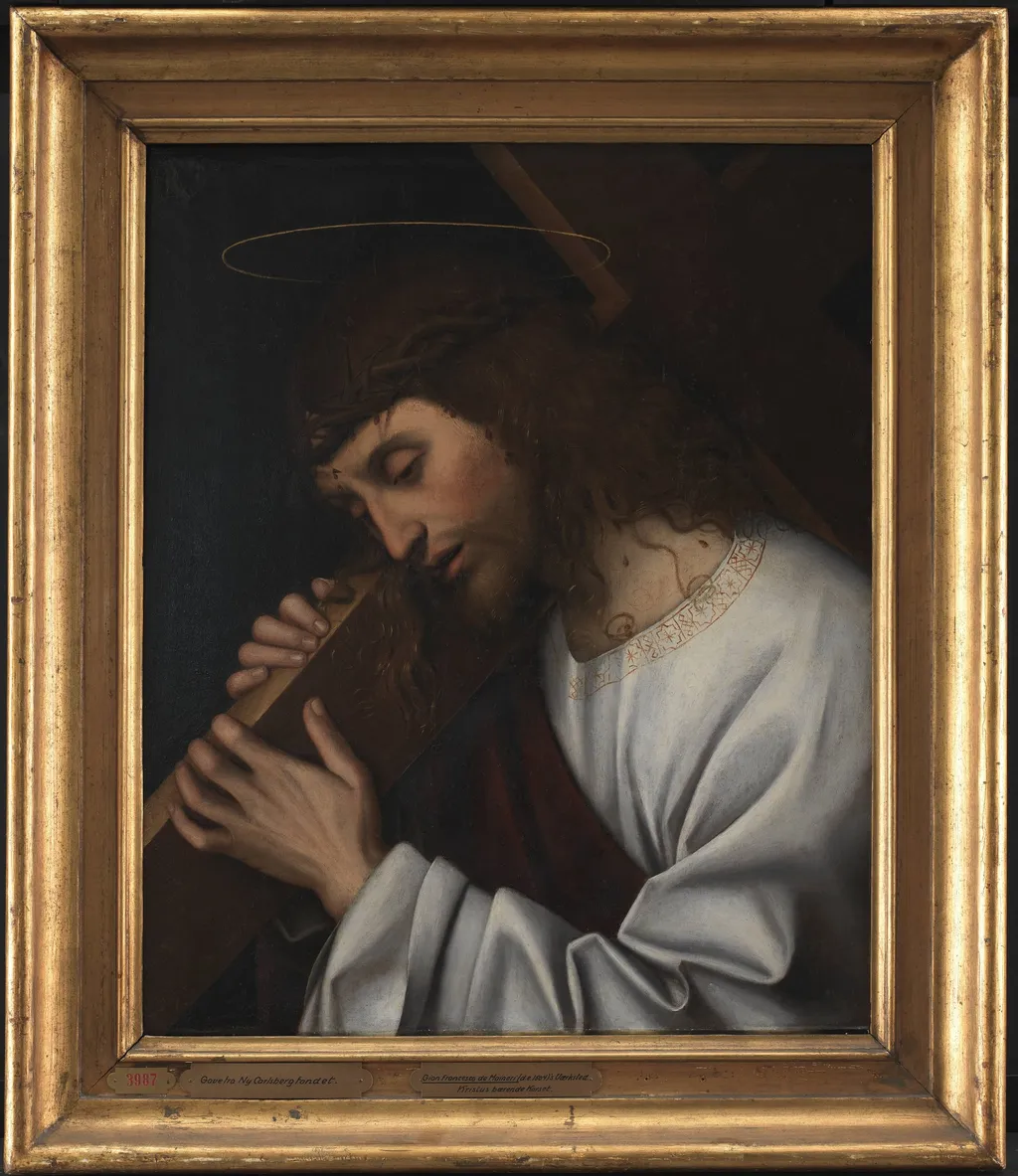
Christ Carrying the Cross is a photography by Unknown. It dates from 1450 and is held in the collection of the Statens Museum for Kunst. Painted around 1450, this devotional image depicts Christ bearing the cross, rendered in a style typical of late medieval religious art.
About this work
Overview
Painted around 1450, this devotional image depicts Christ bearing the cross, rendered in a style typical of late medieval religious art. The work is held in the collection of the Museum of Ethnography, though its origins lie in a European ecclesiastical context. Its compact format and intense focus suggest it was intended for private contemplation rather than public display.
Subject & Meaning
The figure of Christ, identified by his halo and solemn posture, represents the moment of suffering en route to crucifixion. His bowed head and burdened stance evoke humility and endurance, central themes in Passion narratives. The absence of bystanders or landscape isolates the viewer’s attention on Christ’s personal sacrifice, reinforcing the image’s role as a tool for meditative prayer.
Technique & Style
The stylized rendering of hair and beard follows conventional iconography, prioritizing spiritual presence over naturalism.
The artist employs chiaroscuro to model the figure with sharp contrasts between light and shadow, emphasizing Christ’s facial expression and the weight of the cross. Gold thread on the white robe adds subtle luminosity, while the dark, unmodeled background eliminates distraction. The stylized rendering of hair and beard follows conventional iconography, prioritizing spiritual presence over naturalism.
History & Provenance
The painting’s early history is undocumented, but its style and materials align with devotional panels produced in Northern Europe during the mid-15th century. It entered the Museum of Ethnography’s collection in the late 19th or early 20th century, likely through acquisition or donation. Its classification within an ethnographic institution reflects historical collecting practices that grouped religious artifacts by cultural origin rather than artistic lineage.
Context
Created during a period of heightened personal piety, such images were used in homes and chapels to foster emotional connection with Christ’s suffering. The lack of narrative detail and the focus on a single figure reflect a shift toward intimate, affective devotion. Similar works circulated widely in regions influenced by the Devotio Moderna movement, which emphasized inner spiritual experience.
Legacy
Though not attributed to a known master, the painting exemplifies the enduring power of simplified religious imagery to convey profound emotional weight. Its preservation in an ethnographic museum highlights evolving institutional approaches to sacred objects—once seen as relics of faith, now studied as cultural artifacts. Its quiet intensity continues to engage viewers through restraint rather than spectacle.
Artist & collection

 Domestic Scene
 Giacomo and Cardinal Marco, investing Andrea, Abbot of San Zeno, with his Benefice
 The Nymph of Fontainebleau
 Portrait of a Woman
 Madonna and Child with Saints in the Enclosed Garden
 Venus and Minerva
 Family Group of Four on Sofa
 Wall painting from Room H of the Villa of P. Fannius Synistor at Boscoreale
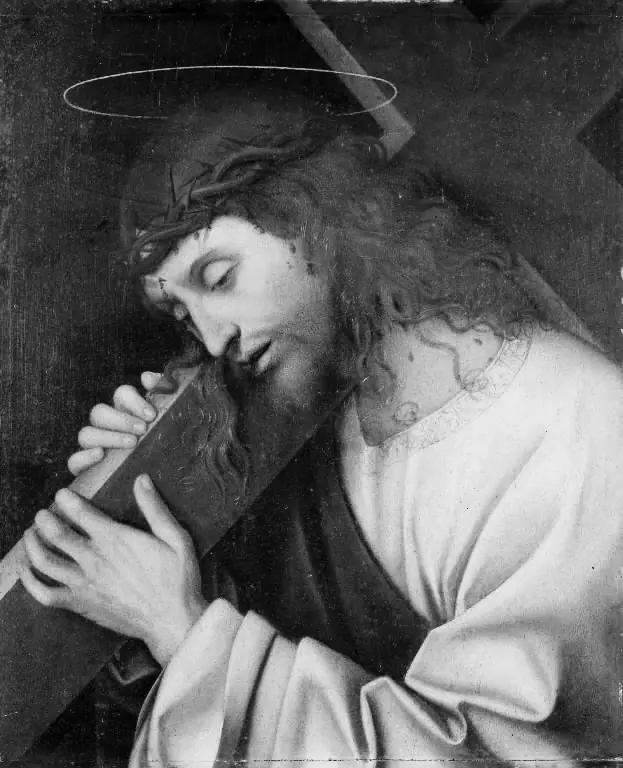 Christ Carrying the Cross
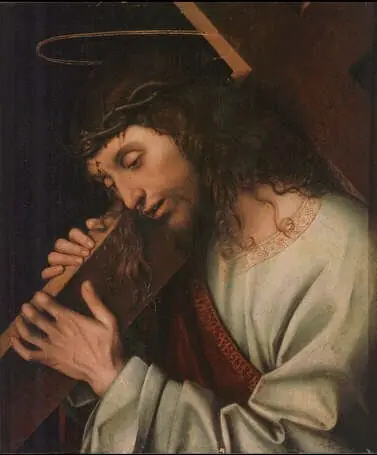 Christ carrying the cross
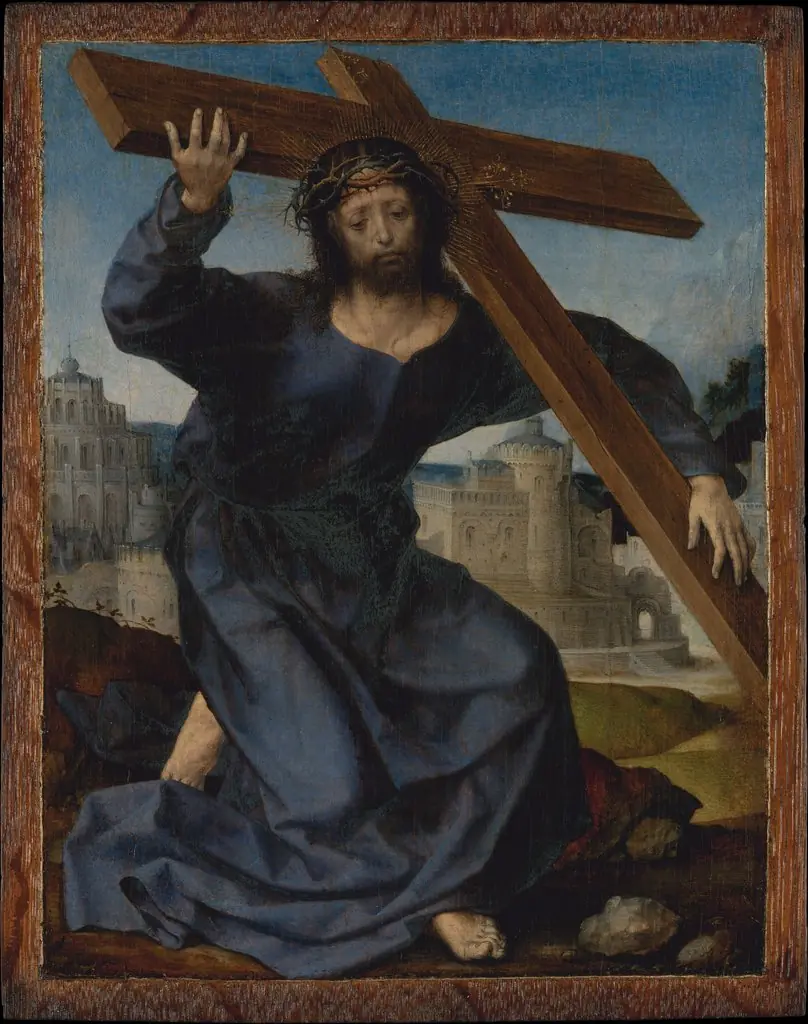 Christ Carrying the Cross
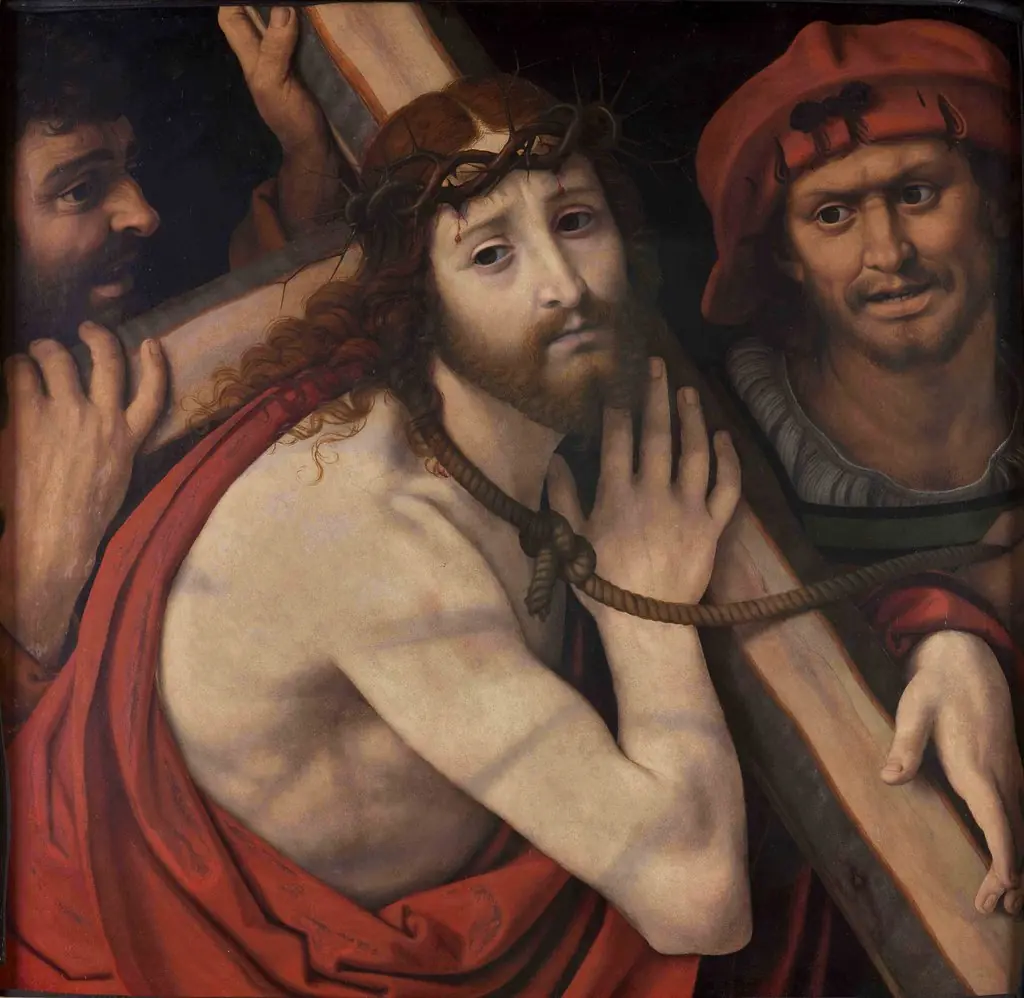 Christ carrying the Cross
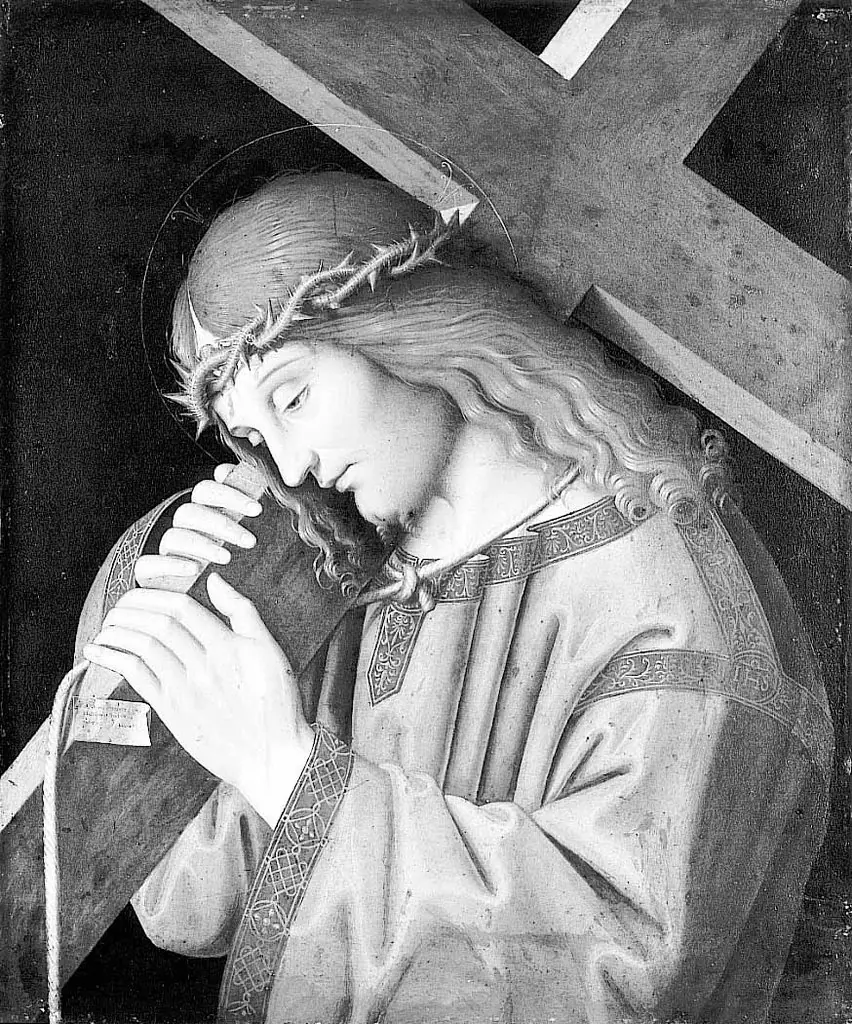 Christ Carrying the Cross
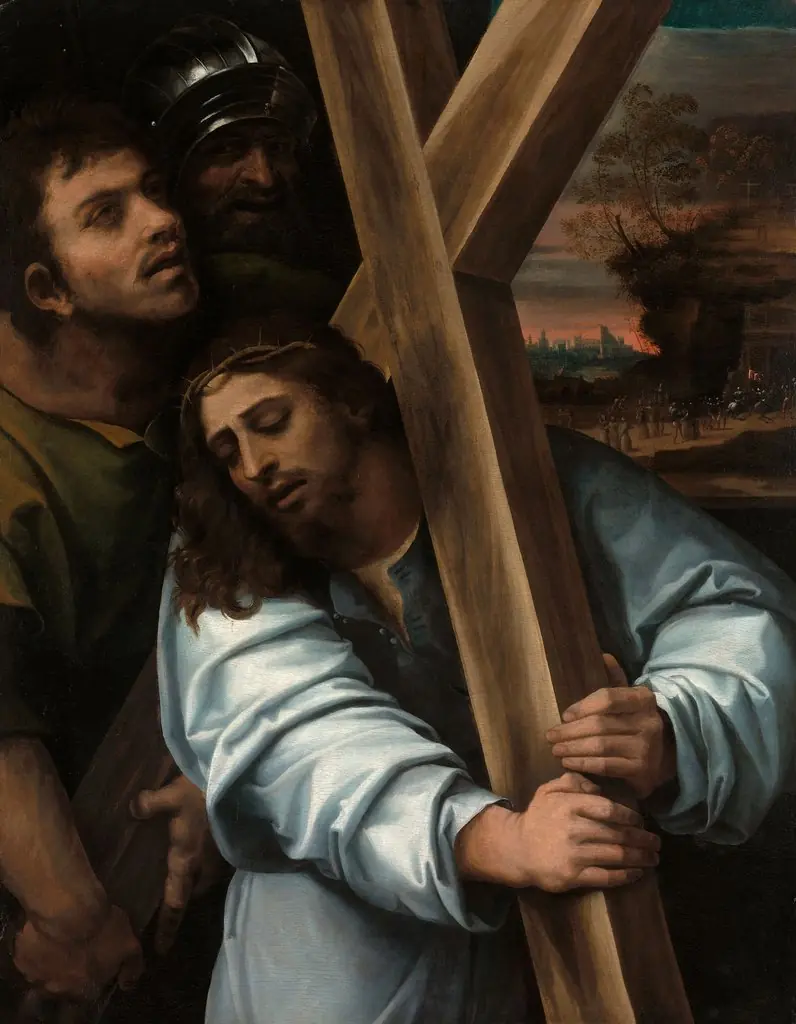 Christ Carrying the Cross
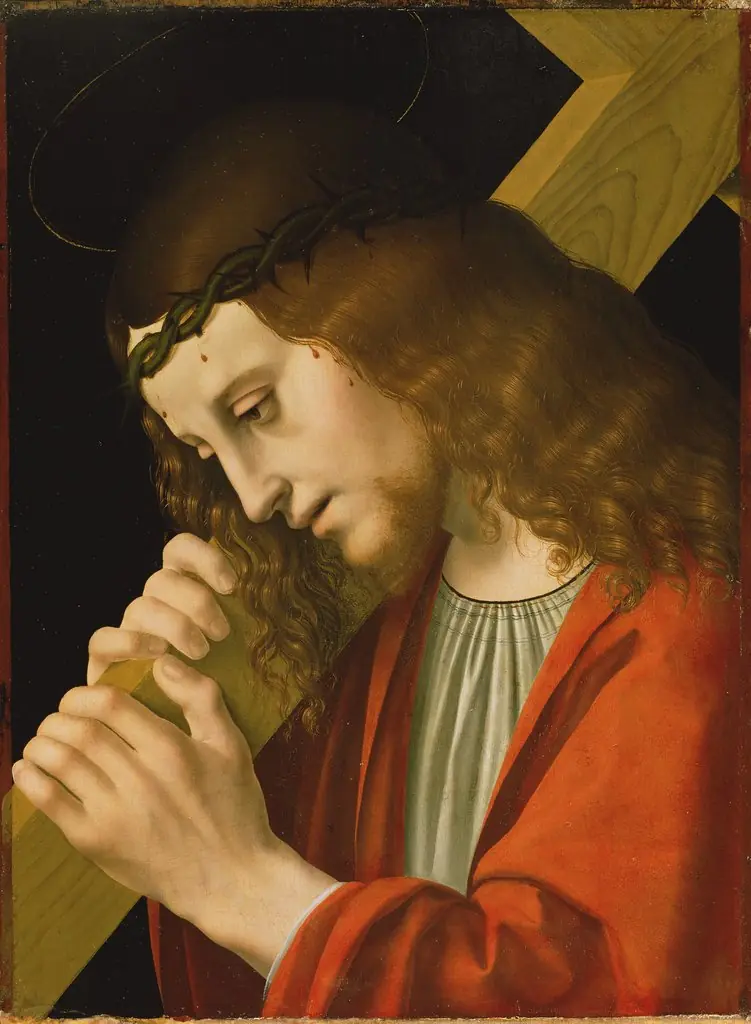 Christ Carrying the Cross
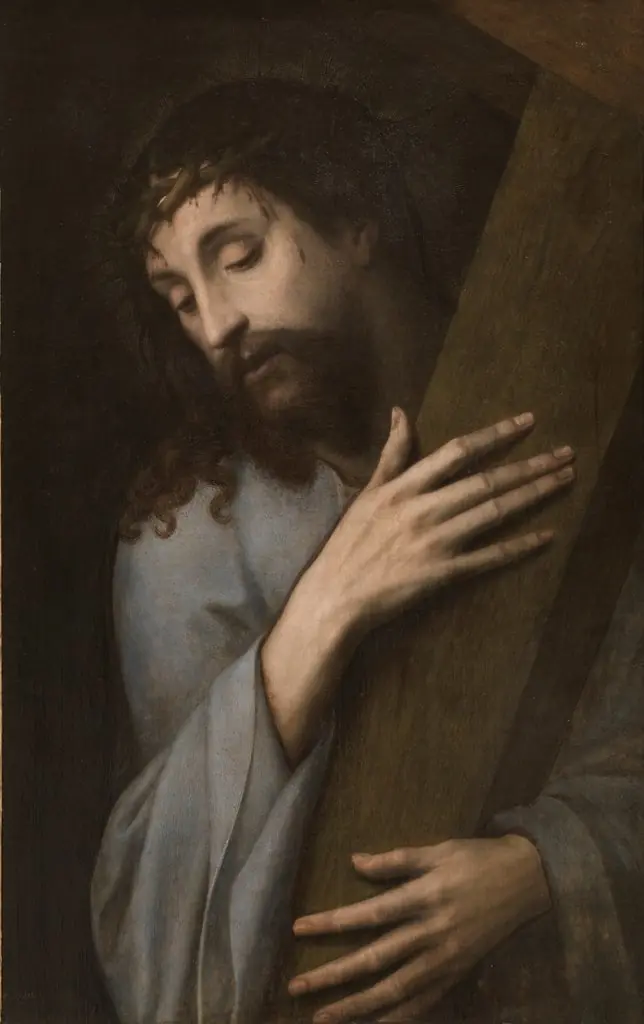 Christ bearing the Cross
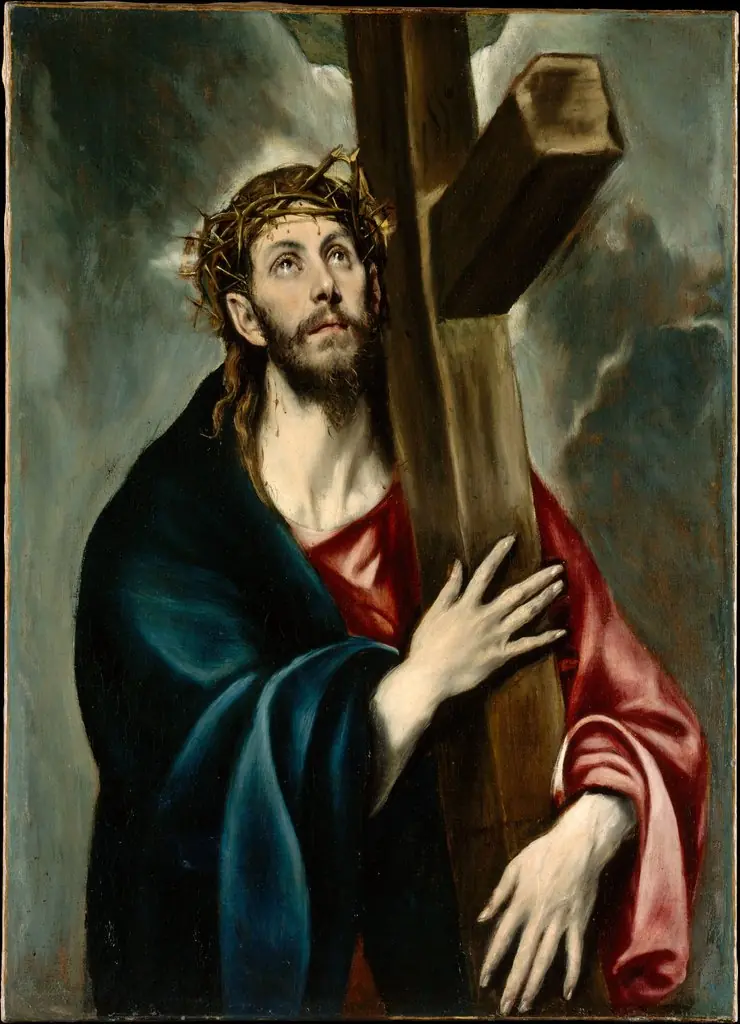 Christ Carrying the Cross
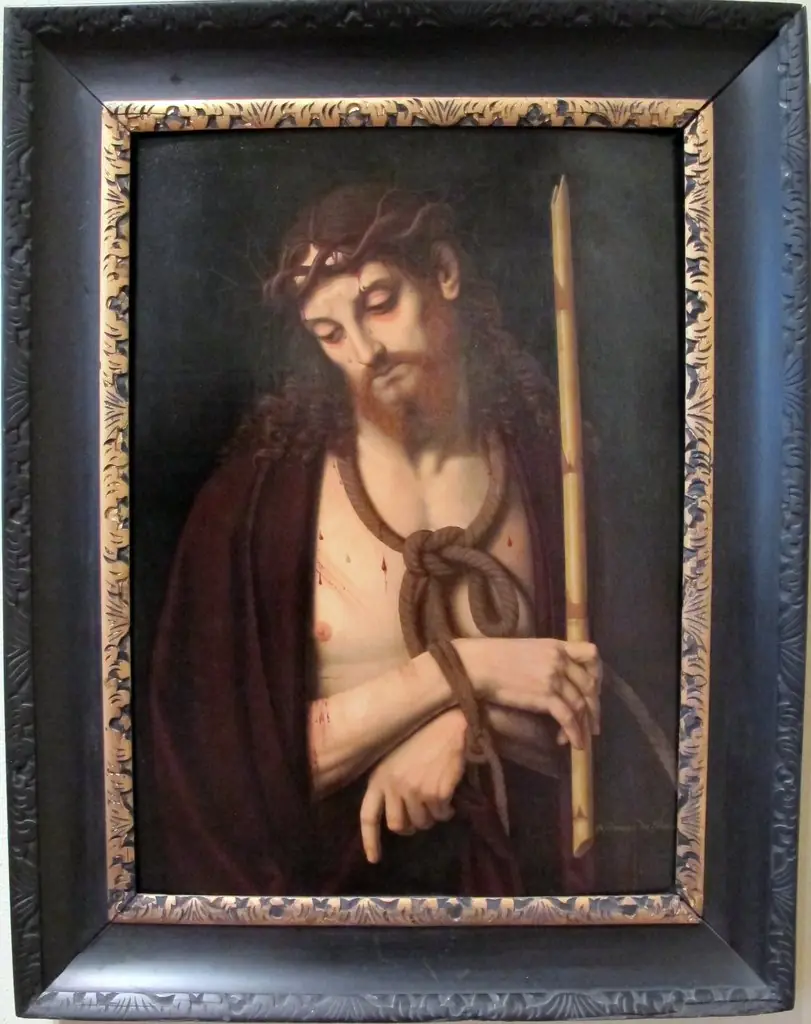 cristo legato e coronato di spine
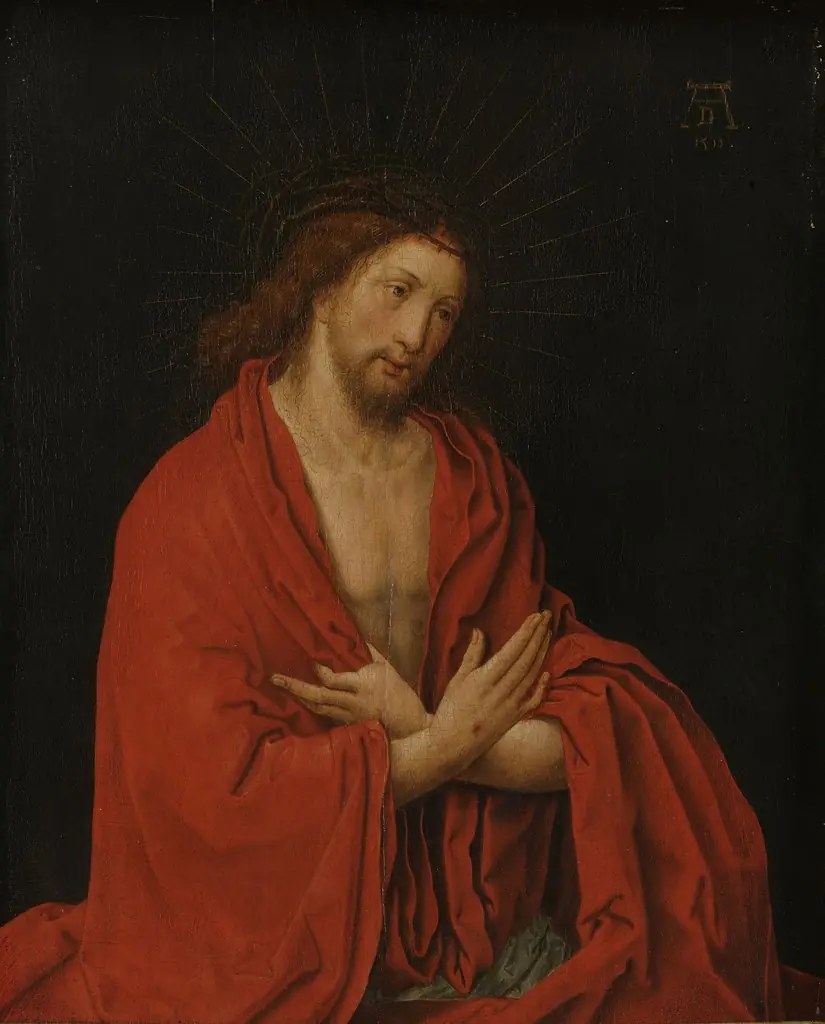 Inner left wing of a diptych with Christ as the Man of Sorrows
 Kreuztragender Christus