Artwork
Portrait of Mrs. Bertha Brandstrup
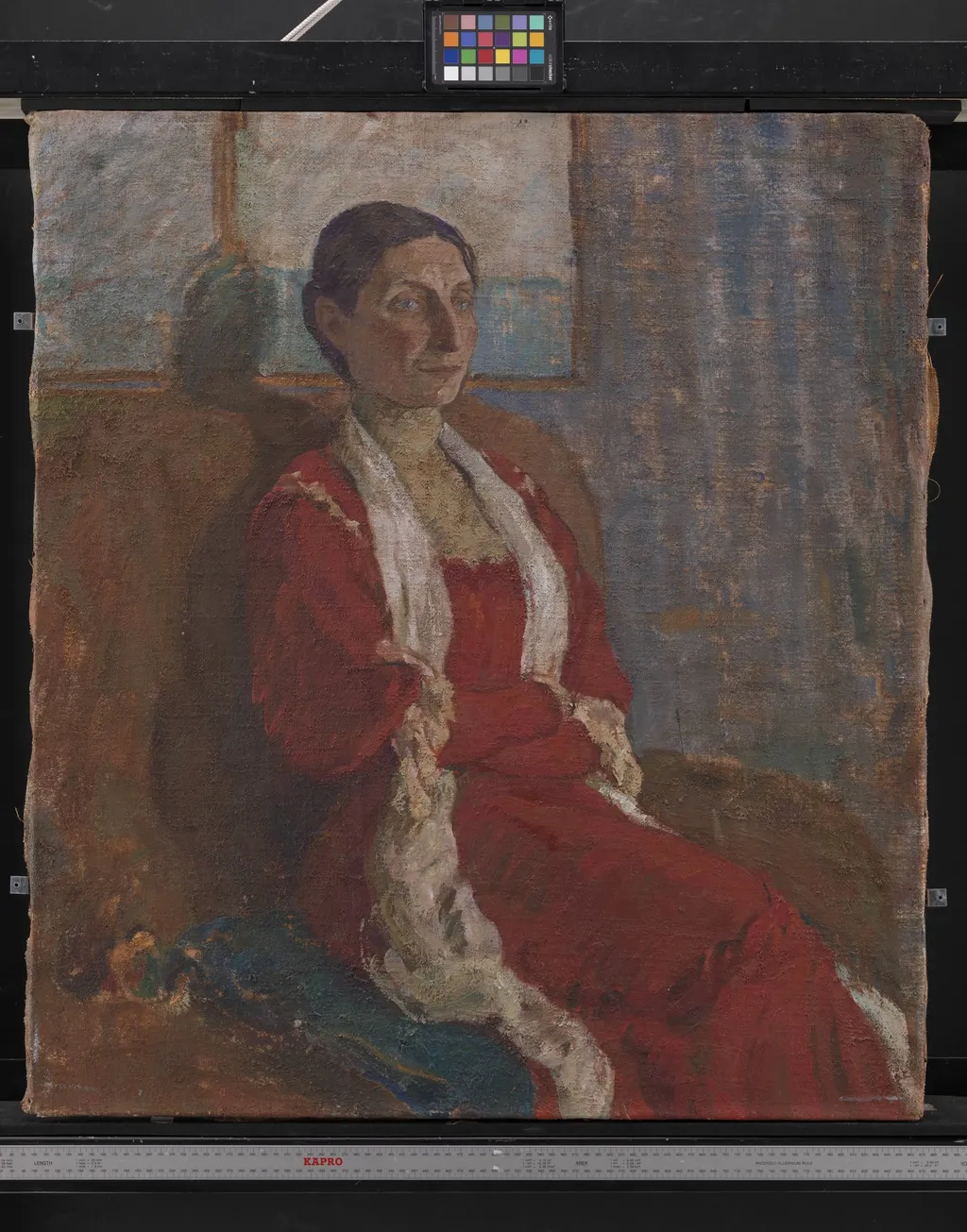
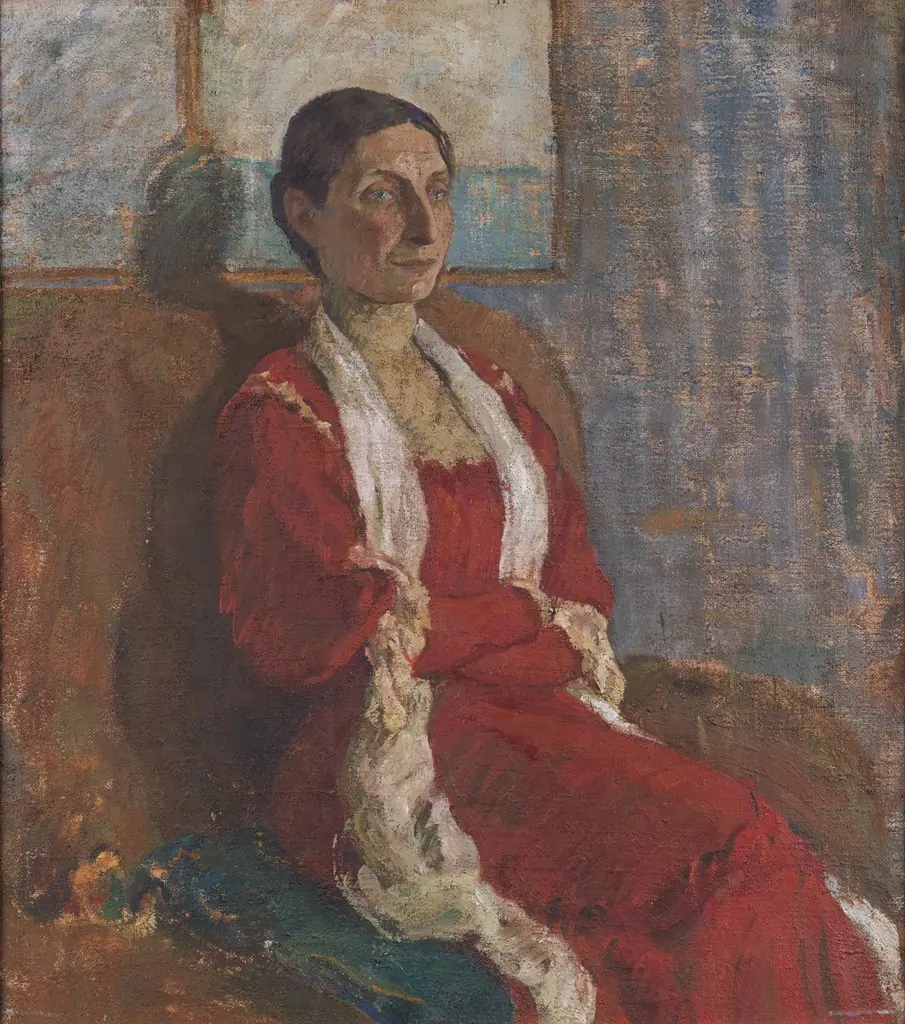
Portrait of Mrs. Bertha Brandstrup is an unspecified painting by the Post-Impressionist artist Unknown. It dates from 1909 and is held in the collection of the Statens Museum for Kunst. Painted in 1909, this portrait depicts Mrs.
About this work
Overview
The composition centers the figure against a subdued, indistinct background, focusing attention on her presence and attire.
Painted in 1909, this portrait depicts Mrs. Bertha Brandstrup, a Danish woman, rendered in oil on canvas. The work is part of the Museum of Ethnography’s collection, though its subject is not an ethnographic figure. The artist employed a vigorous, tactile application of paint, emphasizing texture over smooth finish. The composition centers the figure against a subdued, indistinct background, focusing attention on her presence and attire.
Subject & Meaning
Mrs. Brandstrup is portrayed seated, facing the viewer directly with a composed expression. Her hands rest gently in her lap, suggesting stillness and self-possession. The red dress, rich in hue and texture, contrasts with the muted tones surrounding her, possibly signaling personal identity or social standing. The direct gaze invites engagement without narrative context, leaving interpretation open to the viewer’s perception.
Technique & Style
The painting uses thick, visible brushstrokes—impasto—to build form and surface. The red fabric of the dress is rendered with heavy pigment, creating a tactile, almost sculptural quality. Background elements are softened through blurred edges and diluted color, receding into ambiguity. This deliberate roughness rejects polished academic conventions, favoring expressive immediacy over idealized detail.
History & Provenance
The portrait entered the Museum of Ethnography’s holdings in the early 20th century, though the circumstances of acquisition are undocumented. It was not collected for ethnographic study but likely acquired as part of a broader interest in contemporary Nordic portraiture. Its presence in an ethnographic institution remains unusual, suggesting a complex or unclear provenance history.
Context
Created during a period when Nordic artists were moving away from academic realism, the portrait reflects broader trends toward expressive, material-focused painting. While not aligned with any named movement, its textured surface and emotional restraint echo contemporaneous work by artists exploring psychological depth through physical brushwork. The choice to display it in an ethnographic museum may reflect early 20th-century curatorial ambiguities around cultural representation.
Legacy
The portrait remains a quiet example of early 20th-century Nordic portraiture that prioritizes materiality over narrative. It has not been widely exhibited or studied, but its presence in the Museum of Ethnography invites questions about how personal identity is categorized within institutional frameworks. Its unpolished aesthetic continues to resonate with viewers drawn to the honesty of raw technique.
Artist & collection

 Domestic Scene
 Giacomo and Cardinal Marco, investing Andrea, Abbot of San Zeno, with his Benefice
 The Nymph of Fontainebleau
 Portrait of a Woman
 Madonna and Child with Saints in the Enclosed Garden
 Venus and Minerva
 Family Group of Four on Sofa
 Wall painting from Room H of the Villa of P. Fannius Synistor at Boscoreale
 Sketch Portrait of a Woman
 Profile of a Figure
 By Lightlamp – Portrait of Artist's Aunt
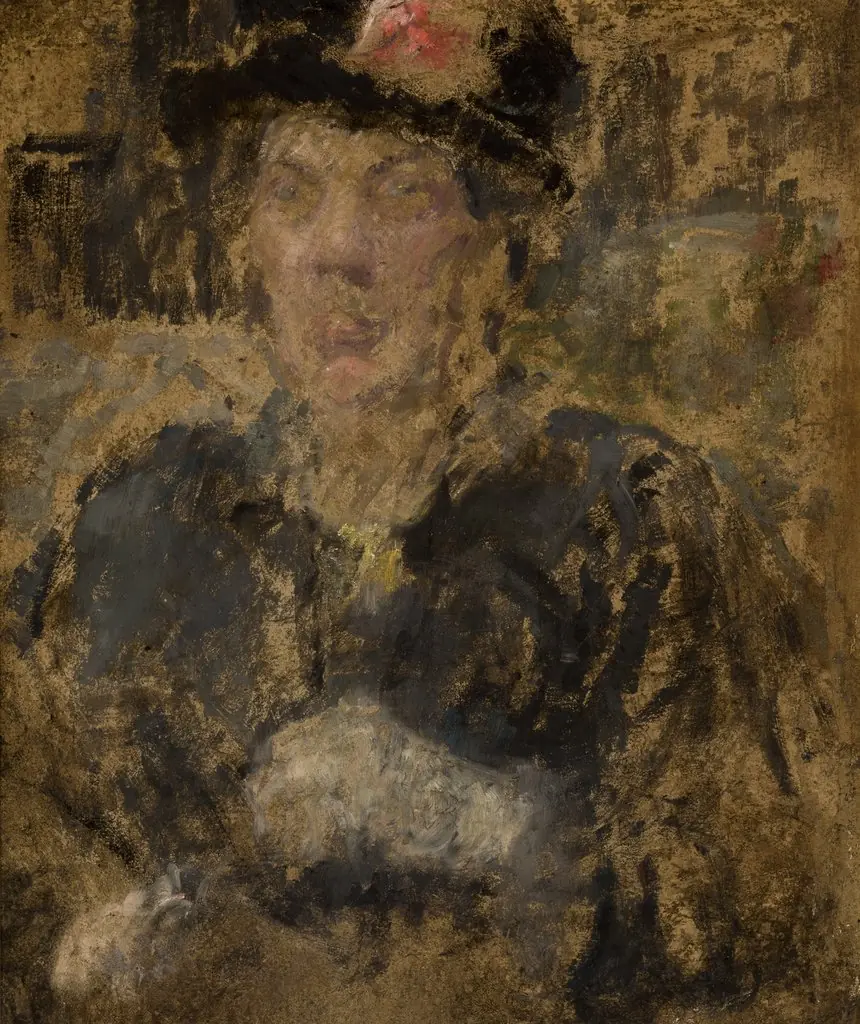 Portrait of Mrs Roubaud
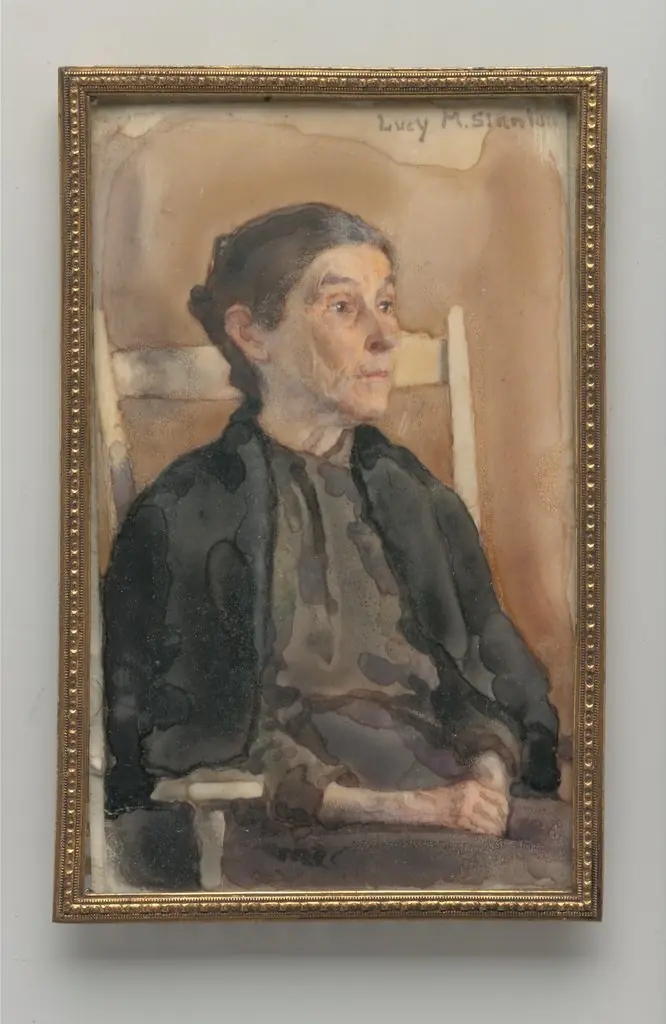 A North Carolina Mountain Woman
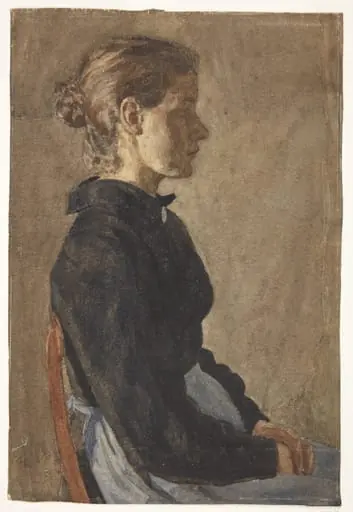 Portræt af malerinden Christine Swane, f. Larsen, som ung
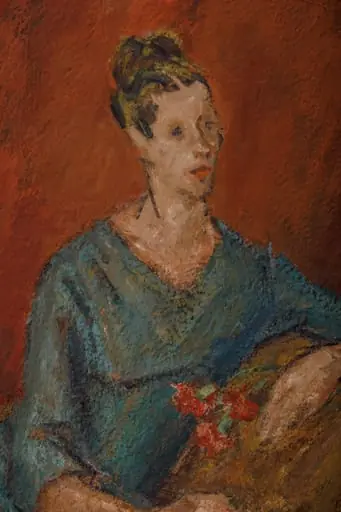 Portret de femeie
 Portret van een vrouw
 Portrait of Female Model
 Portrait of Łucja Detloff
 Portrait of a young woman, study
 Portrait of Mrs. Bertha Brandstrup