Artwork
View of Utrecht
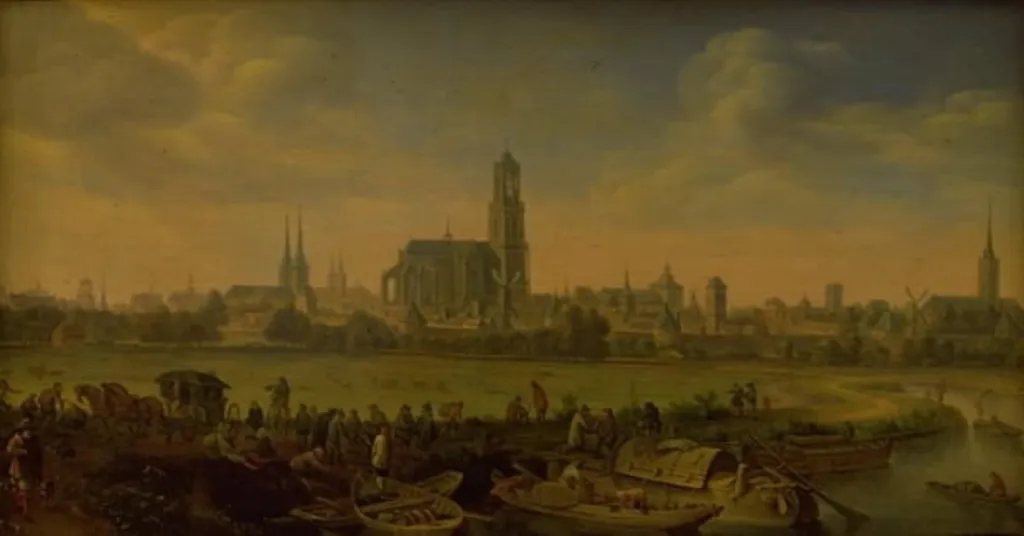
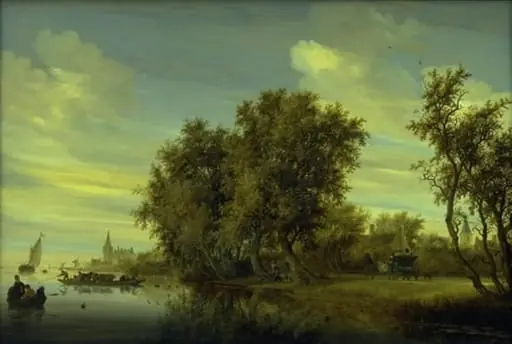
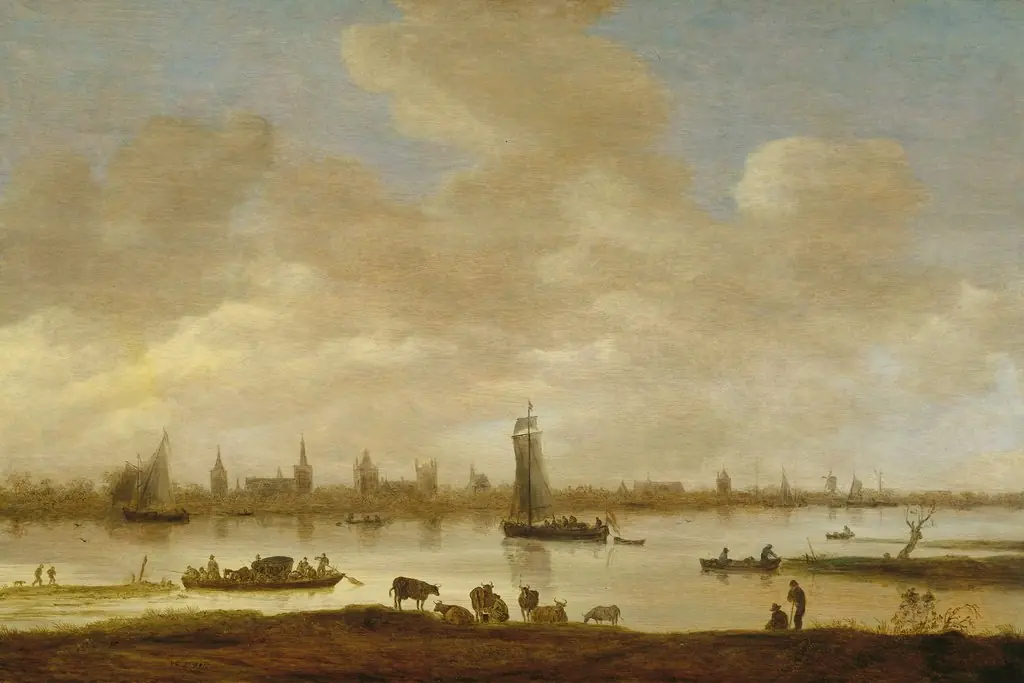
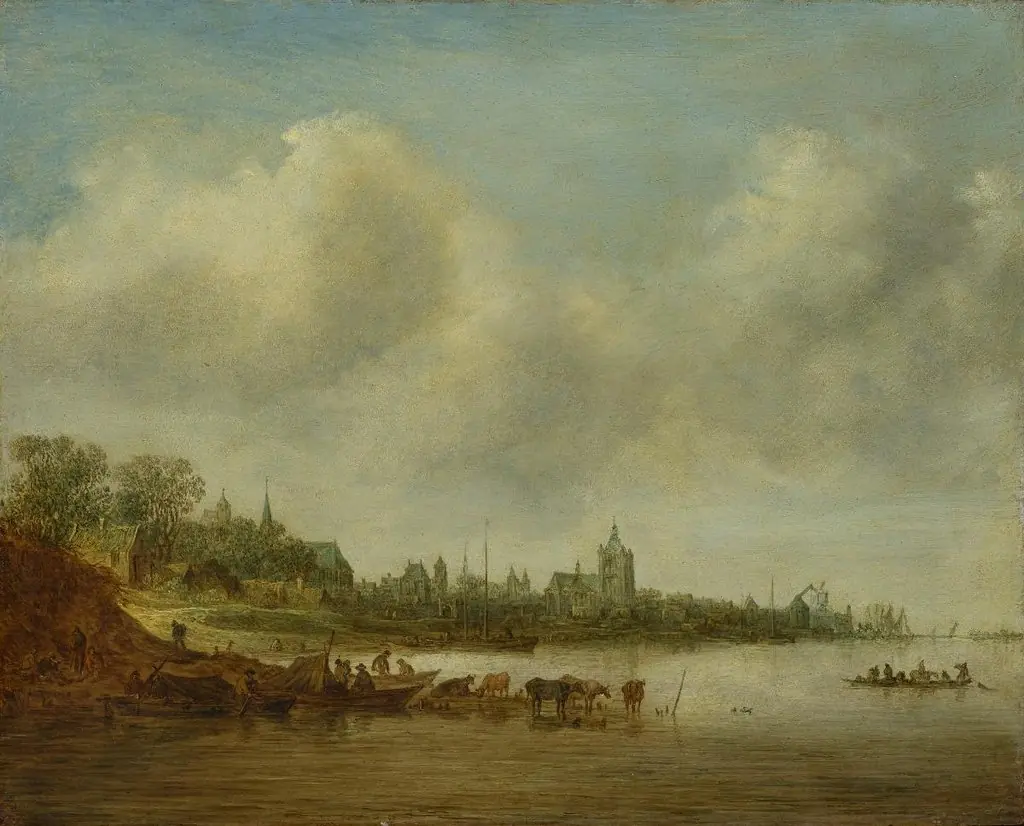
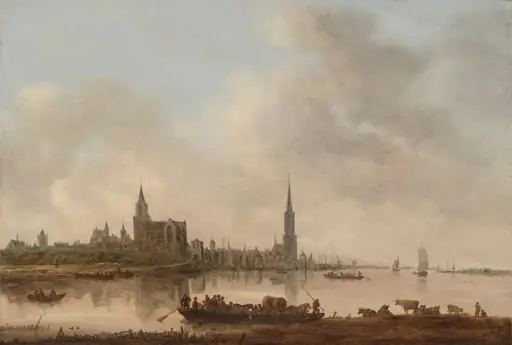
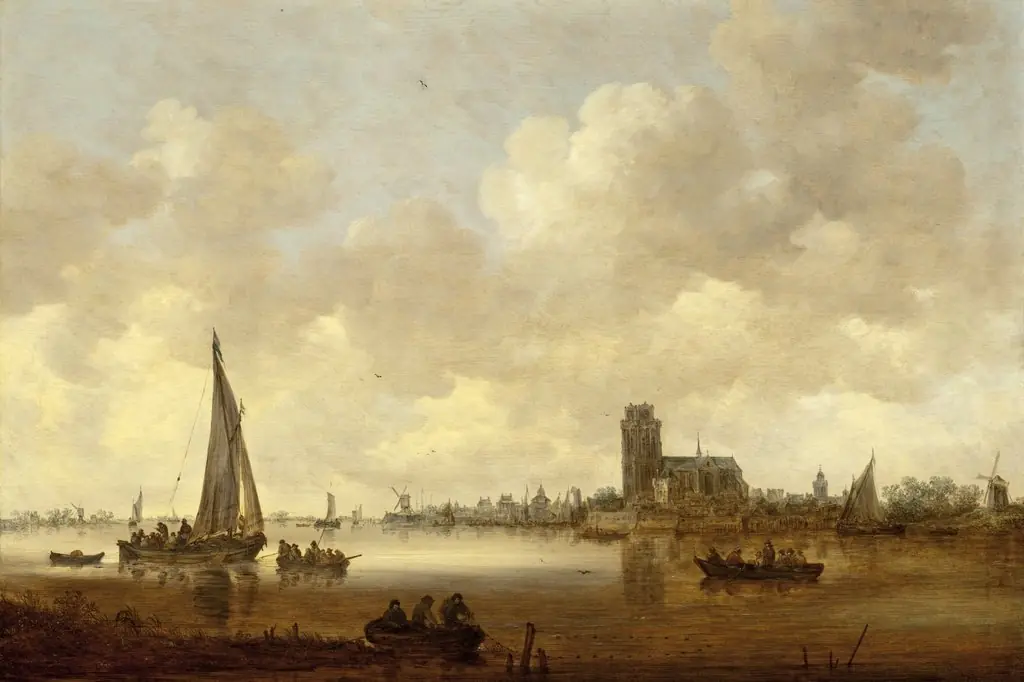
View of Utrecht is a photography by Unknown. It dates from 1654 and is held in the collection of the Statens Museum for Kunst. Painted around 1654, this cityscape depicts Utrecht as seen from its riverbanks at twilight.
About this work
Overview
The work captures a quiet moment of daily life, with small wooden boats dotting the water and the city’s skyline rising behind.
Painted around 1654, this cityscape depicts Utrecht as seen from its riverbanks at twilight. The work captures a quiet moment of daily life, with small wooden boats dotting the water and the city’s skyline rising behind. Executed in oil, the painting is part of the collection at the Museum of Ethnography, where it serves as a record of urban life in the Dutch Republic during the mid-seventeenth century.
Subject & Meaning
The scene centers on riverborne commerce, with figures in boats carrying baskets, suggesting local trade or market activity. The calm water and fading light evoke a sense of evening stillness, contrasting with the towering church spires that dominate the horizon. The composition may reflect the harmony between civic life and religious architecture, common themes in Dutch urban views of the period.
Technique & Style
The artist employs chiaroscuro to model forms through subtle gradations of light and shadow. The warm, hazy sky softens the distant buildings, while the foreground boats remain sharply defined, drawing the viewer’s eye inward. Brushwork is restrained, favoring atmospheric effects over fine detail, creating a sense of depth and quiet realism that aligns with contemporary Dutch landscape traditions.
History & Provenance
The painting entered the Museum of Ethnography’s collection in the early twentieth century, though its earlier ownership remains undocumented. Its attribution to a specific artist is uncertain, and it has been cataloged primarily for its ethnographic value as a depiction of Utrecht’s material culture rather than as a work by a named master.
Context
In mid-1600s Utrecht, river transport was vital for trade and daily movement. The city’s numerous churches, symbols of its religious and civic identity, frequently appeared in local art. This view reflects a broader trend in Dutch painting of documenting urban environments with observational precision, often without idealization or grand narrative.
Legacy
Though not attributed to a major artist, the painting contributes to the understanding of how ordinary urban life was visually recorded in the Dutch Republic. Its preservation in an ethnographic museum underscores its role as a cultural artifact, offering insight into the relationship between people, waterways, and architecture in a thriving provincial city.
Artist & collection

 Domestic Scene
 Giacomo and Cardinal Marco, investing Andrea, Abbot of San Zeno, with his Benefice
 The Nymph of Fontainebleau
 Portrait of a Woman
 Madonna and Child with Saints in the Enclosed Garden
 Venus and Minerva
 Family Group of Four on Sofa
 Wall painting from Room H of the Villa of P. Fannius Synistor at Boscoreale