Artwork
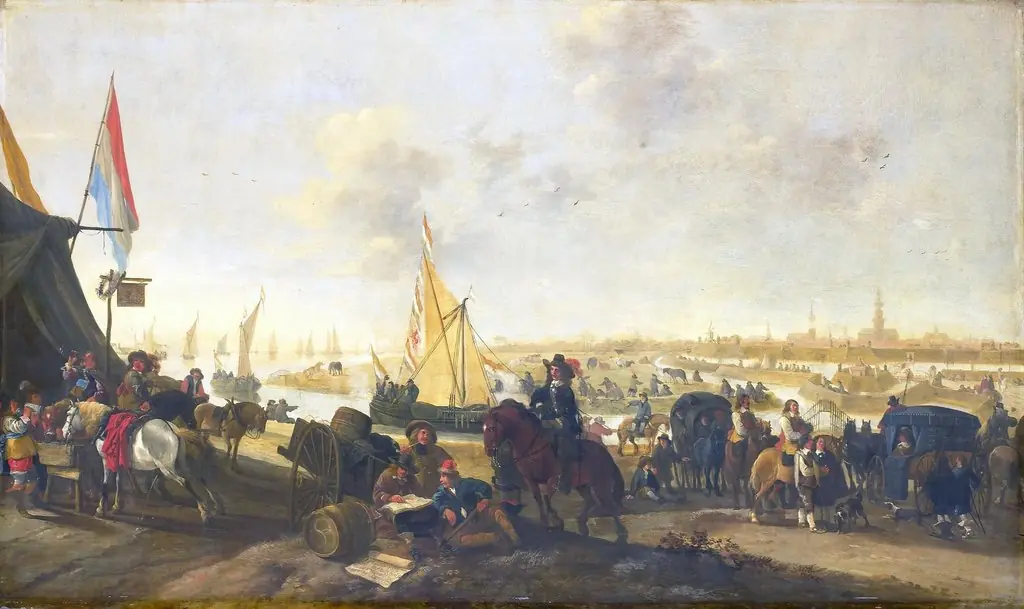
River Scene with the "Swan" Tavern
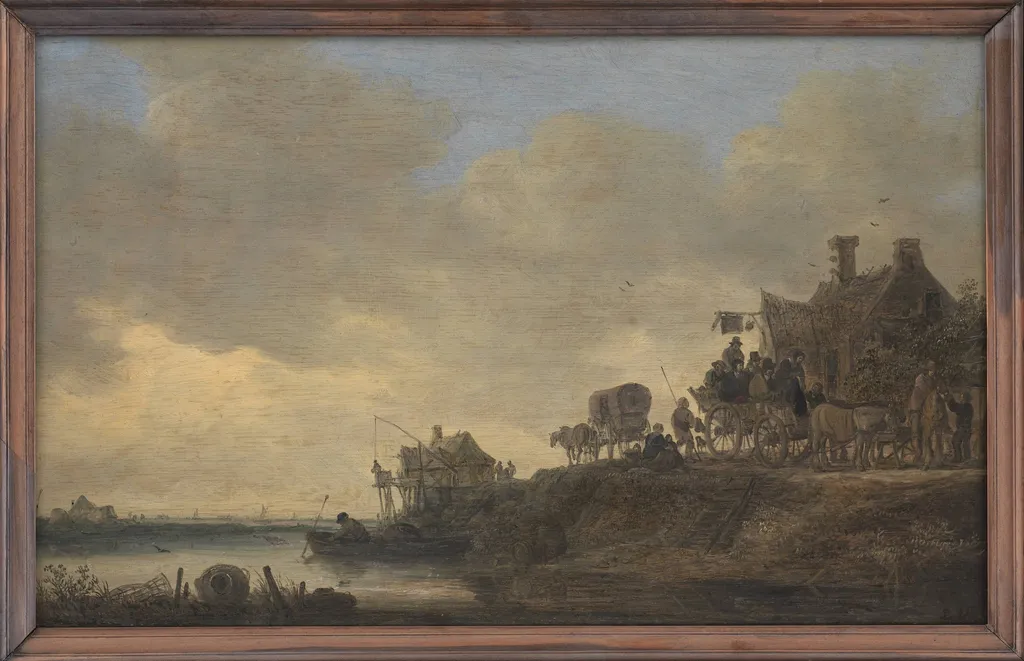
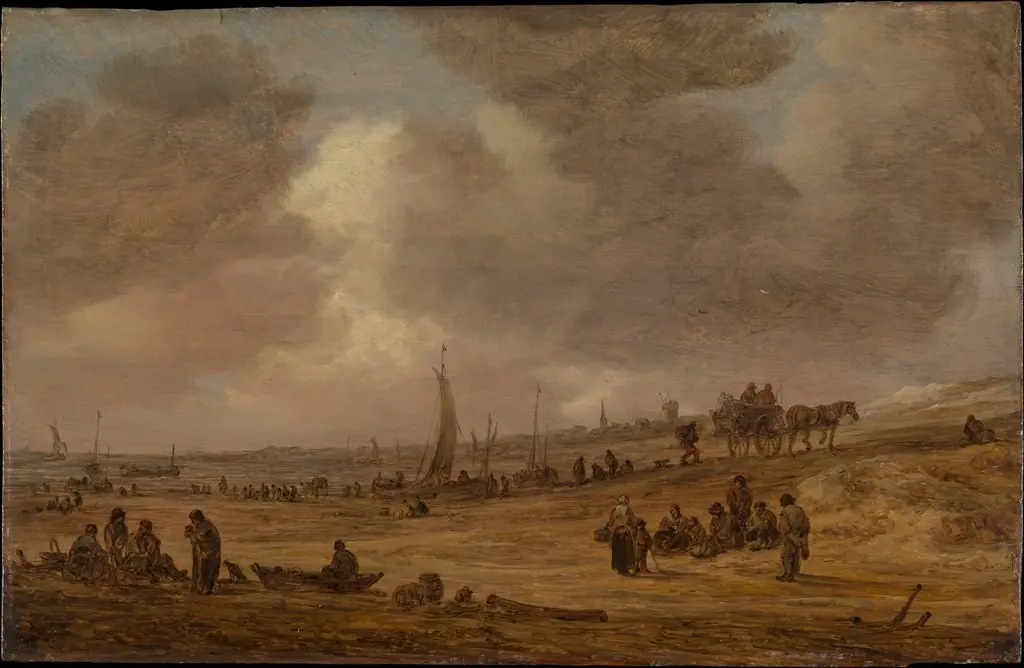
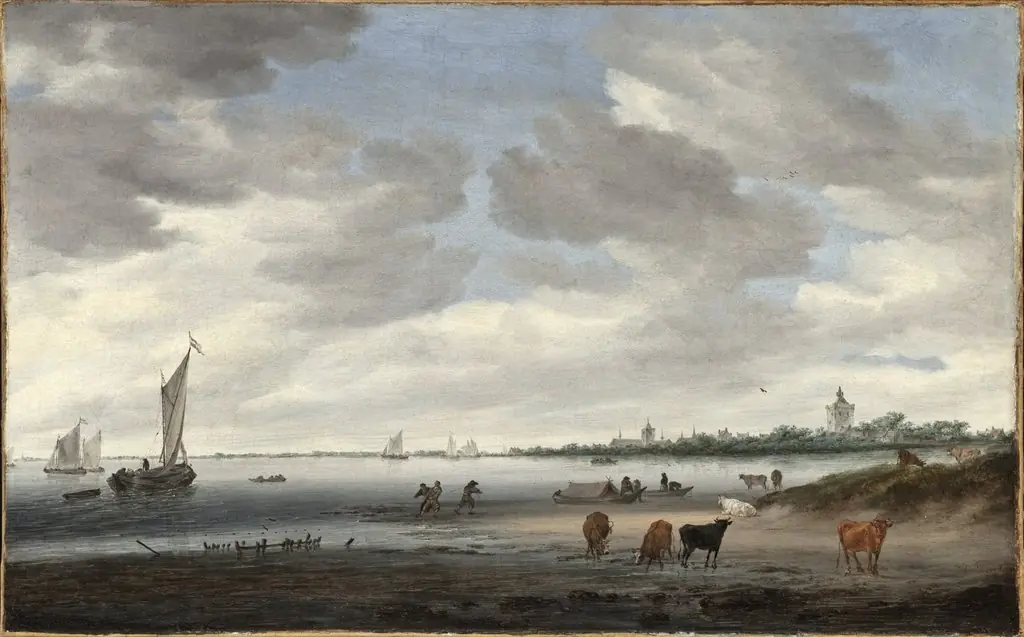
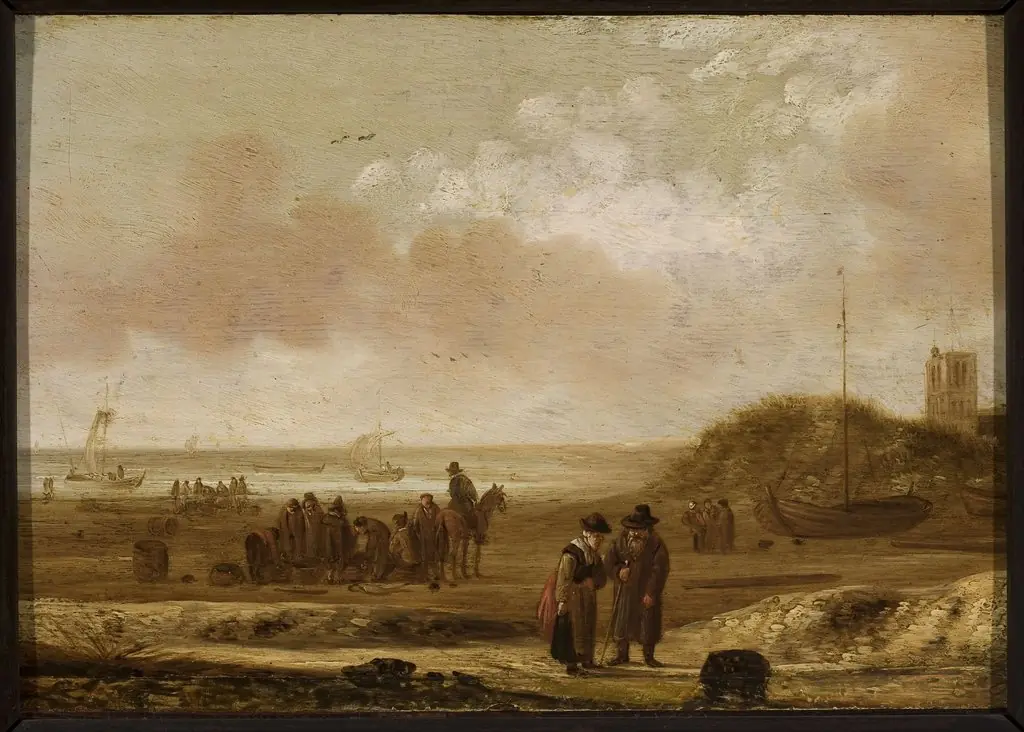
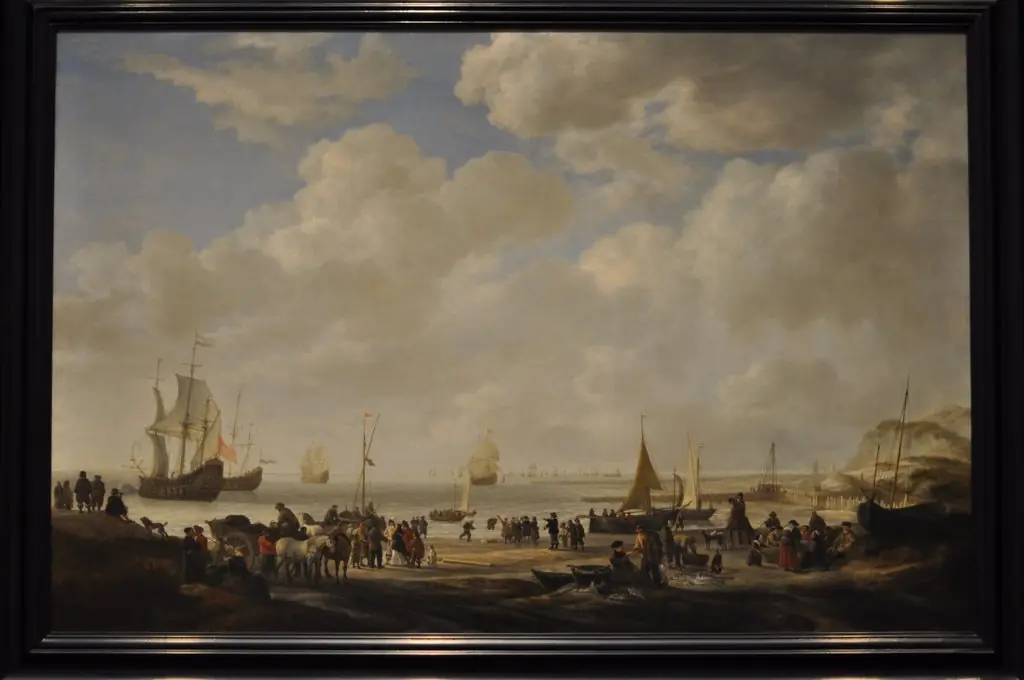
River Scene with the "Swan" Tavern is a photography by the Baroque artist Unknown. It dates from 1646 and is held in the collection of the Statens Museum for Kunst. Painted in 1646, this work depicts a quiet riverside setting near a tavern known as the Swan.
About this work
Overview
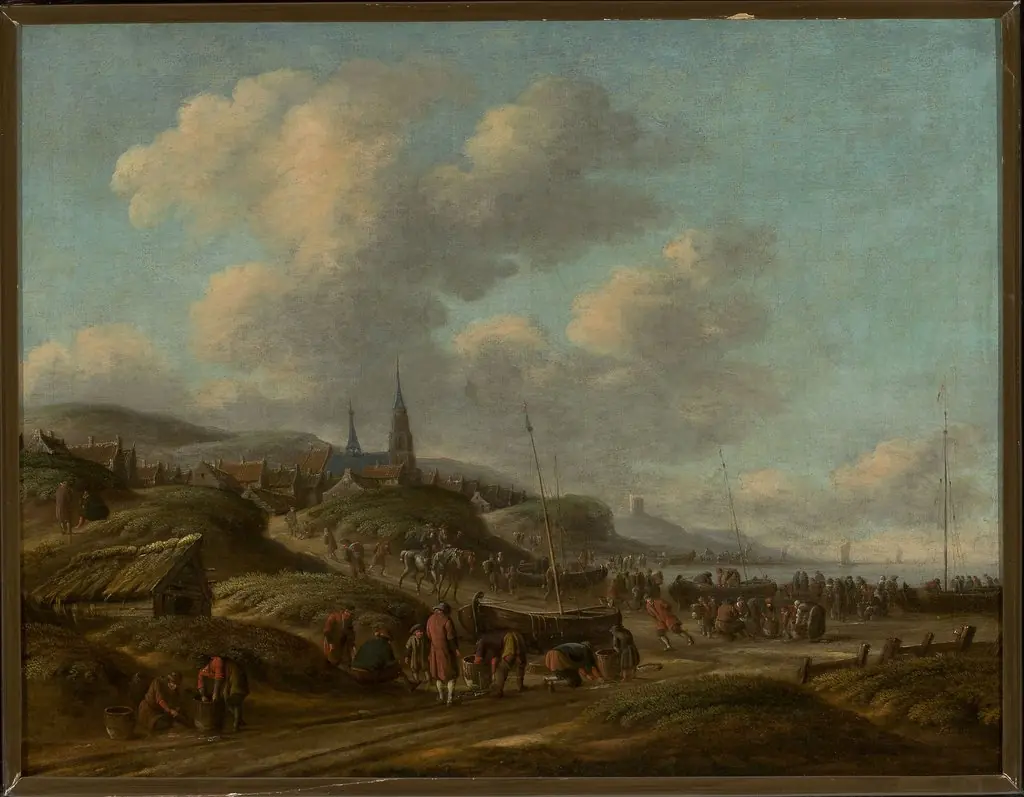
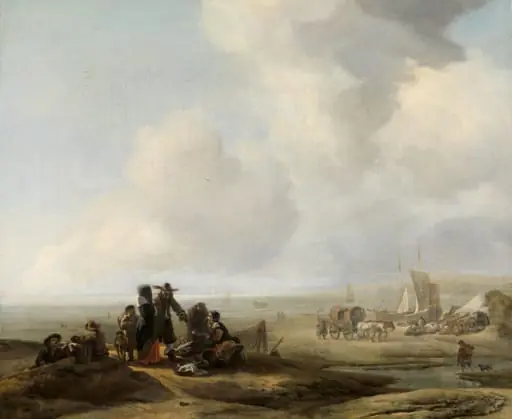
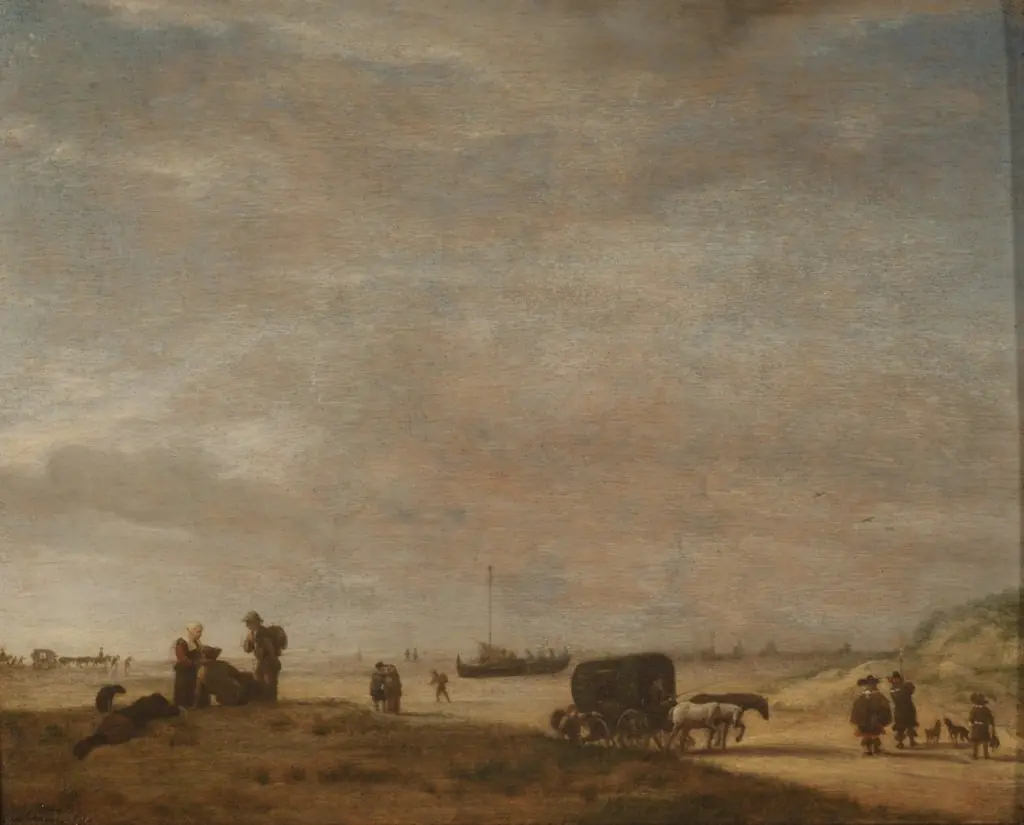
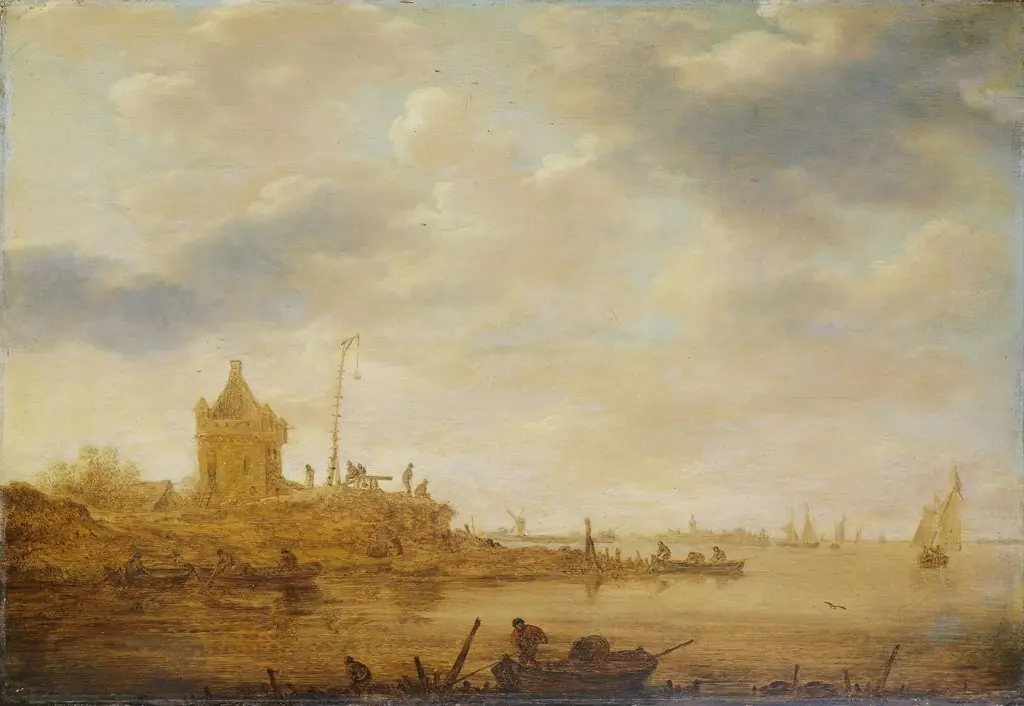
Painted in 1646, this work depicts a quiet riverside setting near a tavern known as the Swan. The scene captures everyday life along a waterway, with figures gathered outdoors and boats moored or drifting on the current. Executed in oil on panel, the composition emphasizes naturalism and atmospheric tone, reflecting the Dutch tradition of genre painting during the mid-seventeenth century.
Subject & Meaning
The painting portrays ordinary people—laborers, travelers, and locals—interacting near the tavern, suggesting a moment of rest or trade. The presence of boats implies the river’s role as a transport route, while the tavern serves as a social hub. No overt narrative or symbolism is present; instead, the scene conveys the quiet rhythm of daily life in a provincial Dutch setting.
Technique & Style
The artist employs a restrained palette of grays, browns, and muted greens to evoke a overcast day. Brushwork is precise but unobtrusive, allowing for detailed rendering of clothing, wood grain, and water ripples. The composition balances foreground activity with a receding river and hazy horizon, using atmospheric perspective to deepen spatial depth without dramatic lighting.
History & Provenance
The painting entered the collection of the Museum of Ethnography in the late nineteenth century, likely acquired through a broader effort to document vernacular European life. Its attribution to the artist 30498_person remains tentative, based on stylistic comparison with regional contemporaries. No earlier records of ownership or exhibition are documented prior to its museum acquisition.
Context
Created during the Dutch Golden Age, the work aligns with a growing interest in secular, everyday subjects among Northern European painters. While major cities like Amsterdam saw grand historical and portrait commissions, smaller towns produced quieter scenes of riverside activity, taverns, and waterways—reflecting local identity and economic life beyond elite circles.
Legacy
Though not widely exhibited or reproduced, the painting contributes to the understanding of regional Dutch genre painting beyond the works of more famous contemporaries. It preserves visual evidence of social habits, architecture, and riverine commerce in the mid-1600s, offering scholars a modest but valuable record of material culture from a non-urban context.
Artist & collection

 Domestic Scene
 Giacomo and Cardinal Marco, investing Andrea, Abbot of San Zeno, with his Benefice
 The Nymph of Fontainebleau
 Portrait of a Woman
 Madonna and Child with Saints in the Enclosed Garden
 Venus and Minerva
 Family Group of Four on Sofa
 Wall painting from Room H of the Villa of P. Fannius Synistor at Boscoreale