Artwork
Ships by a Wharf
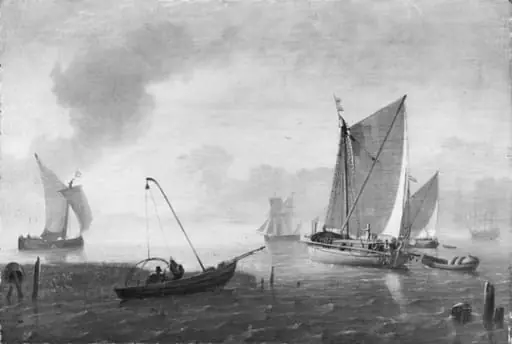
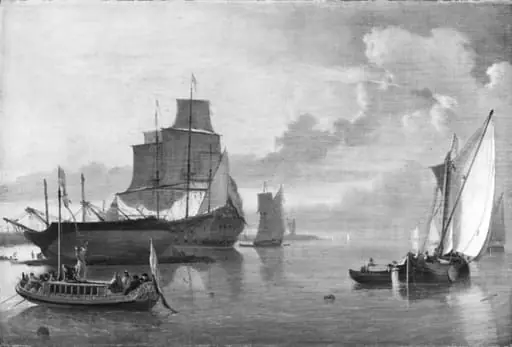
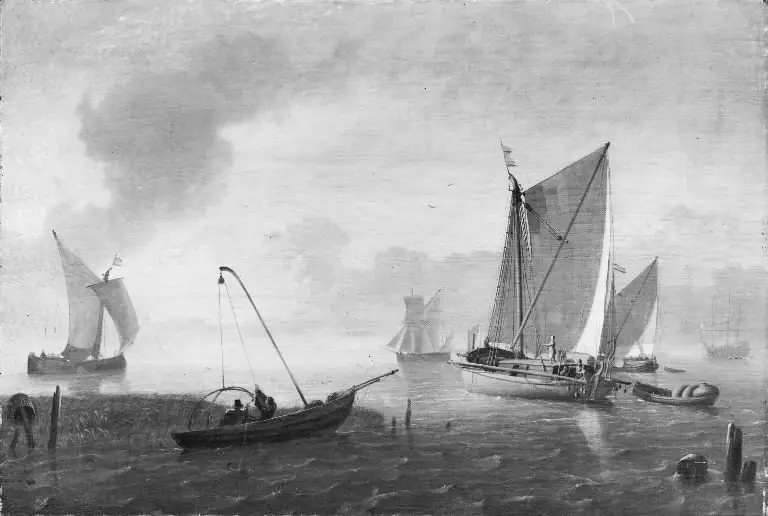
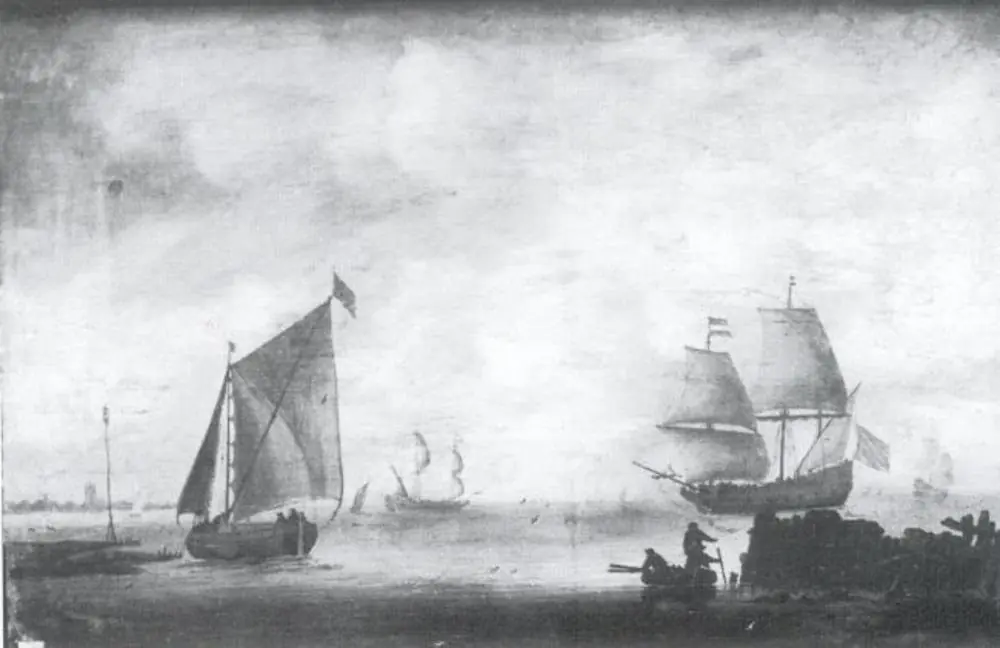
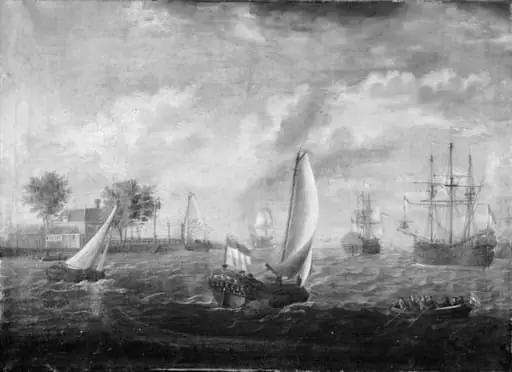
Ships by a Wharf is a photography by Unknown. It dates from 1750 and is held in the collection of the Statens Museum for Kunst.
About this work
Overview
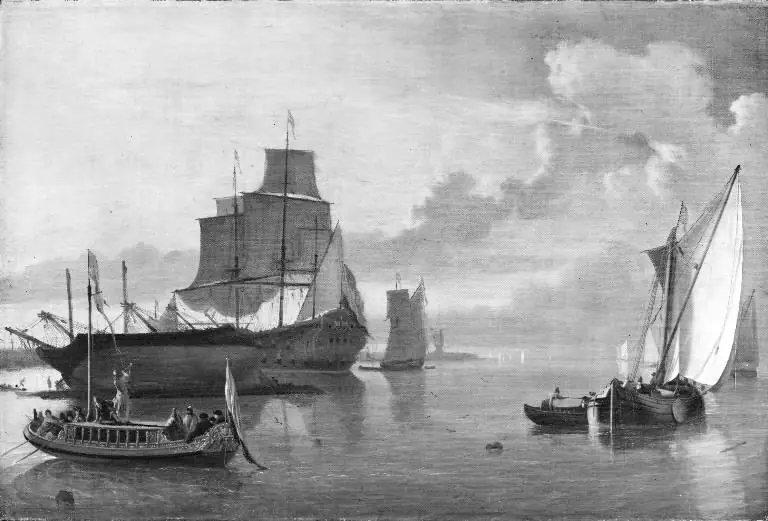
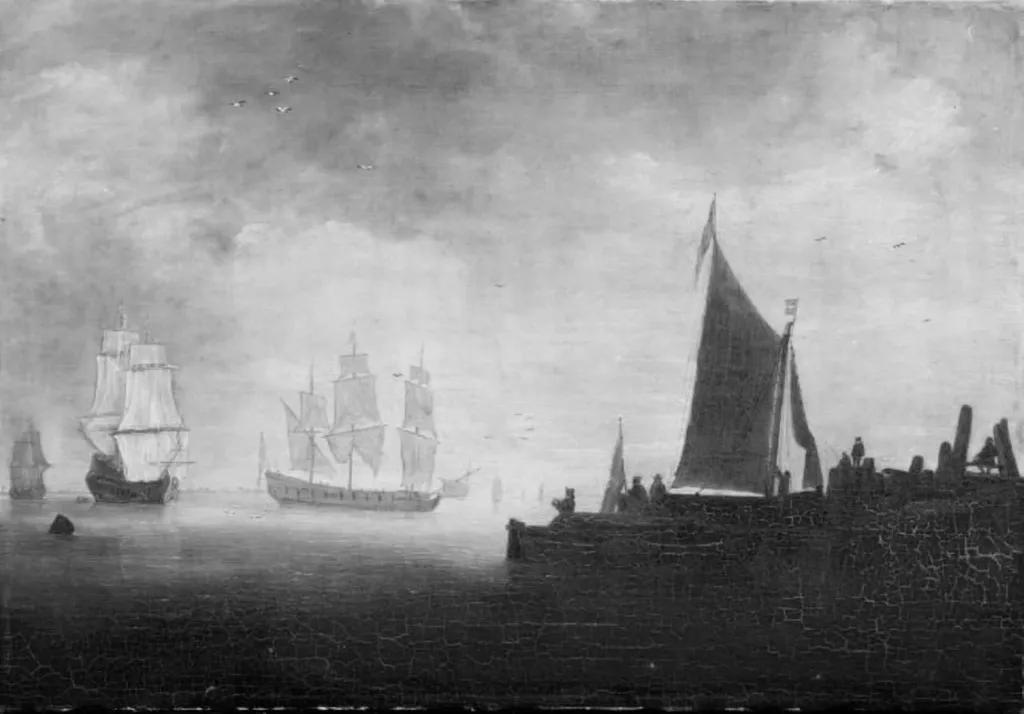
Painted around 1750, Ships by a Wharf is a marine scene depicting vessels at rest along a shoreline. The work is attributed to an artist identified as 30498_person and is currently part of the Museum of Ethnography’s collection. Unlike dynamic seascapes of the period, this piece emphasizes stillness, with no human figures or motion suggested in the composition.
Subject & Meaning
The painting presents a quiet harbor where ships lie moored, their sails neatly furled. The absence of activity—no crew, no loading, no wind—suggests a pause in daily maritime life. This stillness may reflect contemplation of labor suspended, or the quiet rhythm of coastal existence, inviting observation rather than narrative.
Technique & Style
The artist employs a restrained palette of grays, browns, and muted tones to convey atmospheric calm. Brushwork is subdued, with soft transitions between water, sky, and hulls. Details are minimized, avoiding ornamental flourishes; the focus remains on form and tone, reinforcing the painting’s meditative quality.
History & Provenance
The painting entered the Museum of Ethnography’s holdings in the late 19th century, though its earlier ownership remains undocumented. Its classification within an ethnographic institution, rather than a fine arts collection, suggests it was valued for its depiction of maritime culture rather than artistic innovation.
Context
In mid-18th-century Europe, marine painting often celebrated naval power or storm-tossed drama. This work diverges from such themes, aligning instead with quieter regional traditions that recorded everyday harbor life. Its muted tone and lack of spectacle may reflect local tastes or the artist’s personal focus on tranquility over spectacle.
Legacy
Ships by a Wharf remains a quiet example of 18th-century maritime observation, notable for its restraint. While not widely reproduced or studied, it contributes to a broader understanding of how non-heroic scenes of seafaring life were preserved and collected, particularly in institutions focused on cultural practice rather than artistic prestige.
Artist & collection

 Domestic Scene
 Giacomo and Cardinal Marco, investing Andrea, Abbot of San Zeno, with his Benefice
 The Nymph of Fontainebleau
 Portrait of a Woman
 Madonna and Child with Saints in the Enclosed Garden
 Venus and Minerva
 Family Group of Four on Sofa
 Wall painting from Room H of the Villa of P. Fannius Synistor at Boscoreale