Artwork
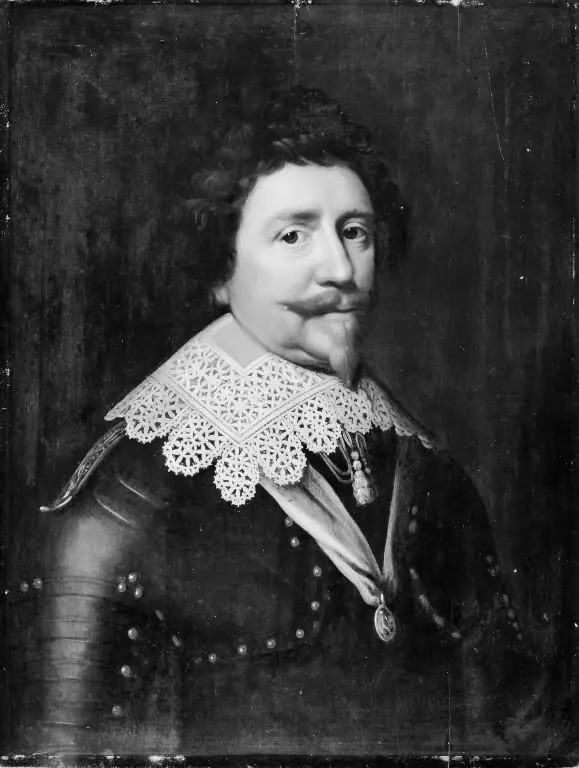
The Count of Mansfeldt
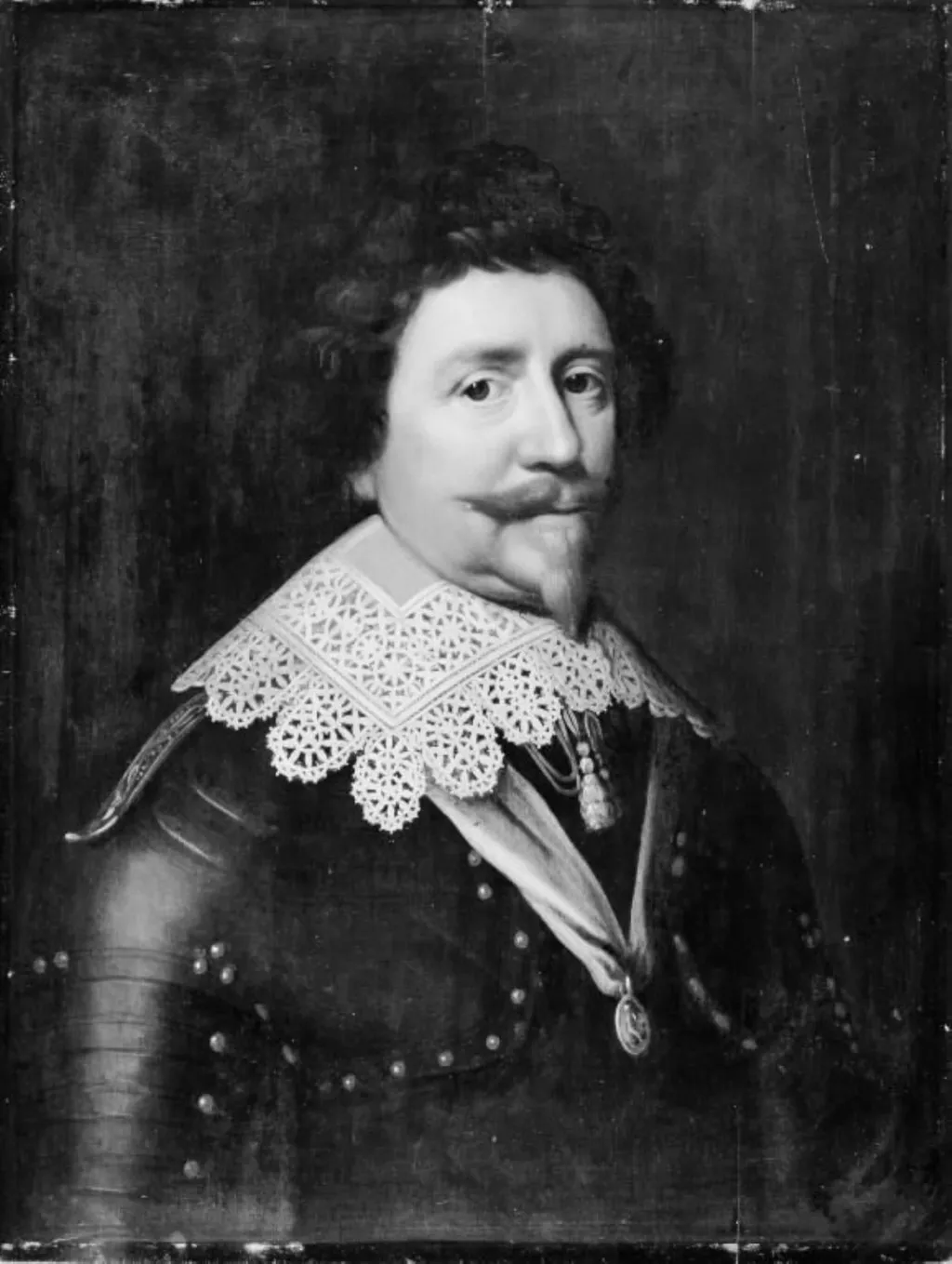
The Count of Mansfeldt is a photography by Unknown. It dates from 1650 and is held in the collection of the Statens Museum for Kunst.
About this work
Overview
This portrait, dated around 1650, portrays a nobleman identified as the Count of Mansfeldt. Executed in a restrained tonal palette, the image emphasizes the subject’s bearing through careful rendering of texture and light. It resides in the Museum of Ethnography, where it is cataloged as part of a collection documenting early modern European portraiture and aristocratic identity.
Subject & Meaning
The sitter is depicted in formal attire that blends military and civilian elements: a dark leather jacket with metal studs, a fine lace collar, and a suspended pendant. These details signal status and personal distinction, reflecting the complex social codes of 17th-century nobility. The absence of overt symbols of rank suggests a preference for quiet authority over heraldic display.
Technique & Style
The artist employs a muted, monochromatic background to isolate the figure, enhancing the tactile quality of the leather, lace, and metal. Brushwork is precise but not ornate, favoring clarity over flourish. The lighting is soft and directional, modeling the face and accessories with subtle gradations that convey volume without theatricality.
History & Provenance
The painting entered the Museum of Ethnography’s holdings in the late 19th century, likely through a private collection or estate acquisition. Its origins prior to that are undocumented, and no records confirm the artist’s identity beyond the placeholder reference 3081_person. The work’s attribution remains provisional, with no known companion pieces or archival links.
Context
In mid-17th-century Europe, portraits of minor nobility often emphasized personal distinction rather than dynastic power. The Count of Mansfeldt’s attire reflects a transitional style—military practicality fused with aristocratic refinement—common among officers of the Thirty Years’ War era. Such images served as private mementos or diplomatic gifts, not public monuments.
Legacy
Though not widely exhibited or studied, the portrait contributes to understanding how lesser-known nobles expressed identity through dress and demeanor. Its preservation in an ethnographic context underscores shifting 19th-century attitudes toward material culture as historical evidence, rather than solely artistic achievement.
Artist & collection

 Domestic Scene
 Giacomo and Cardinal Marco, investing Andrea, Abbot of San Zeno, with his Benefice
 The Nymph of Fontainebleau
 Portrait of a Woman
 Madonna and Child with Saints in the Enclosed Garden
 Venus and Minerva
 Family Group of Four on Sofa
 Wall painting from Room H of the Villa of P. Fannius Synistor at Boscoreale
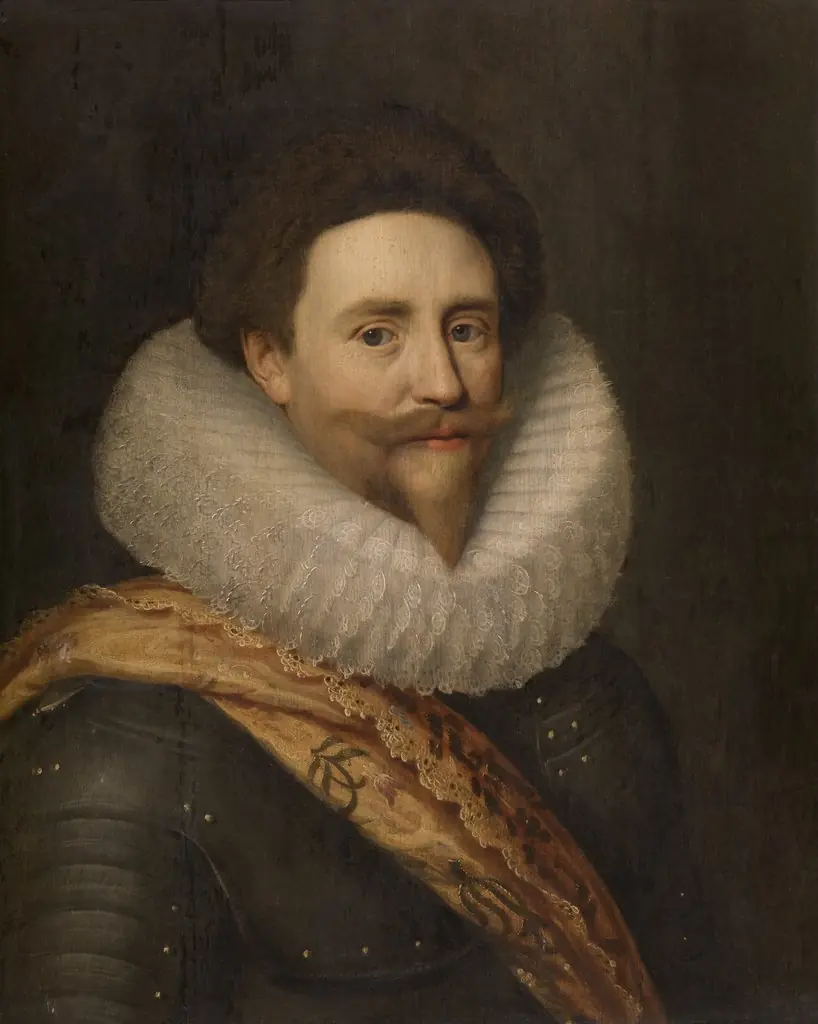 Frederik Hendrik Nassau, Prince of Orange
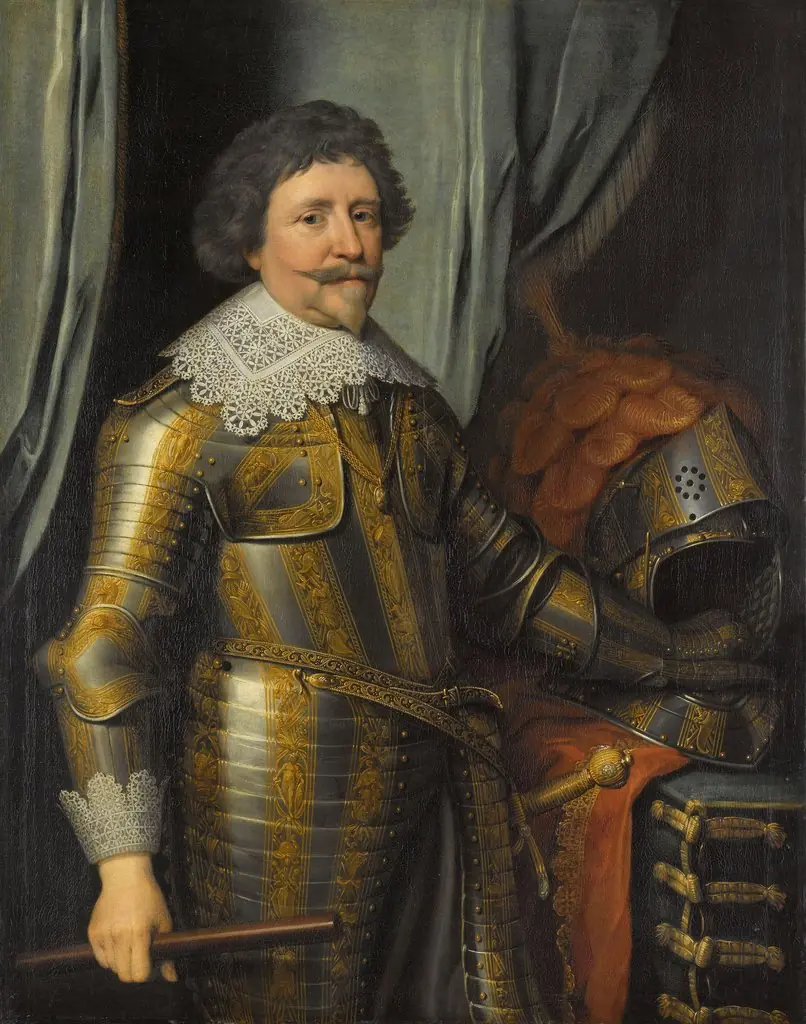 Portrait of Frederick Henry, Prince of Orange
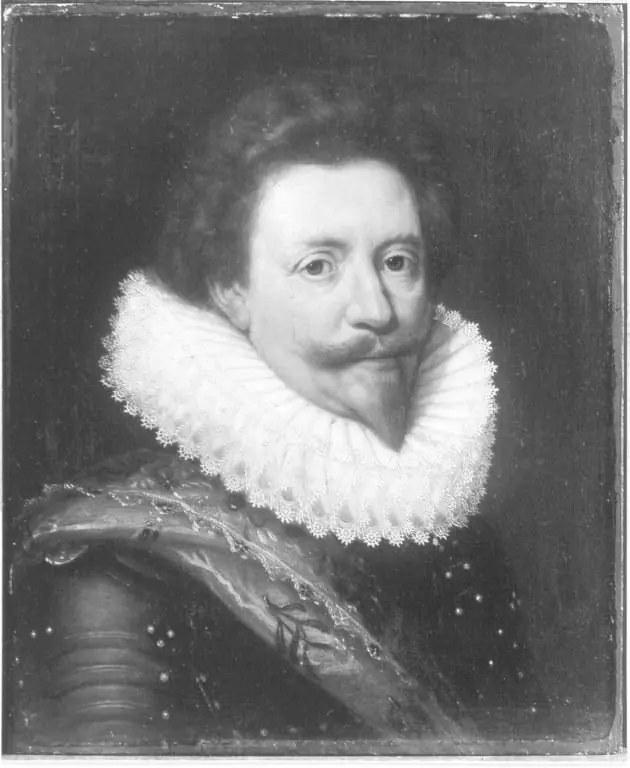 Bildnis des Frederik Hendrik, Prins van Oranje (1584-1647) (?)
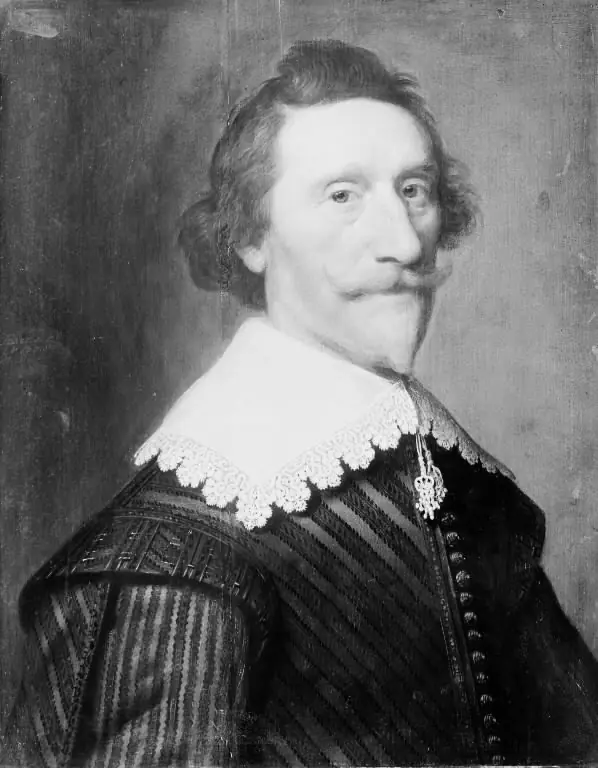 The Dutch Poet and Historian Pieter Cornelisz Hooft (1581-1647)
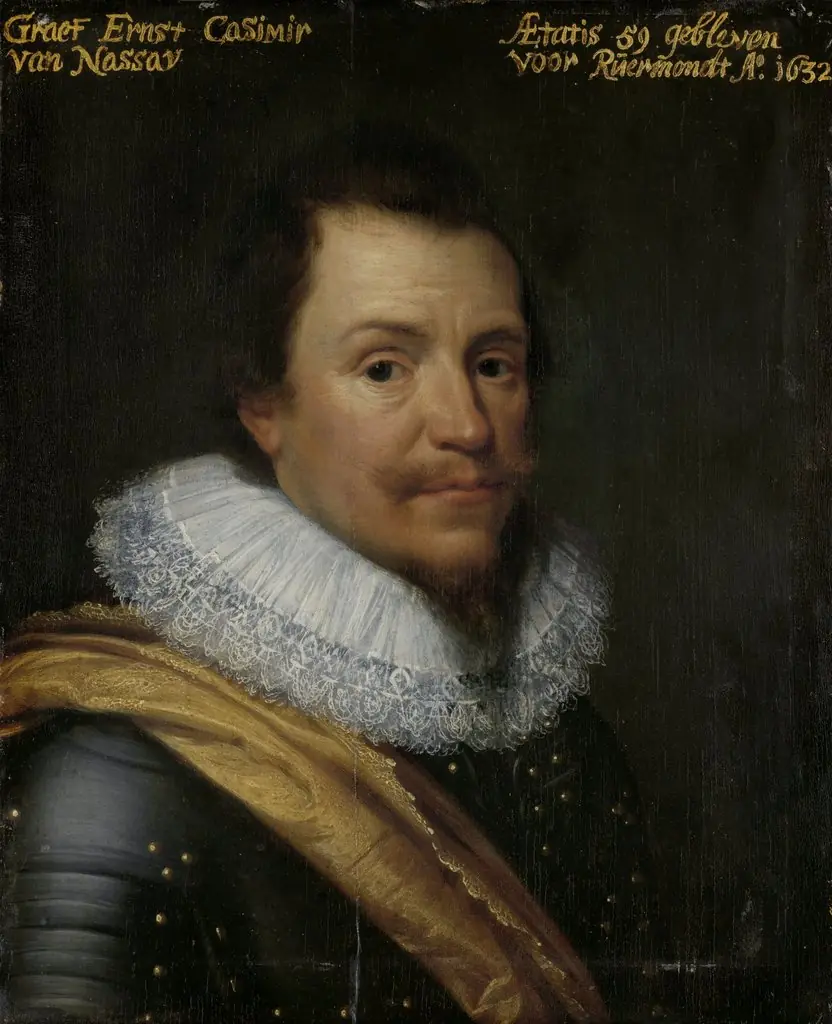 Portrait of Ernst Casimir (1573-1632), Count of Nassau-Dietz
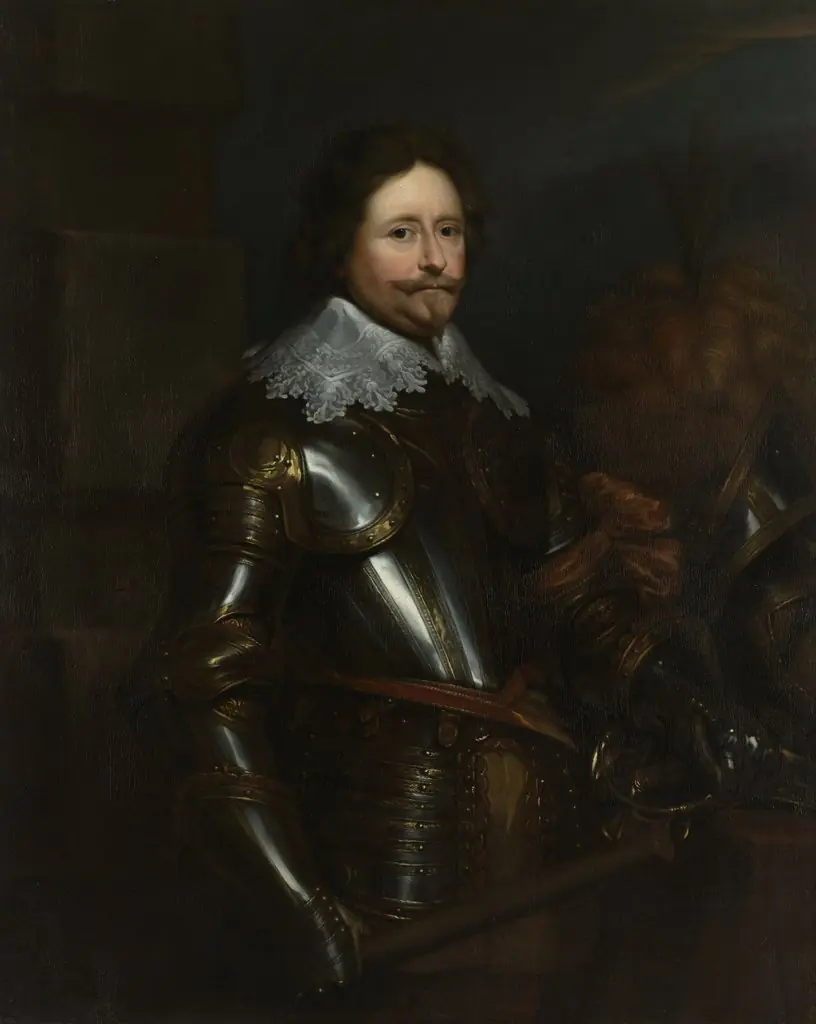 Portrait of Frederik Hendrik (1584-1647), prince of Orange
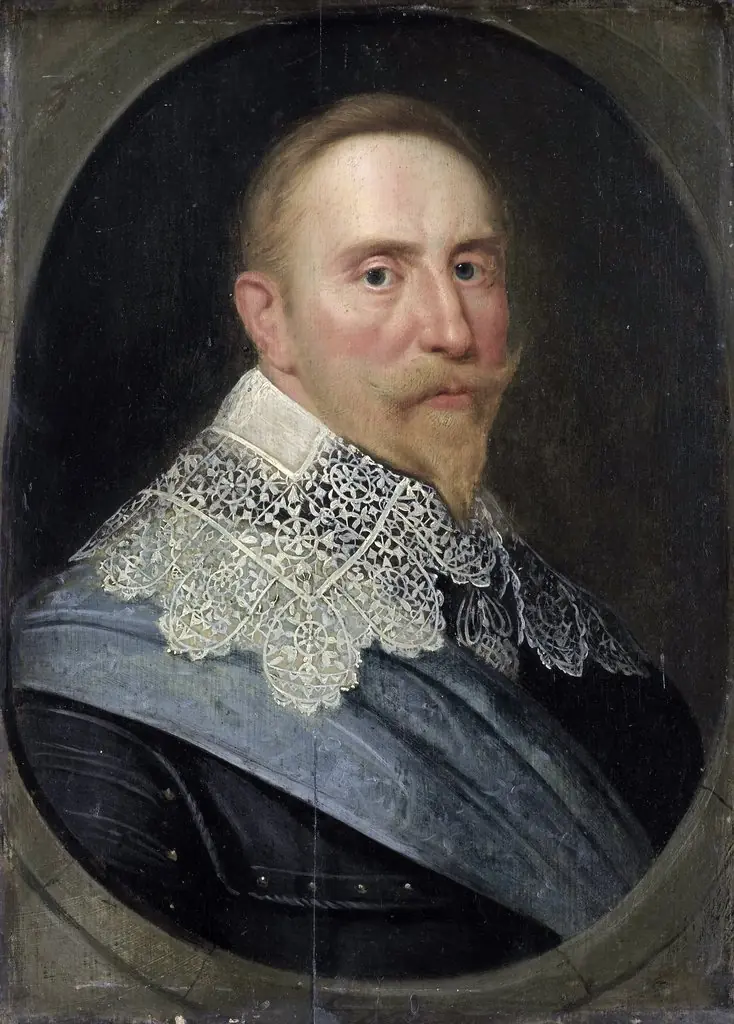 Portrait of Gustav II Adolf (1594-1632), King of Sweden
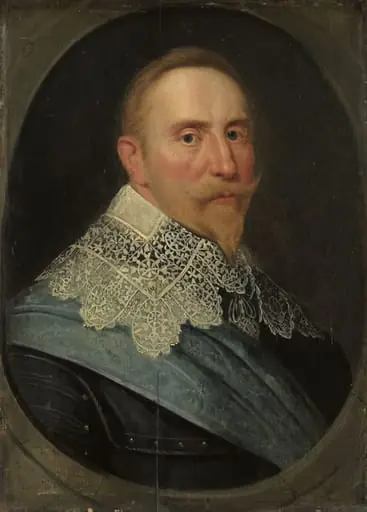 Untitled
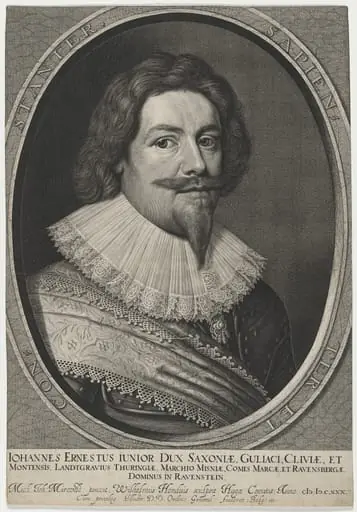 John Ernest, Jr., Duke of Saxony
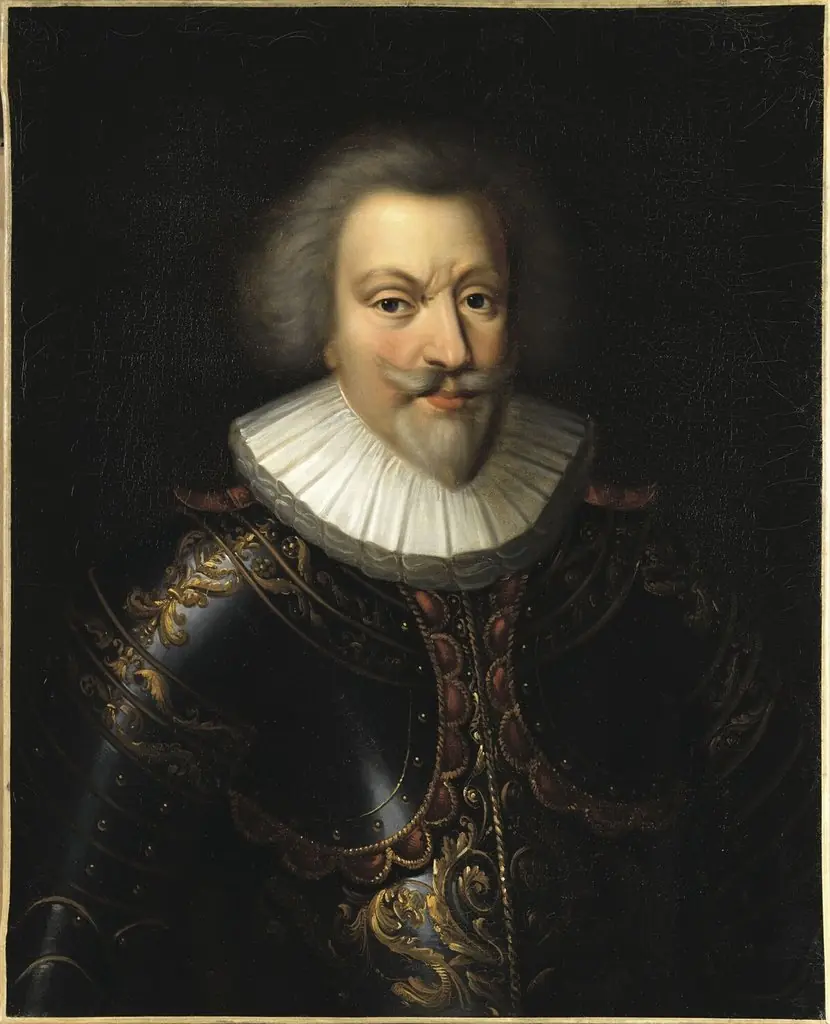 François II, Duke of Lorraine and Bar (1572-1632)
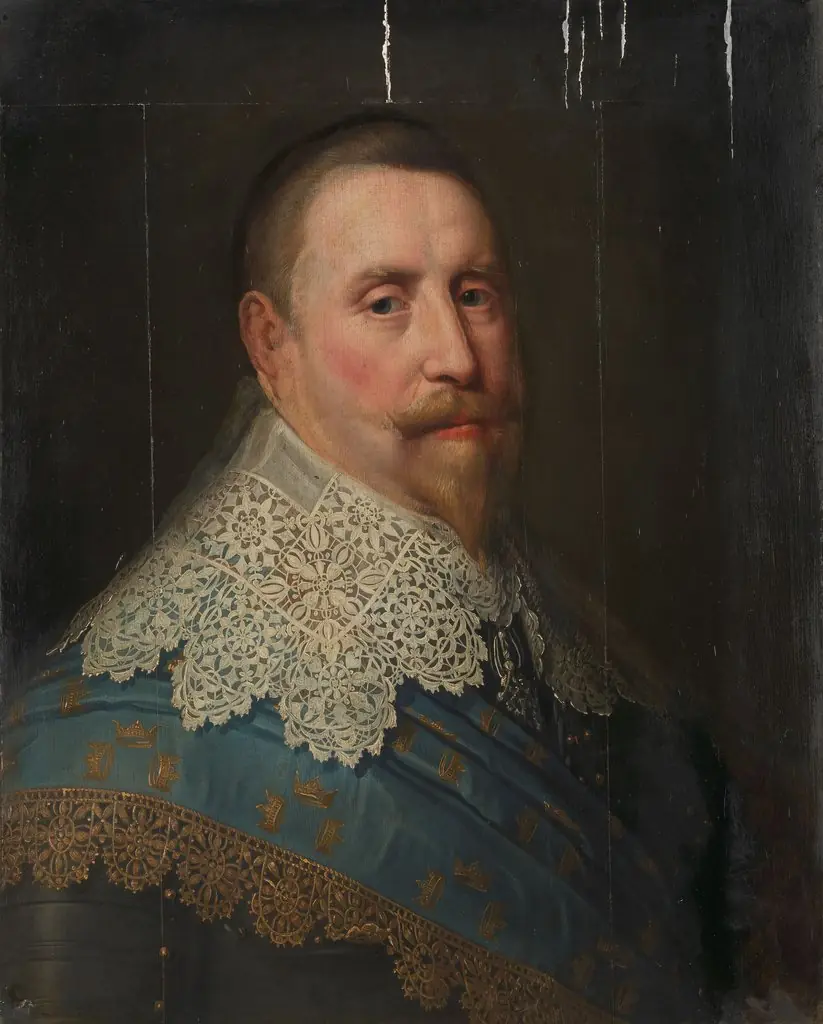 Portrait of Gustav II Adolf (1594-1632), King of Sweden
 The Count of Mansfeldt