Artwork
Portrait of a Woman
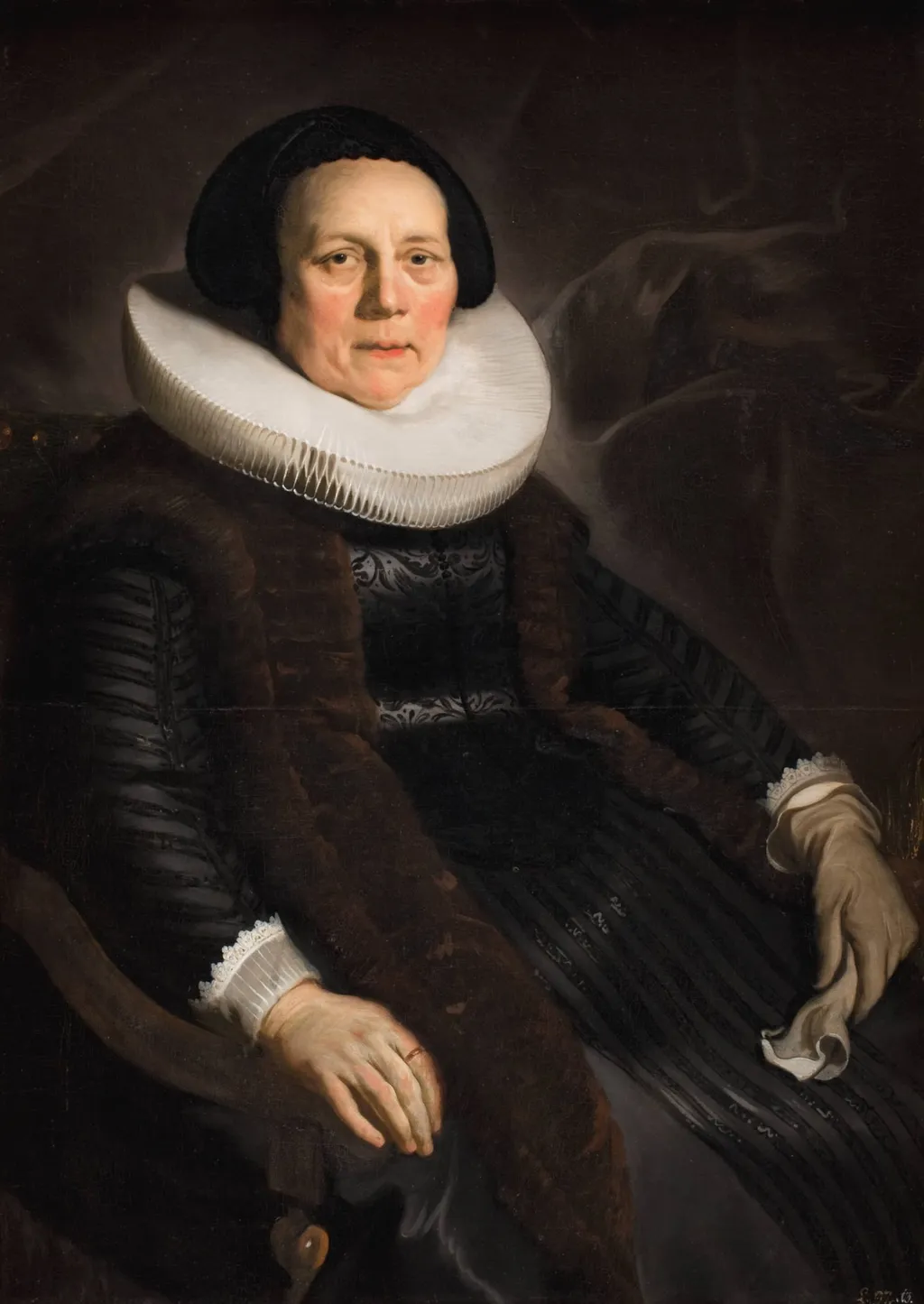
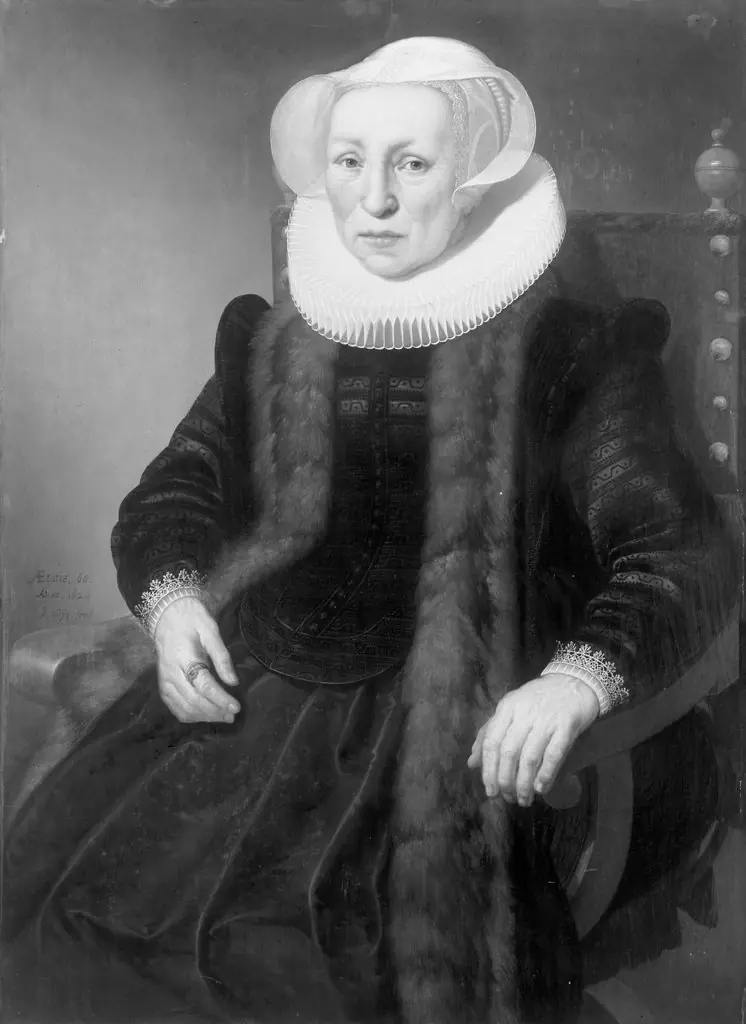
Portrait of a Woman is an unspecified painting by Unknown. It dates from 1650 and is held in the collection of the Statens Museum for Kunst. This portrait, dated around 1650, depicts an unidentified woman in formal attire.
About this work
Overview
The painting’s subdued palette and controlled lighting reflect conventions of mid-17th-century Northern European portraiture.
This portrait, dated around 1650, depicts an unidentified woman in formal attire. Executed in oil on panel, it is part of the collection at the Museum of Ethnography. The composition emphasizes stillness and dignity, with the subject positioned frontally, her gaze direct but reserved. The painting’s subdued palette and controlled lighting reflect conventions of mid-17th-century Northern European portraiture.
Subject & Meaning
The woman’s attire—dark garments, a high lace collar, and a black hat—suggests modest wealth and social restraint. Her hands rest calmly in her lap, a gesture associated with composure and moral steadiness. The faint presence of a secondary figure in the background may imply a domestic or familial context, though its ambiguity preserves the portrait’s focus on individual presence rather than narrative.
Technique & Style
The artist employs chiaroscuro to model the face with precision, drawing attention to the subject’s expression while the rest of the figure recedes into shadow. Brushwork is restrained, with fine detail reserved for the collar and hat, reinforcing the sitter’s refinement. The dark, unadorned background isolates the figure, enhancing the psychological intensity of the portrait through contrast and spatial economy.
History & Provenance
The painting entered the Museum of Ethnography’s holdings in the early 20th century, though its earlier ownership remains undocumented. Its attribution to a specific artist is uncertain, and it lacks inscriptions or signatures. Despite its anonymity, the work’s craftsmanship and preservation suggest it was commissioned by someone of means, likely within a Protestant urban milieu of the Dutch Republic or northern Germany.
Context
Created during a period when portraiture flourished in the Low Countries, this image reflects a cultural preference for understated elegance over flamboyance. Unlike aristocratic portraits, it avoids symbols of status like jewelry or elaborate interiors, aligning instead with middle-class values of piety and restraint. The use of chiaroscuro echoes the influence of Caravaggisti, adapted to local tastes for quiet introspection.
Legacy
Though not widely exhibited or studied, the portrait contributes to the broader understanding of non-noble portraiture in 17th-century Northern Europe. Its preservation offers insight into how ordinary individuals of means wished to be represented—with dignity, privacy, and emotional restraint. It remains a quiet example of how light and shadow could convey character without overt symbolism.
Artist & collection

 Domestic Scene
 Giacomo and Cardinal Marco, investing Andrea, Abbot of San Zeno, with his Benefice
 The Nymph of Fontainebleau
 Portrait of a Woman
 Madonna and Child with Saints in the Enclosed Garden
 Venus and Minerva
 Family Group of Four on Sofa
 Wall painting from Room H of the Villa of P. Fannius Synistor at Boscoreale
 Portrait of a Woman
 Portrait of a woman
 Portrait of a woman
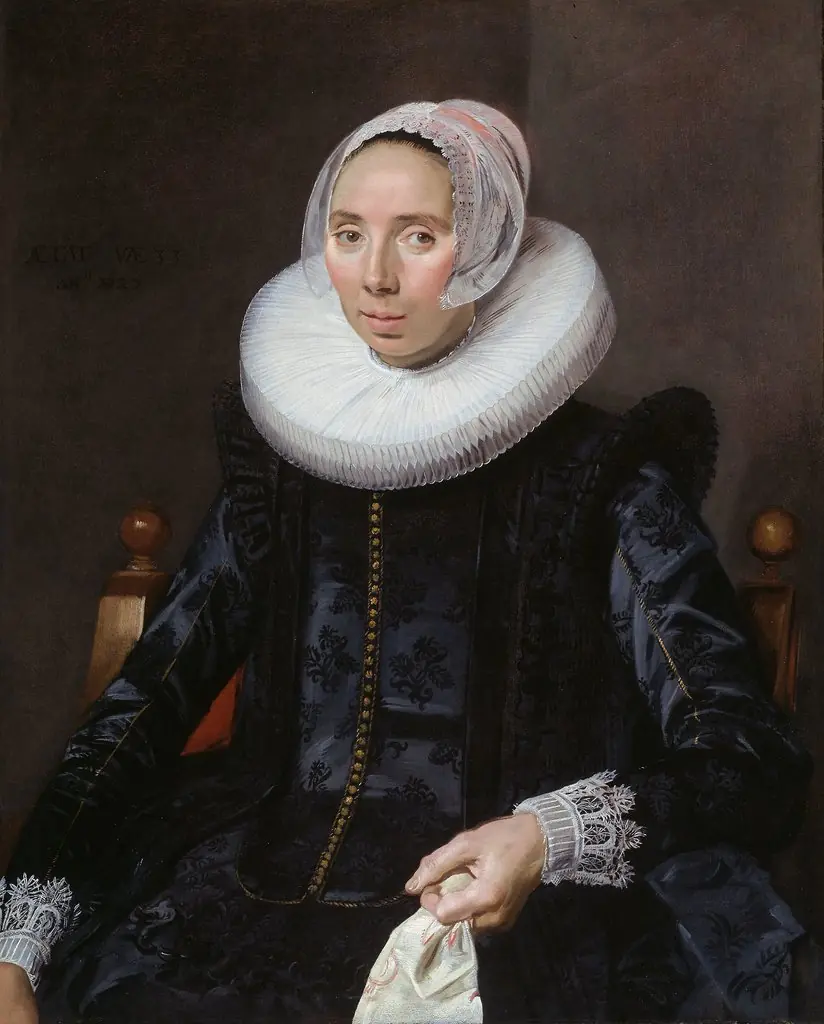 Portrait of a woman
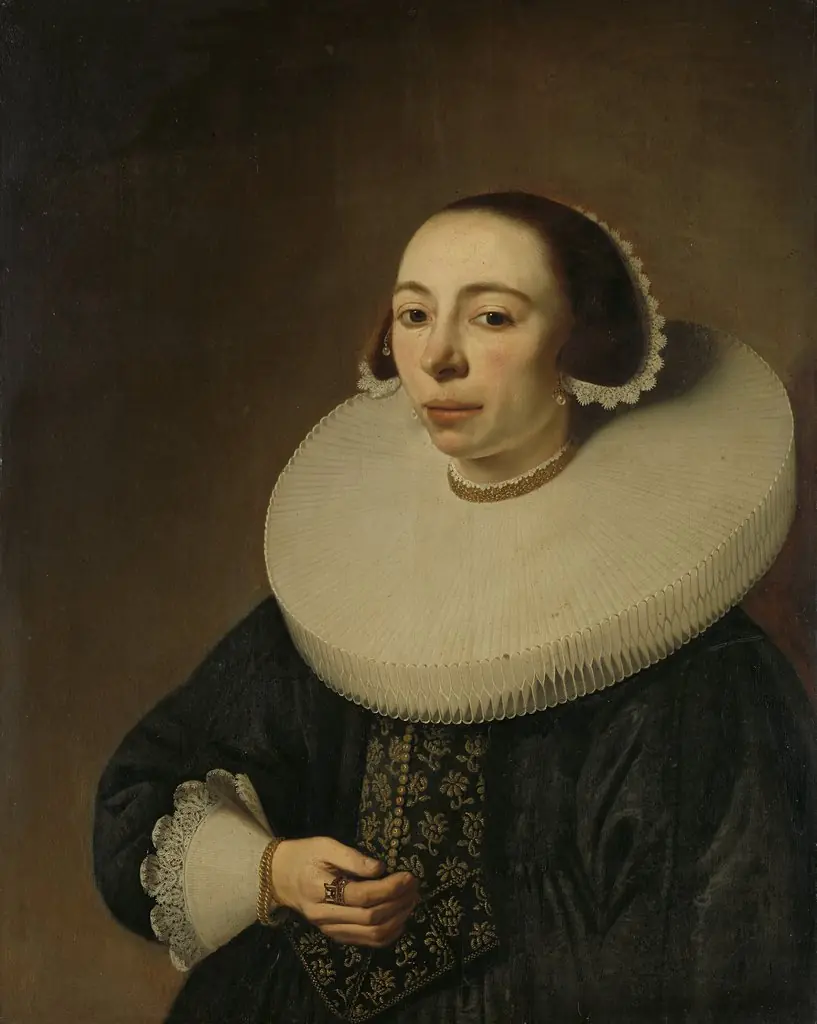 Portrait of a woman
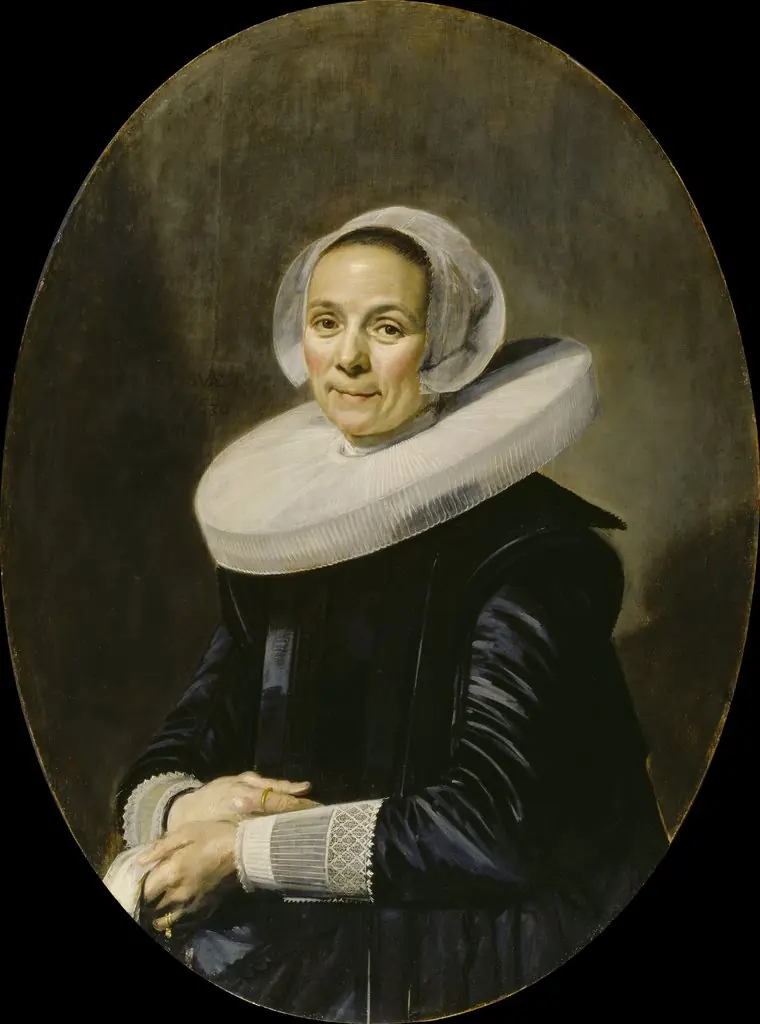 Portrait of a Woman
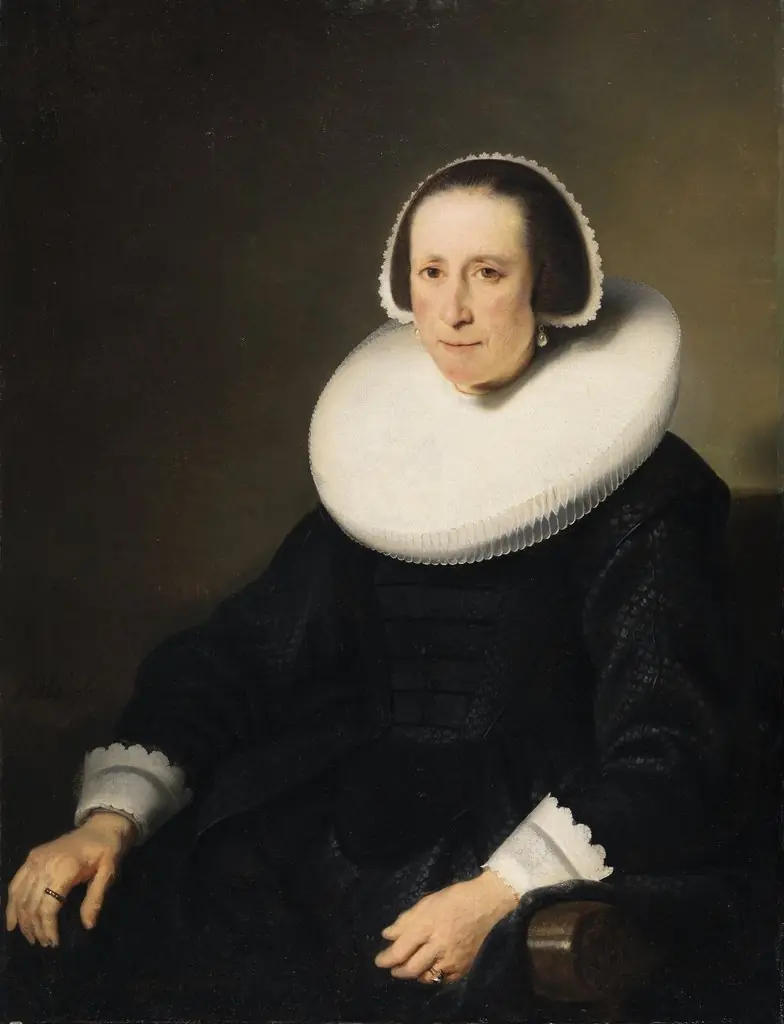 Portrait of a Lady
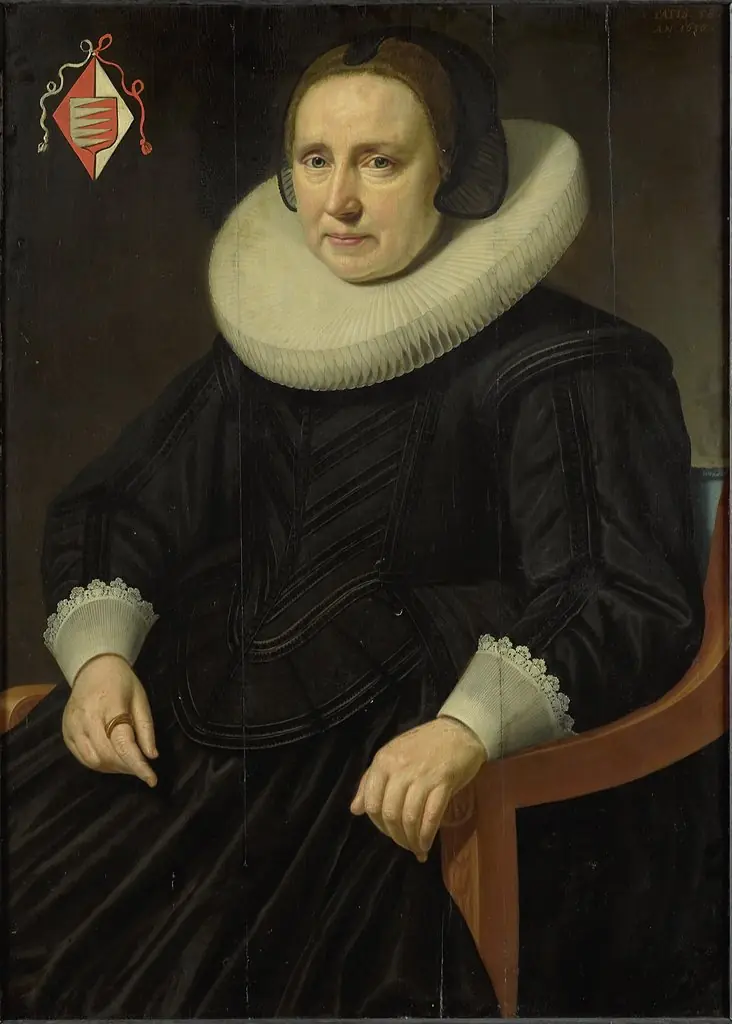 Portrait of Sara Sweerts de Weert (b. 1579), second wife of Antonius Antonides van der Linden
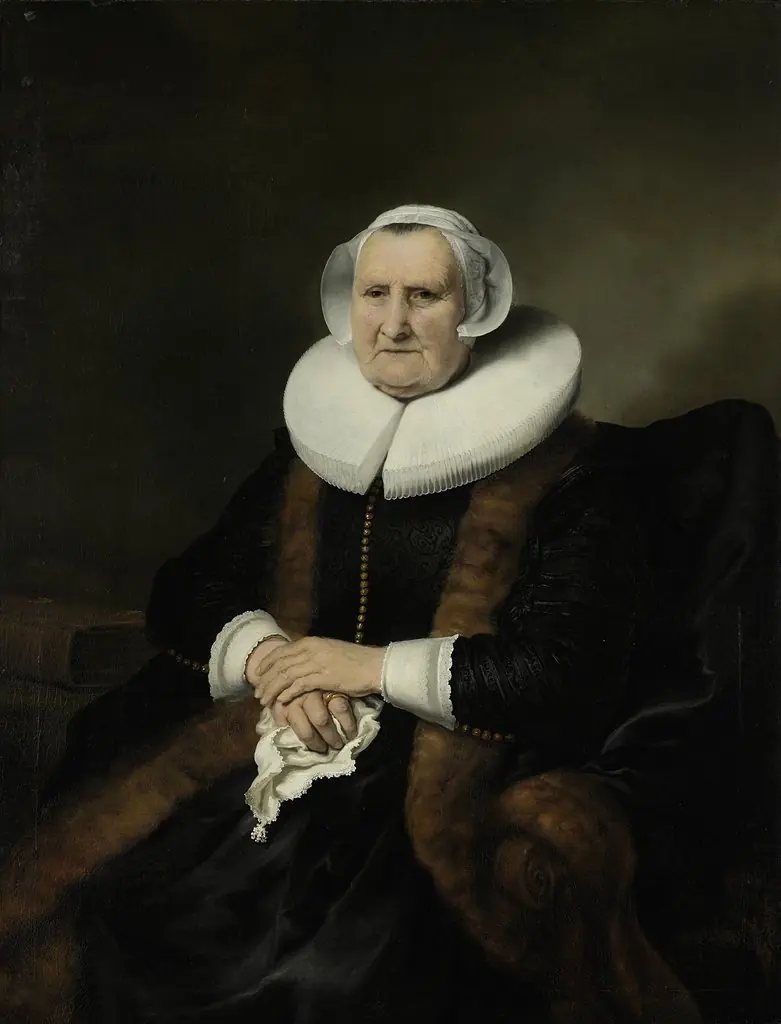 Portrait of an Old Lady, Possibly Elisabeth Bas
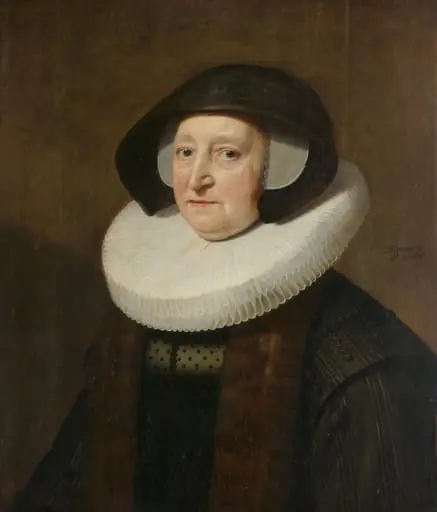 Portrait of Maria Petitpas (?-1640)
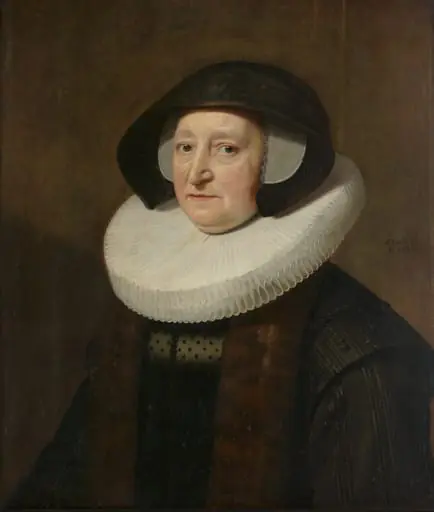 Portrait of Maria Petitpas, second Wife of Johannes Wttenbogaert (Jan Uytenbogaert)
 Portrait of an Old Woman