Artwork
An Old Woman
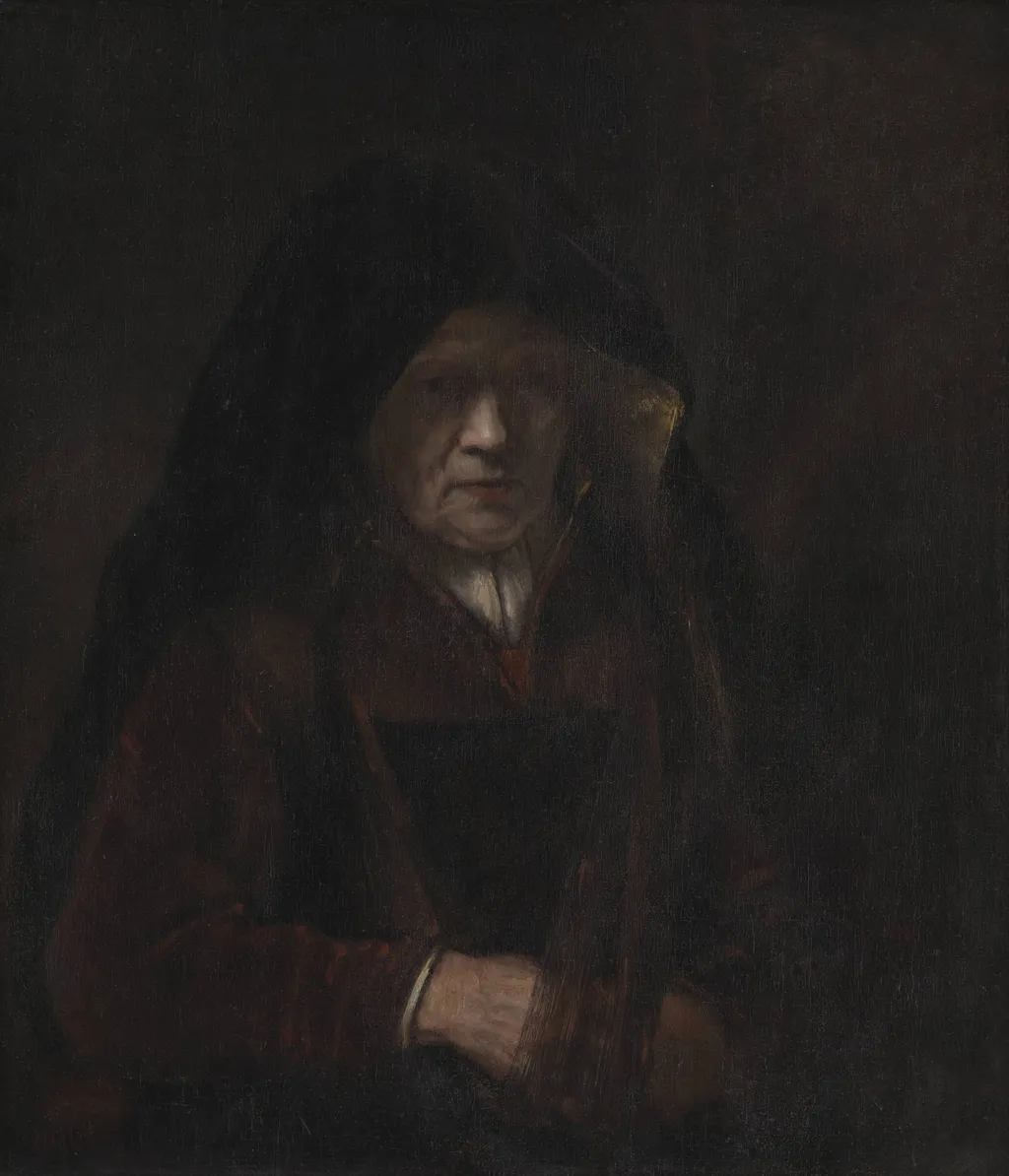
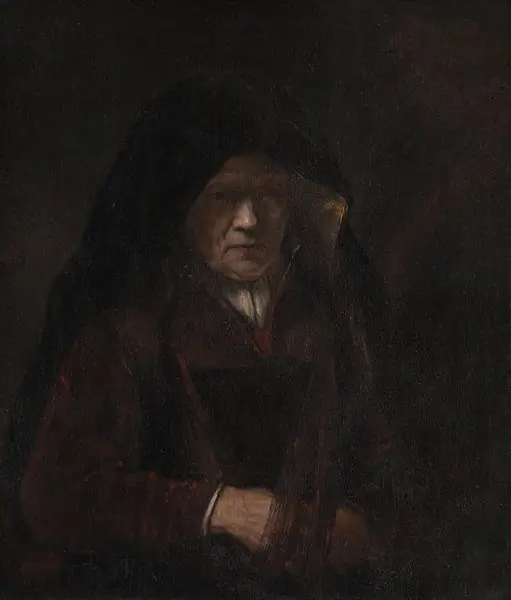
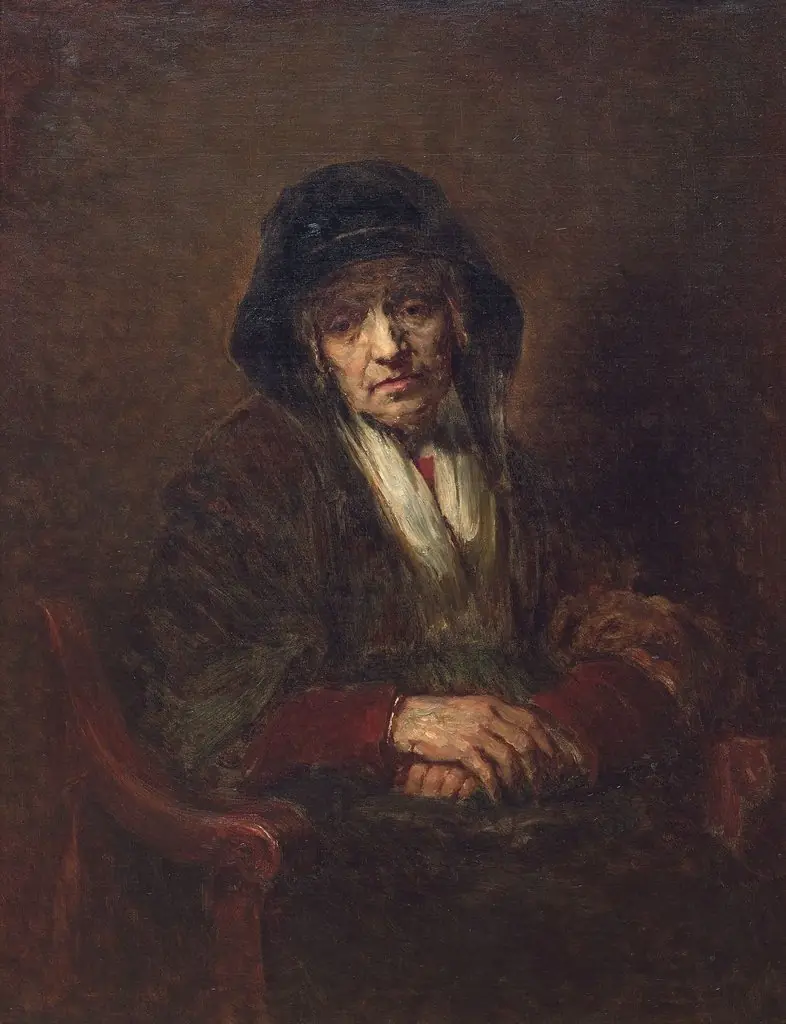
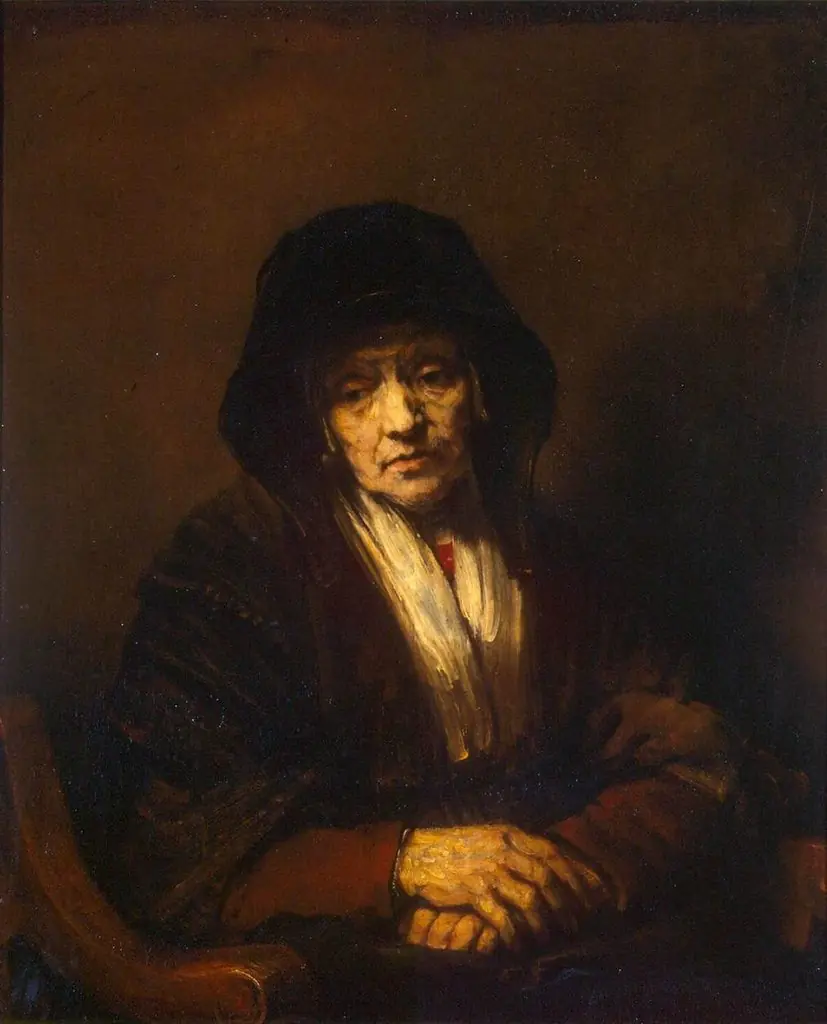
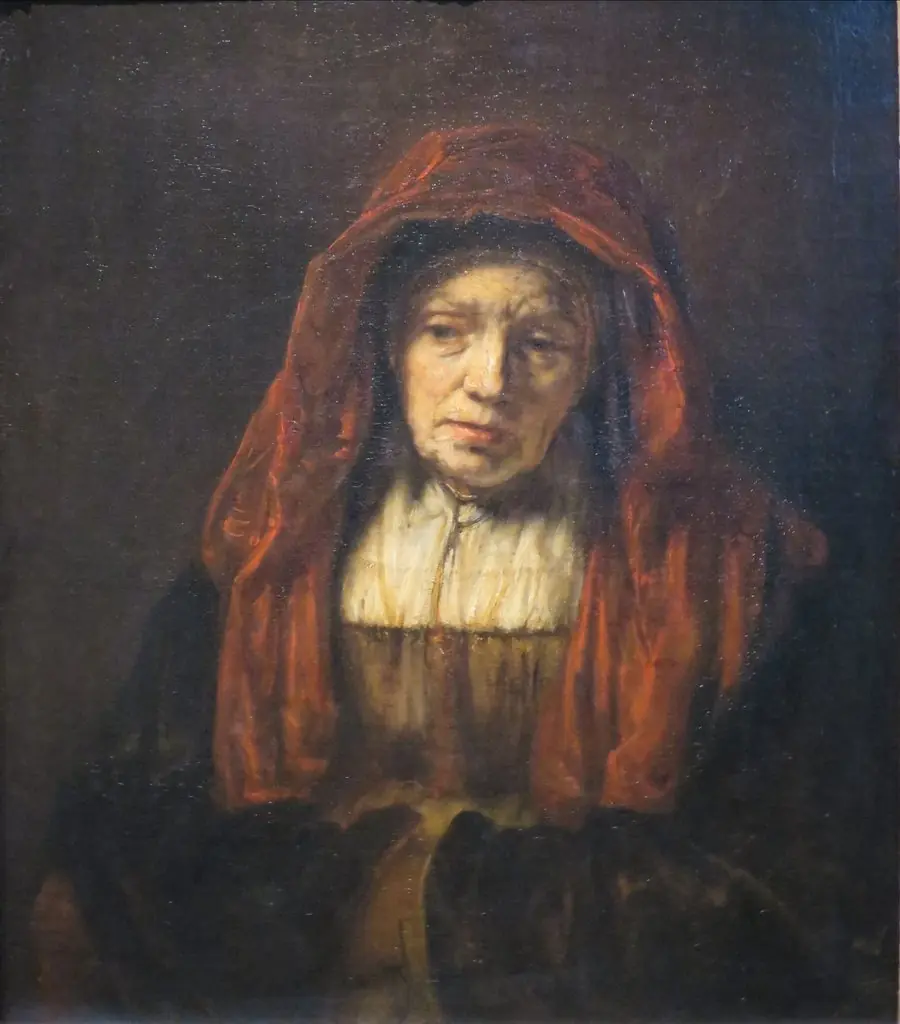
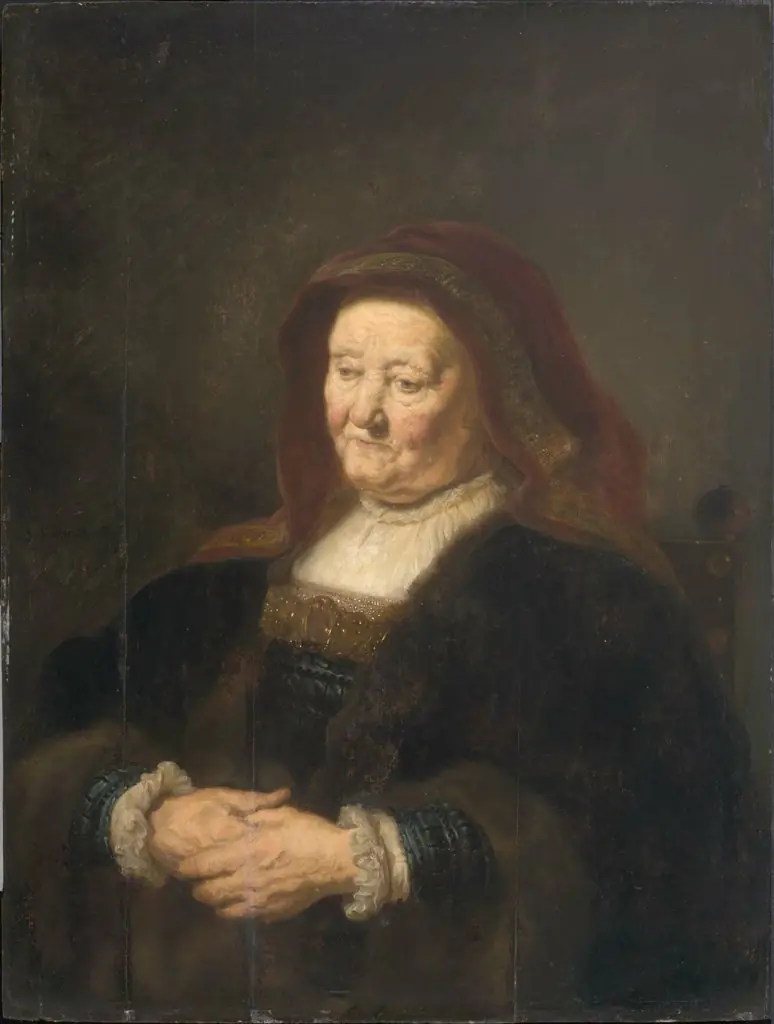
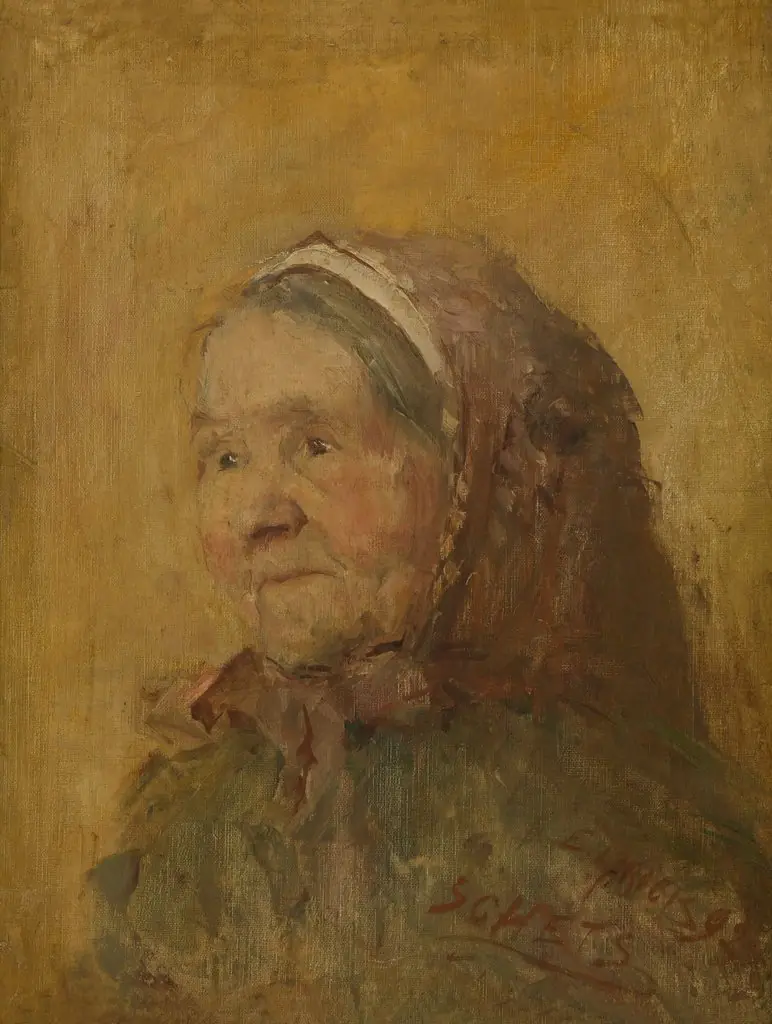
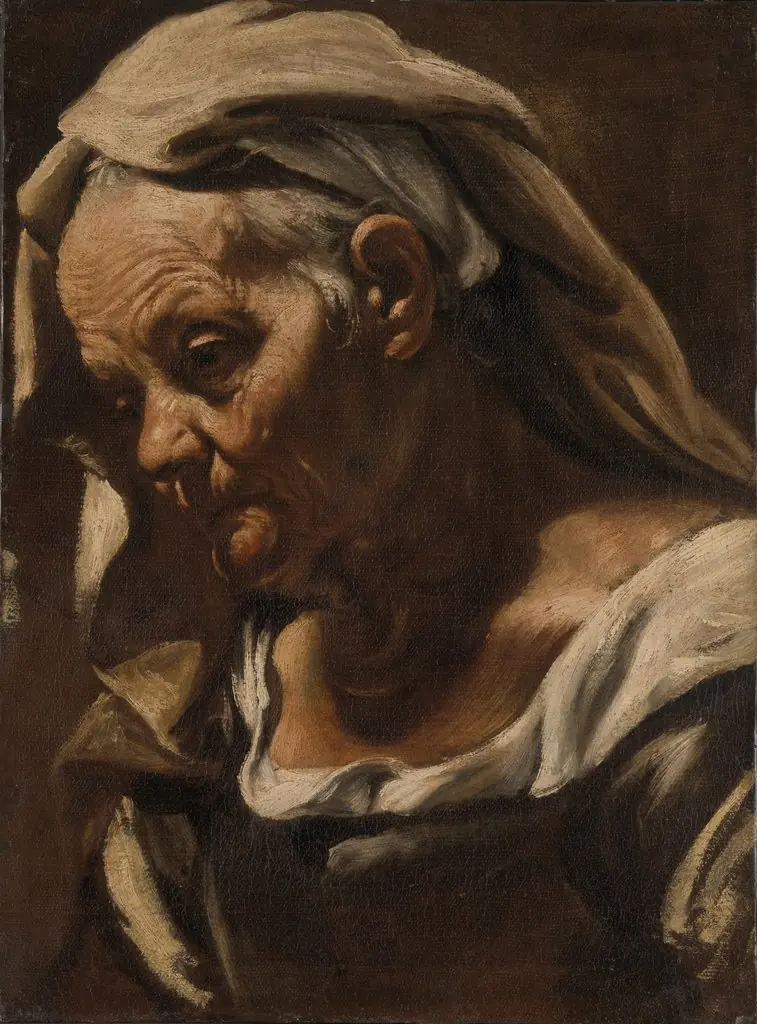
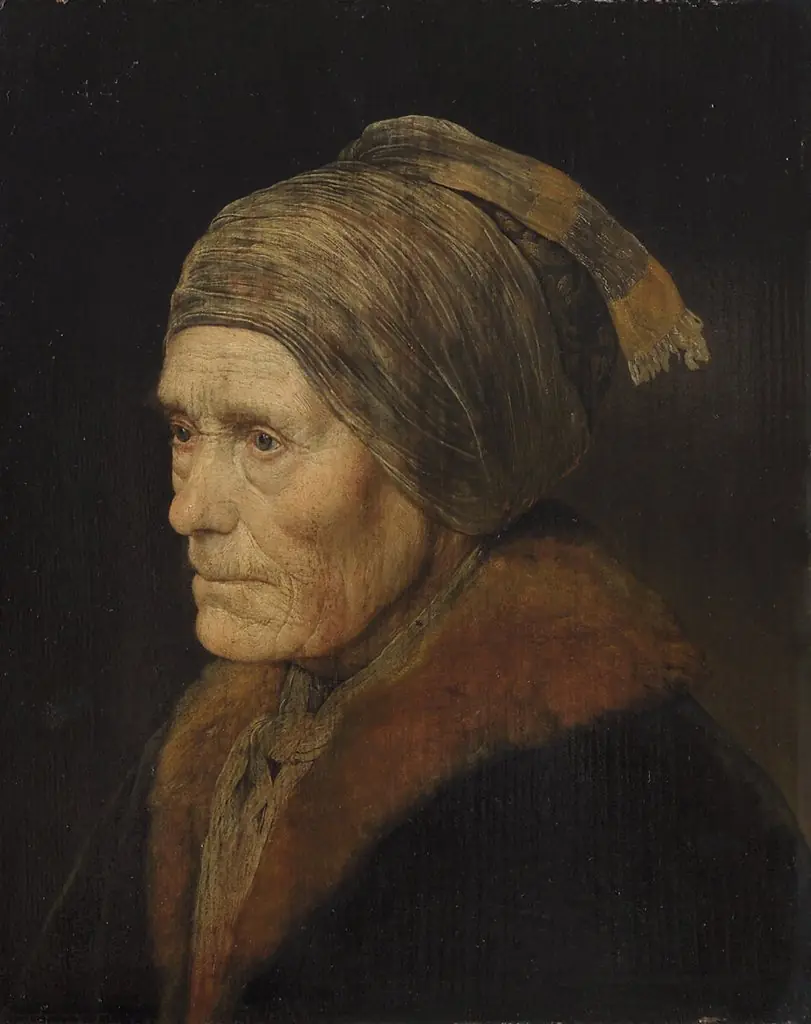
An Old Woman is a photography by the Baroque artist Unknown. It dates from 1655 and is held in the collection of the Statens Museum for Kunst. Painted in 1655, this portrait depicts an elderly woman in quiet contemplation.
About this work
Overview
The composition focuses tightly on her upper body, framed against a deep, unmodulated background that enhances the intensity of the lighting.
Painted in 1655, this portrait depicts an elderly woman in quiet contemplation. Executed in oil on panel, the work is part of the Museum of Ethnography’s collection. The composition focuses tightly on her upper body, framed against a deep, unmodulated background that enhances the intensity of the lighting. The subject’s expression is reserved, inviting quiet reflection rather than narrative interpretation.
Subject & Meaning
The woman, likely a member of the Dutch middle class, is shown with a book resting in her lap, partially concealed by her hands. This subtle detail suggests literacy and inner life, common themes in 17th-century Dutch portraiture. Her plain attire and unadorned presence convey dignity through restraint, avoiding idealization in favor of honest representation of age and quiet intellect.
Technique & Style
The painting employs chiaroscuro to model the face and hands with strong contrasts between light and shadow. The light falls from the upper left, illuminating the skin and fingers while leaving the background and clothing in deep tone. Brushwork is precise yet unobtrusive, emphasizing texture over flourish. The effect is intimate and psychologically grounded, characteristic of Dutch Baroque realism.
History & Provenance
The painting entered the Museum of Ethnography’s holdings in the early 20th century, though its earlier ownership remains undocumented. It was likely created in the Netherlands during a period when genre and portrait painting flourished among urban patrons. No records of commission or original owner survive, but its style aligns with works produced in regional studios of the time.
Context
In mid-17th century Dutch society, portraits of ordinary individuals—especially women—gained prominence as symbols of moral virtue and domestic stability. Unlike aristocratic portraiture, these works avoided grandeur, focusing instead on personal dignity. The inclusion of a book reflects broader cultural values around education and quiet piety, particularly among Protestant communities.
Legacy
This portrait contributes to a broader tradition of Dutch realism that valued observation over ornament. While not widely exhibited outside specialized collections, it exemplifies how everyday subjects were rendered with psychological depth during the Baroque era. Its quiet power continues to inform scholarly discussions on gender, age, and representation in early modern visual culture.
Artist & collection

 Domestic Scene
 Giacomo and Cardinal Marco, investing Andrea, Abbot of San Zeno, with his Benefice
 The Nymph of Fontainebleau
 Portrait of a Woman
 Madonna and Child with Saints in the Enclosed Garden
 Venus and Minerva
 Family Group of Four on Sofa
 Wall painting from Room H of the Villa of P. Fannius Synistor at Boscoreale