Artwork
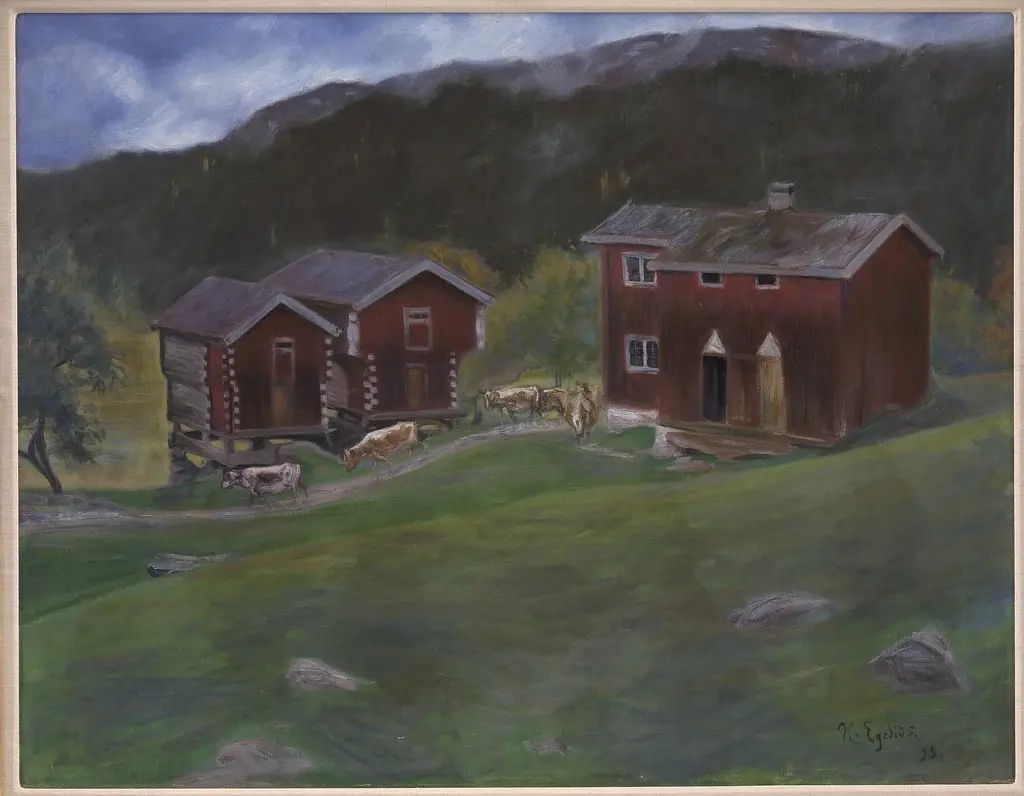
Farmyard at Åse in Telemarken, Norway
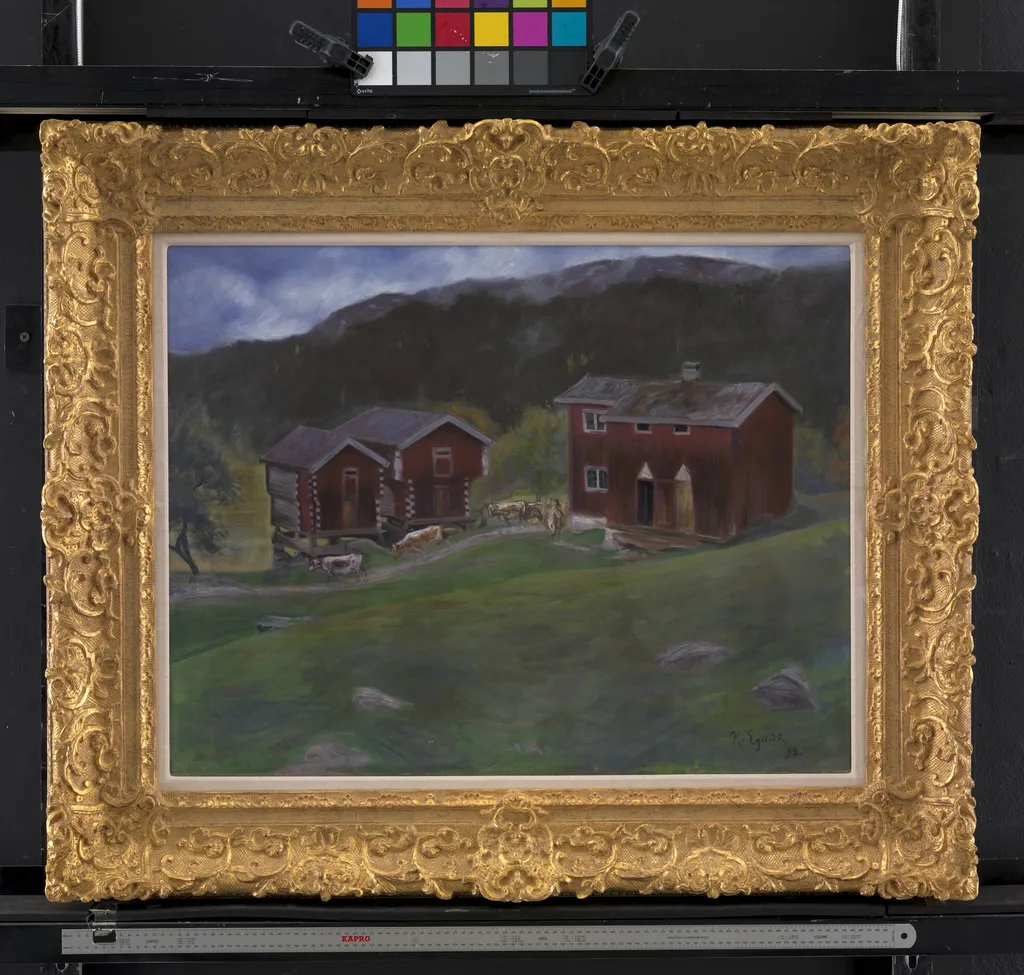
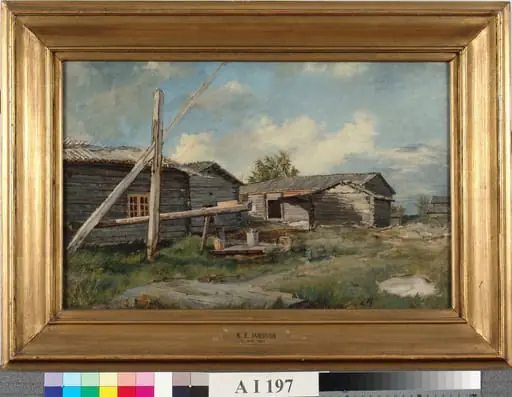
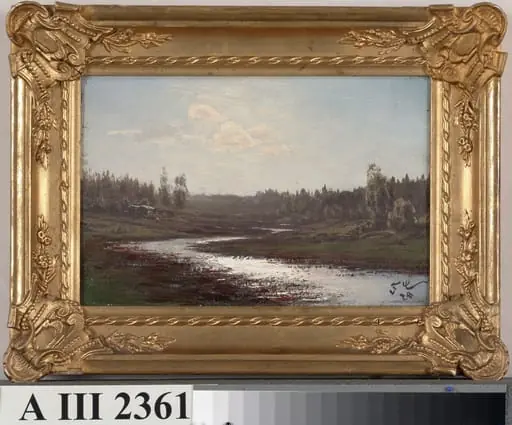
Farmyard at Åse in Telemarken, Norway is a photography by the Impressionist artist Unknown. It dates from 1893 and is held in the collection of the Statens Museum for Kunst. Painted in 1893, this work depicts a quiet farmyard in Åse, Telemarken, Norway.
About this work
Overview
The painting is part of the Museum of Ethnography’s collection, where it contributes to records of Norwegian agrarian culture at the turn of the century.
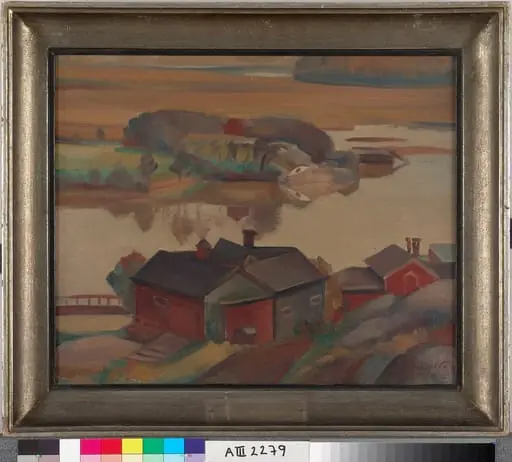
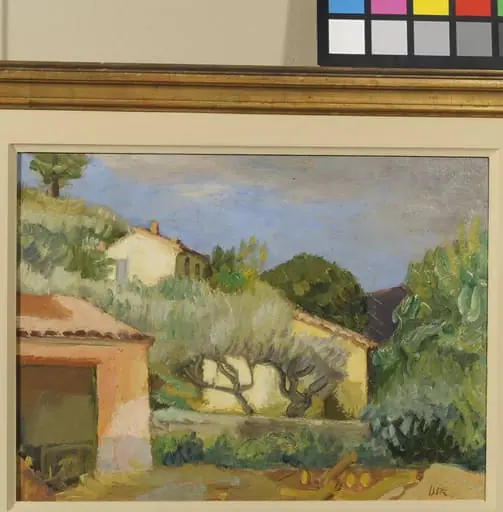
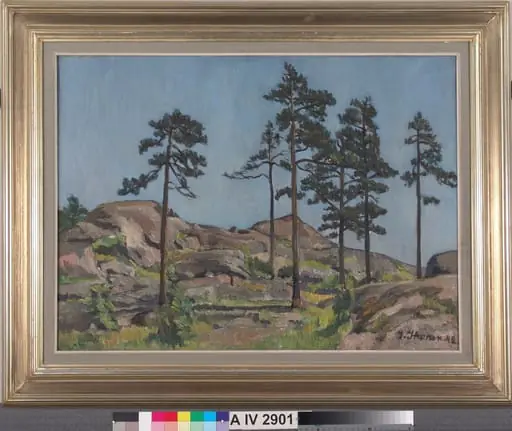
Painted in 1893, this work depicts a quiet farmyard in Åse, Telemarken, Norway. It captures a modest rural scene with two red wooden structures set against a grassy courtyard. The composition is restrained, emphasizing stillness and the quiet rhythm of daily life. The painting is part of the Museum of Ethnography’s collection, where it contributes to records of Norwegian agrarian culture at the turn of the century.
Subject & Meaning
The scene centers on ordinary rural existence: two sturdy farm buildings, a horse and wagon, and an open yard. No human figures are present, yet their absence suggests recent activity and the quiet persistence of labor. The setting reflects the self-sufficiency of Norwegian farm life, rendered without romanticism. The calm atmosphere invites contemplation of routine, not spectacle.
Technique & Style
The artist employed soft, muted tones—pale greens, gray-blues, and weathered reds—to convey the subdued light of a cloudy day. Brushwork is deliberate but not detailed, avoiding sharp definition in favor of atmospheric harmony. The hills recede into mist, creating depth without dramatic contrast. The style prioritizes mood over narrative, aligning with regional realism rather than academic or impressionist conventions.
History & Provenance
Created in 1893, the painting entered the Museum of Ethnography’s holdings as part of a broader effort to document Norwegian rural life. Its acquisition reflects early 20th-century interest in preserving vernacular architecture and agricultural practices. No record of prior ownership or exhibition exists beyond its institutional custody, suggesting it was likely acquired directly from the artist or a local source.
Context
In late 19th-century Norway, artists increasingly turned to rural subjects as national identity took shape amid industrialization. This painting aligns with a movement to record traditional ways of life before they faded. Unlike urban-focused realism or French Impressionism, it avoids theatricality, instead offering a quiet, unembellished view of the countryside that resonated with local cultural preservation efforts.
Legacy
The work remains a modest but significant record of Norwegian agrarian architecture and landscape. It is not widely reproduced or studied outside ethnographic circles, yet it contributes to understanding how regional artists documented everyday environments without idealization. Its quiet presence in the Museum of Ethnography underscores its role as a cultural artifact rather than a celebrated artistic achievement.
Artist & collection

 Domestic Scene
 Giacomo and Cardinal Marco, investing Andrea, Abbot of San Zeno, with his Benefice
 The Nymph of Fontainebleau
 Portrait of a Woman
 Madonna and Child with Saints in the Enclosed Garden
 Venus and Minerva
 Family Group of Four on Sofa
 Wall painting from Room H of the Villa of P. Fannius Synistor at Boscoreale