Artwork
Primula veris (hybrid af hulkravet kodriver); Primula farinosa (melet kodriver)
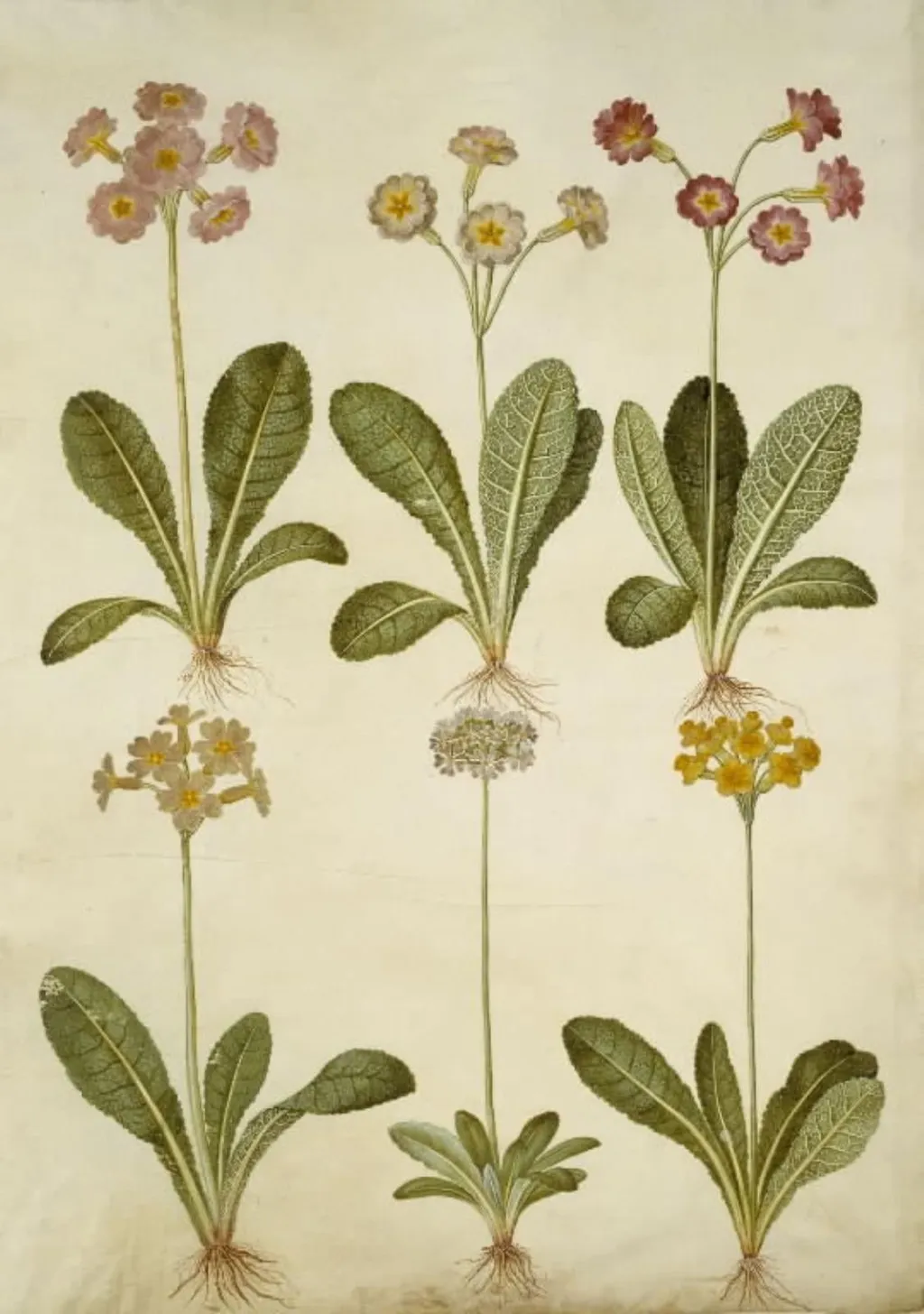
Primula veris (hybrid af hulkravet kodriver); Primula farinosa (melet kodriver) is an unspecified work on paper by Unknown. It dates from 1654 and is held in the collection of the Statens Museum for Kunst. Created around 1654, this image attributed to the artist catalogued as 35199_person depicts a botanical study of five distinct plants.
About this work
Overview
Created around 1654, this image attributed to the artist catalogued as 35199_person depicts a botanical study of five distinct plants. The work is part of the collection of the Museum of Ethnography and presents the specimens against a light, neutral background, allowing close observation of foliage, flowers, and roots.
Subject & Meaning
The illustration features two named species—Primula veris, shown as a hybrid of the hollow‑crown primrose, and Primula farinosa, the mealy primrose—alongside three additional, unnamed plants. Each specimen displays green leaves with pronounced venation and clusters of small blossoms in shades of pink, yellow, and purple‑edged hues, emphasizing botanical diversity and morphological detail.
Technique & Style
Executed in a fine, watercolor‑like manner, the image employs delicate washes to render subtle color variations while preserving crisp line work for leaf veins and petal textures. The careful rendering of roots at the base of each plant reflects the precision typical of 17th‑century scientific illustration, where accuracy was paramount for identification.
History & Provenance
The work dates to the mid‑17th century, a period when natural history illustration was emerging as a scholarly practice. It entered the Museum of Ethnography’s holdings at an unspecified later date, where it now serves as a reference for historical plant depiction and the development of ethnobotanical documentation.
Context
During the 1650s, European scholars increasingly compiled herbals and botanical compendia, relying on artists to produce detailed visual records. This image aligns with that tradition, offering a visual supplement to textual descriptions and illustrating the era’s commitment to cataloguing plant forms for both scientific and educational purposes.
Artist & collection

 Domestic Scene
 Giacomo and Cardinal Marco, investing Andrea, Abbot of San Zeno, with his Benefice
 The Nymph of Fontainebleau
 Portrait of a Woman
 Madonna and Child with Saints in the Enclosed Garden
 Venus and Minerva
 Family Group of Four on Sofa
 Wall painting from Room H of the Villa of P. Fannius Synistor at Boscoreale
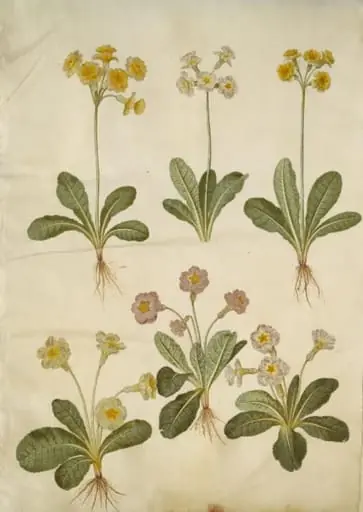 Primula veris (hybrid af hulkravet kodriver); Primula vulgaris (hybrid af storblomstret kodriver)
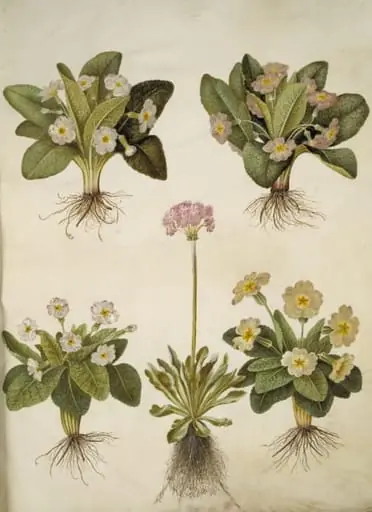 Primula vulgaris (hybrid af storblomstret kodriver); Primula farinosa (melet kodriver)
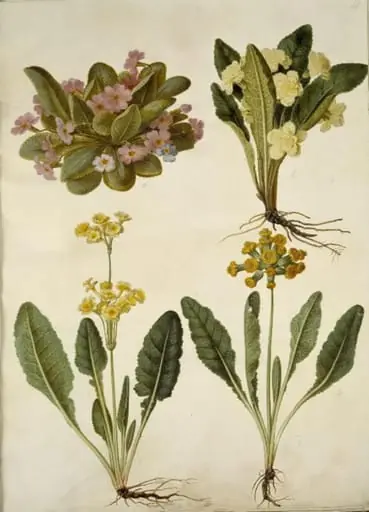 Primula vulgaris (karnevals-kodriver); Primula vulgaris (hybrid af storblomstret kodriver); Primula veris (hybrid af hulkravet kodriver)
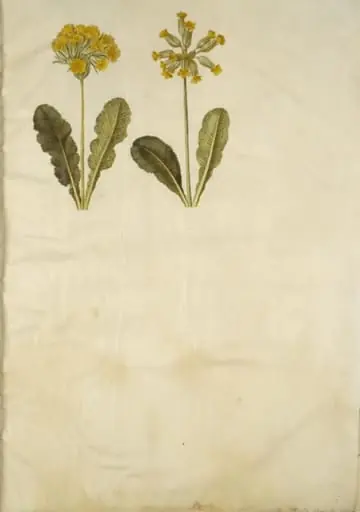 Primula veris (hybrid af hulkravet kodriver); Primula veris (hulkravet kodriver)
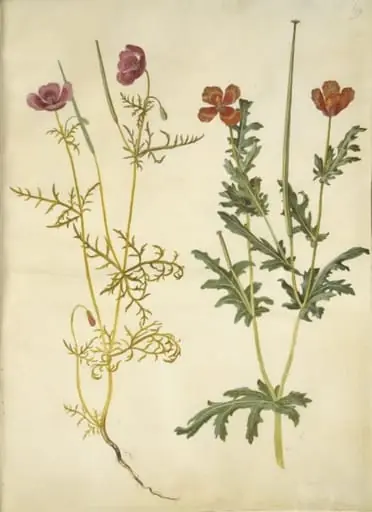 Roemeria hybrida (violet hornvalmue); Glaucium corniculatum (rød hornskulpe)
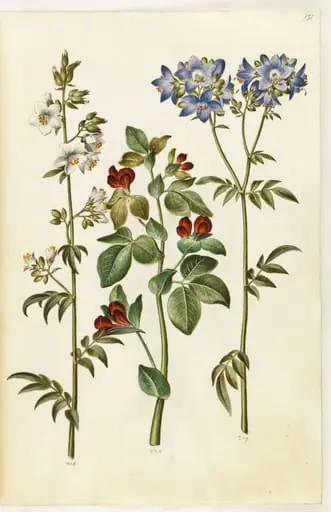 Polemonium caeruleum (almindelig jakobsstige); Lotus tetragonolobus (aspargesært)