Artwork
Portræt af en holstensk adelsmand, der fastede 40 dage
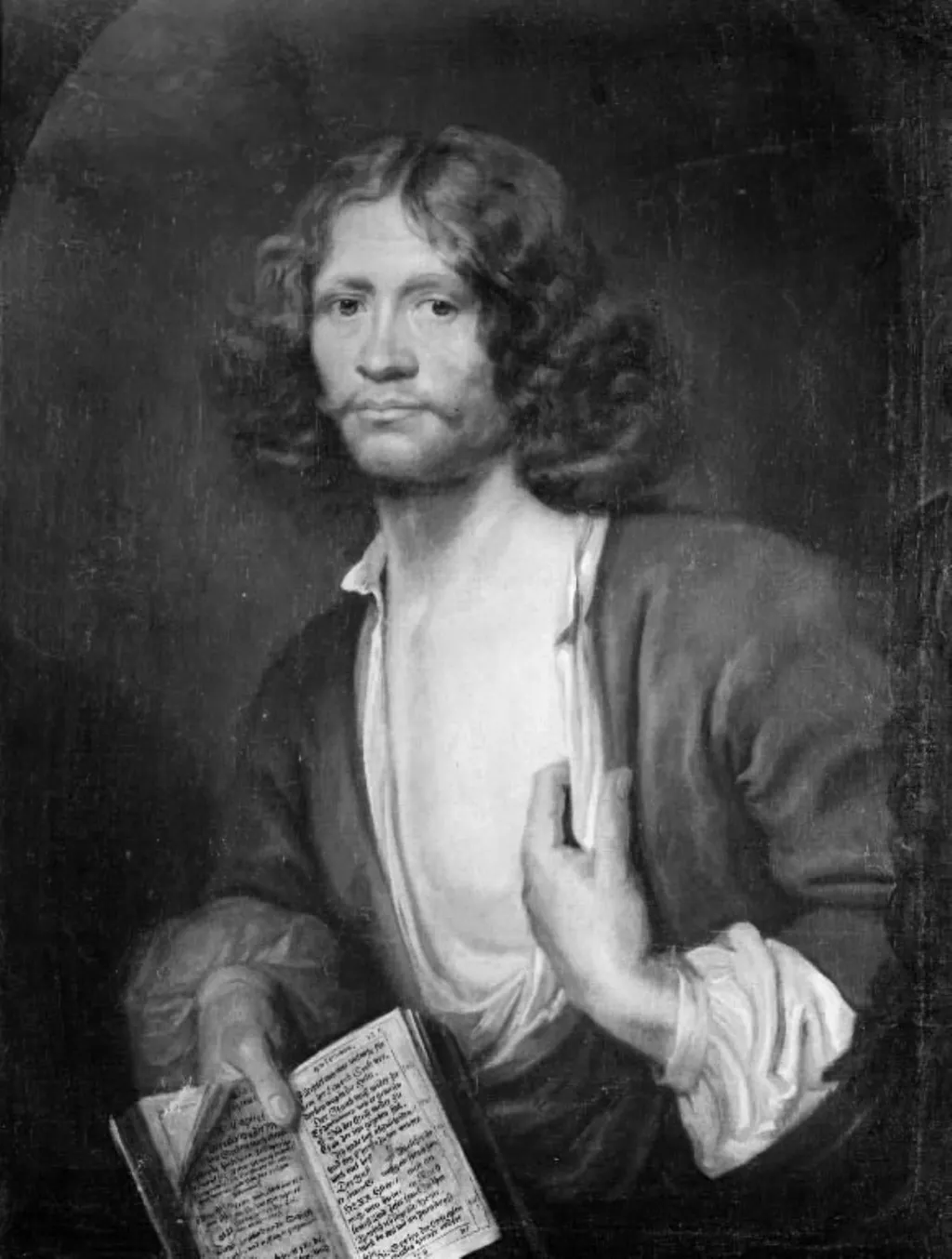
Portræt af en holstensk adelsmand, der fastede 40 dage is a photography by Unknown. It dates from 1750 and is held in the collection of the Statens Museum for Kunst. This portrait, dated around 1750, depicts a nobleman from Holstein who undertook a forty-day fast.
About this work
Overview
This portrait, dated around 1750, depicts a nobleman from Holstein who undertook a forty-day fast. Executed in oil on canvas, it is part of the Museum of Ethnography’s collection. The composition focuses tightly on the subject, isolating him against a deep, neutral background. His posture and gaze suggest introspection, reinforcing the spiritual discipline implied by the title.
Subject & Meaning
The open book, its pages aged and inscribed in dark script, likely represents sacred text, grounding the act of fasting in scriptural contemplation.
The man portrayed is identified as a member of the Holstein nobility who observed a prolonged religious fast. His gesture—hand resting on the chest—hints at inner reflection or devotion. The open book, its pages aged and inscribed in dark script, likely represents sacred text, grounding the act of fasting in scriptural contemplation. The solemnity of his expression underscores the gravity of his spiritual commitment.
Technique & Style
The artist employs a restrained palette dominated by dark tones, with subtle contrasts highlighting the white of the shirt and the texture of the book. The oval framing of the figure draws attention without overt decoration. Brushwork is precise yet unobtrusive, emphasizing realism over ornamentation. Lighting is soft and directional, modeling the face and hands to enhance the sense of quiet concentration.
History & Provenance
The painting entered the Museum of Ethnography’s holdings in the late 19th or early 20th century, likely as part of a broader collection of Northern European religious and cultural artifacts. Its origin as a private commission remains undocumented, but its subject and style align with Protestant devotional portraiture common in 18th-century Denmark and Holstein.
Context
In mid-18th century Northern Europe, prolonged fasting was a recognized, though uncommon, expression of piety among certain Protestant elites. Portraits like this served not merely as likenesses but as visual testimonies of personal faith. The inclusion of a book signals literacy and engagement with religious texts, reflecting broader Enlightenment-era values that linked spiritual discipline with intellectual rigor.
Legacy
Though not widely exhibited, the portrait remains a rare visual record of individual religious practice among the Nordic nobility. It contributes to scholarly understanding of how personal devotion was represented visually in a period when public religious imagery was often minimized. Its preservation in an ethnographic museum underscores its value as a cultural artifact beyond mere portraiture.
Artist & collection

 Domestic Scene
 Giacomo and Cardinal Marco, investing Andrea, Abbot of San Zeno, with his Benefice
 The Nymph of Fontainebleau
 Portrait of a Woman
 Madonna and Child with Saints in the Enclosed Garden
 Venus and Minerva
 Family Group of Four on Sofa
 Wall painting from Room H of the Villa of P. Fannius Synistor at Boscoreale
 Portrait of a Young Man
 Man's portrait
 Denis Talon
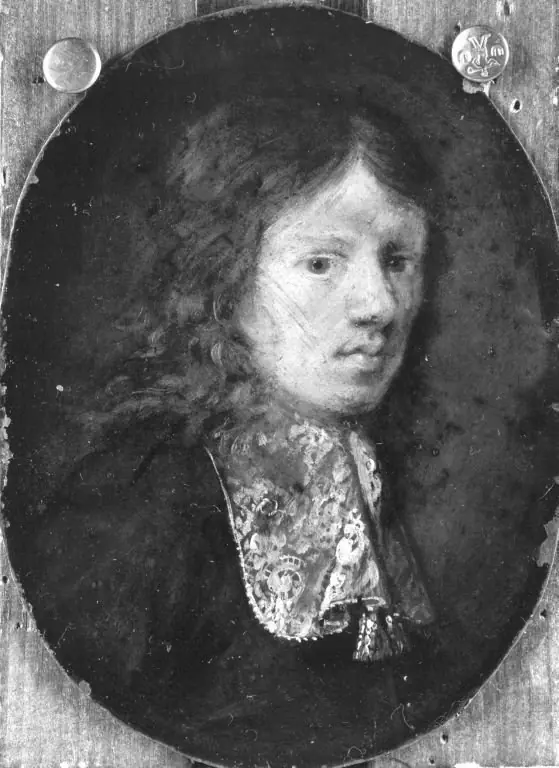 Brustbild eines jungen Mannes (zugeschrieben)
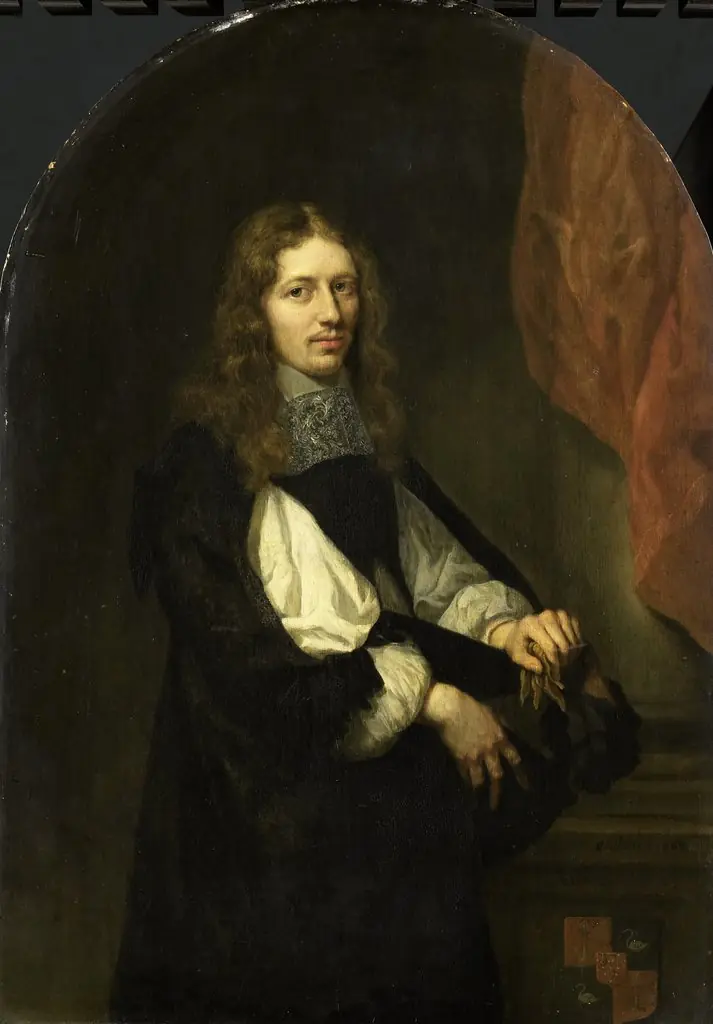 Portrait of Pieter de Graeff (1638-1707), lord of Zuid-Polsbroek, Purmerland, and Ilpendam. Alderman of Amsterdam
 Portrait of Pieter de Graeff (1638-1707), lord of Zuid-Polsbroek, Purmerland, and Ilpendam. Alderman of Amsterdam
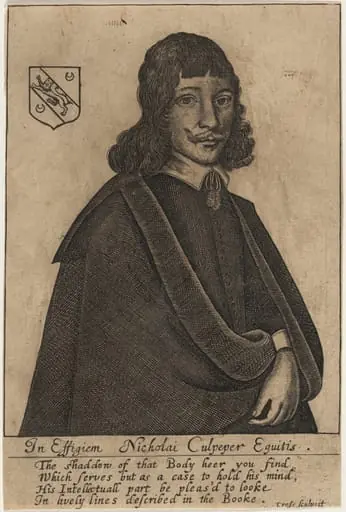 Nicholai Culpeper, Equitus
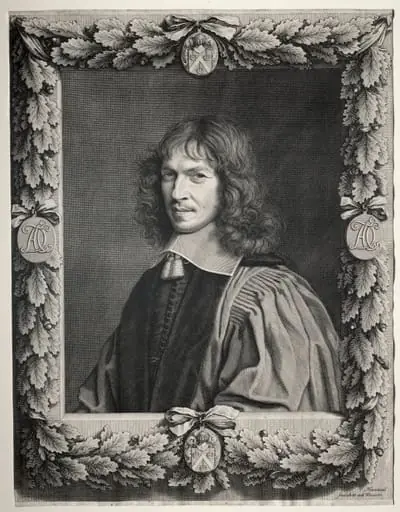 Denis Talon
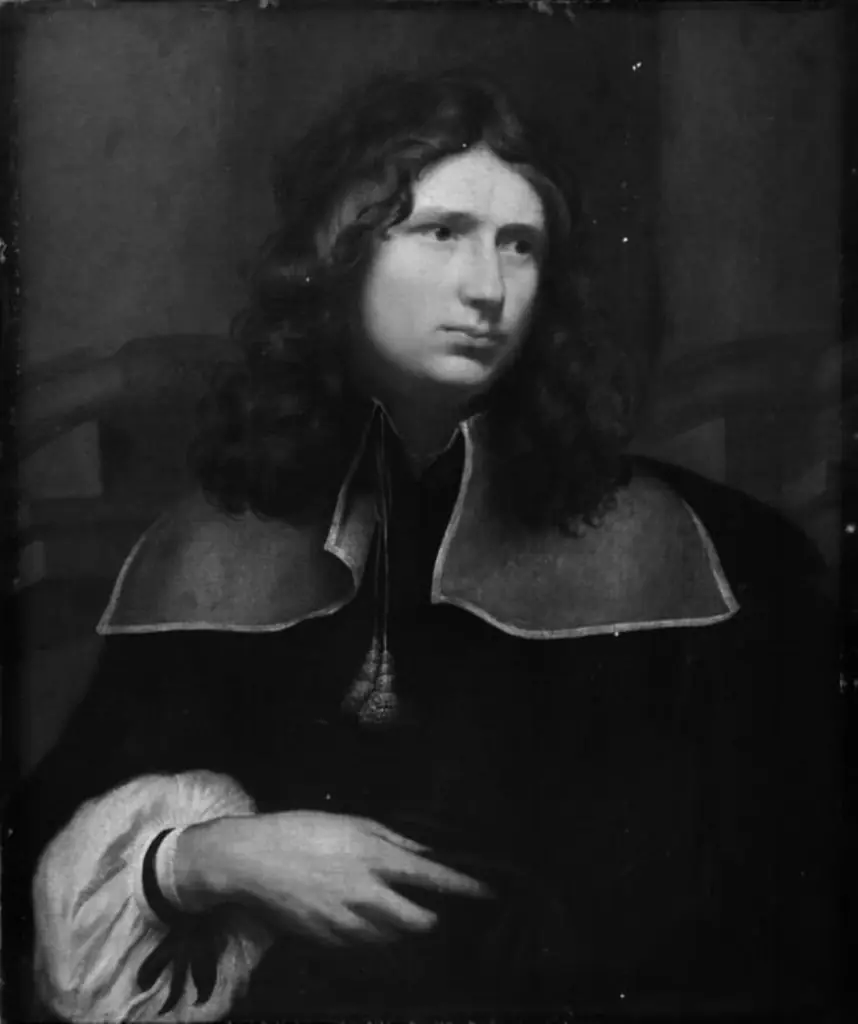 Portrait of a Young Man
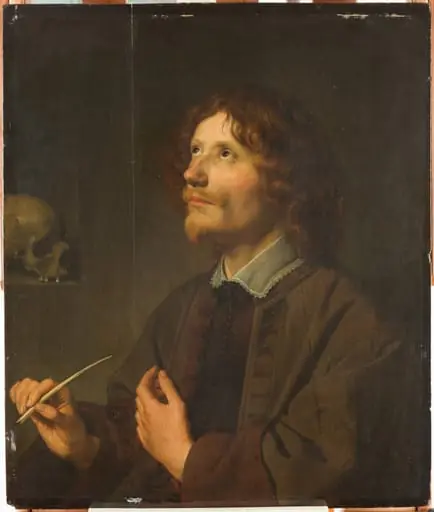 Bildnis eines Gelehrten