Artwork
Kong Christian VI som prins
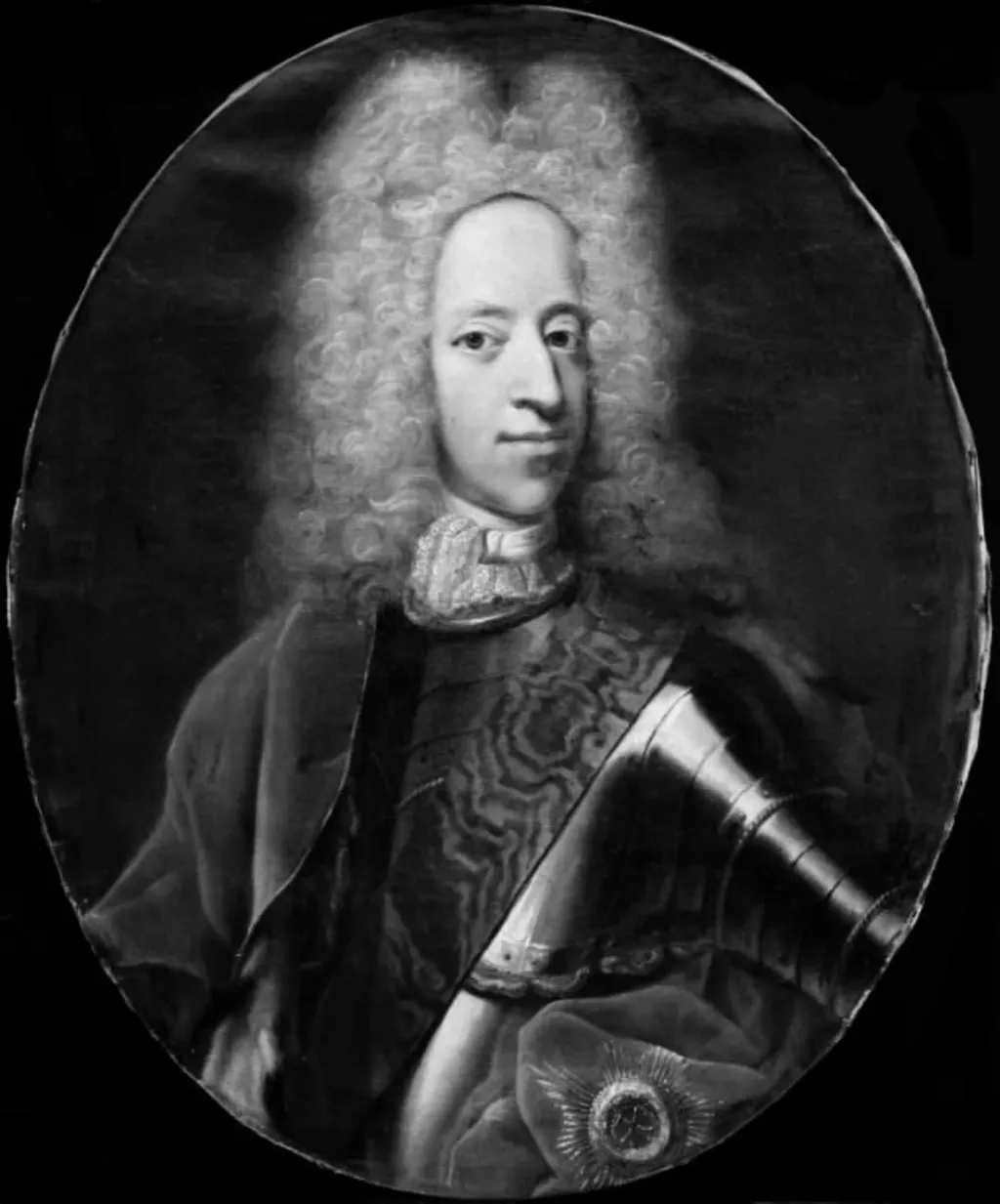
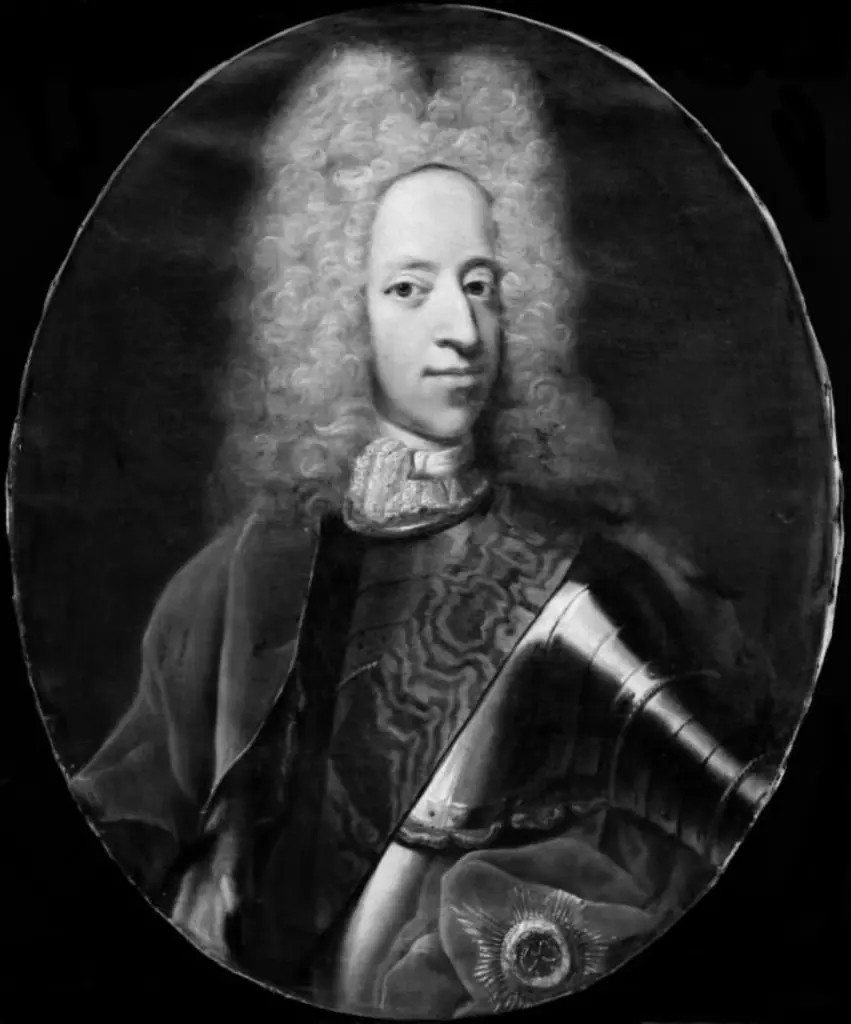
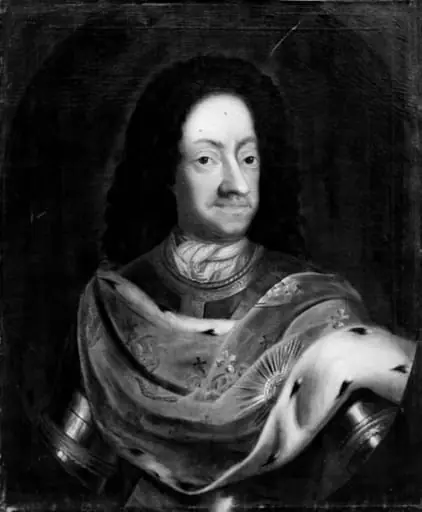
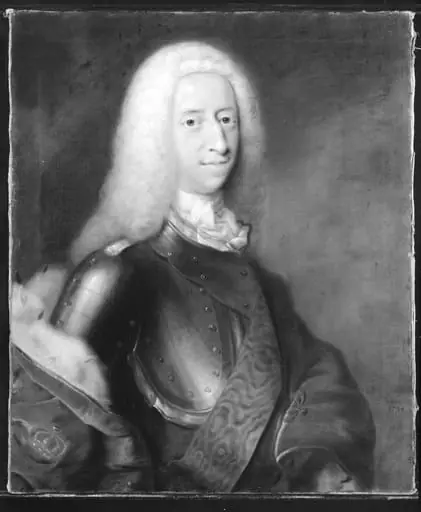
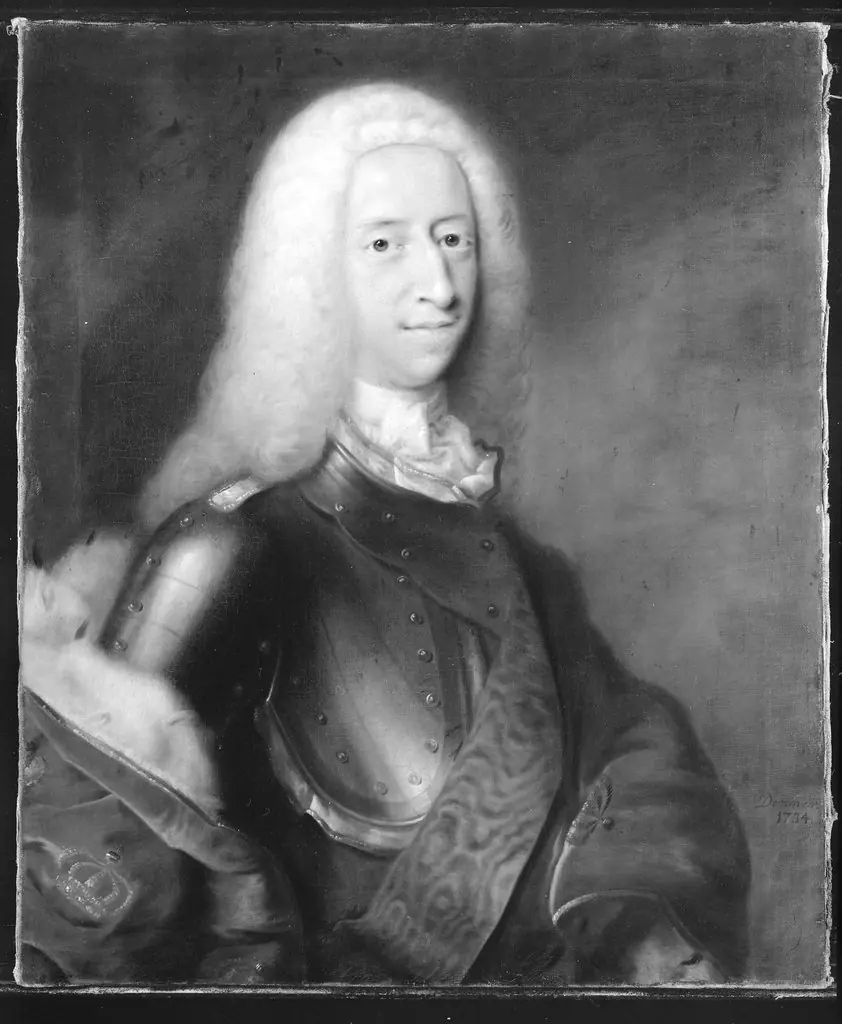
Kong Christian VI som prins is a photography by Unknown. It dates from 1750 and is held in the collection of the Statens Museum for Kunst. This portrait depicts Christian VI of Denmark as a prince, created around 1750.
About this work
Overview
The image emphasizes formal presentation through controlled lighting and minimal background, directing attention to the subject’s attire and bearing.
This portrait depicts Christian VI of Denmark as a prince, created around 1750. It is a monochrome photograph, likely a later reproduction of an earlier painted portrait, held in the collection of the Museum of Ethnography. The image emphasizes formal presentation through controlled lighting and minimal background, directing attention to the subject’s attire and bearing. The medium suggests a 19th- or early 20th-century photographic interpretation of an 18th-century royal image.
Subject & Meaning
Christian VI, shown in his youth before ascending the throne, is portrayed with the regalia of princely authority: a powdered wig, ornate lace collar, and a ceremonial staff. His composed expression conveys dignity and restraint, aligning with the ideals of Enlightenment-era monarchy. The image functions as a visual assertion of legitimacy and status, reinforcing his position within the royal lineage and the expectations of sovereign conduct.
Technique & Style
The photograph employs chiaroscuro lighting to model the subject’s face and garments, creating depth through soft gradations of shadow and highlight. The plain background eliminates distraction, focusing the viewer on the texture of lace, the sheen of fabric, and the contours of the wig. The monochrome palette enhances the formal tone, echoing the conventions of earlier painted portraiture while adapting them to the emerging photographic medium.
History & Provenance
The image was likely produced in the late 19th or early 20th century as a photographic reproduction of a lost or archived painted portrait. It entered the Museum of Ethnography’s collection as part of a broader effort to document historical figures and cultural artifacts. Its presence in an ethnographic context, rather than a royal or art museum, suggests its use in anthropological or historical studies of European monarchy.
Context
During the mid-18th century, Danish royalty cultivated images of sober authority, distancing themselves from the extravagance of earlier Baroque courts. Christian VI’s reign emphasized piety and administrative order. This portrait reflects that ethos, using visual restraint to communicate moral seriousness. The photograph’s later creation situates it within a period when historical figures were being systematically documented through new reproductive technologies.
Legacy
As a photographic reproduction of a royal portrait, this image serves as a bridge between painted tradition and modern visual archiving. It preserves the iconography of Danish monarchy for later study, even as its medium shifts from brush to lens. Its placement in an ethnographic museum underscores how royal imagery became a subject of cultural analysis, rather than mere celebration, in the modern era.
Artist & collection

 Domestic Scene
 Giacomo and Cardinal Marco, investing Andrea, Abbot of San Zeno, with his Benefice
 The Nymph of Fontainebleau
 Portrait of a Woman
 Madonna and Child with Saints in the Enclosed Garden
 Venus and Minerva
 Family Group of Four on Sofa
 Wall painting from Room H of the Villa of P. Fannius Synistor at Boscoreale