Artwork
Kong Frederik III
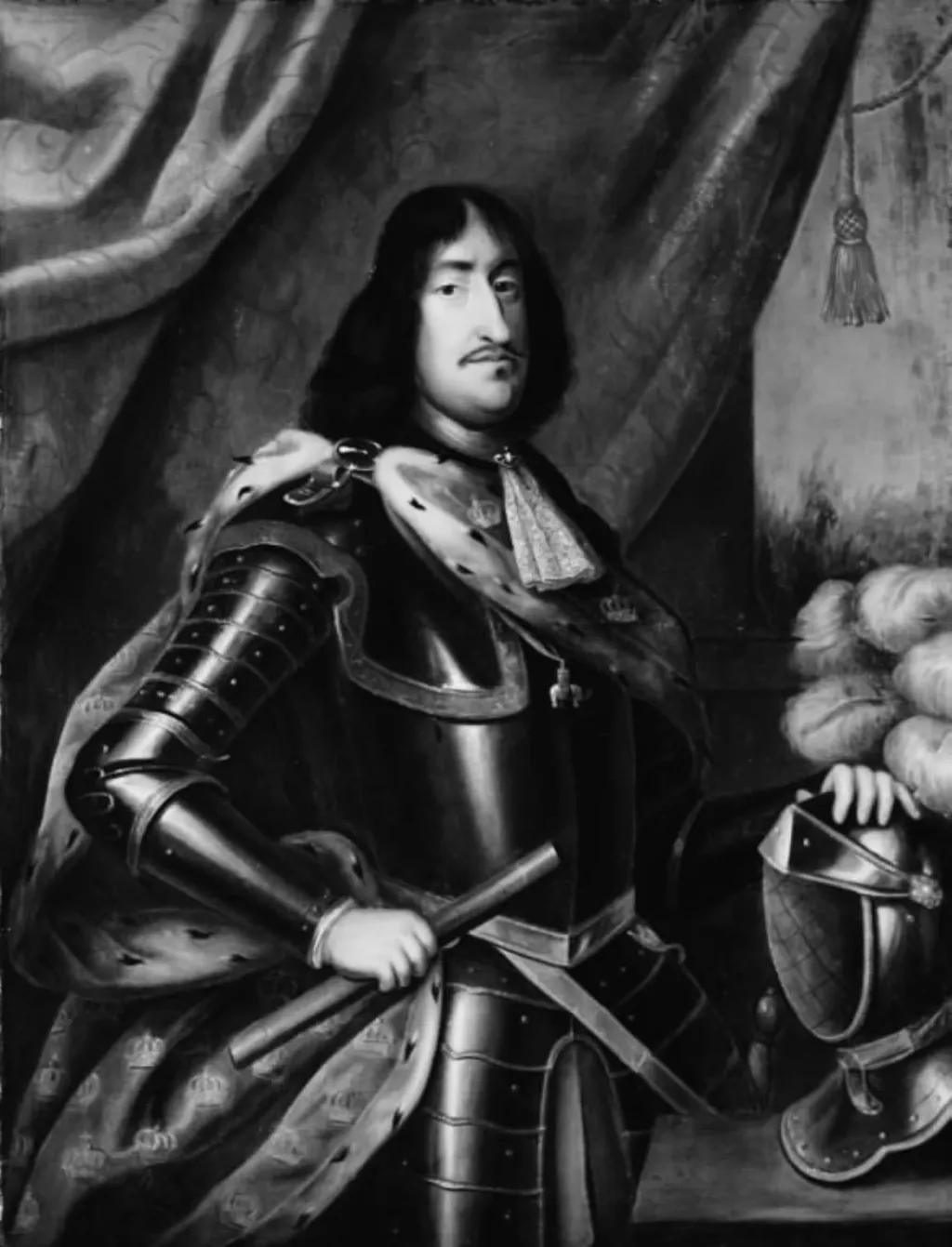
Kong Frederik III is a photography by Unknown. It dates from 1750 and is held in the collection of the Statens Museum for Kunst. This portrait depicts King Frederik III of Denmark, painted around 1750.
About this work
Overview
This portrait depicts King Frederik III of Denmark, painted around 1750. Though the artist’s identity is unrecorded, the work resides in the Museum of Ethnography. The image presents the monarch in formal attire, emphasizing authority through rigid posture and ornate armor. The composition avoids theatricality, favoring a restrained, almost ceremonial stillness.
Subject & Meaning
Frederik III is portrayed not as a warrior in action, but as a sovereign in repose, his hand resting on a sword as a symbol of enduring power. The stern expression and composed gaze convey control and gravitas. The armor, though not battlefield-worn, signals legitimacy and lineage, aligning the king with ideals of leadership rooted in tradition rather than conquest.
Technique & Style
The painting employs muted tones and careful shading to define the texture of armor, fabric, and skin. Light falls subtly across the figure, enhancing the three-dimensionality of the collar and cape without dramatic contrast. Background elements are minimized, focusing attention on the subject’s presence. The feathered ornament hints at regal accoutrements without overwhelming the composition.
History & Provenance
The portrait entered the Museum of Ethnography’s collection in the late 19th century, likely as part of a broader effort to document European royal imagery alongside global cultural artifacts. Its origins before this are undocumented, though its style suggests it was commissioned for official or ceremonial use during the early 18th century.
Context
Created decades after Frederik III’s death, the portrait reflects a later era’s retrospective idealization of monarchy. While the king ruled in the mid-1600s, this image aligns with 18th-century conventions of royal portraiture that prioritized dignity over historical accuracy. It served as a visual anchor for dynastic continuity in a period of shifting political structures.
Legacy
The portrait remains a quiet example of how European royalty were visually codified beyond their lifetimes. Its placement in an ethnographic museum underscores its role as a cultural artifact rather than a political statement. It invites reflection on how power is represented across time and across collections.
Artist & collection

 Domestic Scene
 Giacomo and Cardinal Marco, investing Andrea, Abbot of San Zeno, with his Benefice
 The Nymph of Fontainebleau
 Portrait of a Woman
 Madonna and Child with Saints in the Enclosed Garden
 Venus and Minerva
 Family Group of Four on Sofa
 Wall painting from Room H of the Villa of P. Fannius Synistor at Boscoreale
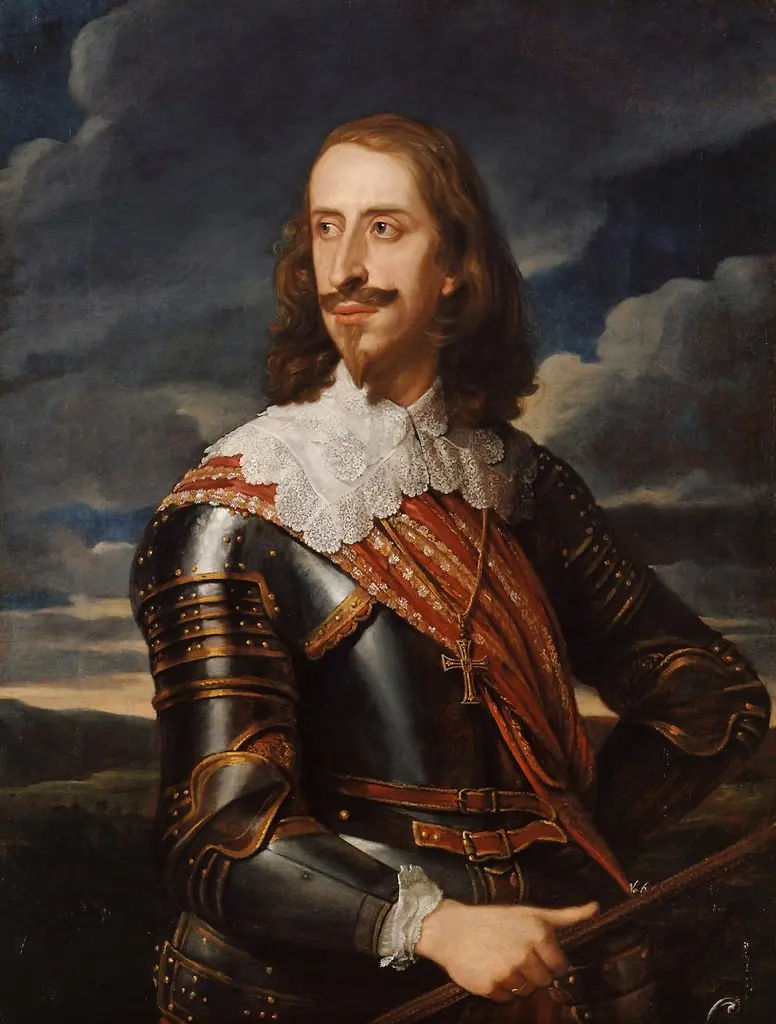 Archduke Leopold Wilhelm in armor (1614-1662)
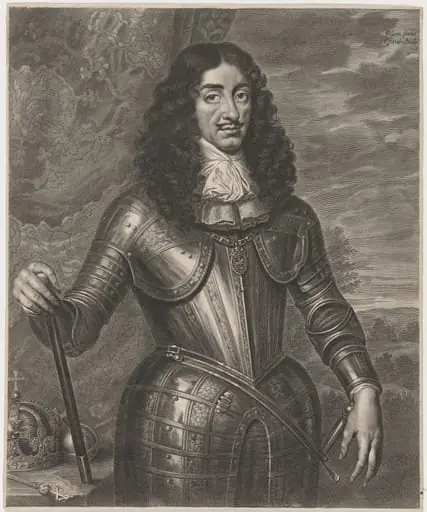 Charles II
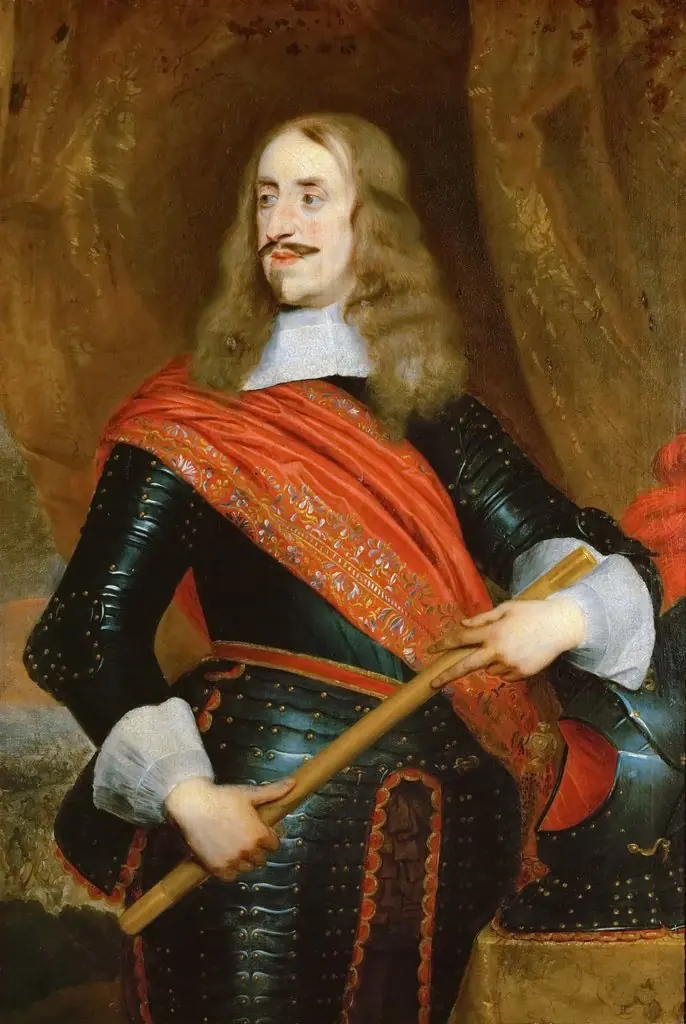 Portrait of Archduke Leopold Wilhelm (1614-1662)
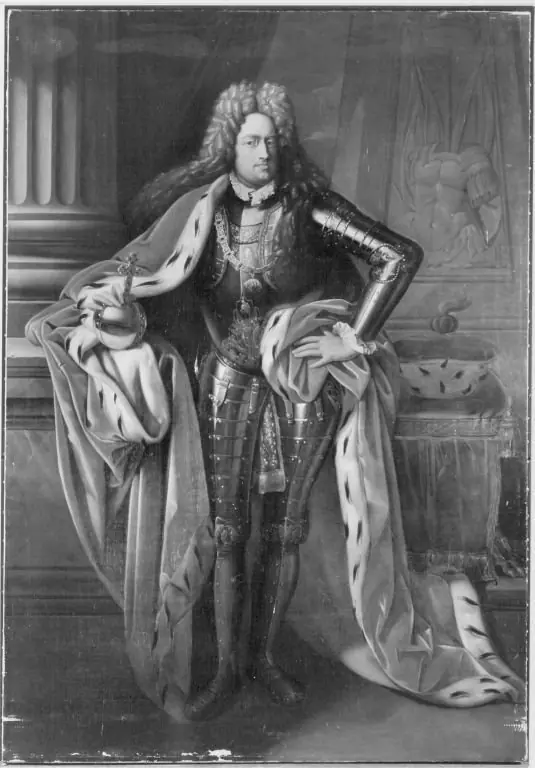 Kurfürst Johann Wilhelm von der Pfalz (Kopie nach van der Werff)
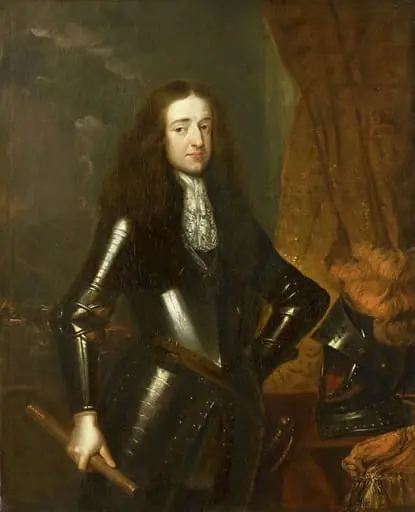 Portrait of Willem III (1650-1702), Prince of Orange and since 1689, King of England
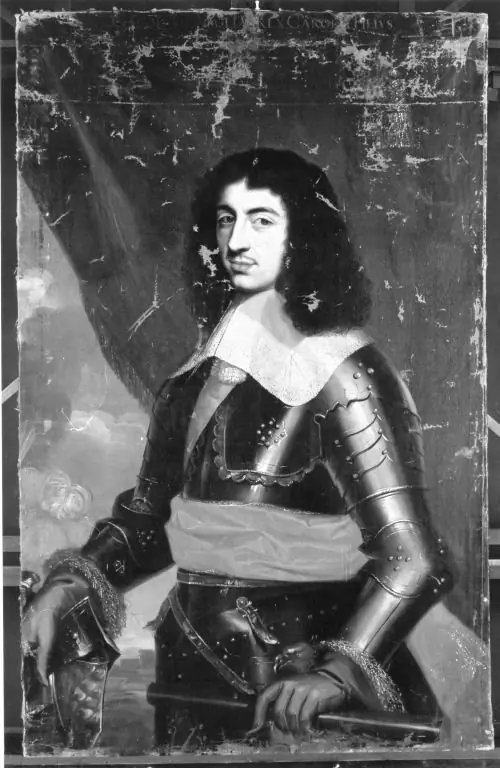 König Karl II. von England (1630-1685) (Kopie nach)
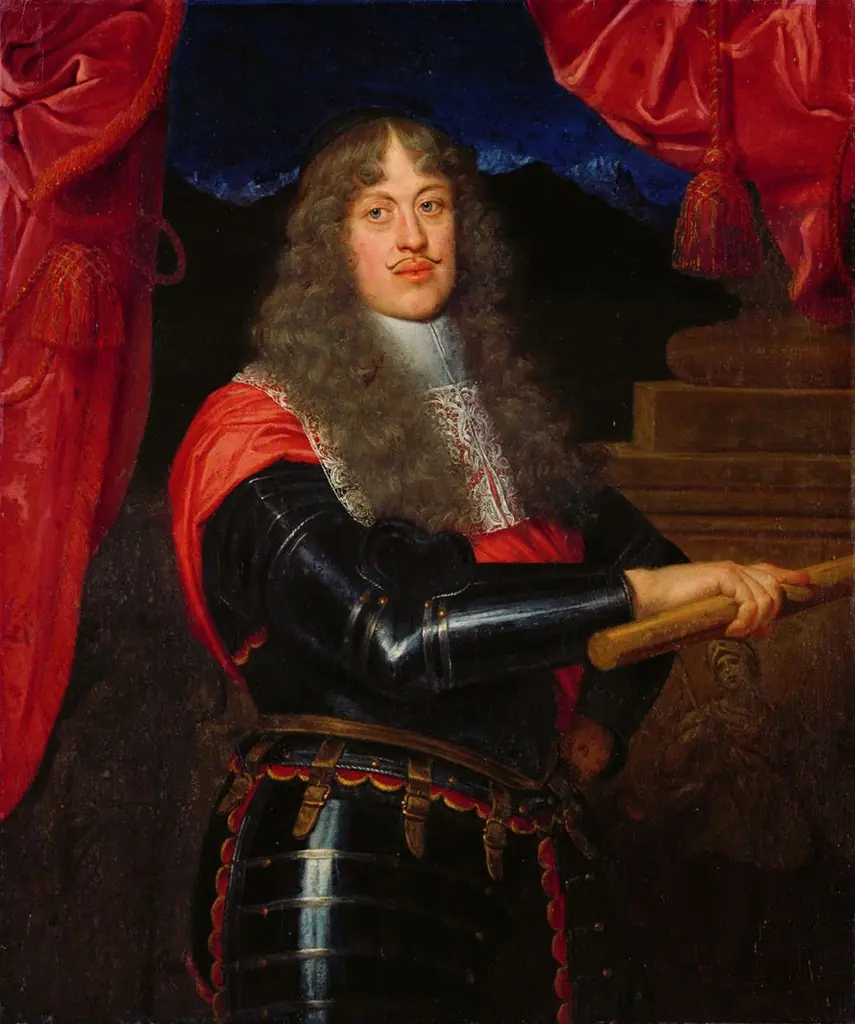 Erzherzog Sigismund Franz (1630-1665) im Harnisch, Kniestück
 Philippe of France, Duke of Orleans
 Louis XIII, King of France
 Portrait of Carl XI