Artwork
Christian III
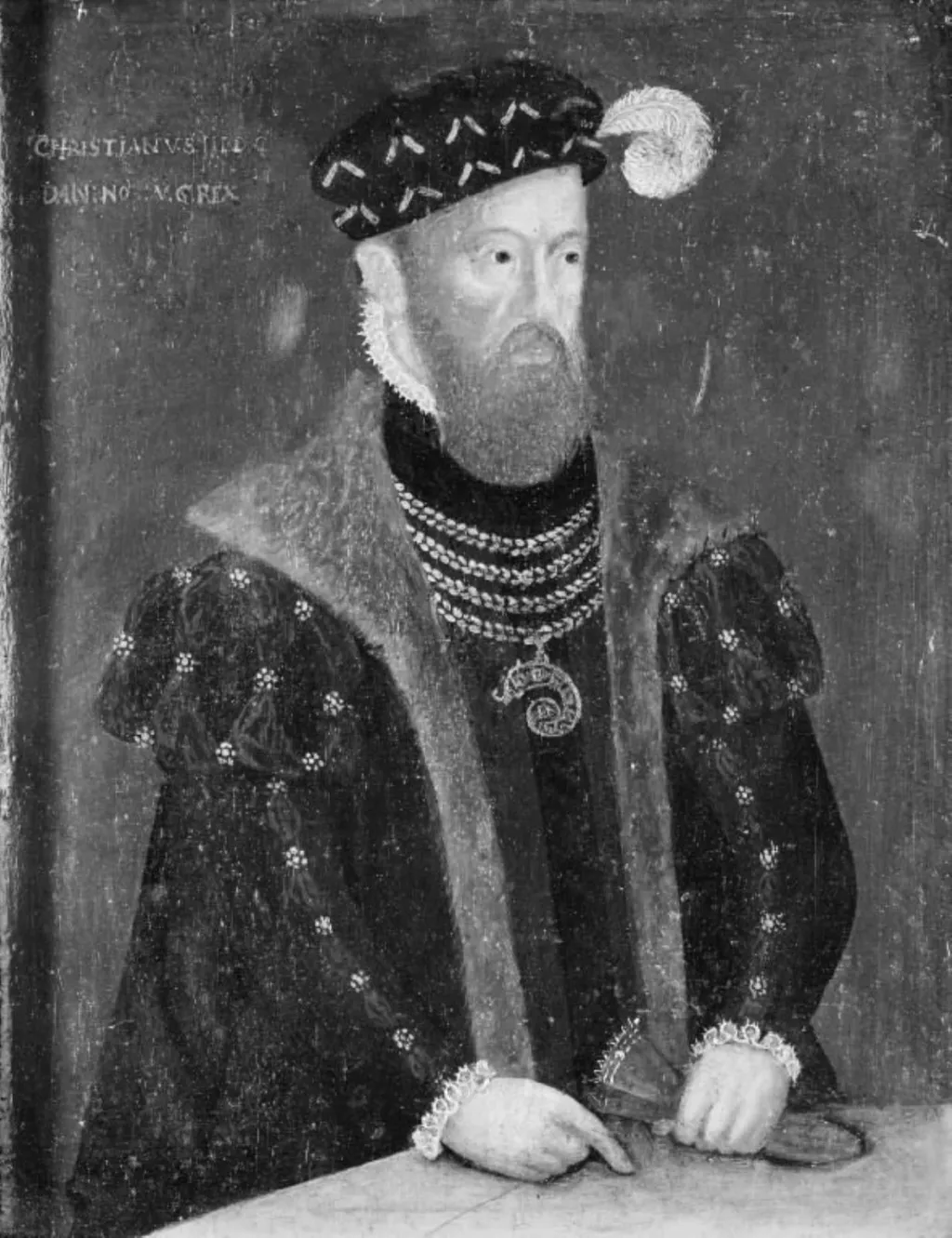
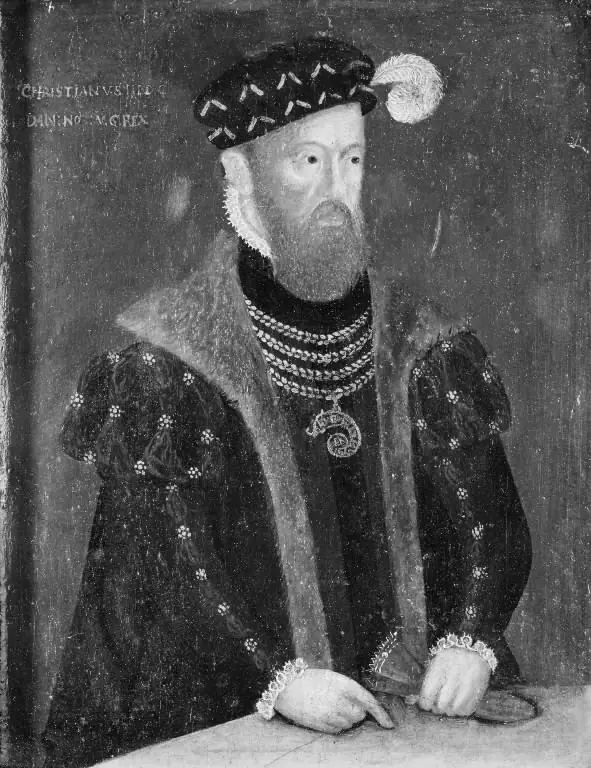
Christian III is a photography by the Romanticist artist Unknown. It dates from 1777 and is held in the collection of the Statens Museum for Kunst. This 1777 portrait, attributed to the artist identified as 37399_person, depicts a seated male figure rendered in monochrome.
About this work
Overview
This 1777 portrait, attributed to the artist identified as 37399_person, depicts a seated male figure rendered in monochrome. The work is housed in the Museum of Ethnography. Executed in a style that mimics early photographic conventions, the image presents a stark contrast between the subject and a dark, undefined background, emphasizing the figure’s presence through selective illumination.
Subject & Meaning
The costume and insignia imply a figure of authority or nobility, though the exact symbolism of these elements is not definitively established.
The portrait is titled *Christian III*, though the identity of the sitter remains unverified. He is shown in elaborate attire, including a tall, feathered hat, a fur-trimmed robe, and a medal suspended from a necklace. A small dog rests near his hand, suggesting status or companionship. The costume and insignia imply a figure of authority or nobility, though the exact symbolism of these elements is not definitively established.
Technique & Style
The artist employs a method akin to chiaroscuro, using dramatic contrasts of light and shadow to model the figure’s features and attire. The monochromatic palette and precise detailing evoke the appearance of an engraved or early photographic portrait rather than a traditional painting. Highlights on the face, hat, and fur trim draw attention to the subject, while the dark background isolates him within the composition.
History & Provenance
Created in 1777, the portrait has been part of the Museum of Ethnography’s collection. Little is documented about its early ownership or the circumstances of its commission. The work’s stylistic resemblance to period engravings or early photographic techniques may indicate an experimental approach to portraiture, though its exact function—whether commemorative, decorative, or otherwise—remains unclear.
Context
The late 18th century saw a rise in portraiture that blended traditional painting with emerging techniques, including printmaking and early photographic experiments. The sitter’s attire reflects contemporary European fashions among the elite, particularly in Northern Europe, where fur-trimmed robes and ceremonial accessories were markers of rank. The inclusion of a dog may align with conventions of portraiture that emphasized personal or symbolic attributes.
Artist & collection

 Domestic Scene
 Giacomo and Cardinal Marco, investing Andrea, Abbot of San Zeno, with his Benefice
 The Nymph of Fontainebleau
 Portrait of a Woman
 Madonna and Child with Saints in the Enclosed Garden
 Venus and Minerva
 Family Group of Four on Sofa
 Wall painting from Room H of the Villa of P. Fannius Synistor at Boscoreale
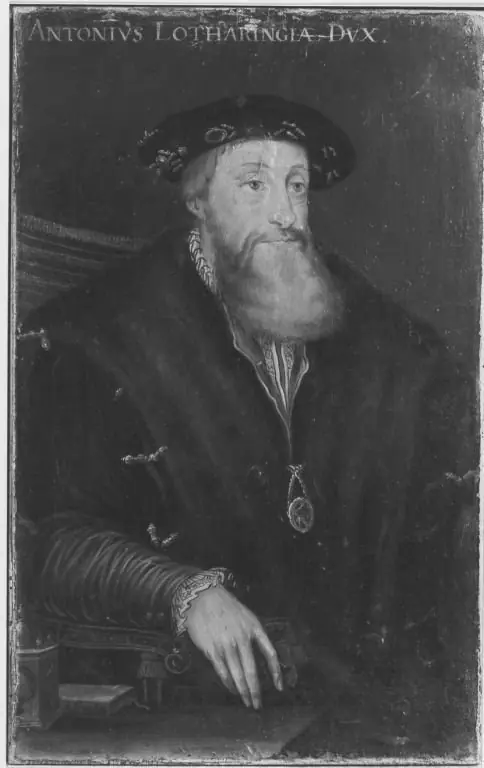 Herzog Anton der Gute von Lothringen (?)
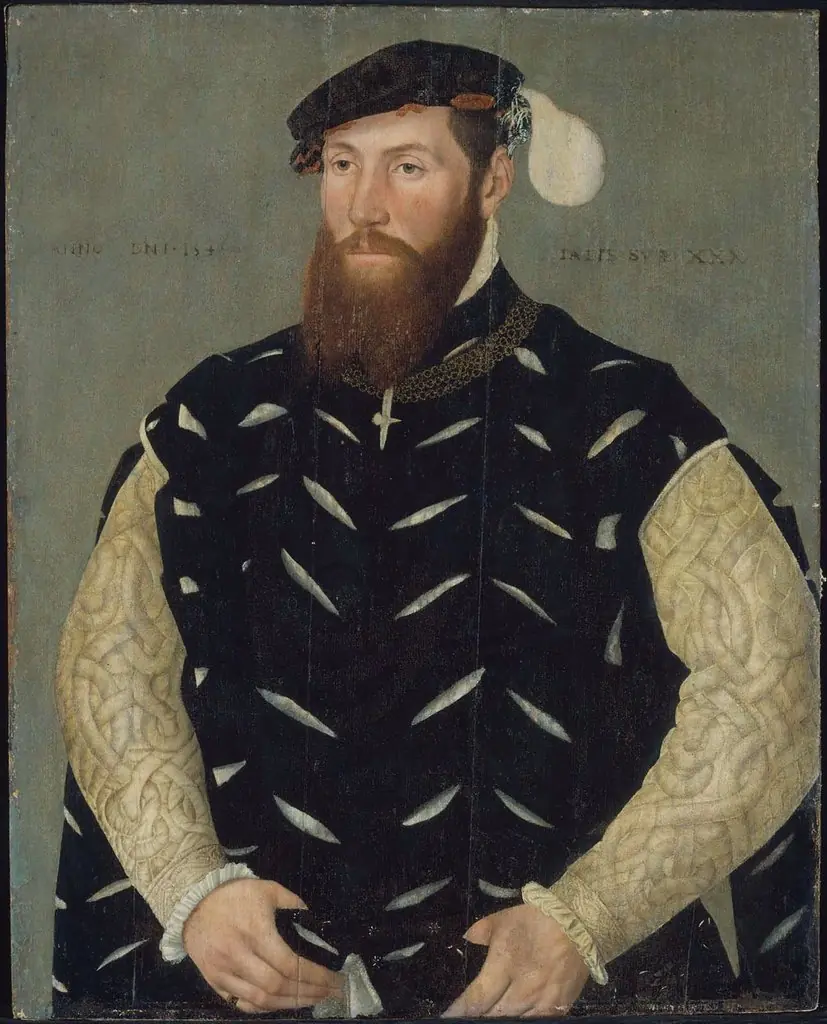 Sir William Butts
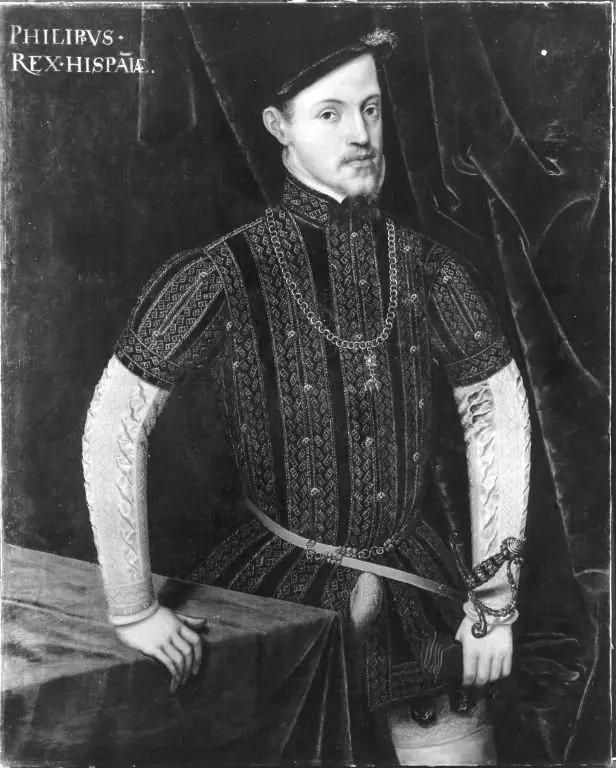 Philipp II of Spain
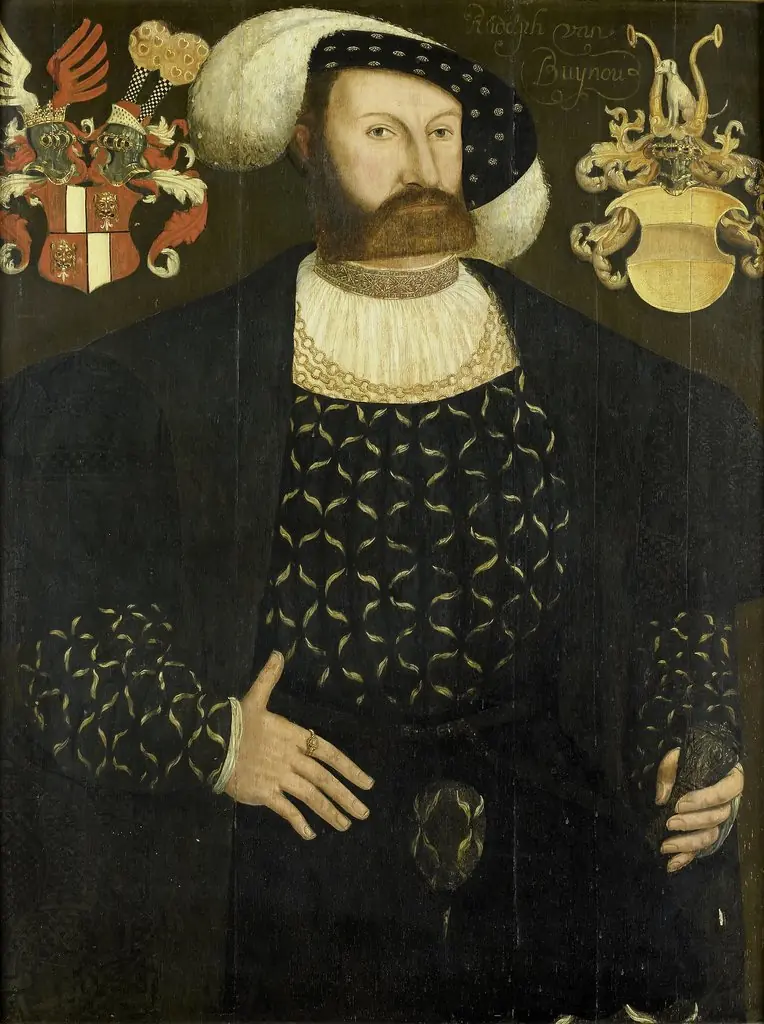 Presumed Posthumous Portrait of Rudolph van Buynou (Bunau), Drossard of Stavoren and Chief Magistrate of Gaasterland
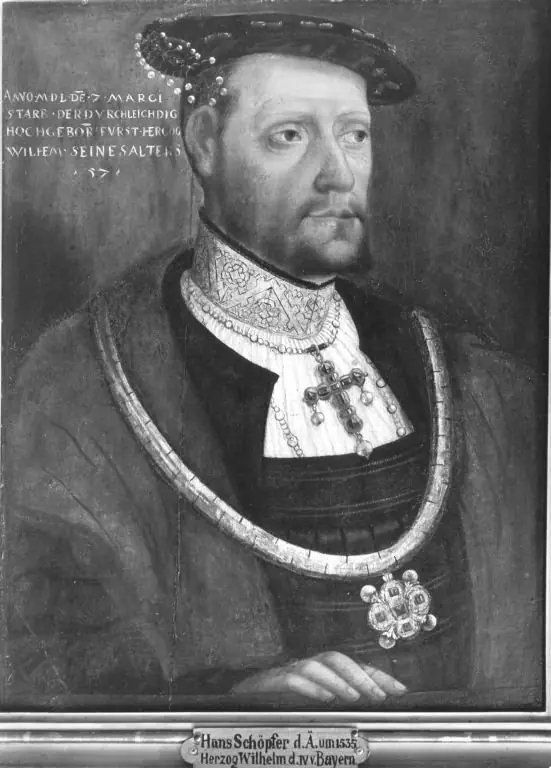 Herzog Wilhelm IV. von Bayern
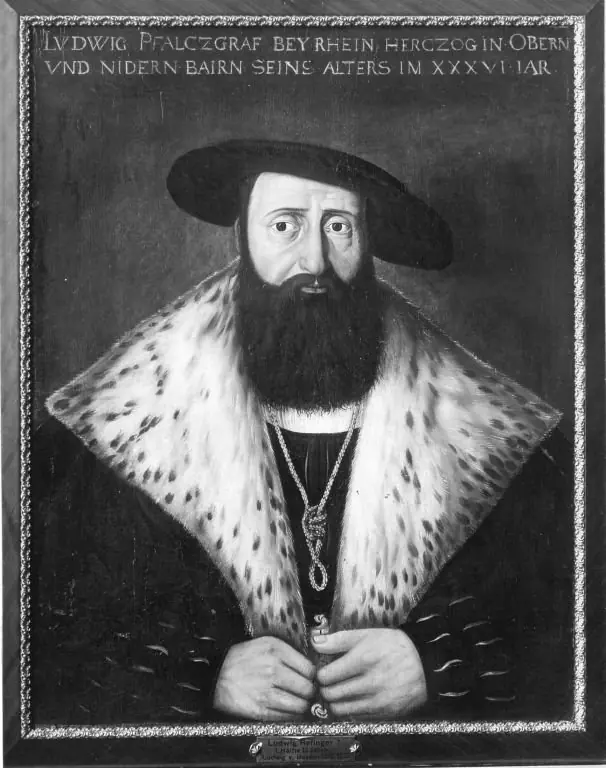 Portrait of Louis X of Bavaria
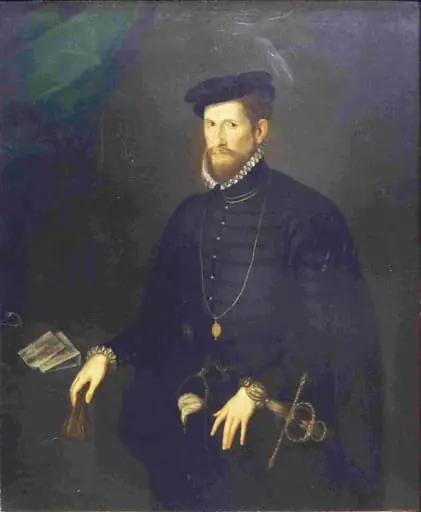 Portretul lui Nicholas Throckmorton
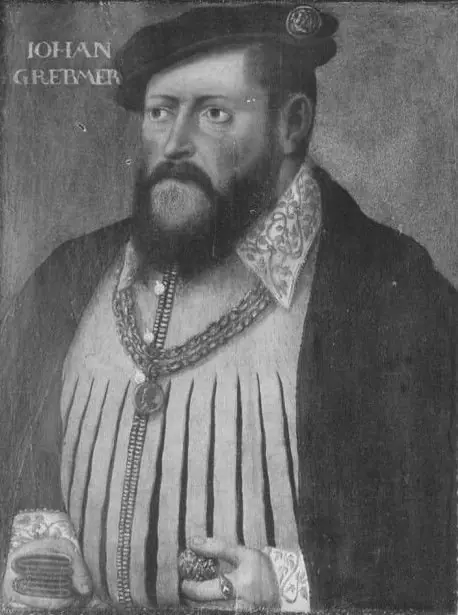 Bildnis des herzoglichen Kammerdieners Johann Grebmer zu Neuenhaus
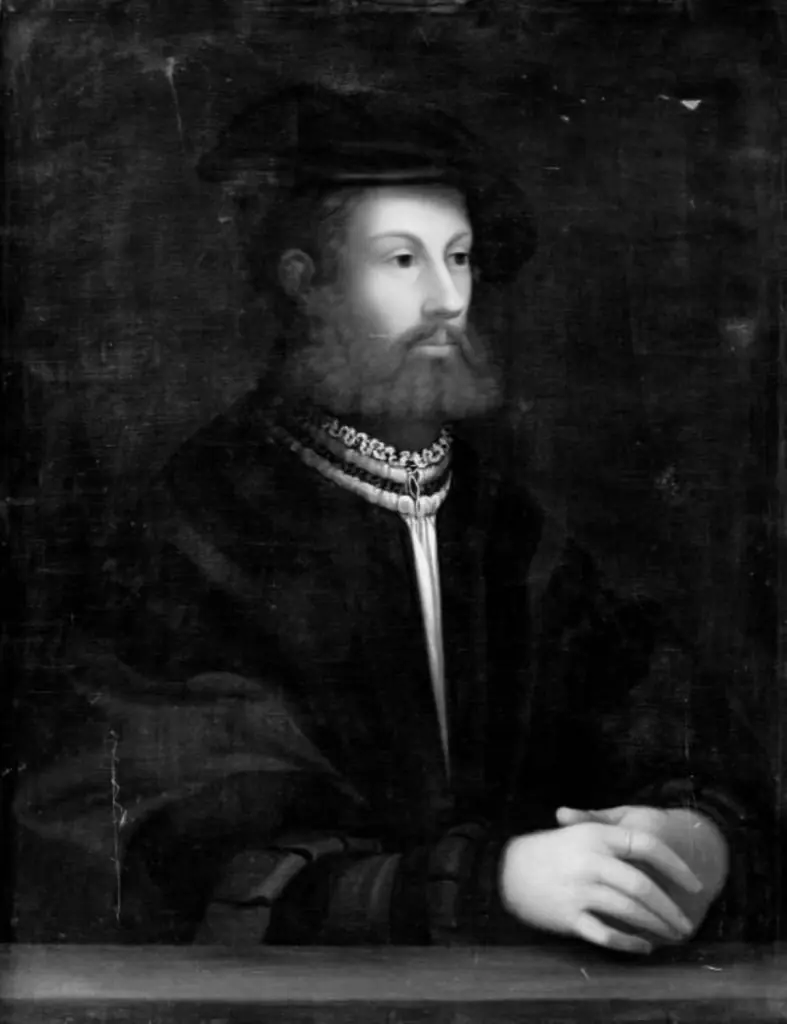 Portræt af Knipperdolling
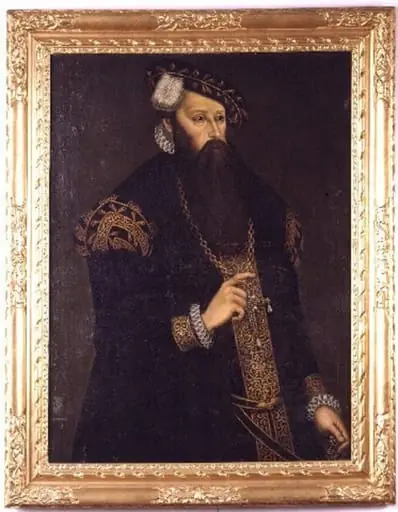 porträtt av Gustav Wasa
 Portræt af Knipperdolling
 Christian III