Artwork
Hollandsk landsby
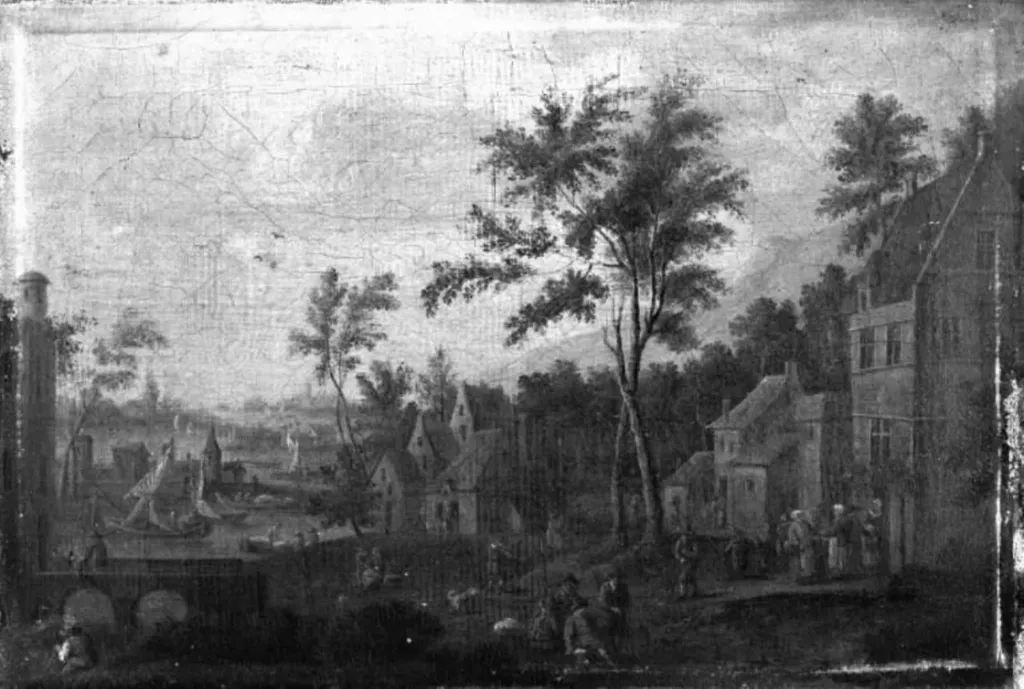
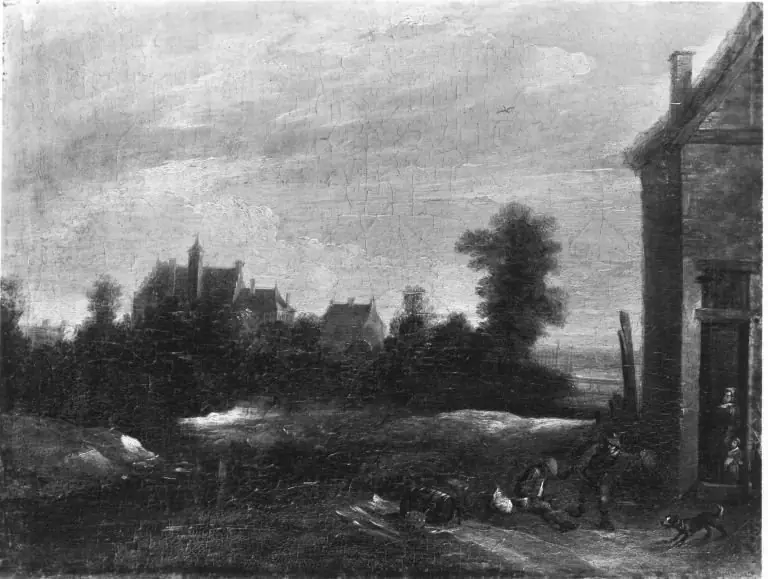
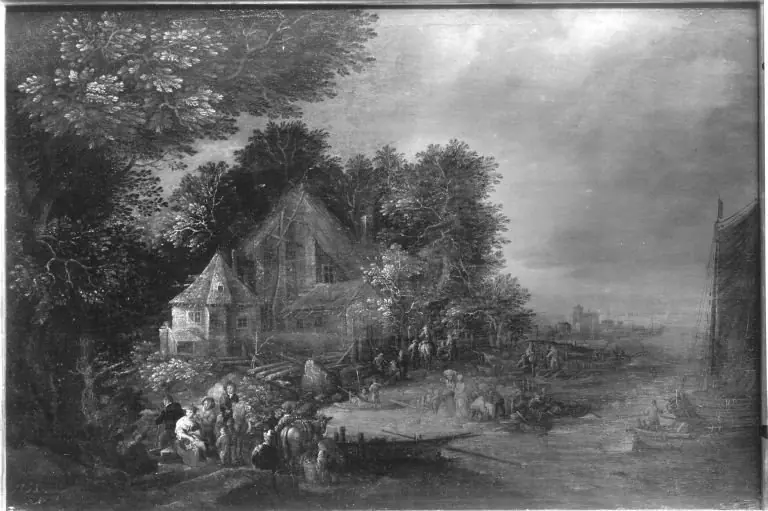
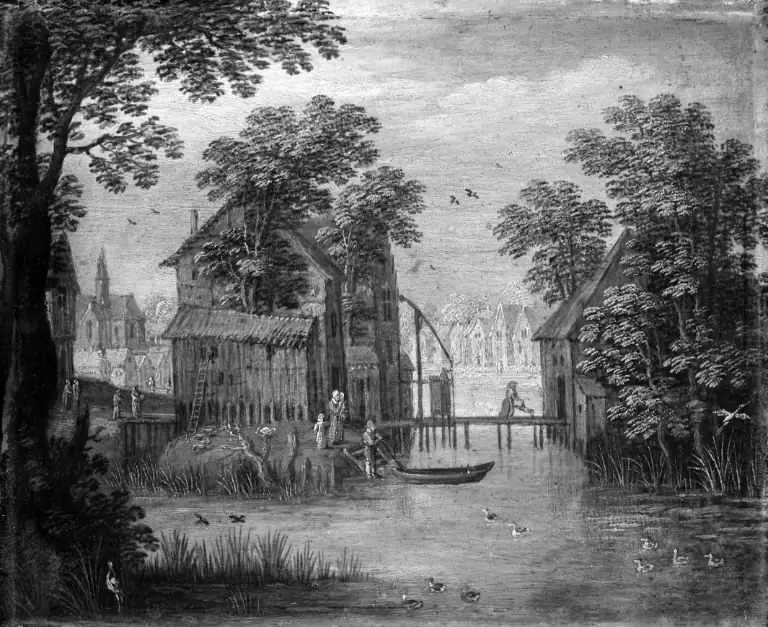
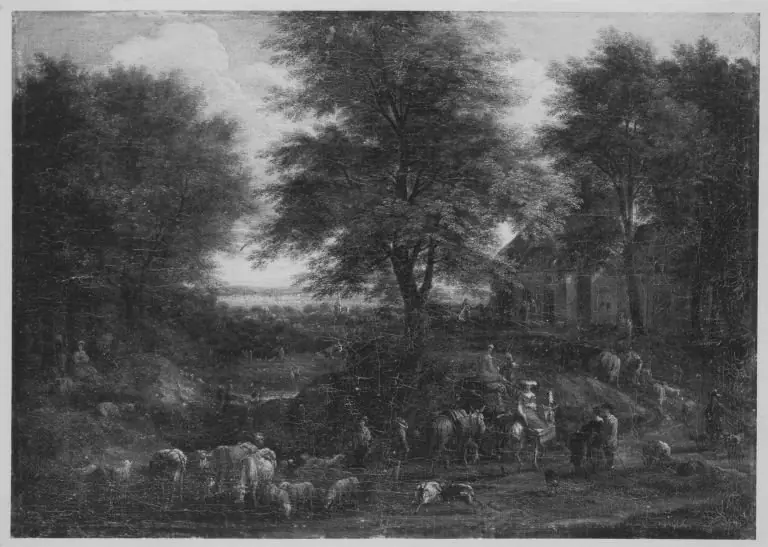
Hollandsk landsby is a photography by the Impressionist artist Unknown. It dates from 1860 and is held in the collection of the Statens Museum for Kunst.
About this work
Overview
It presents a quiet, unembellished view of daily life, with modest dwellings, tethered boats, and scattered figures engaged in routine activities.
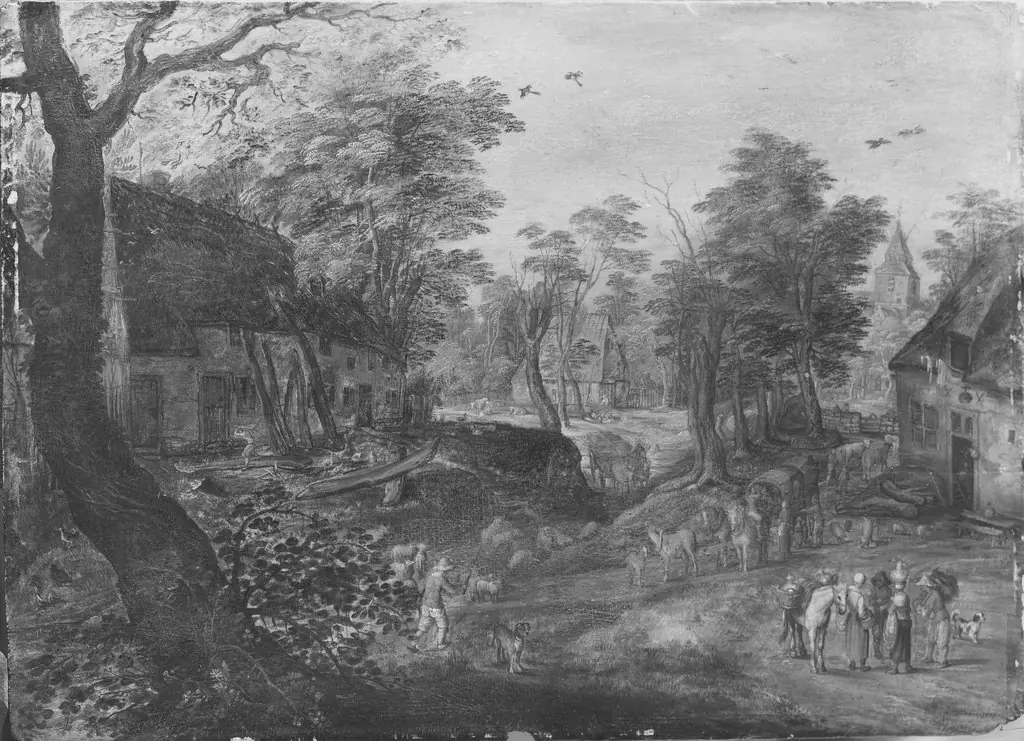
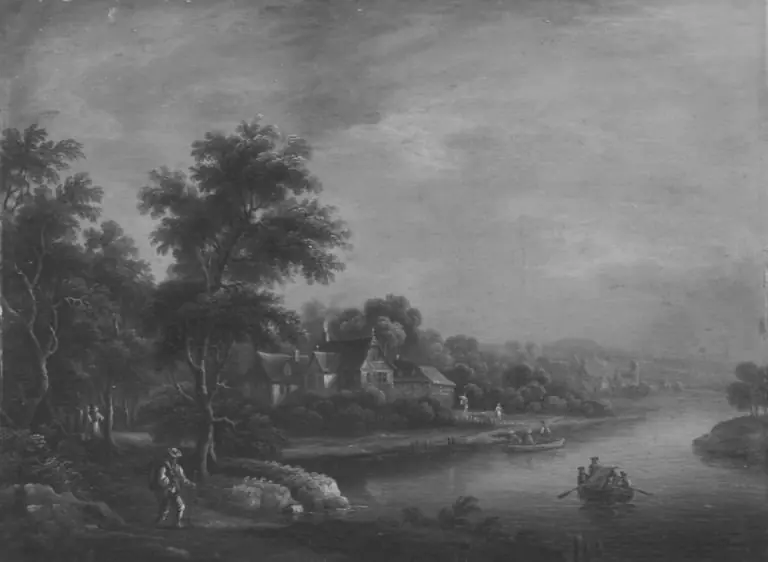
Hollandsk landsby is a black-and-white photographic image from 1860, capturing a rural Dutch village along a riverbank. The photograph is part of the collection at the Museum of Ethnography. It presents a quiet, unembellished view of daily life, with modest dwellings, tethered boats, and scattered figures engaged in routine activities. The composition suggests a deliberate, elevated vantage point, emphasizing spatial depth and stillness.
Subject & Meaning
The scene depicts ordinary village life without theatricality or idealization. Figures are engaged in mundane tasks—walking, tending small plots, or tending to boats—suggesting a focus on the rhythm of daily existence. The absence of dramatic action or symbolic elements reinforces a documentary intent, valuing observation over narrative. The quietude of the image reflects a cultural moment where rural life was being recorded with increasing attention to authenticity.
Technique & Style
The photograph employs soft, even lighting that minimizes contrast and avoids harsh shadows, contributing to a tranquil atmosphere. The composition is balanced, with horizontal lines of rooftops and riverbanks guiding the viewer’s eye. The use of a slightly elevated position provides a broad, panoramic perspective, typical of early documentary photography. Grain and tonal range are consistent with mid-19th-century photographic processes.
History & Provenance
Created in 1860, the image was likely made during a period of growing interest in ethnographic documentation. It entered the collection of the Museum of Ethnography shortly after its creation, possibly as part of a broader effort to record regional lifeways. Its preservation suggests it was valued for its representational clarity rather than artistic innovation, aligning with institutional priorities of the time.
Context
In the mid-19th century, photography began to serve as a tool for ethnographic and geographic record-keeping, especially in Europe. This image aligns with a trend of capturing rural communities before industrialization transformed them. While painting movements like Realism focused on similar subjects, photography offered a different kind of evidentiary authority—one grounded in mechanical reproduction rather than interpretation.
Legacy
Hollandsk landsby remains a quiet example of early documentary photography, valued for its unadorned depiction of rural Dutch life. It contributes to the historical archive of vernacular architecture and social practice in the Netherlands. Though not widely exhibited, it continues to serve as a reference for scholars studying 19th-century visual ethnography and the evolution of photographic representation.
Artist & collection

 Domestic Scene
 Giacomo and Cardinal Marco, investing Andrea, Abbot of San Zeno, with his Benefice
 The Nymph of Fontainebleau
 Portrait of a Woman
 Madonna and Child with Saints in the Enclosed Garden
 Venus and Minerva
 Family Group of Four on Sofa
 Wall painting from Room H of the Villa of P. Fannius Synistor at Boscoreale