Artwork
Mountain Scenery with Waterfall
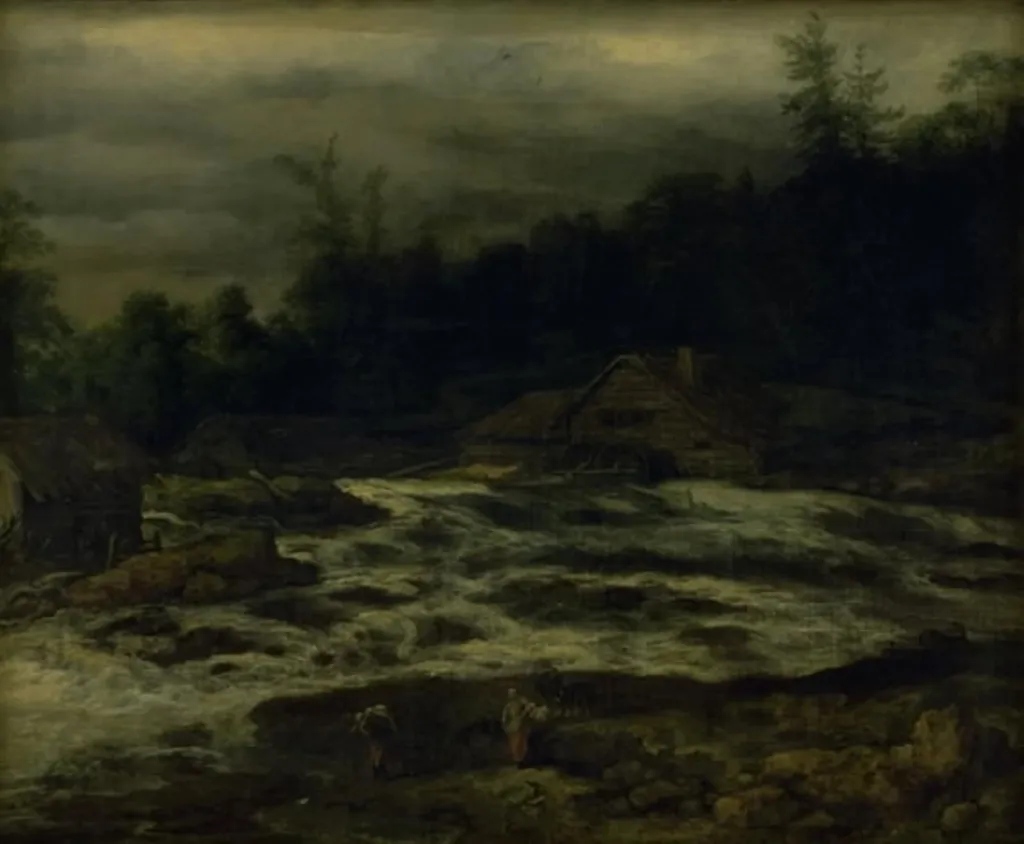
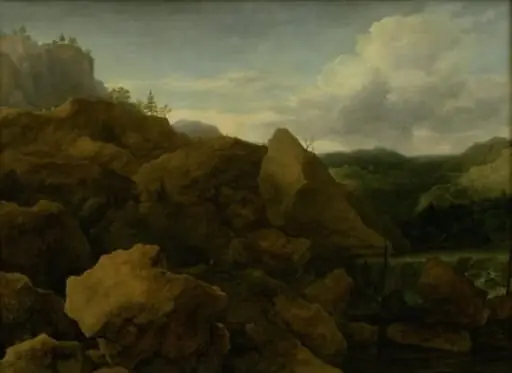
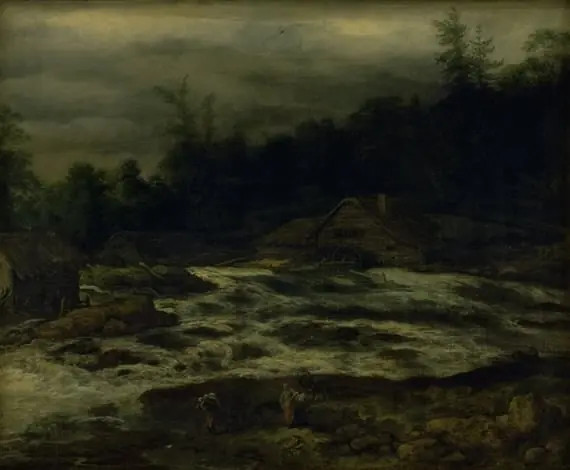
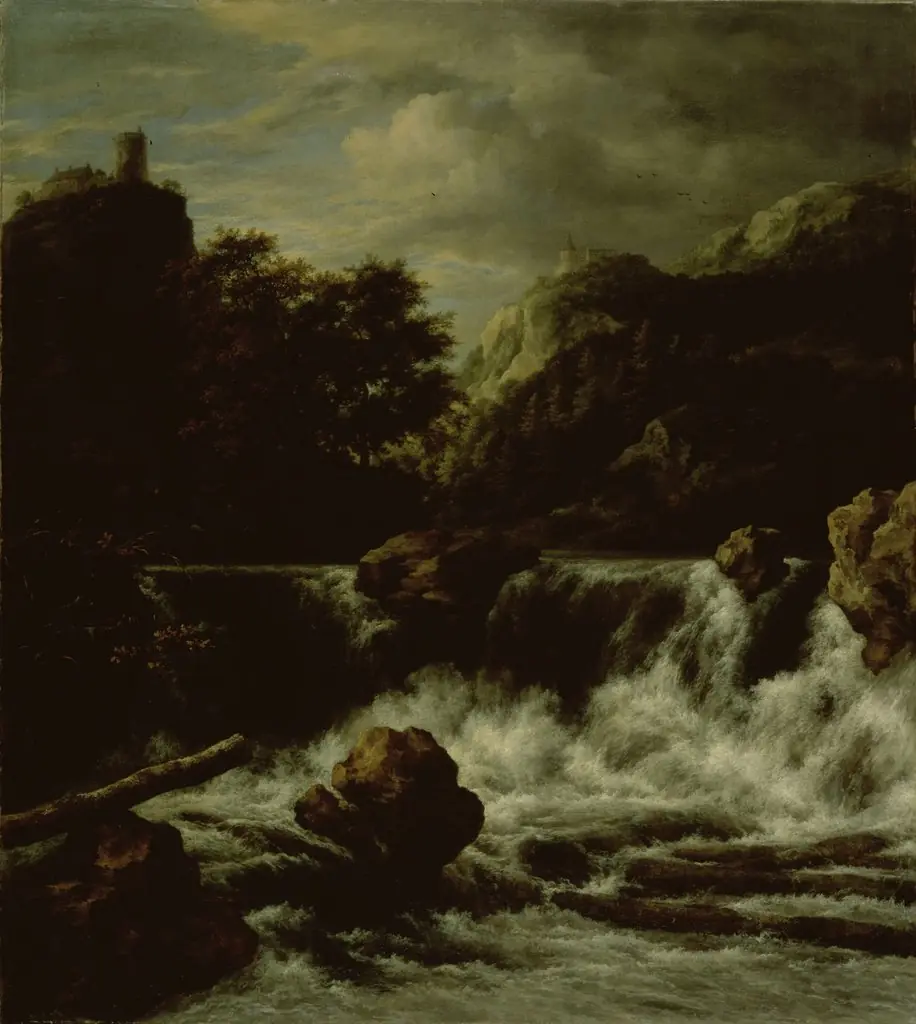
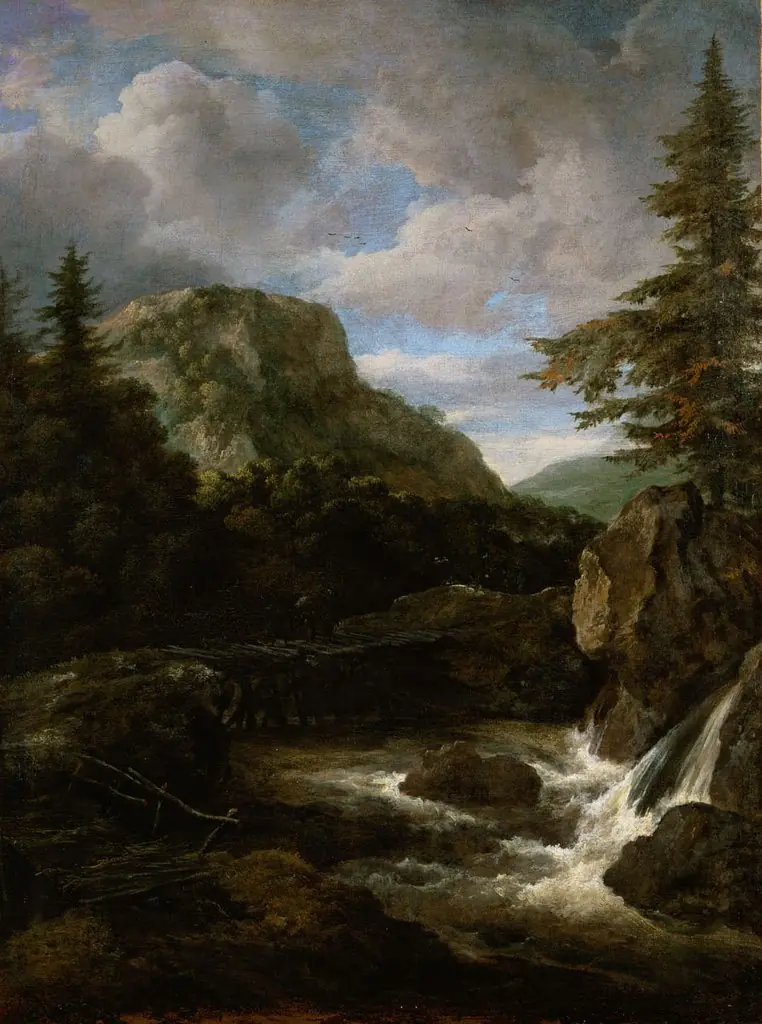
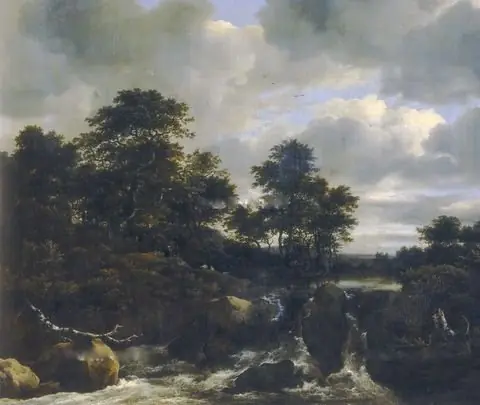
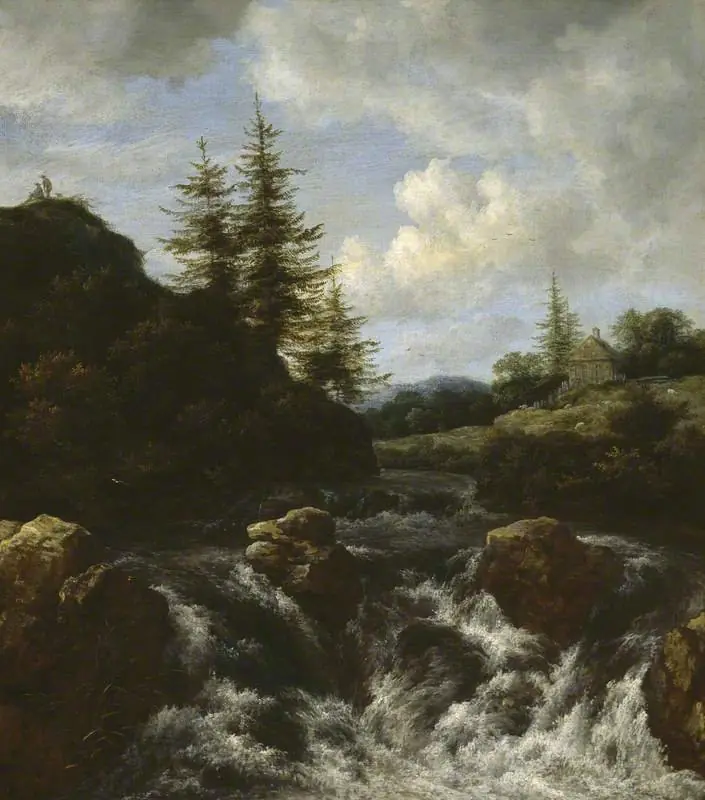
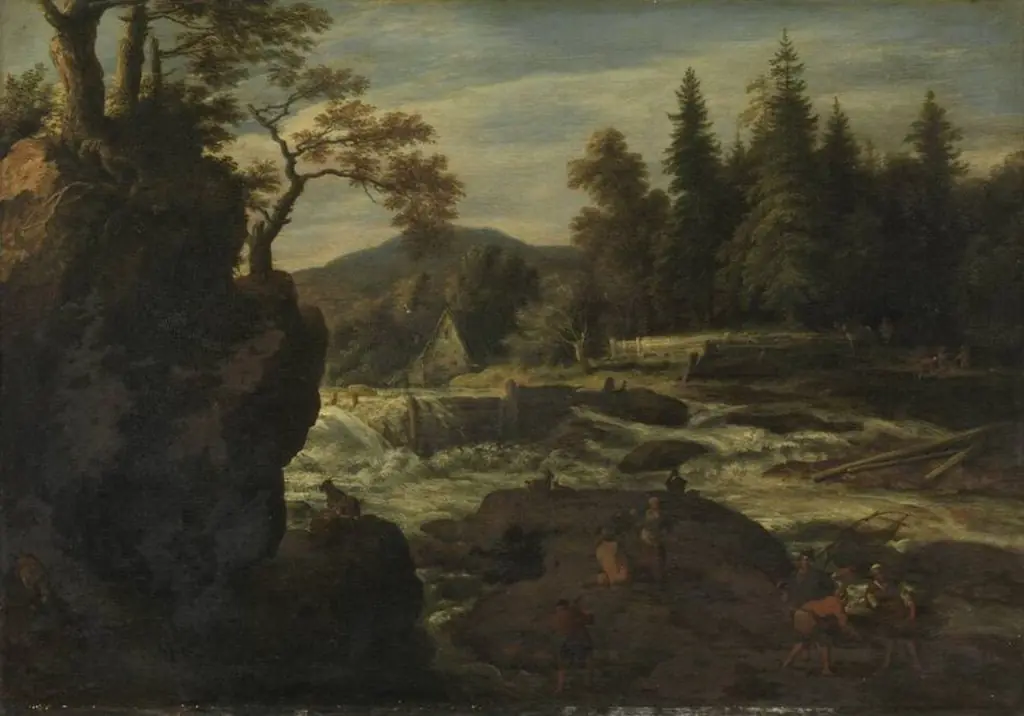
Mountain Scenery with Waterfall is a photography by Unknown. It dates from 1660 and is held in the collection of the Statens Museum for Kunst. Created around 1660, this landscape depicts a secluded mountain scene with a gentle waterfall descending through dense vegetation.
About this work
Overview
Created around 1660, this landscape depicts a secluded mountain scene with a gentle waterfall descending through dense vegetation. The work is held in the collection of the Museum of Ethnography and is rendered in a medium that emphasizes subtle tonal gradations. Its quiet composition avoids dramatic action, instead inviting contemplation through restrained detail and atmospheric cohesion.
Subject & Meaning
The scene presents a natural environment untouched by human presence, focusing on the interplay of water, rock, and moss. The waterfall, though modest in scale, serves as a quiet focal point, suggesting renewal and the passage of time. The absence of figures or structures reinforces a sense of solitude, evoking a meditative relationship between observer and landscape.
Technique & Style
The artist employs soft transitions between light and shadow to model forms without sharp outlines, creating a hazy, immersive effect. Textures of moss and wet stone are rendered with careful brushwork, lending a tactile quality to the surface. The muted palette and diffused lighting reflect an interest in naturalism over idealization, prioritizing sensory atmosphere over narrative.
History & Provenance
The work has been part of the Museum of Ethnography’s collection since at least the early 20th century, though its earlier ownership remains undocumented. Its attribution to the artist 37826_person is based on stylistic comparison with other known works from the period, though no definitive archival records confirm its creation or initial commission.
Context
Produced during a time when landscape imagery in many regions was increasingly valued for its emotional resonance, this piece aligns with broader trends favoring intimate, contemplative nature scenes. Unlike grand European vistas, it reflects a quieter aesthetic, possibly influenced by regional traditions that emphasized harmony with the natural world over dramatic spectacle.
Legacy
Though not widely reproduced or studied in mainstream art history, the work contributes to a lesser-known strand of 17th-century landscape practice focused on texture and mood. Its preservation in an ethnographic museum underscores its role as a cultural artifact of environmental perception, offering insight into how nature was visually interpreted beyond dominant artistic centers.
Artist & collection

 Domestic Scene
 Giacomo and Cardinal Marco, investing Andrea, Abbot of San Zeno, with his Benefice
 The Nymph of Fontainebleau
 Portrait of a Woman
 Madonna and Child with Saints in the Enclosed Garden
 Venus and Minerva
 Family Group of Four on Sofa
 Wall painting from Room H of the Villa of P. Fannius Synistor at Boscoreale