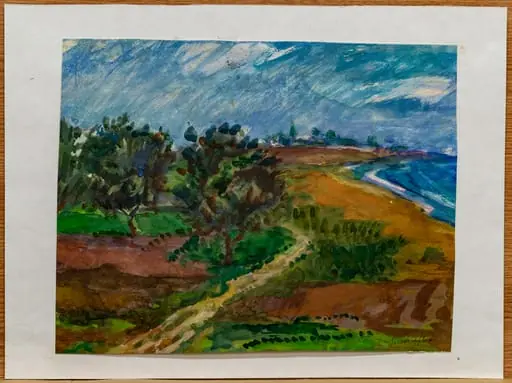
Artwork
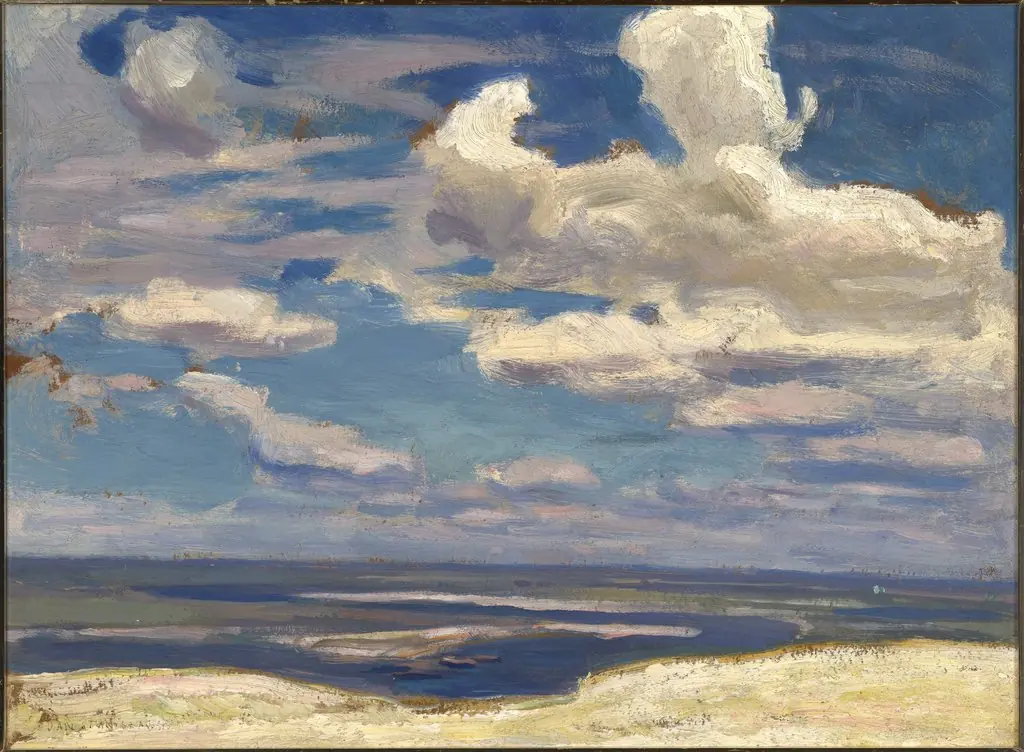
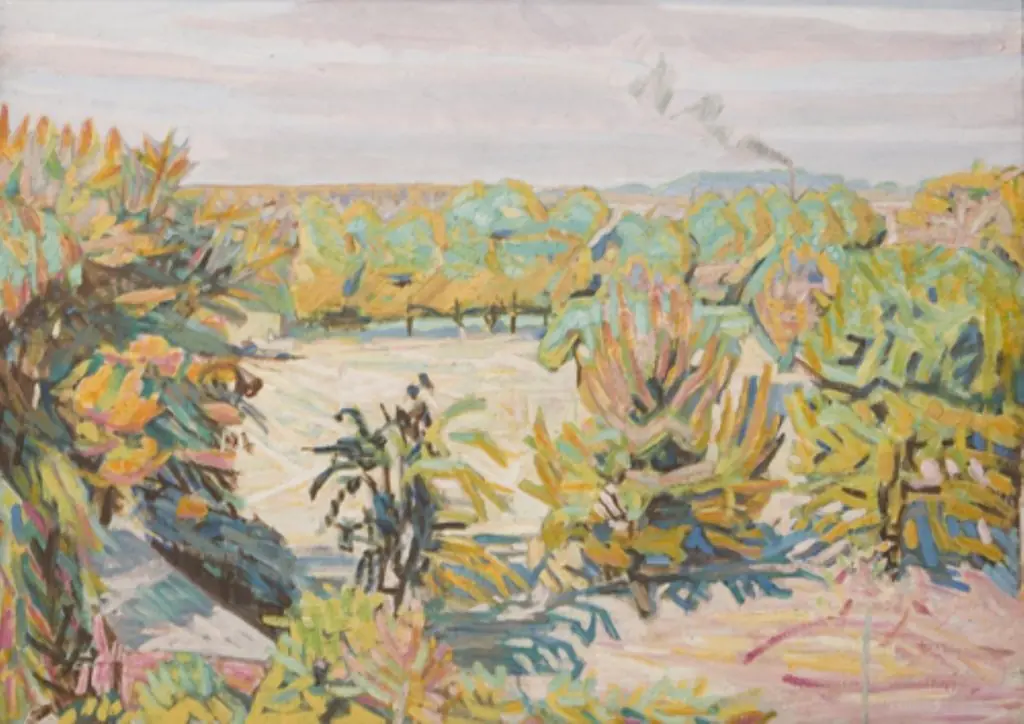
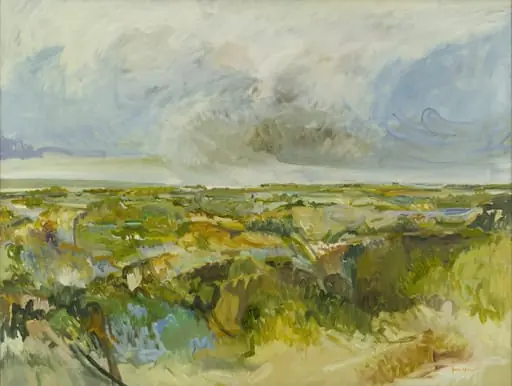
Lake Bagsværd
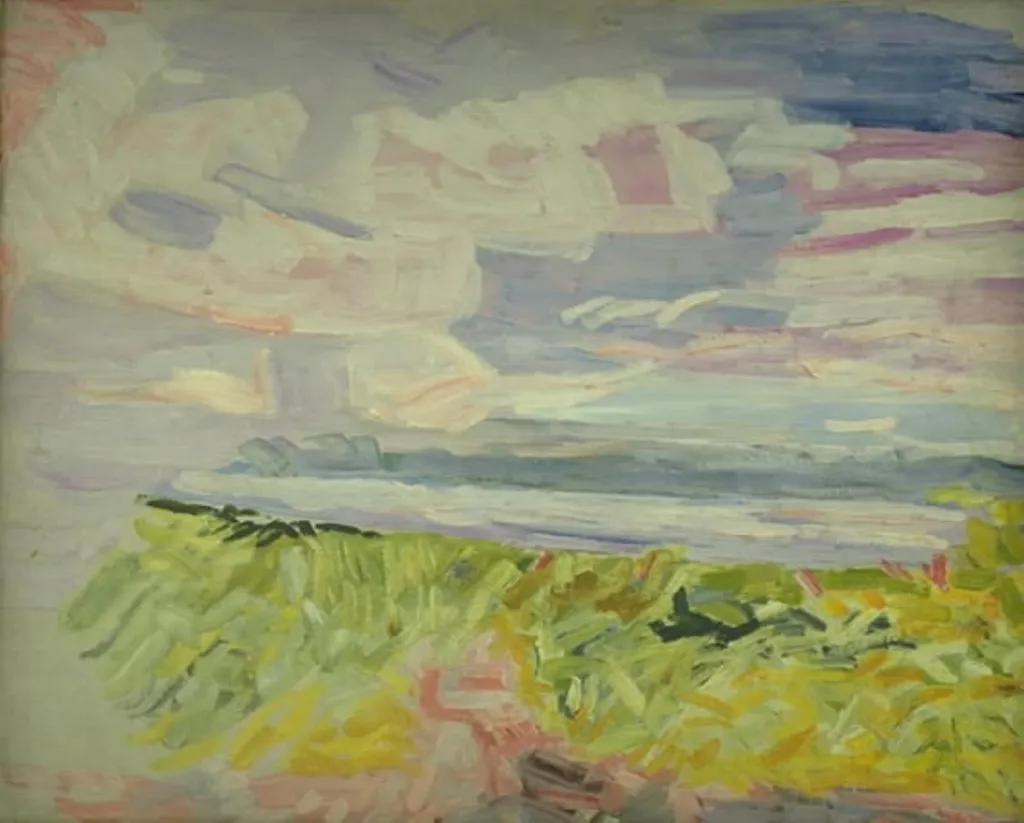
Lake Bagsværd is a photography by Unknown. It dates from 1941 and is held in the collection of the Statens Museum for Kunst.
About this work
Overview
The work is held in the collection of the Museum of Ethnography, though its subject is a natural landscape rather than an ethnographic artifact.
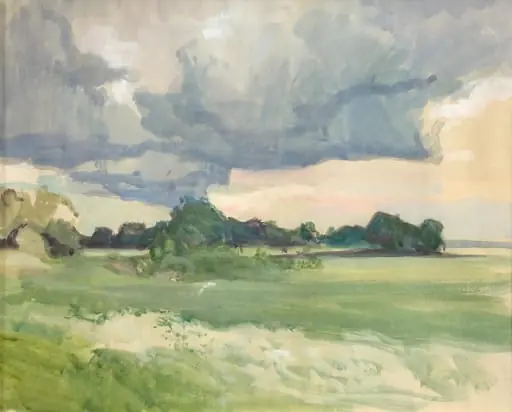
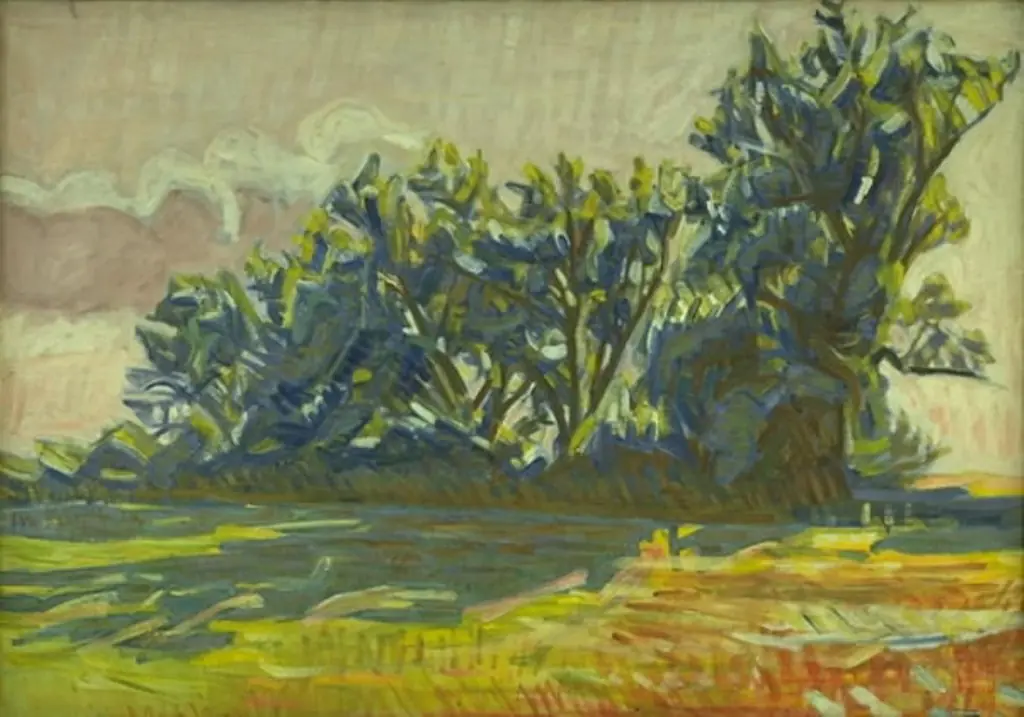
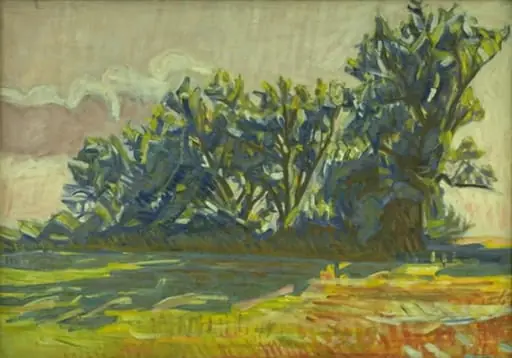
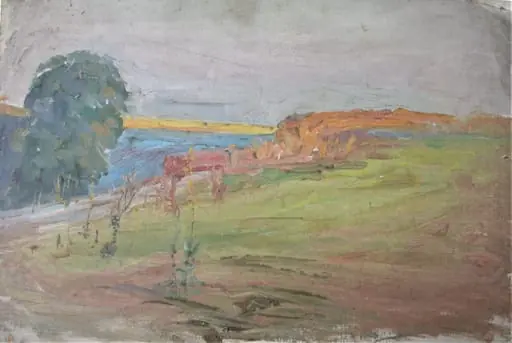
Painted in 1941, Lake Bagsværd captures a tranquil Danish lakeside scene. The work is held in the collection of the Museum of Ethnography, though its subject is a natural landscape rather than an ethnographic artifact. Rendered in oil, the painting conveys stillness through soft transitions of color and a hazy atmospheric effect, distinguishing it from more structured topographical depictions of the era.
Subject & Meaning
The painting depicts Lake Bagsværd, a real body of water near Copenhagen, in a moment of quiet repose. There are no human figures or architectural elements, emphasizing solitude and the subtle rhythms of nature. The calm water and gently swaying grass suggest an intimate, almost meditative observation of the environment, inviting contemplation rather than narrative interpretation.
Technique & Style
The artist employs loose brushwork and layered pigments to create a sense of atmospheric depth. Thick impasto is used selectively in the foreground grass, adding tactile texture that contrasts with the smooth, blended tones of the sky and water. Colors are muted yet warm—ochres, pale greens, and soft blues—blending seamlessly to evoke a dreamlike, luminous haze.
History & Provenance
Created in 1941, the painting entered the Museum of Ethnography’s collection shortly after its completion. Its presence there reflects early 20th-century institutional interest in natural landscapes as cultural expressions, even when not directly tied to human societies. The work has remained in the museum’s care since, with no documented public exhibitions beyond its initial acquisition period.
Context
In the early 1940s, Denmark was under German occupation, and many artists turned to quiet, introspective subjects as a form of quiet resistance. Lake Bagsværd aligns with this trend, avoiding political symbolism in favor of serene naturalism. Its subdued palette and lack of human presence echo broader Scandinavian tendencies toward understated, nature-centered expression during wartime.
Legacy
Though not widely reproduced or studied outside Denmark, Lake Bagsværd remains a representative example of mid-century Danish landscape painting. Its emphasis on atmosphere over detail influenced later generations of local artists seeking to capture emotional resonance through minimalism. The work continues to be referenced in discussions of Danish modernism’s quieter, more contemplative currents.
Artist & collection

 Domestic Scene
 Giacomo and Cardinal Marco, investing Andrea, Abbot of San Zeno, with his Benefice
 The Nymph of Fontainebleau
 Portrait of a Woman
 Madonna and Child with Saints in the Enclosed Garden
 Venus and Minerva
 Family Group of Four on Sofa
 Wall painting from Room H of the Villa of P. Fannius Synistor at Boscoreale