Artwork
Landscape near Sétúbal, Portugal
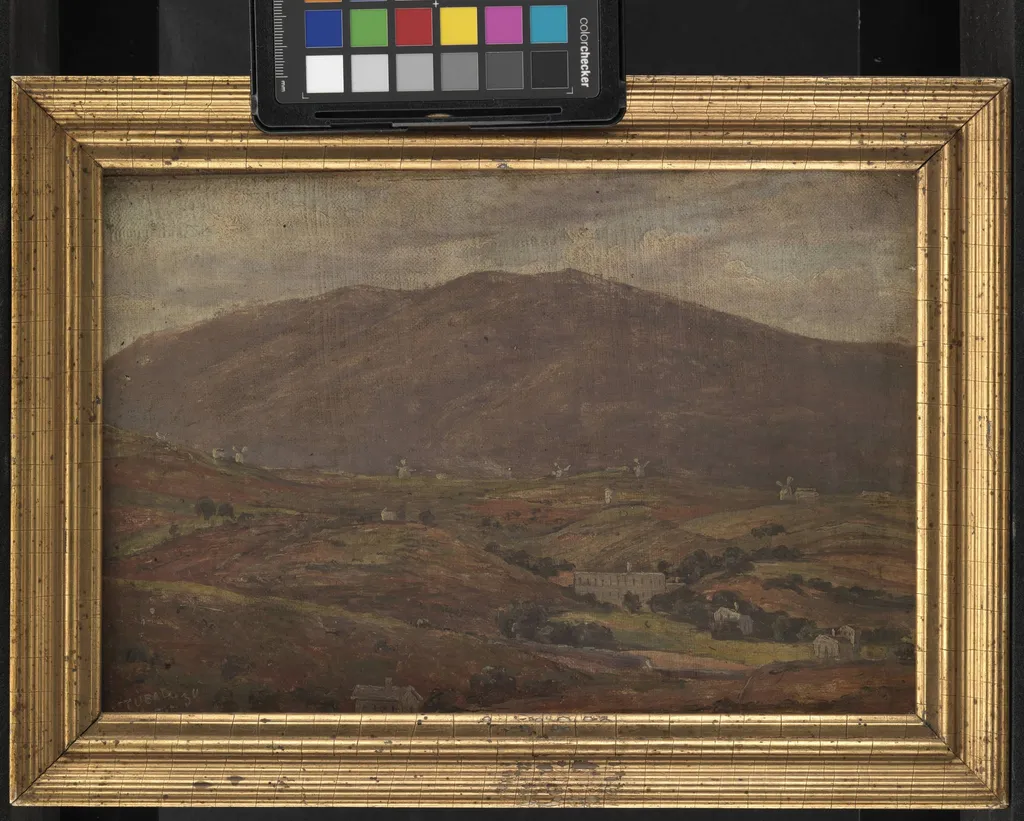
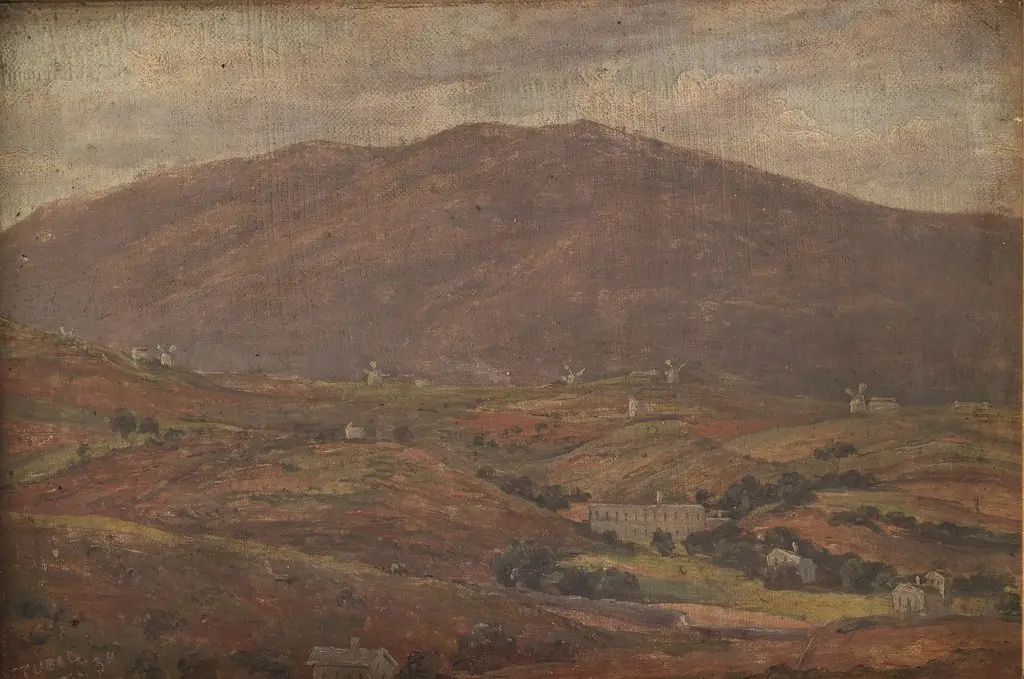
Landscape near Sétúbal, Portugal is an unspecified painting by the Romanticist artist Unknown. It dates from 1839 and is held in the collection of the Statens Museum for Kunst. Created in 1839 by the artist known as 530_person, this work portrays a tranquil rural vista near Setúbal, Portugal.
About this work
Overview
Created in 1839 by the artist known as 530_person, this work portrays a tranquil rural vista near Setúbal, Portugal. The composition is held in the collection of the Museum of Ethnography. A modest stone structure, scattered trees, and grazing sheep occupy the foreground, while gentle hills recede into a muted sky, establishing a serene, atmospheric scene.
Subject & Meaning
The painting captures an everyday pastoral setting, emphasizing the quiet coexistence of human habitation and livestock within a modest landscape. The modest stone building suggests a rural dwelling, while the sheep and patchy grass convey a sense of agricultural routine. The overall tone invites contemplation of the simplicity and continuity of countryside life.
Technique & Style
Soft, blended brushwork defines the surface, allowing earthy browns, muted greens, and pale blues to merge into a slightly hazy atmosphere. The artist employs a restrained palette and delicate transitions to convey distance and calm. The winding path and gentle slope of the hills are rendered with subtle tonal shifts, reinforcing a sense of depth without sharp delineation.
History & Provenance
The canvas entered the Museum of Ethnography’s holdings after its creation, though specific acquisition details remain undocumented. Since its inclusion, the work has been displayed as part of the museum’s representation of 19th‑century Portuguese rural imagery, offering visitors insight into the period’s visual record of everyday life.
Context
Produced during the height of Romanticism, the piece reflects the movement’s interest in nature’s emotive qualities and the idealization of rural landscapes. While it lacks overt dramatic flair, its focus on atmospheric mood and the humble countryside aligns with Romantic artists’ desire to evoke a contemplative, almost nostalgic connection to the land.
Artist & collection

 Domestic Scene
 Giacomo and Cardinal Marco, investing Andrea, Abbot of San Zeno, with his Benefice
 The Nymph of Fontainebleau
 Portrait of a Woman
 Madonna and Child with Saints in the Enclosed Garden
 Venus and Minerva
 Family Group of Four on Sofa
 Wall painting from Room H of the Villa of P. Fannius Synistor at Boscoreale
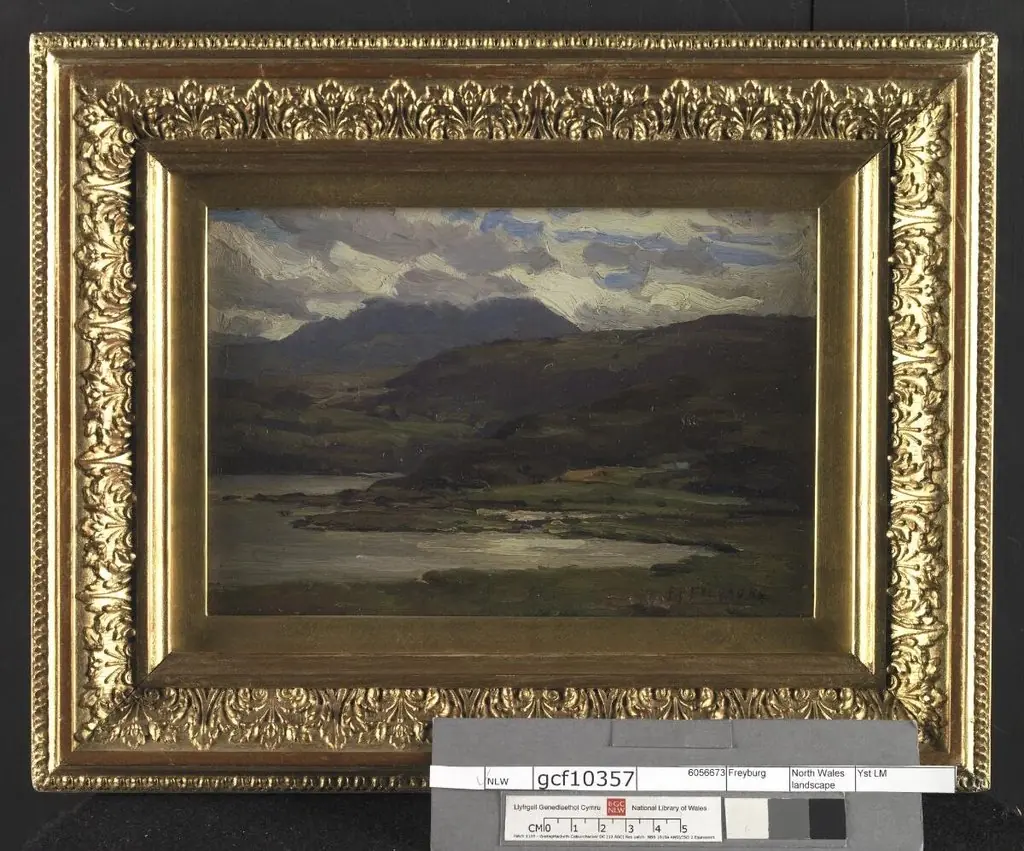 North Wales landscape
 A View towards Castel Gandolfo, Italy
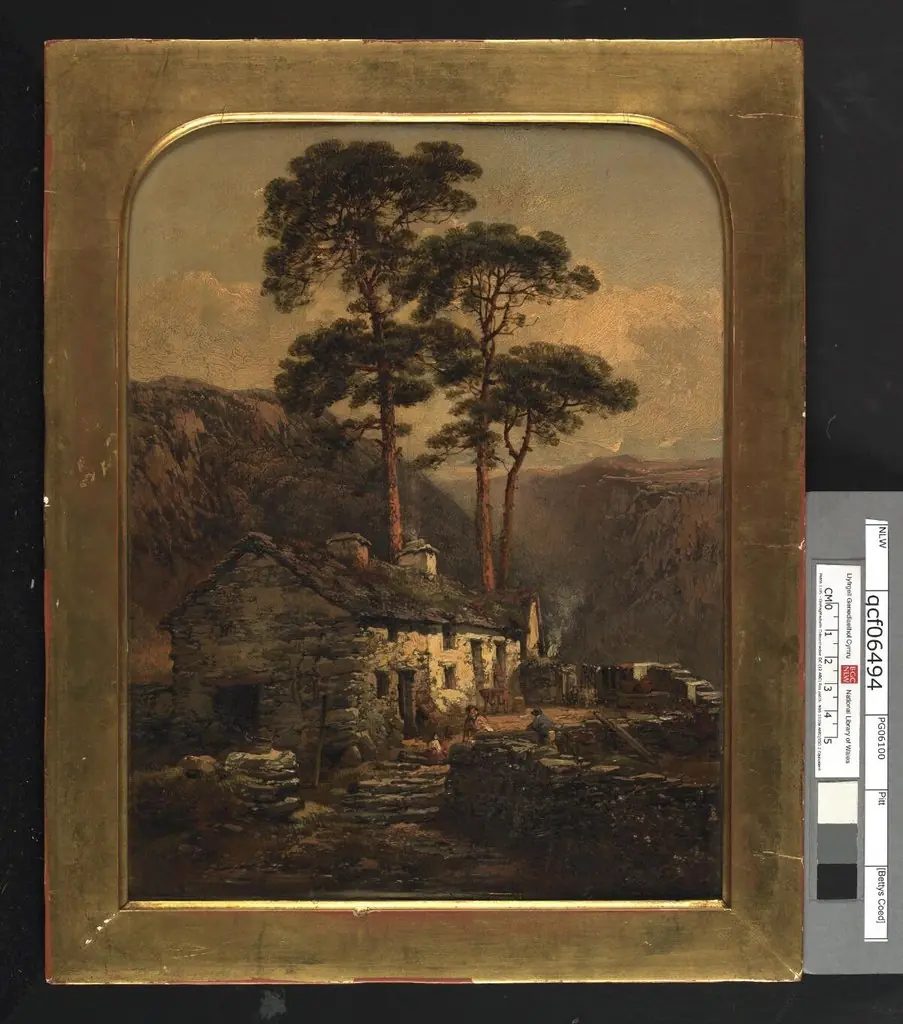 Bettws-y-Coed
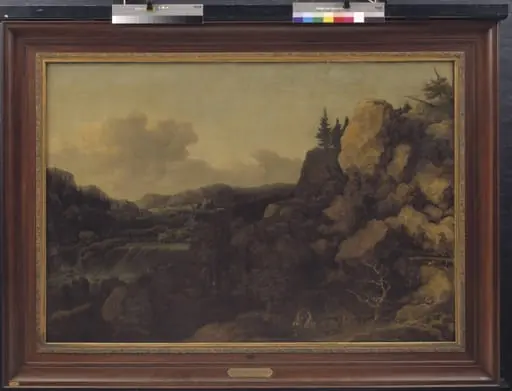 Mountain Landscape with a Couple of Horsemen in the Foreground
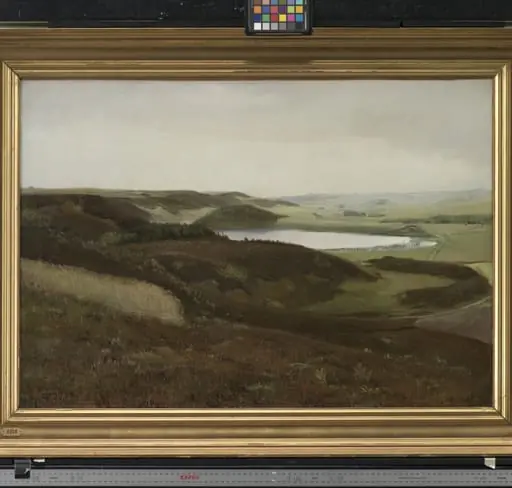 A Landscape near Bryrup, Jutland
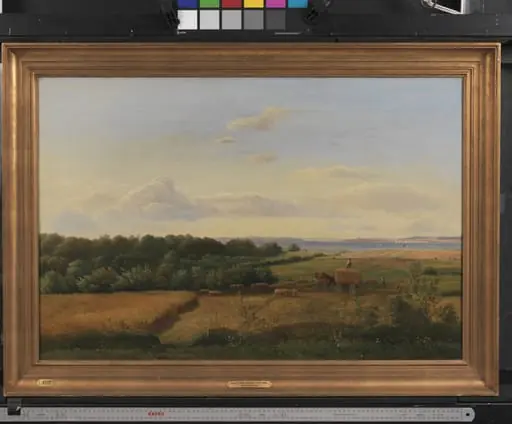 A Funen Landscape at Harvest Time with Wedellsborghoved in the Background
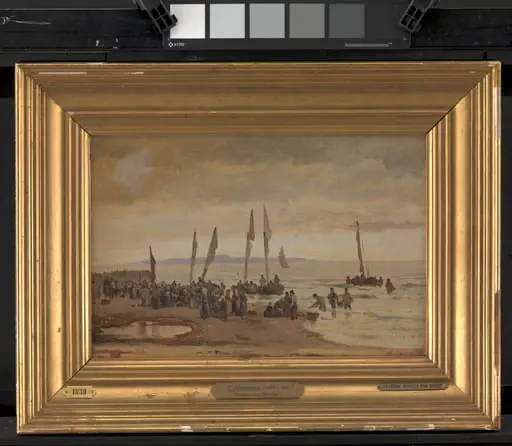 Hjemvendende fiskere modtages på Hornbæk Strand
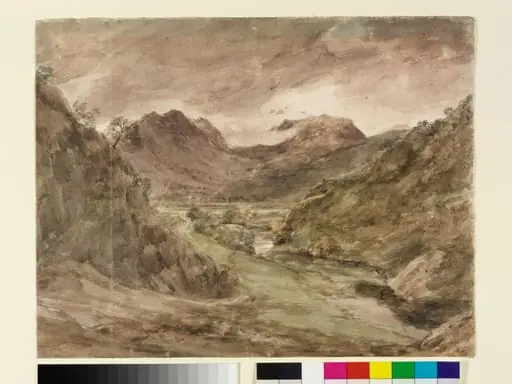 Borrowdale: view towards Glaramara.
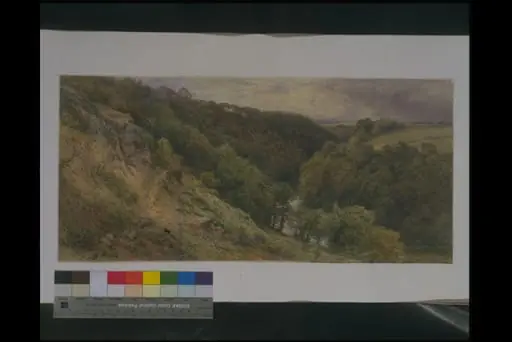 A Dell in Devonshire
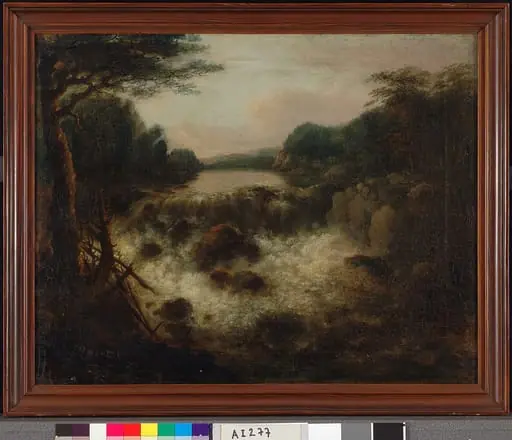 Vesiputous Värmlannissa
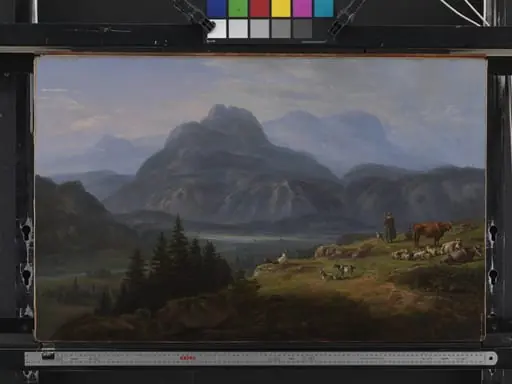 The Etsch Valley near Roveredo
 Landscape near Sétúbal, Portugal