Artwork
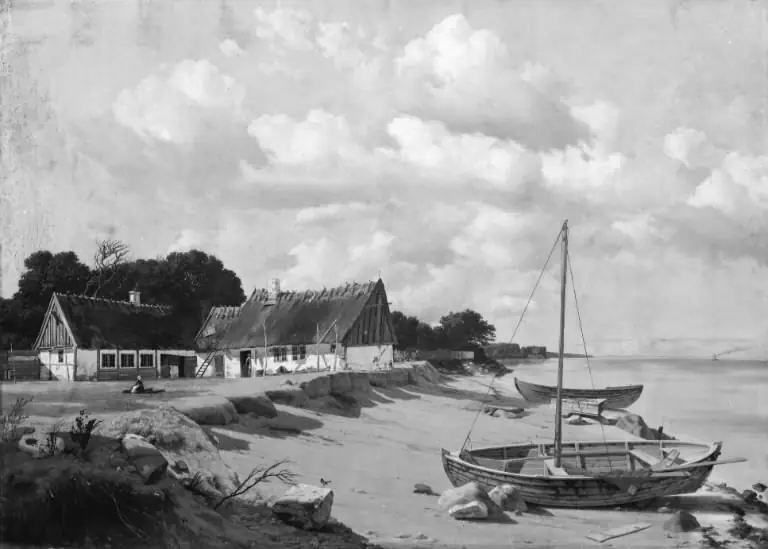
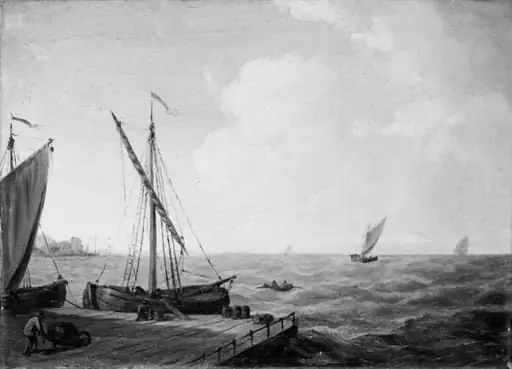
Kystparti ved Tårbæk. Eftermiddag
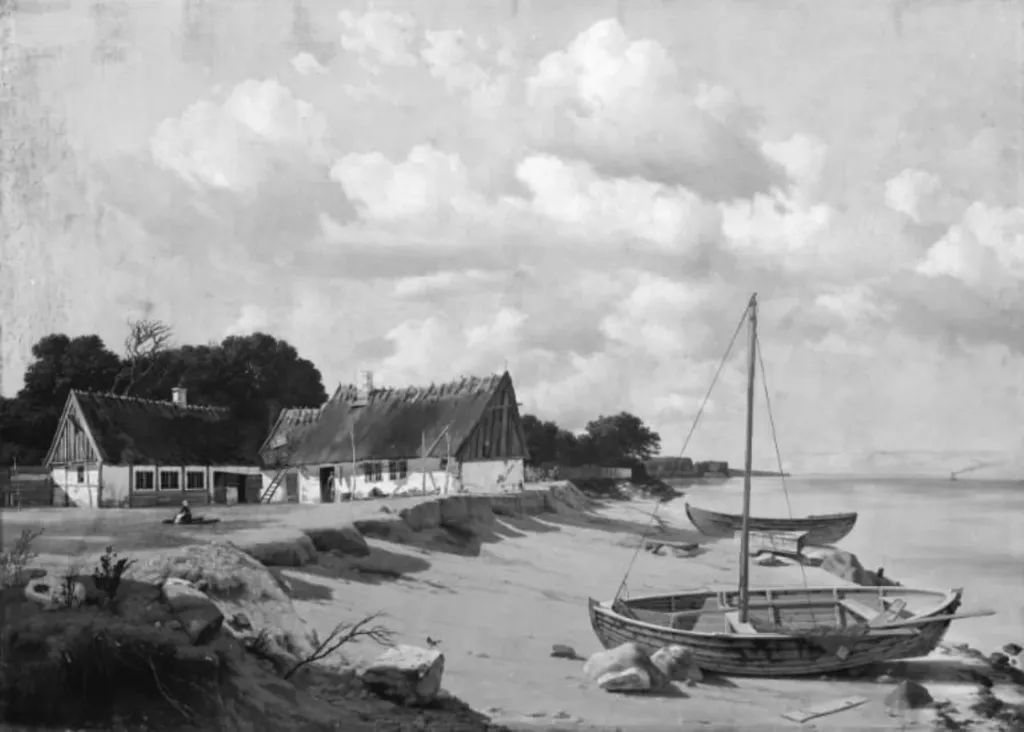
Kystparti ved Tårbæk. Eftermiddag is a photography by the Romanticist artist Unknown. It dates from 1835 and is held in the collection of the Statens Museum for Kunst. Created in 1835, this black-and-white image depicts a quiet coastal scene near Tårbæk.
About this work
Overview
The composition centers on a solitary figure seated on the shore, surrounded by modest wooden dwellings, two beached boats, and a vast, cloud-filled sky.
Created in 1835, this black-and-white image depicts a quiet coastal scene near Tårbæk. The composition centers on a solitary figure seated on the shore, surrounded by modest wooden dwellings, two beached boats, and a vast, cloud-filled sky. The absence of color and the restrained tonal range emphasize stillness and solitude, aligning with 19th-century tendencies to capture nature’s quiet moments with emotional restraint.
Subject & Meaning
The scene presents a humble coastal village at rest, with no signs of labor or movement. The lone figure on the beach suggests contemplation, reinforcing a theme of human solitude within nature. The stillness of the boats and the gentle sweep of the horizon convey a sense of time suspended, inviting reflection rather than narrative. This quietude reflects a broader cultural interest in nature as a space for inner experience.
Technique & Style
The artist employs subtle gradations of gray to model form, giving solidity to the wooden structures and vessels against the luminous sky. Light falls diagonally across the sand and rocks, creating a sense of spatial depth without sharp outlines. The soft rendering of clouds and the lack of detail in the distance enhance the atmosphere of calm, using tonal contrast rather than line to define structure and mood.
History & Provenance
The work is held in the collection of the Museum of Ethnography, suggesting its initial reception may have been tied to ethnographic or regional documentation rather than fine art. Its date places it within a period when Danish artists increasingly turned to local landscapes, capturing everyday coastal life with a focus on authenticity over idealization. The medium’s simplicity implies it may have been a study or sketch.
Context
In the 1830s, Danish art was shifting toward intimate, realist depictions of rural and coastal life, influenced by Romantic ideals that valued emotional resonance over grandeur. This image aligns with that trend, avoiding dramatic action in favor of quiet observation. The emphasis on natural light and unembellished settings reflects a broader Northern European movement to find meaning in ordinary, unheroic landscapes.
Legacy
Though not widely exhibited outside institutional collections, the work contributes to a body of Danish coastal studies that helped define a national visual identity in the 19th century. Its restrained aesthetic influenced later generations of artists who sought to portray nature not as sublime, but as quietly enduring. The image remains a quiet example of how everyday scenes could carry emotional weight through simplicity.
Artist & collection

 Domestic Scene
 Giacomo and Cardinal Marco, investing Andrea, Abbot of San Zeno, with his Benefice
 The Nymph of Fontainebleau
 Portrait of a Woman
 Madonna and Child with Saints in the Enclosed Garden
 Venus and Minerva
 Family Group of Four on Sofa
 Wall painting from Room H of the Villa of P. Fannius Synistor at Boscoreale
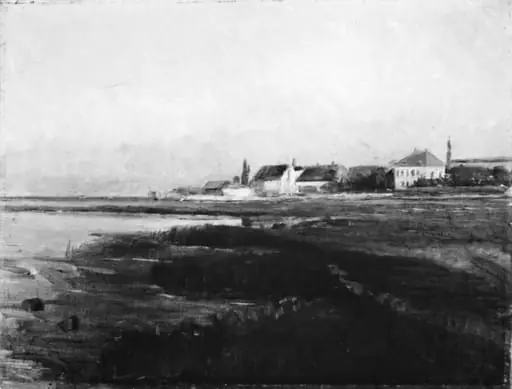 Kastrup Værk. Aftensol
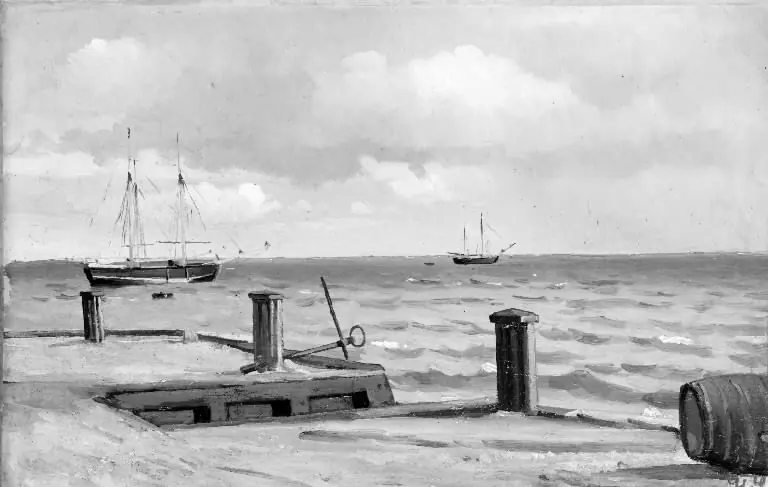 View of the Sea from a Pier
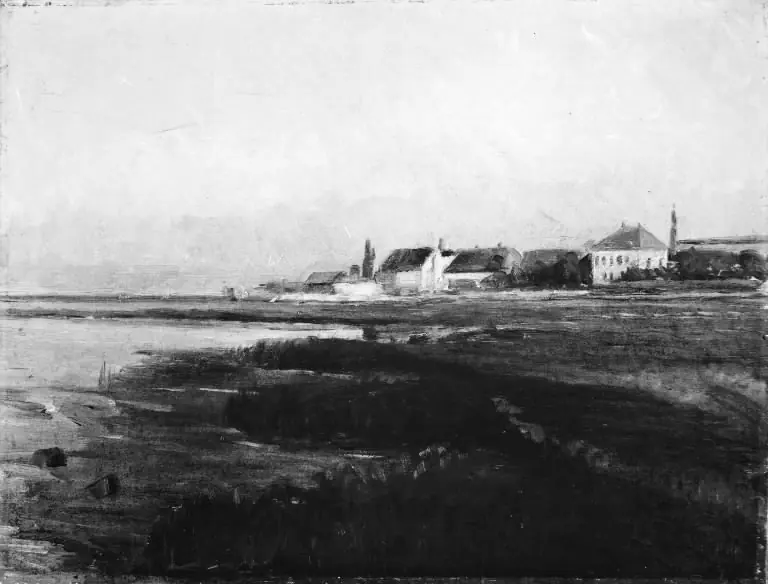 Kastrup Værk. Aftensol
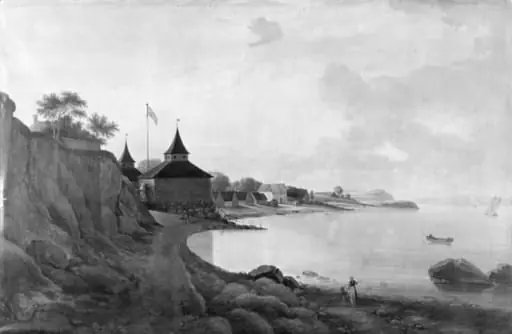 Landskab ved en bugt. Parti fra "Alexandria" ved Vedbæk
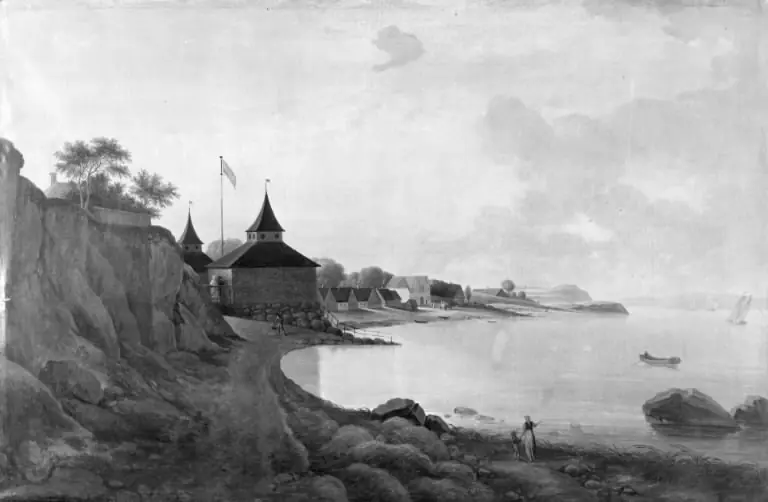 Landskab ved en bugt. Parti fra "Alexandria" ved Vedbæk
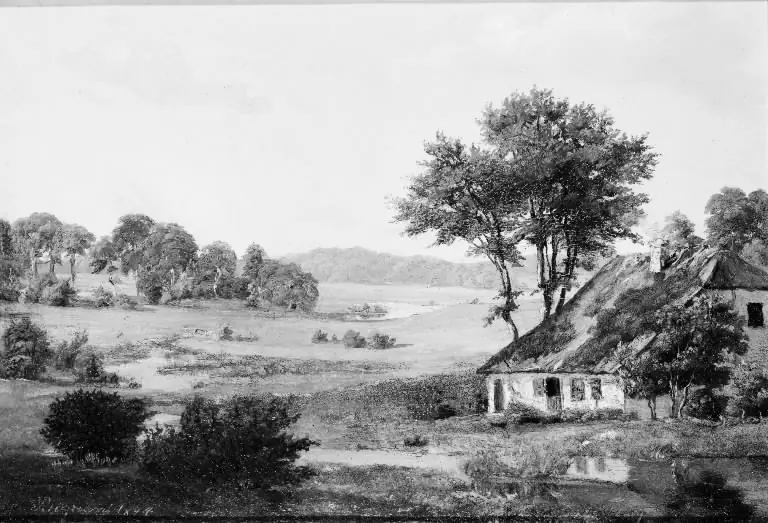 Landskab ved Rugaard
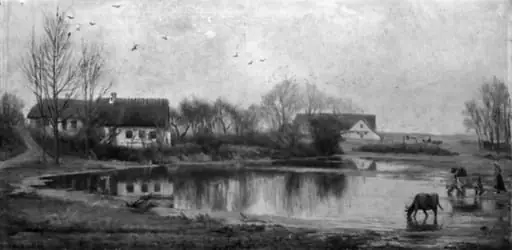 Gadekæret i Kajerød
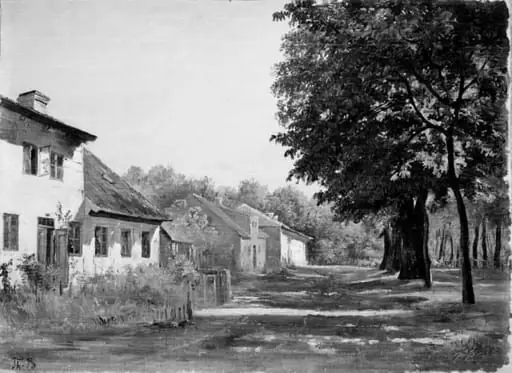 An Avenue. Frederiksværk
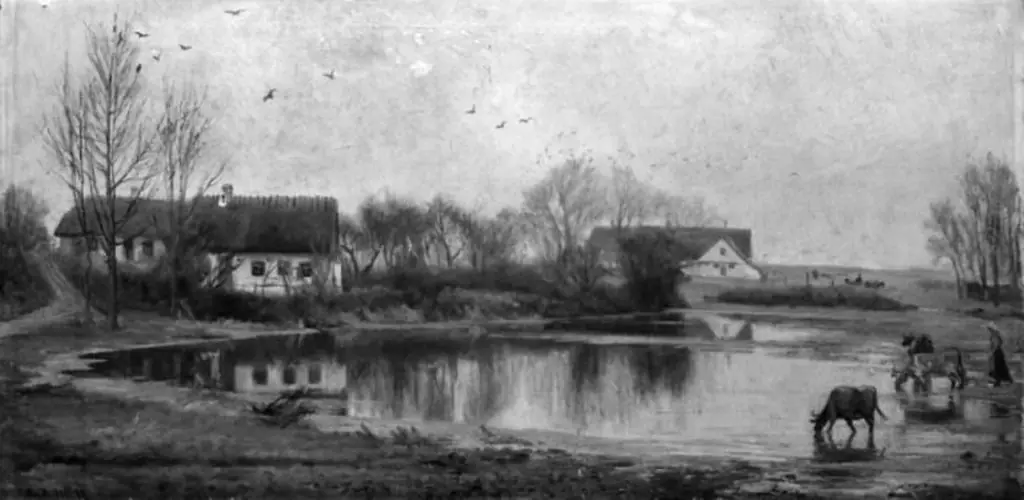 Gadekæret i Kajerød
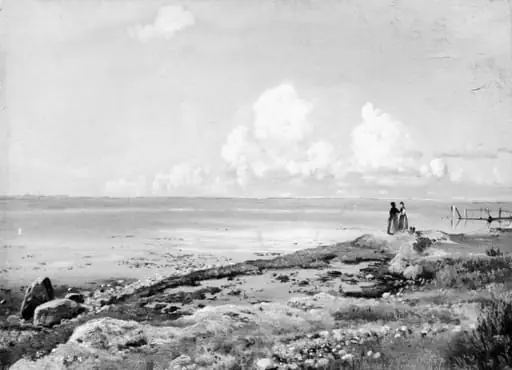 The Beach at Refsnæs, Zealand
 Kystparti ved Tårbæk. Eftermiddag
 Marine. Udsigt over Øresund