Artwork
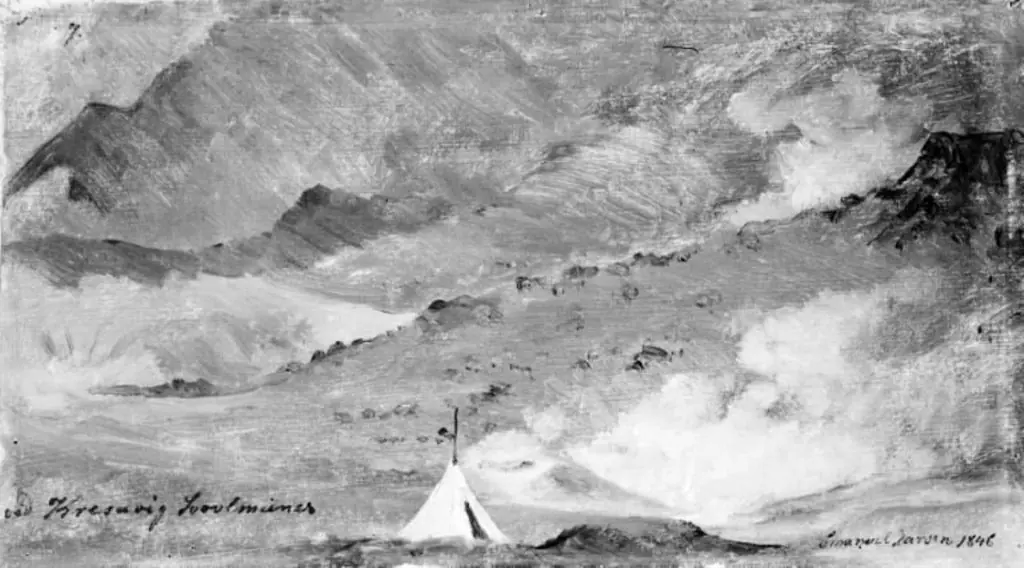
The Sulphur Mines at Krýsuvik, Iceland
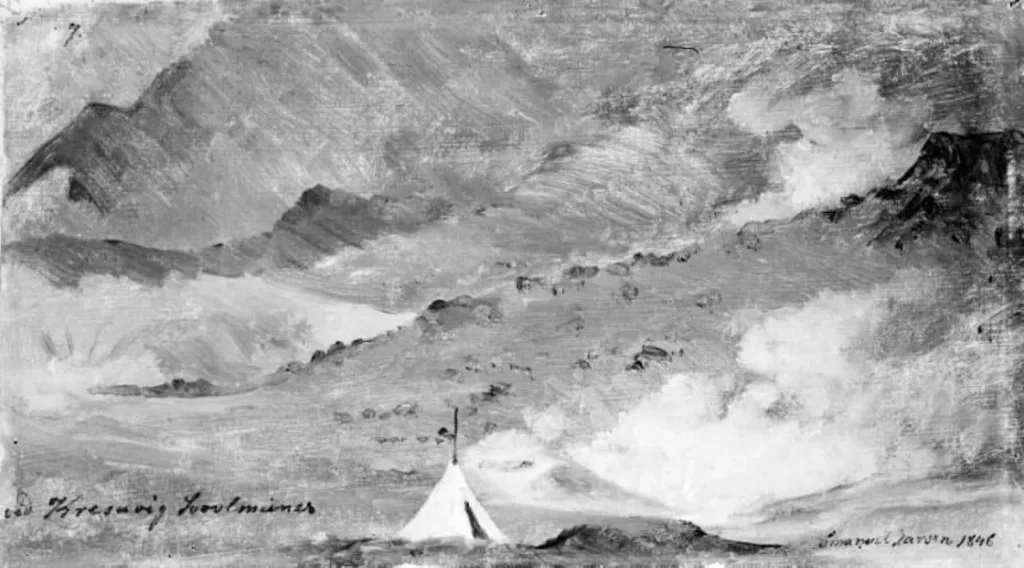
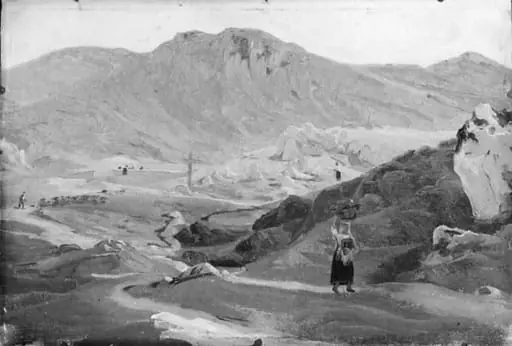
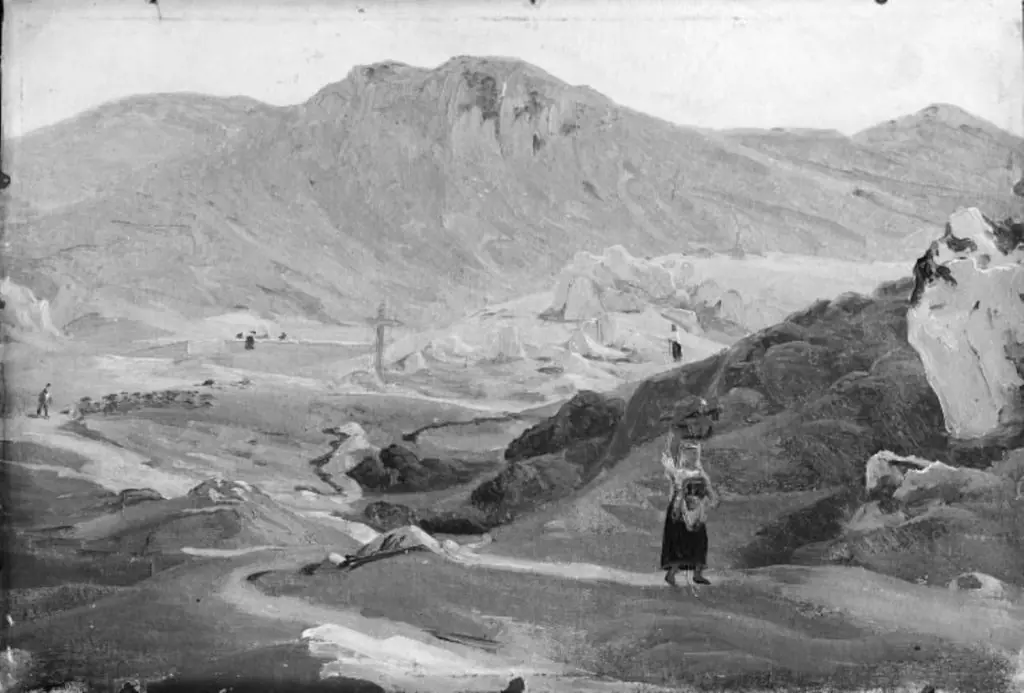
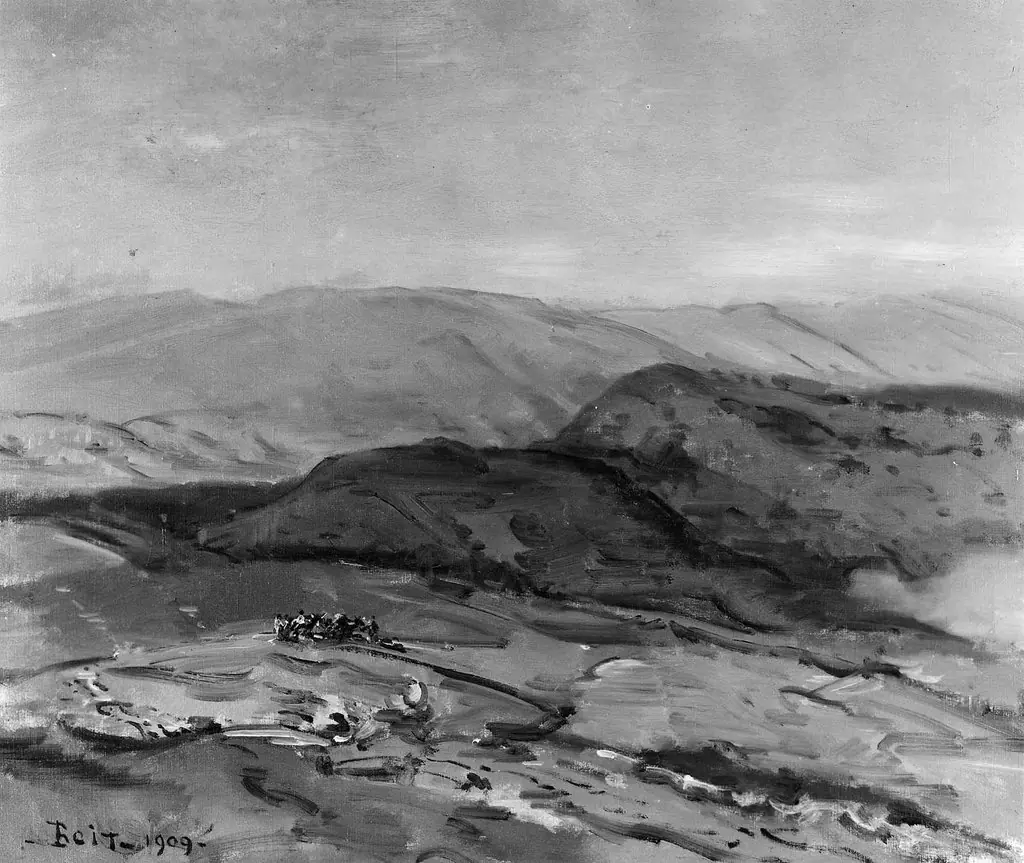
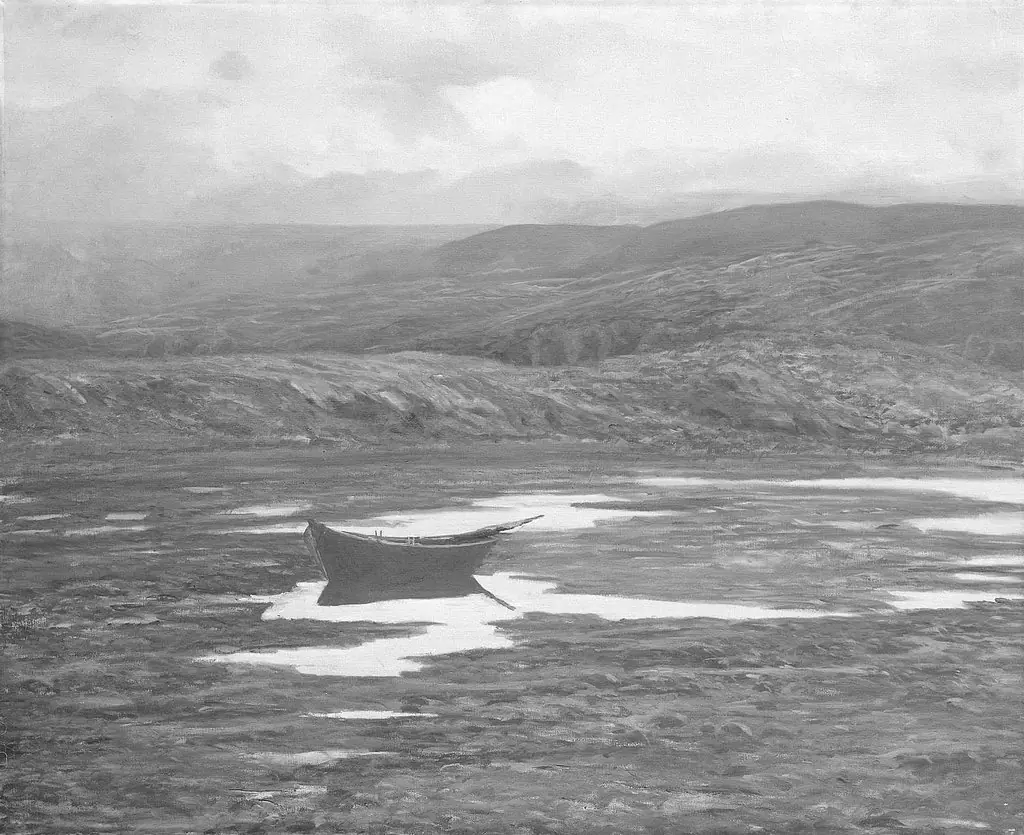
The Sulphur Mines at Krýsuvik, Iceland is a photography by the Romanticist artist Unknown. It dates from 1846 and is held in the collection of the Statens Museum for Kunst. Created in 1846 by Samuel Jarn, this black-and-white image captures the volcanic terrain of Krýsuvik in Iceland.
About this work
Overview
Rendered with a grainy, textured surface typical of early photographic processes, the work presents a stark, unpopulated landscape.
Created in 1846 by Samuel Jarn, this black-and-white image captures the volcanic terrain of Krýsuvik in Iceland. Rendered with a grainy, textured surface typical of early photographic processes, the work presents a stark, unpopulated landscape. It is held in the collection of the Museum of Ethnography, where it functions as a documentary record of a remote geological site during a period of growing European interest in Iceland’s natural phenomena.
Subject & Meaning
The image depicts the sulfur-rich geothermal fields of Krýsuvik, marked by jagged rock formations, patches of light-colored mineral deposits, and a solitary, slender tower—likely a structure used in sulfur extraction. The absence of human figures emphasizes the isolation and raw power of the landscape. The composition invites contemplation of nature’s indifference to human industry, aligning with Romantic-era sensibilities that valued sublime, untamed environments.
Technique & Style
The image employs an early photographic method, possibly a daguerreotype or calotype, evident in its fine grain, high contrast, and limited tonal range. The texture of the surface enhances the ruggedness of the terrain, while the muted sky merges with the upper edge of the frame, focusing attention downward. The lack of color and the sharp delineation of forms reflect the technical constraints and aesthetic priorities of mid-19th-century photographic practice.
History & Provenance
Samuel Jarn, a Danish artist and early photographer, traveled to Iceland in the 1840s to document its unique geology. This image was likely produced during one of his expeditions, part of a broader effort to record Iceland’s landscapes for scientific and cultural audiences in Europe. The work entered the Museum of Ethnography’s collection in the late 19th century, where it remains as part of a growing archive of Arctic and Nordic visual records.
Context
In the 1840s, Iceland was still largely inaccessible to outsiders, and its volcanic landscapes fascinated European scientists and artists. Jarn’s photograph aligns with Romanticism’s fascination with nature’s grandeur and mystery, while also serving as a precursor to ethnographic documentation. Such images helped shape European perceptions of Iceland as a land of primal forces, distinct from the cultivated landscapes of the continent.
Legacy
As one of the earliest photographic records of Iceland’s geothermal regions, the image contributes to the historical understanding of how natural sites were visually documented before widespread tourism. It stands as a quiet testament to early photographic experimentation and the intersection of science, exploration, and visual culture in the 19th century, influencing later ethnographic and geological imaging practices.
Artist & collection

 Domestic Scene
 Giacomo and Cardinal Marco, investing Andrea, Abbot of San Zeno, with his Benefice
 The Nymph of Fontainebleau
 Portrait of a Woman
 Madonna and Child with Saints in the Enclosed Garden
 Venus and Minerva
 Family Group of Four on Sofa
 Wall painting from Room H of the Villa of P. Fannius Synistor at Boscoreale