Artwork
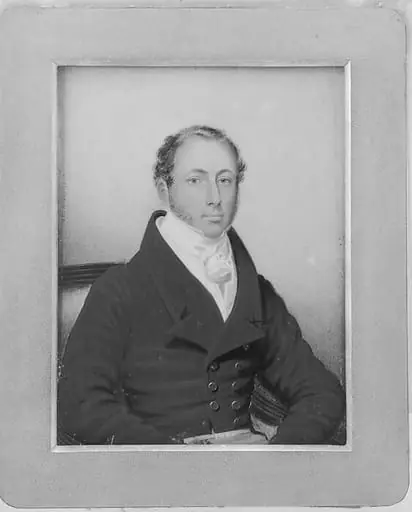
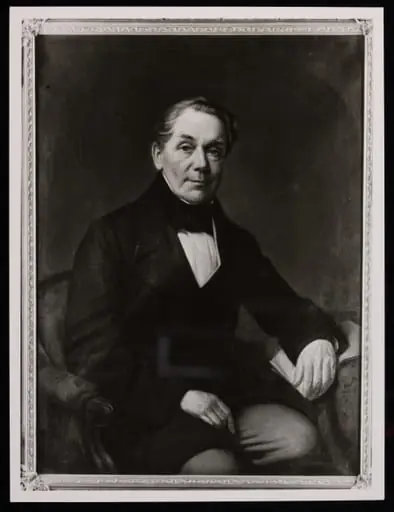
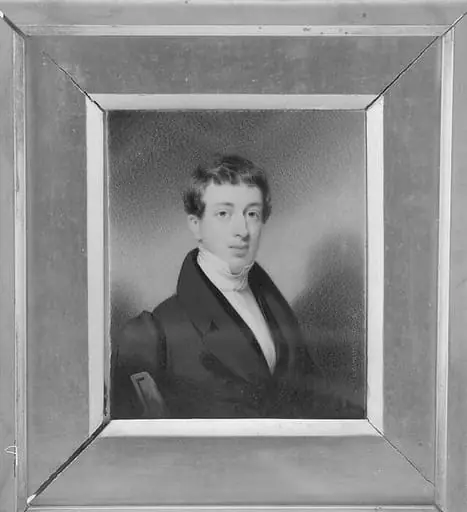
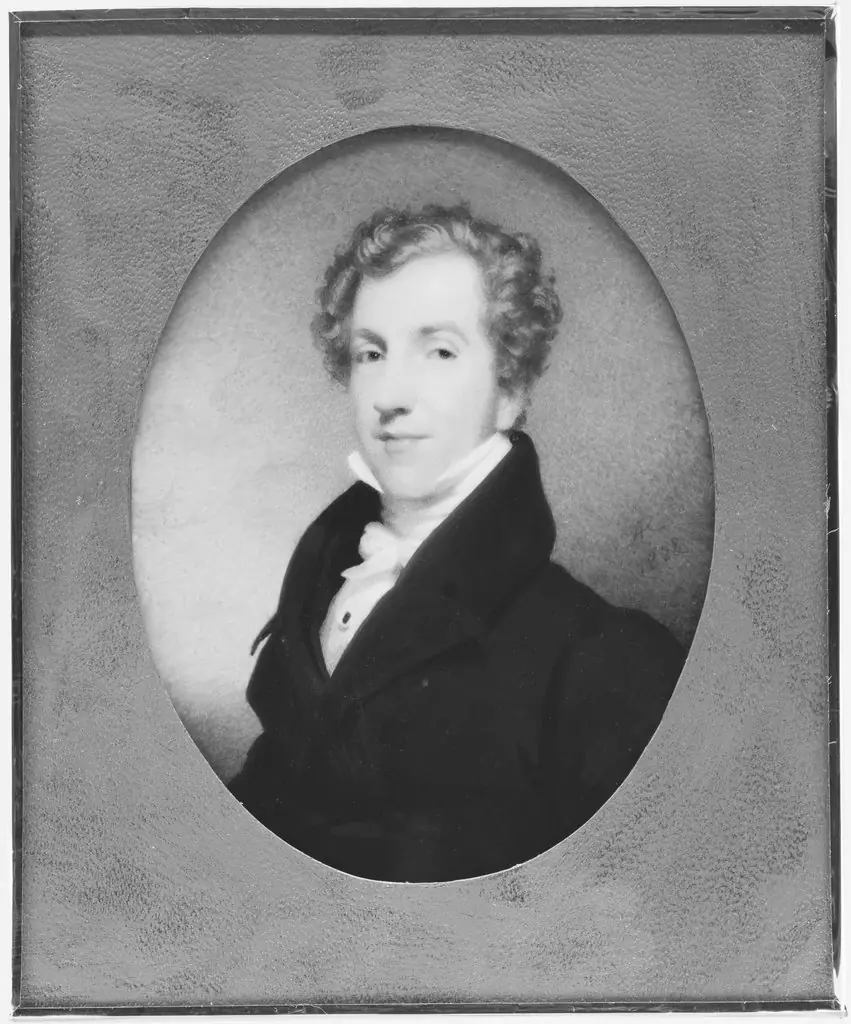
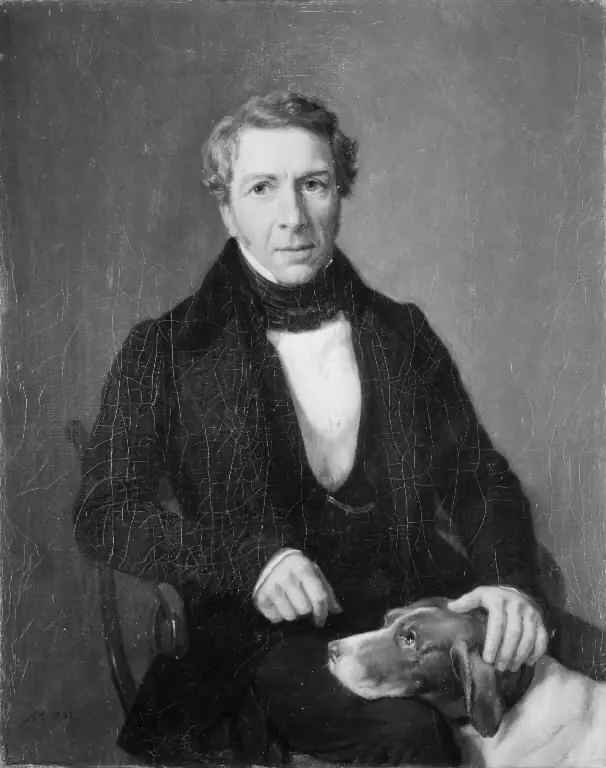
Konferensråd H.L. Frølich
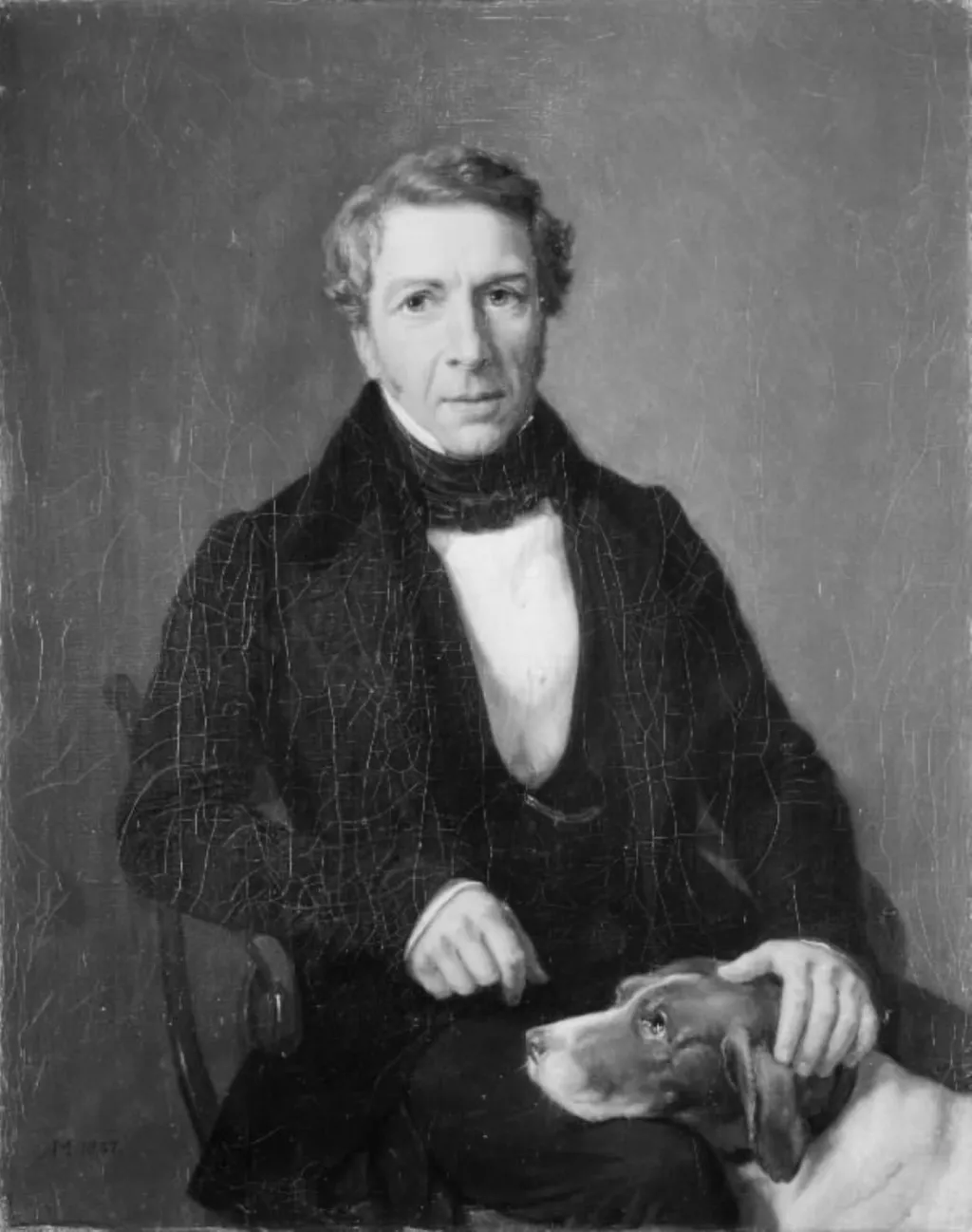
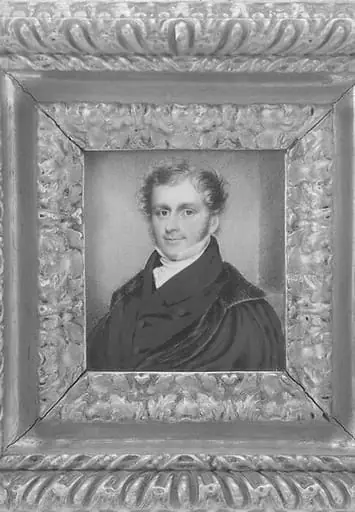
Konferensråd H.L. Frølich is a photography by the Romanticist artist Unknown. It dates from 1837 and is held in the collection of the Statens Museum for Kunst. This image, created in 1837, depicts Konferensråd H.
About this work
Overview
It is an early daguerreotype, one of the first photographic processes, rather than a painted portrait.
This image, created in 1837, depicts Konferensråd H.L. Frølich, a Danish civil servant. It is an early daguerreotype, one of the first photographic processes, rather than a painted portrait. The work is held in the collection of the Museum of Ethnography. Its formal composition and monochrome tones reflect the technical limitations and aesthetic conventions of early photography, capturing a moment of quiet dignity.
Subject & Meaning
Frølich is portrayed with a composed, serious expression, typical of official portraiture in the 19th century. His posture is upright, suggesting authority and restraint. The small dog on a leash, gently held in his hand, introduces an intimate, personal element. This subtle detail softens the formality of the image, hinting at private life beyond public role, a rare humanizing gesture in early photographic portraiture.
Technique & Style
The image is a daguerreotype, requiring long exposure times and meticulous preparation. The plain, dark background isolates the figure, emphasizing facial detail and texture of fabric. The sharpness of the coat, shirt, and dog’s fur reflects the medium’s capacity for fine resolution. The stillness of the subject underscores the technical demands of early photography, where movement was impossible to capture.
History & Provenance
Created in 1837, this photograph was made during the earliest years of photographic experimentation. It entered the Museum of Ethnography’s collection as part of a broader effort to document Danish civic figures. Its preservation reflects early institutional interest in photography as a tool for historical record, not merely artistic expression, distinguishing it from painted portraits of the era.
Context
In the 1830s, photography emerged as a revolutionary alternative to painting for capturing likenesses. While Romanticism in art emphasized emotion and individuality, early photography prioritized accuracy and objectivity. This image sits at that intersection: its formal rigidity aligns with official portraiture, yet the presence of the dog introduces a personal nuance uncommon in the medium’s infancy.
Legacy
As one of the earliest photographic portraits of a Danish official, it represents the transition from painted representation to mechanical documentation. Its preservation highlights the growing recognition of photography as a legitimate medium for historical and cultural record. The quiet humanity in the image—through the dog, the gaze, the stillness—foreshadows the emotional depth later photography would achieve.
Artist & collection

 Domestic Scene
 Giacomo and Cardinal Marco, investing Andrea, Abbot of San Zeno, with his Benefice
 The Nymph of Fontainebleau
 Portrait of a Woman
 Madonna and Child with Saints in the Enclosed Garden
 Venus and Minerva
 Family Group of Four on Sofa
 Wall painting from Room H of the Villa of P. Fannius Synistor at Boscoreale